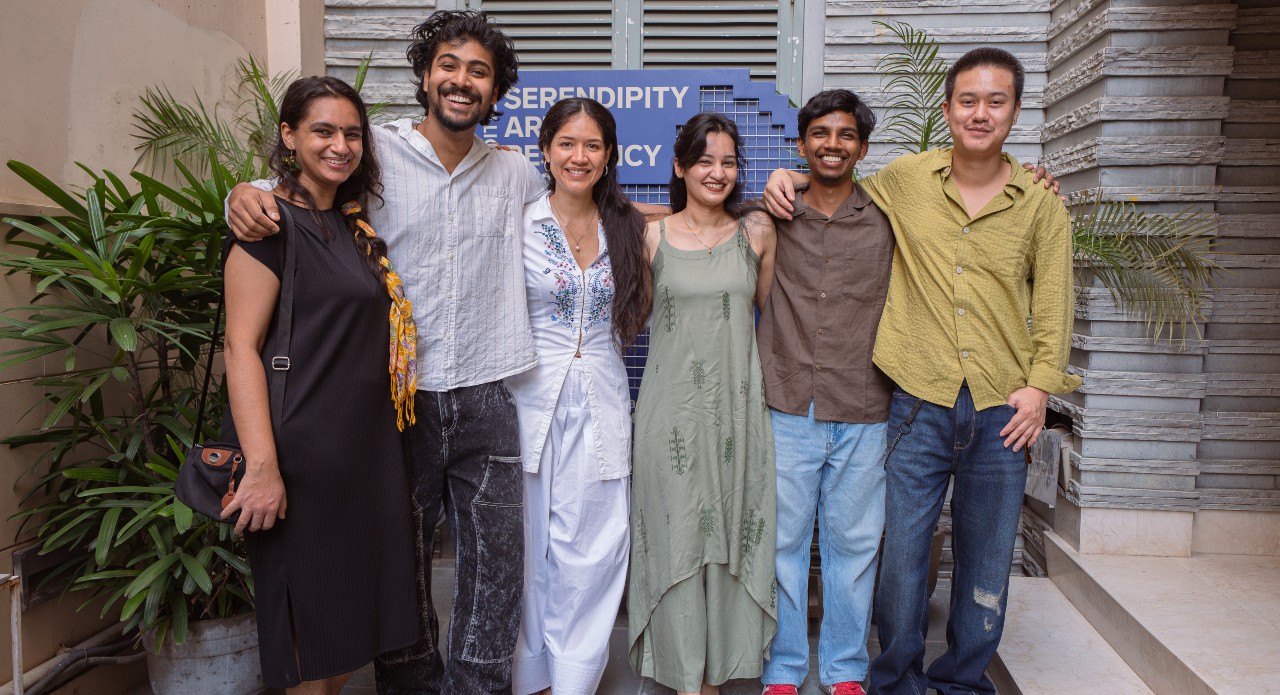


There was something rather refreshing about an exhibition that did not pretend the artist had arrived at the gallery with all the answers neatly tied up in a conceptual bow. The 9th Serendipity Arts Residency Open Studio, previewed on 31 July and open to the public until 7 August 2026 at Serendipity Arts, Defence Colony, New Delhi, was interested instead in what happened before certainty arrived. It was a presentation of works still carrying the fingerprints of research, hesitation, discovery and experimentation. The annual three month residency had, over nine editions, become one of India’s important platforms for nurturing emerging artistic practices across disciplines. Its most valuable offering may have been something increasingly scarce in contemporary culture: time.
At a moment when artists were often expected to produce, exhibit, promote and move on with almost industrial efficiency, the Residency permitted something more contemplative. Artists were given space to investigate an idea properly, mentorship to challenge it, workshops and studio visits to complicate it, and conversations with peers that could send it somewhere entirely unexpected. The result was not merely six individual projects. It was a record of six practices changing in real time.
Six Artists, Six Ways of Looking
That year’s cohort comprised Gopinath Kshetrimayum, Vanshika Rathore, Smiha Kapoor, Nirmal Mondal, Pratik Anil Sutar and Josefina Paz of Villa Swagatam. Their approaches could scarcely have been more different, yet together their projects revealed a fascinating preoccupation with the things that lingered: memory, ecology, migration, labour, folklore, feminist histories and inherited knowledge. The Residency’s particular strength lay in this collision of disciplines. Ideas did not remain obediently within their own studios. They migrated, acquired new meanings and occasionally became something neither artist nor audience had anticipated at the beginning.
Also Read: Jay Leno’s USD 13.5 Million Real Estate Gamble
Gopinath Kshetrimayum and the Architecture of Memory
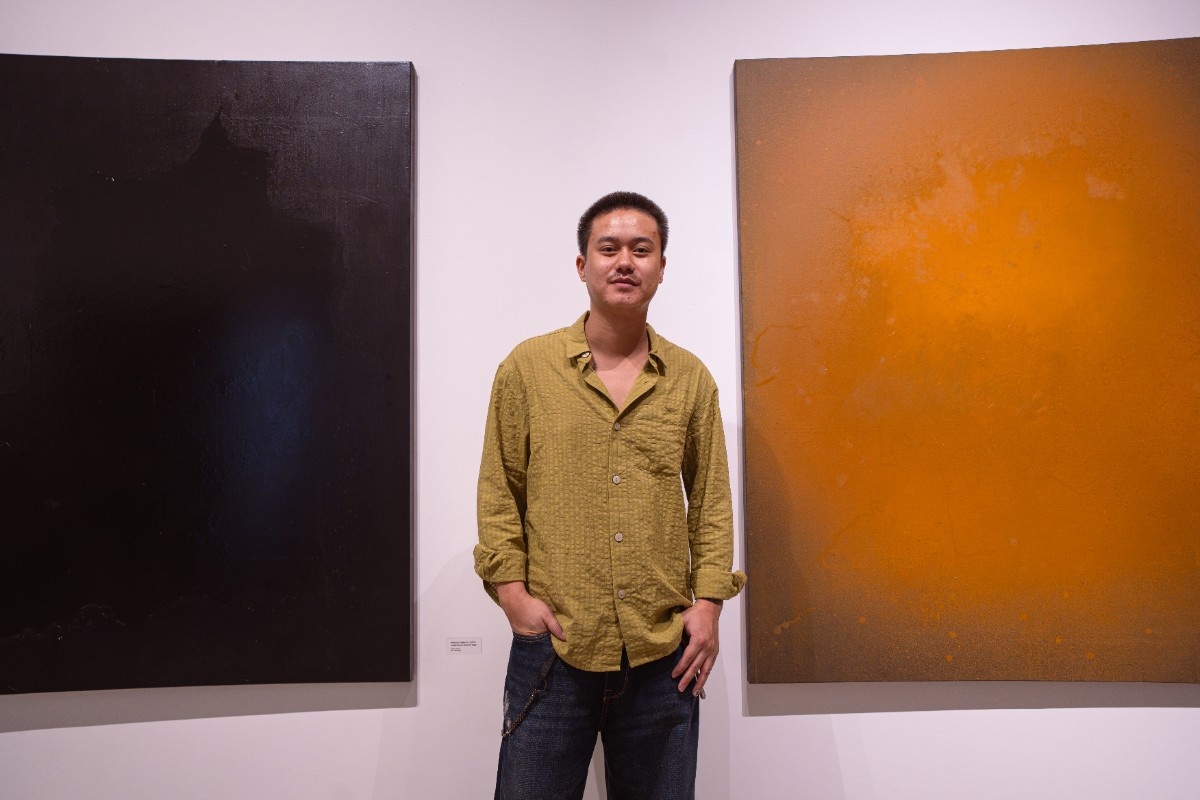
In Rupture and Return, Gopinath Kshetrimayum examined memory, erasure and reconstruction through a new body of abstract oil paintings. The paintings emerged through an organic process of building, removing and rebuilding, with the residency providing something artists rarely got enough of: uninterrupted time. Here, erasure was not failure but methodology. What disappeared from the canvas remained, in some sense, part of its history. The resulting work became a meditation on how memory itself behaved. We remembered imperfectly, forgot selectively and reconstructed constantly. Kshetrimayum’s paintings mirrored that wonderfully unreliable human process.
Vanshika Rathore Finds Stories in the Landscape
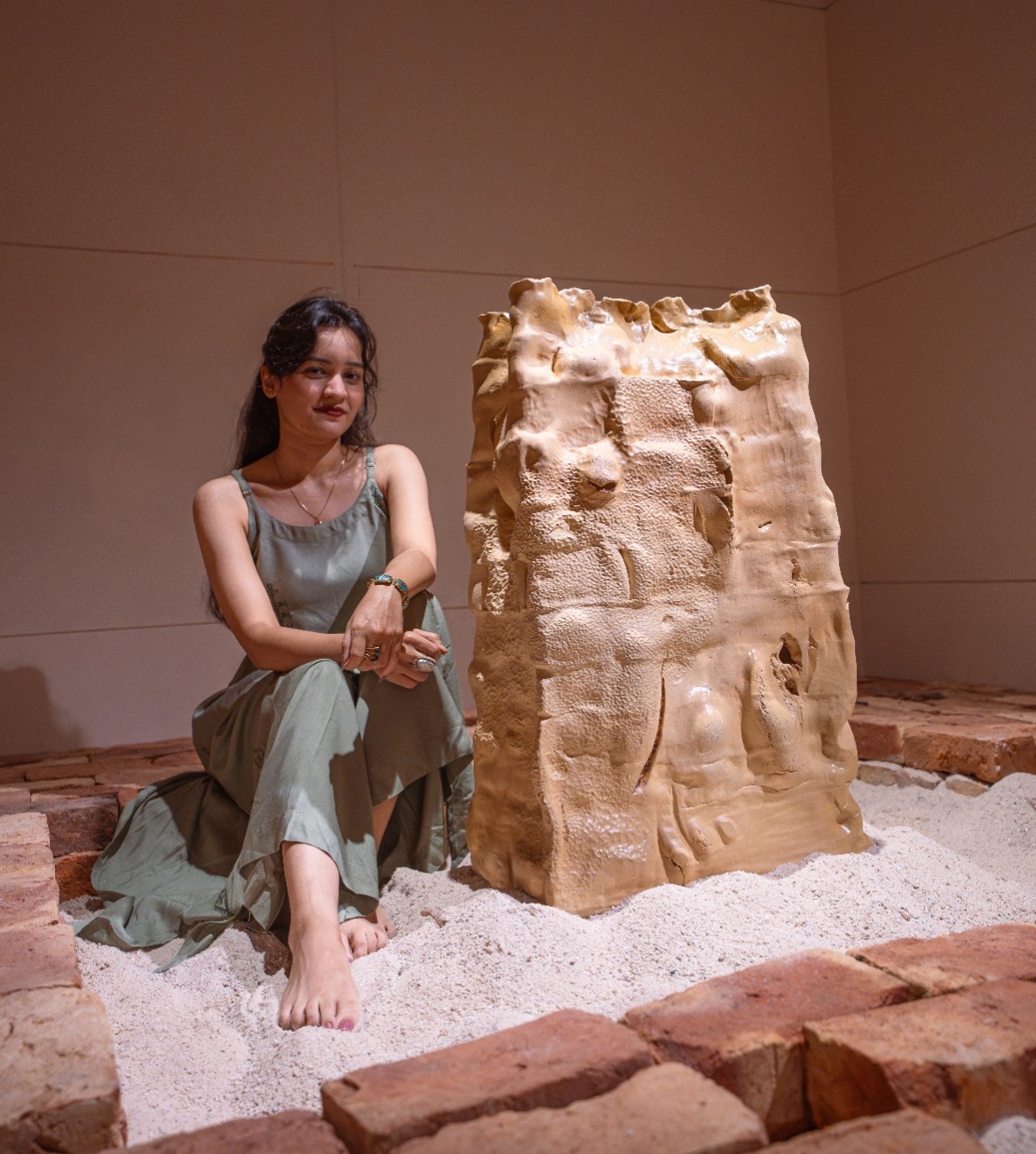
Vanshika Rathore’s Neither Here Nor There moved from landscape into sculpture, transforming fragments and impressions of ecological environments into an immersive installation. Terracotta, ceramics, cement, brass, resin and wood came together in a tactile vocabulary that reflected the textures of soil, waterways and natural formations. Yet the work was less an attempt to reproduce nature than to listen to it. The Residency encouraged Rathore to trust intuition as an integral part of her practice, allowing observation to become instinct and material to become language. The result was a work that appeared to occupy an intriguing territory between the natural and the constructed.
Also Read: Selena Gomez’s Private Encino Estate Hits The Market for USD 6.5 Million
Smiha Kapoor Reclaims the Collective
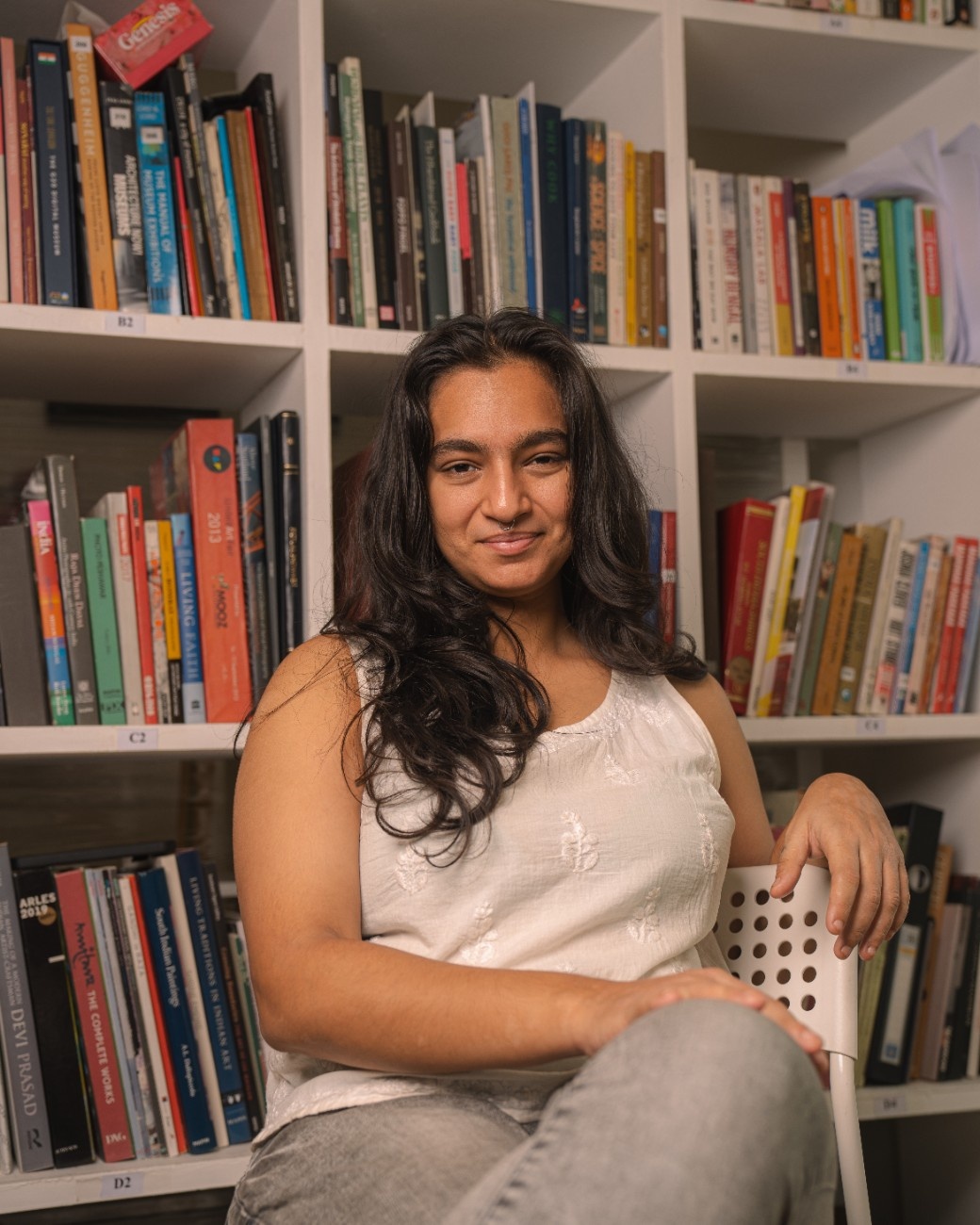
With In Her Re-Turn, Smiha Kapoor turned towards the Punjabi tradition of Trinjan, gatherings in which women spun cotton while exchanging stories, songs and experiences. It was an evocative point of departure because Trinjan was never simply about labour. It was also about community, conversation and the transmission of knowledge between generations. Kapoor expanded this history through installation, performance, sound and participatory practice. Years of research were deepened during the Residency through fieldwork, material experimentation and conversations with artists, researchers and collectives. The work consequently asked an important question: what happened to collective memory when the spaces that once carried it began to disappear?
Nirmal Mondal Gives Folklore a Technological Turn
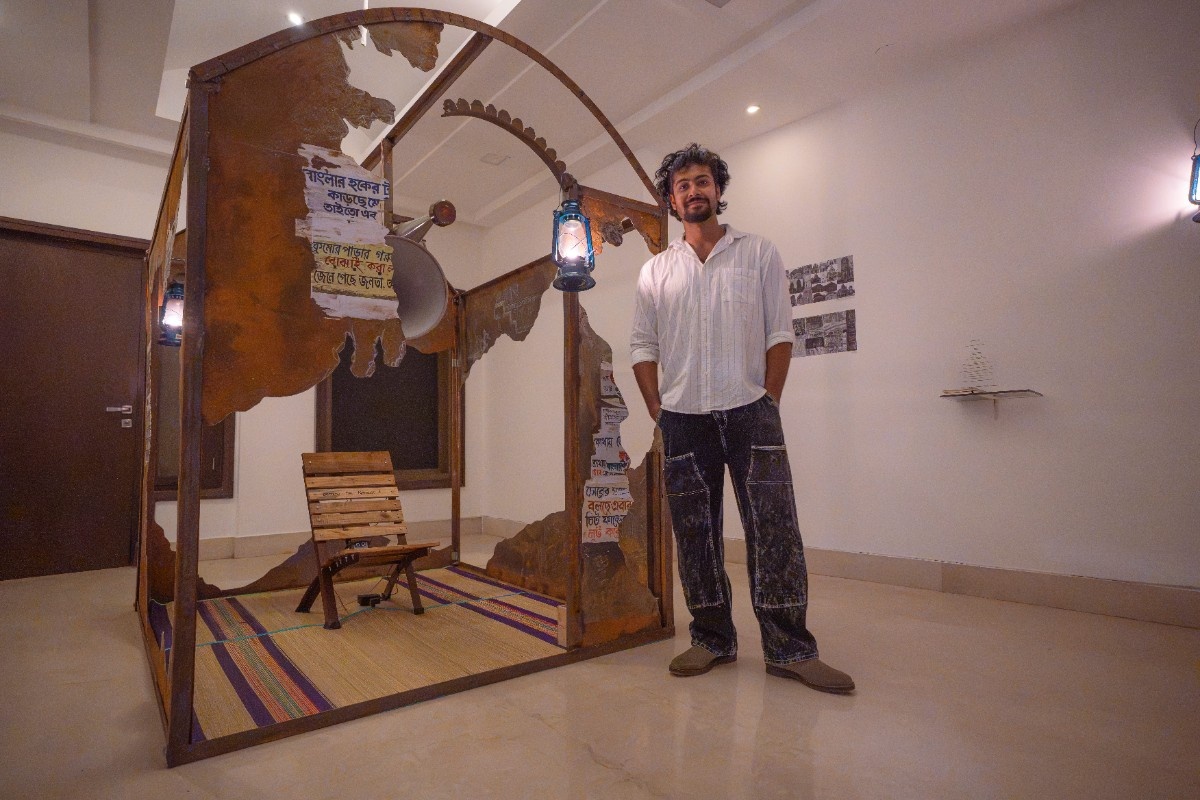
Nirmal Mondal’s Khela Ghar drew from Bengal’s mythology and folk traditions to examine how inherited stories continued to influence collective memory, identity and social hierarchies. But Mondal did not simply preserve folklore in amber. During the Residency, he ventured into unfamiliar territory by experimenting with sensor based technologies for the first time. That shift was significant. It suggested that tradition need not have been frozen in the medium through which it was inherited. Ancient narratives could acquire contemporary technologies, and the resulting encounter could make familiar stories feel surprisingly strange again.
Josefina Paz on Language, Migration and Home
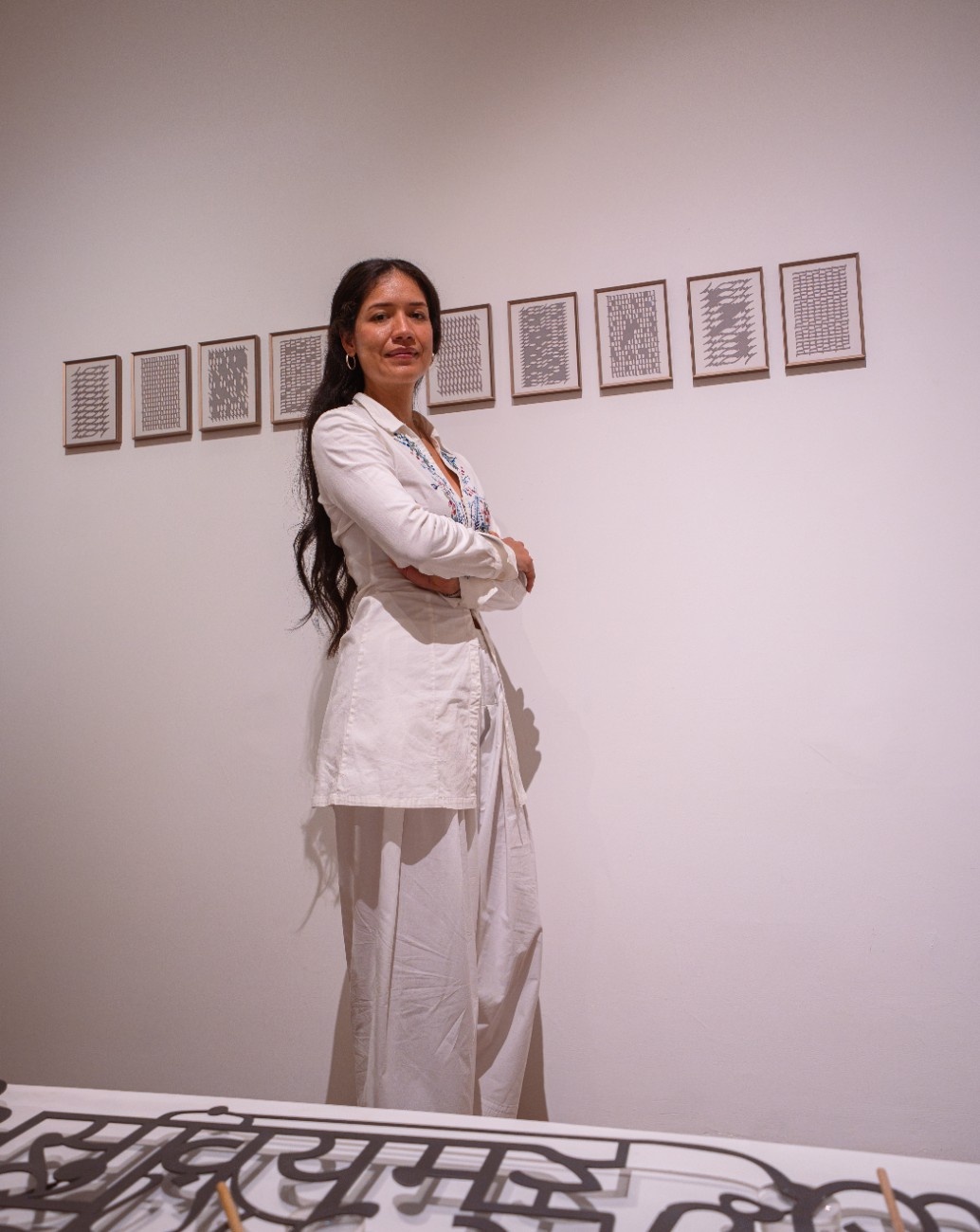
In To Hum Is To Home, Josefina Paz of Villa Swagatam explored one of the most emotionally resonant subjects in contemporary life: belonging. Drawing, textiles, sound, installation and performance became tools for examining language, migration and collective identity. The project evolved through conversations both within and beyond the Residency, demonstrating precisely why such programmes mattered. Those exchanges had already generated new collaborations, including an interactive installation with artist Gaurav Singh Nijjer. Home, in Paz’s work, therefore became less a physical location than a shifting constellation of language, memory, relationships and shared experience.
Pratik Anil Sutar Reimagines the Everyday Through Found Materials
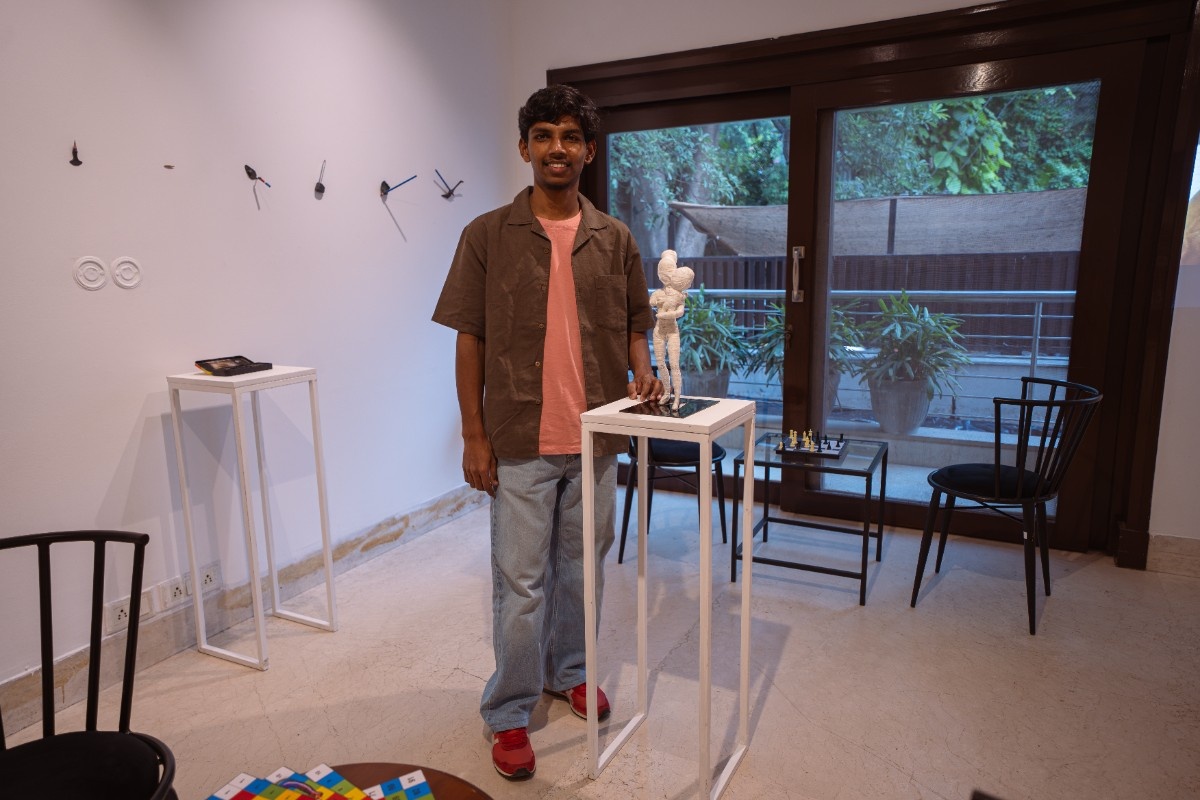
Building upon his family’s legacy of blacksmithing and carpentry, Pratik Anil Sutar’s Controlled Perceptions developed sculptural works assembled from found materials collected across Delhi’s repair workshops, markets and informal settlements. During the Residency, workshops, studio visits and mentorship challenged him to reconsider both the conceptual and technical possibilities of the work, opening up new approaches to production, display and material engagement.
The Value of an Unfinished Conversation
The six projects ultimately demonstrated what the Serendipity Arts Residency had spent nine editions cultivating: not simply finished artworks, but artistic thinking. There was an important distinction. A conventional exhibition often presented the polished conclusion. An Open Studio could reveal the more fascinating middle: the questions still being asked, the materials still being tested and the ideas still capable of changing direction. That made the 9th edition particularly compelling. Across six distinct practices, audiences encountered artists negotiating between the inherited and the contemporary, the personal and the collective, the ecological and the political, the tactile and the technological.