

Picture a crème brûlée. Sugar sprinkled over custard transforms into a hard, golden shell when exposed to flame. David Khoo, Principal Scientist and Director, Scientific Communications at P&G Global, uses this familiar dessert to explain what sugar can do to collagen.
Trained in molecular oncology, David Khoo now studies skin at the molecular level. In this conversation with Outlook Luxe, the P&G scientist discussed skin longevity, retinol, viral skincare trends and the effects of festive indulgences on collagen.
“Sugar can actually bind to proteins like collagen in your skin,” he said. “Sugar binds to collagen and causes it to stiffen. It can also cause yellowing, which may eventually become visible on the skin,” he added. This is a particularly relevant observation during Diwali, when mithai is difficult to resist.
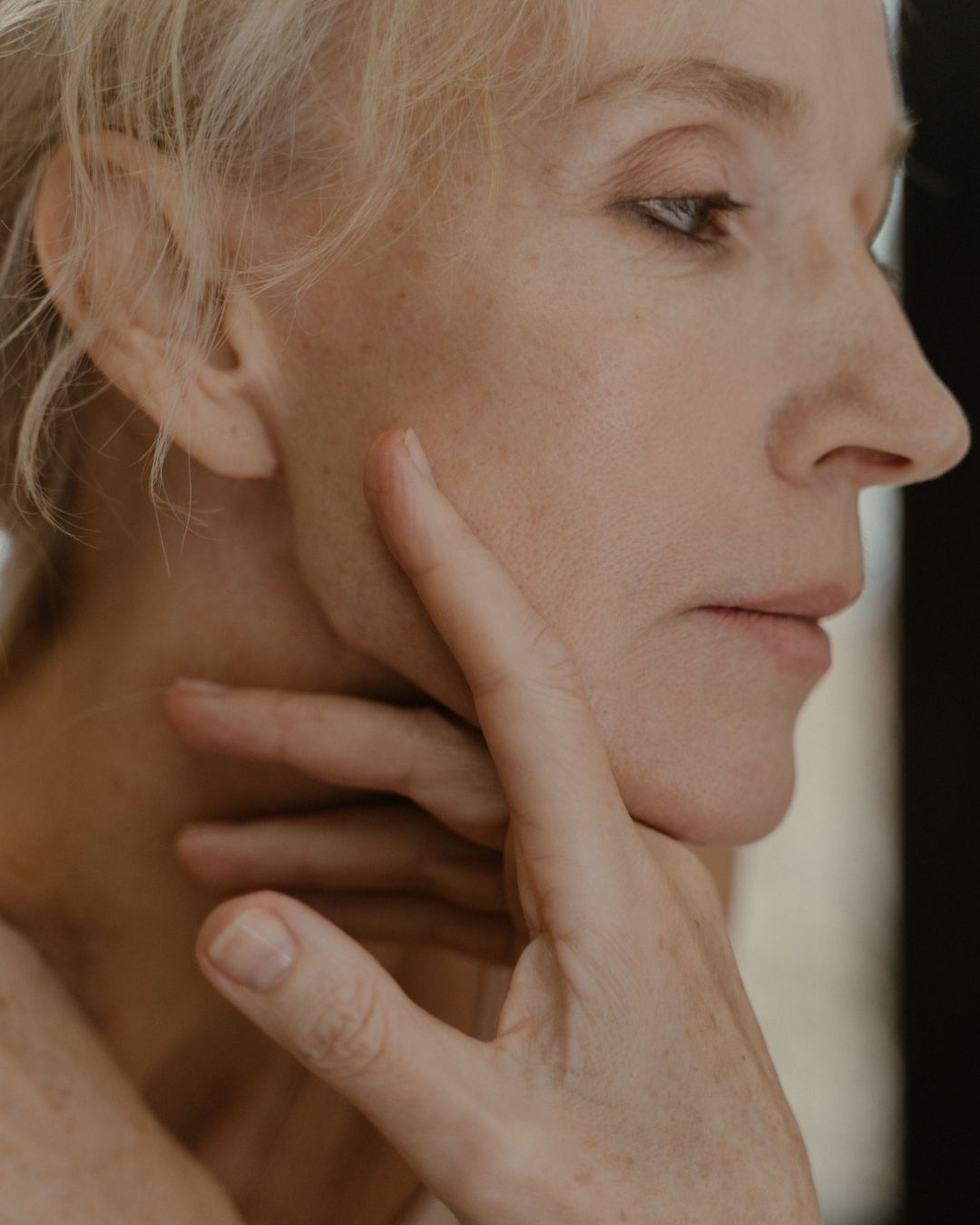
Understanding what happens beneath the skin’s surface is central to the science of healthy ageing. While festive sweets make the analogy particularly timely, Khoo’s work examines how everyday habits, skincare ingredients and biological processes influence the way skin ages.
A Different Lens on Skin
Before entering the beauty industry, Khoo trained in molecular biology and oncology. “I constantly had this sense that I was peering into the very essence of life,” he recalled. That scientific curiosity continues to inform his work.
“The way our bodies react to things like dandruff or UV rays begins at the molecular level,” he explained, describing molecular science as a powerful way to understand skin concerns.
Also Read: Interview | Daniel Bauer on Fashion Week Beauty, Creative Leadership and Looking Beyond Trends
This scientific perspective also informs how Khoo approaches the changing conversation around skin ageing. The beauty industry increasingly favours ‘skin longevity’ over ‘anti-ageing’. Khoo sees this as an evolution rather than a departure. “I think it is a more positive expression of anti-ageing and certainly has greater relevance in today’s context,” he shared. The emphasis, he explained, is on supporting healthy skin ageing rather than fighting time.
Social media is flooded with skincare advice, but not every viral recommendation is backed by science. Khoo encourages consumers to check published research before accepting skincare claims and suggests using AI tools to make scientific literature easier to understand.
Why Retinol Still Matters
Retinol, a vitamin A derivative widely used in anti-ageing skincare, has maintained its relevance despite changing beauty trends, largely because of its clinical evidence. “Decades ago, retinol was one of the first anti-ageing active ingredients to have strong clinical data demonstrating its efficacy in wrinkle reduction,” Khoo elaborated.
He recommends mindful use for Indian consumers, particularly given the country’s sun exposure. Retinoids can cause irritation and dryness, making sunscreen essential. He also recommends night-time application, noting that “retinoids themselves can be vulnerable to UV degradation”.
The Thinking Behind Formulations
Asked to narrow skincare down to three essentials, Khoo chooses “a cleanser, a good moisturiser with an active ingredient like Niacinamide or a Retinoid, and a sunscreen.”
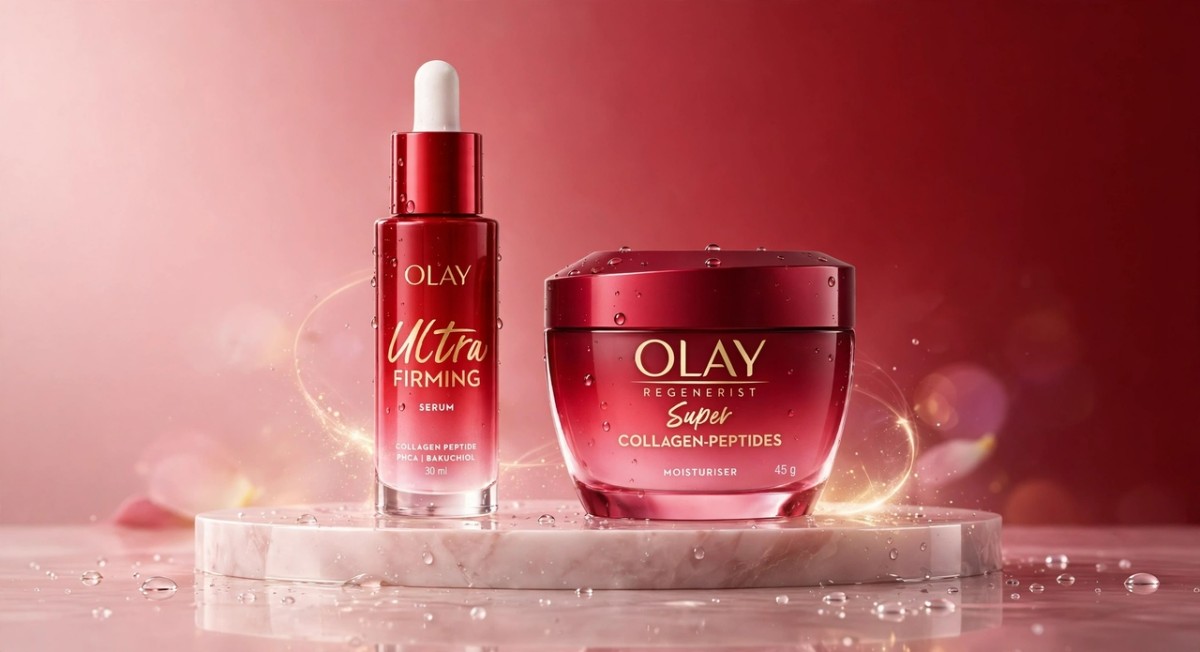
He also highlights collagen, whose production declines with age and which can become damaged over time. This thinking informs Olay Super Collagen Moisturiser, combining Collagen Peptides with Niacinamide, and Olay Ultra Firming Serum, formulated with PHCA, Bakuchiol and Collagen Peptides. Both are part of Olay’s SKINTERVENTION approach, encouraging consistent skincare before visible signs of ageing emerge.

The Diwali Effect on Skin
Late nights, heavy makeup, sweets and firecracker smoke can all influence skin health. Khoo explains that sleep deprivation can weaken the skin barrier, while pollution and smoke expose skin to free radicals. Referring to studies on sleep deprivation, he noted, “People who had missed sleep were perceived as looking a little older.”
Stress can also weaken the barrier and create “a ripple effect on your overall skin health,” he said.
The effects of festive indulgences may show up on the skin, but reversing them takes time. There is no overnight solution to tired-looking skin. “Unfortunately, skincare ingredients take a while to work,” Khoo admitted. Offering some simple advice ahead of the festivities, he said, “Get some sleep, stay well hydrated, be happy, don’t be stressed and be excited about the party!”
Also Read: Diwali Makeup Looks 2026: Gilded Eyes, Glossy Lips And Celebrity-Inspired Festive Glam
After a late night, he recommends focusing on hydration and barrier care. “Really pamper your skin in the days after,” he shared adding, “it’ll rebound in no time.”
Good skin health isn’t built around the latest viral ingredient or an elaborate routine. It boils down to understanding what your skin needs, protecting it consistently and giving science time to work. Sometimes, helping skin age well is simply about getting the basics right.