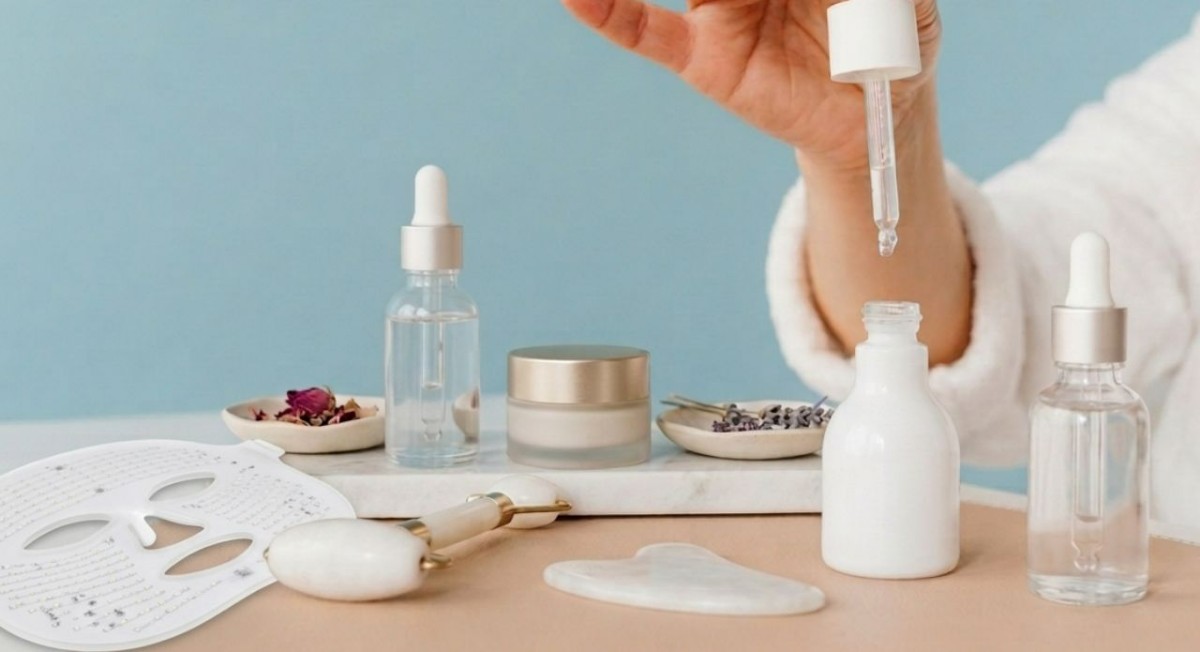


Imagine standing at a luxury beauty counter, ready to pick up an anti-ageing cream, only to find yourself choosing between an LED mask, a peptide serum, a retinal concentrate and a PDRN formula instead. The familiar jar promising smoother-looking skin now sits alongside products borrowing ideas from dermatology, biotechnology and beauty tech. That changing shelf says plenty about where skincare is headed in 2026, i.e., the pursuit of younger-looking skin is making room for a much broader idea of skin longevity.
The result is a beauty landscape where established ingredients are getting sophisticated makeovers, while newer technologies are becoming part of the at-home ritual. Here are five developments changing the anti-ageing conversation this season.
Beauty Devices Become At-Home Treatments
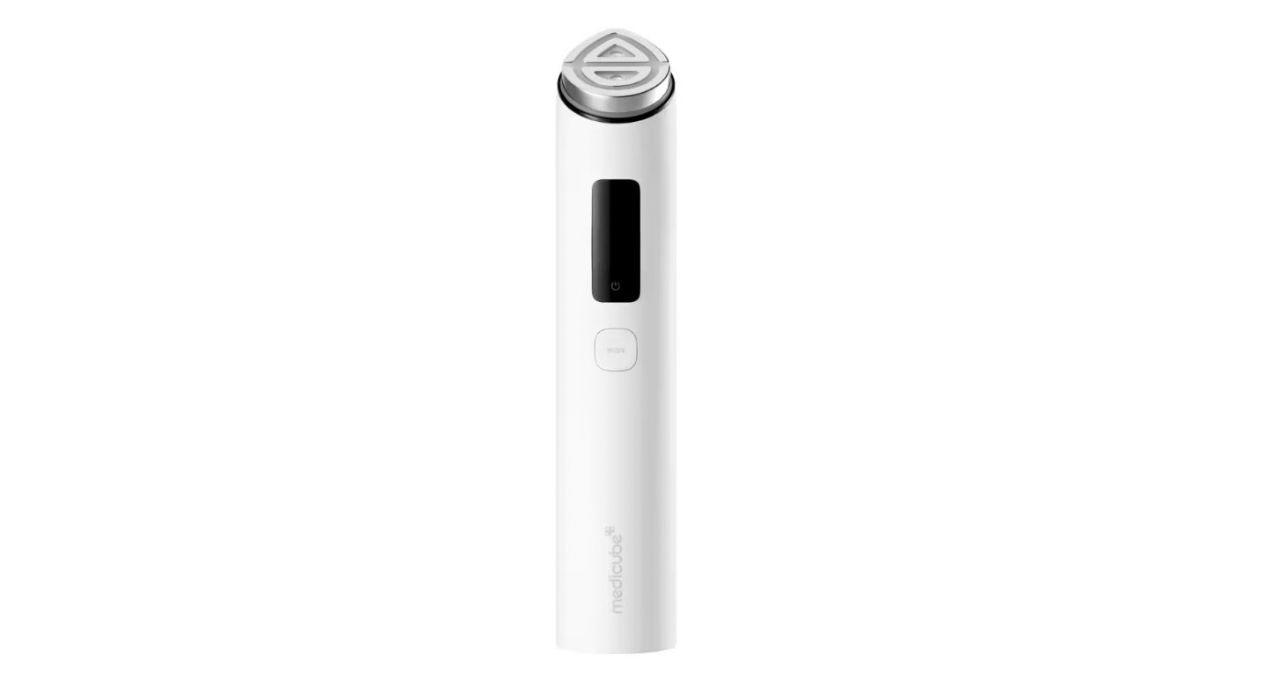
LED masks, microcurrent tools and multi-functional devices are becoming part of increasingly sophisticated beauty routines. At the top end, Medicube’s Age-R Booster Pro X2 is available at Rs 60,000 (approx.) in India, while Protouch’s Glow Pro 4-in-1 Micro Current Facial Toning Device is priced at Rs 18,000 (approx.). Protouch’s 3-in-1 LED mask, meanwhile, is listed at Rs 2,499.
Also Read: The 30-40-50 Rule: A Dermatologist’s Guide To Evolving Skincare Goals
The appeal is easy to see. Instead of reserving technology-led treatments for a professional setting, consumers can now bring selected devices into their own beauty rituals, using them alongside the creams and serums already on their shelves. It is a sign of how beauty technology is becoming part of long-term skin maintenance.
Barrier Care Gets Luxury Treatment
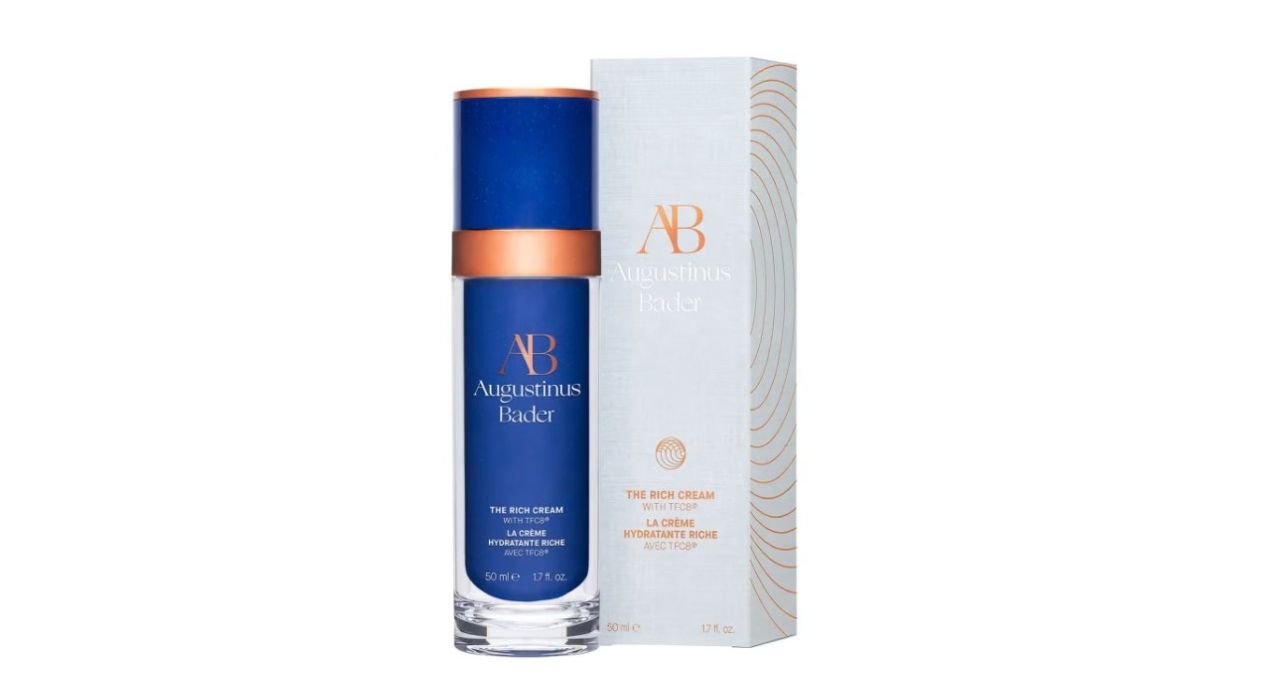
The next change is happening inside the formulas themselves. The skin barrier has become an important consideration in anti-ageing skincare, particularly as consumers become more selective about powerful actives. Augustinus Bader’s The Rich Cream is available at Rs 29,000 (approx.) for 50ml, bringing its TFC8 technology into a rich moisturising formula designed around skin renewal.
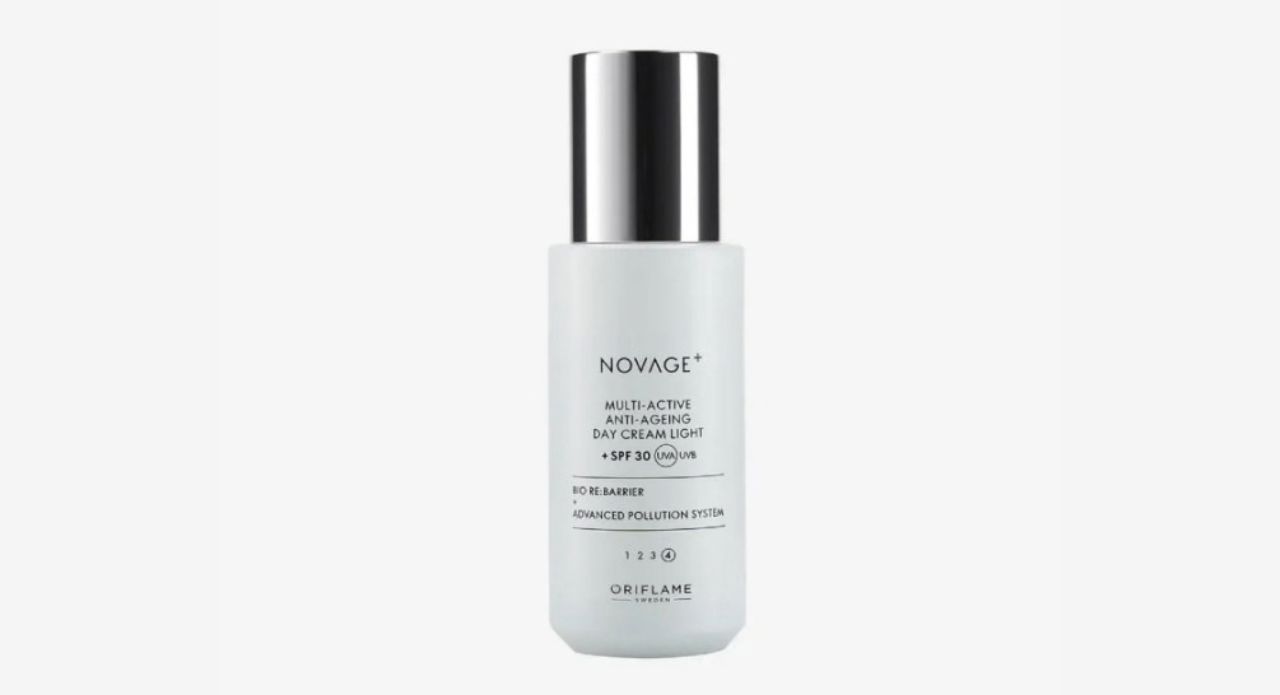
Oriflame’s Novage+ Multi-Active Anti-Ageing Day Cream Light SPF 30, priced at Rs 3,200 for 50ml, combines Bio Re:Barrier technology with hyaluronic acid, vitamin E, pollution protection and SPF 30. It targets fine lines, dryness, loss of firmness and uneven tone.
The thinking is straightforward, keeping skin moisturised and protected is becoming just as relevant to a well-maintained complexion as addressing visible signs of ageing.
Peptides Become More Targeted
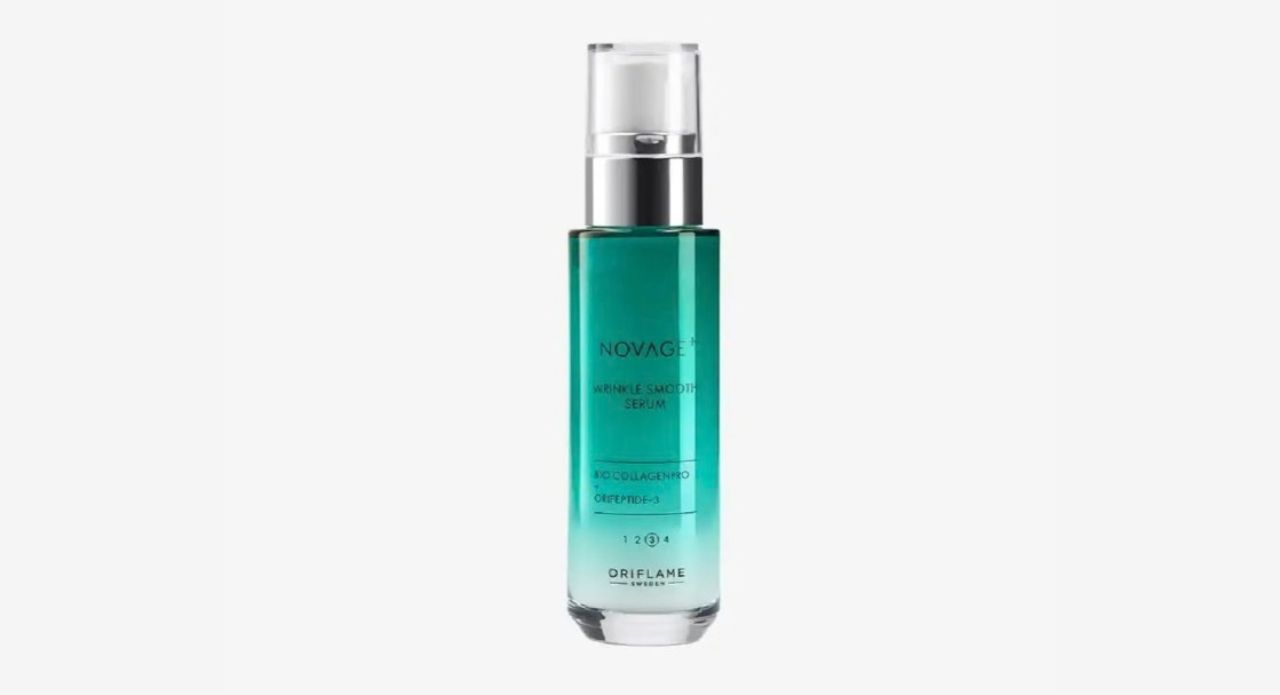
Peptides have long featured in firming and anti-ageing formulas, but newer products are taking a more targeted approach. Novage+ Wrinkle Smooth Serum, priced at Rs 3,350 for 30ml, uses the brand’s proprietary Oripeptide-3 technology, which is designed to support collagen production and address the appearance of fine lines and wrinkles.
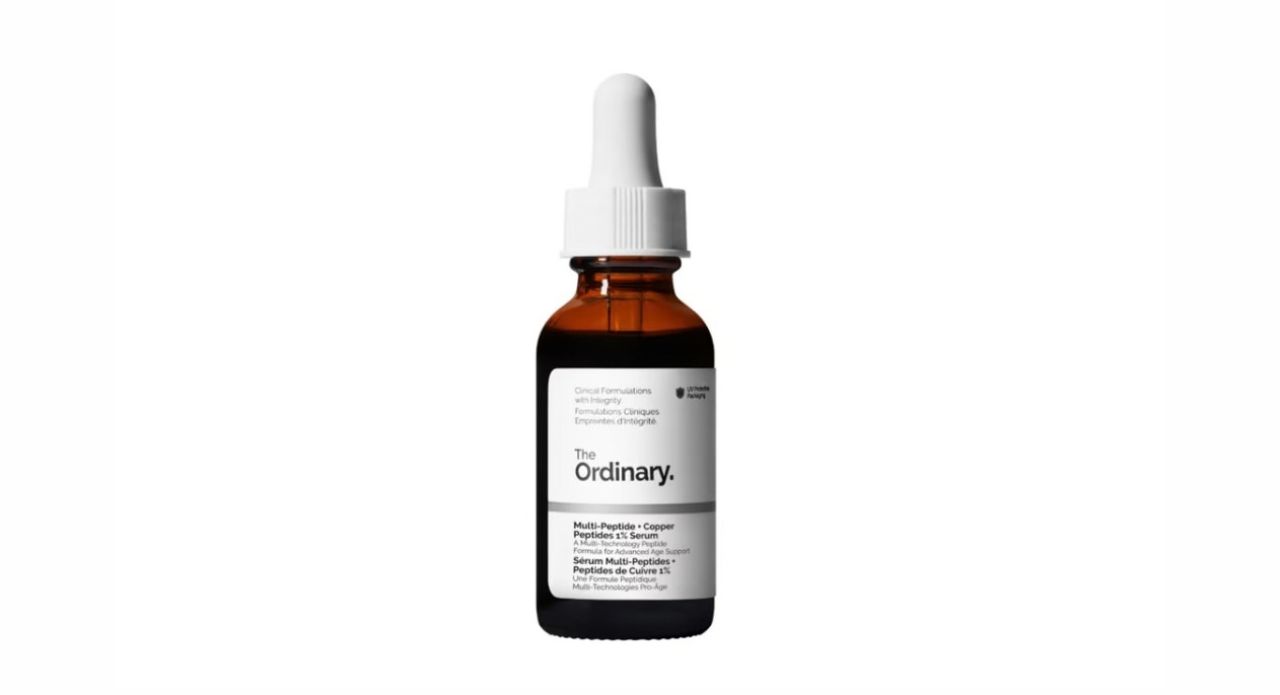
The Ordinary’s Multi-Peptide + Copper Peptides 1% Serum is priced at Rs 2,950 for 30ml in India. The growing variety suggests that peptides are no longer being treated as one catch-all anti-ageing ingredient, but as part of more targeted formulations built around specific skin concerns.
PDRN Enters Everyday Skincare
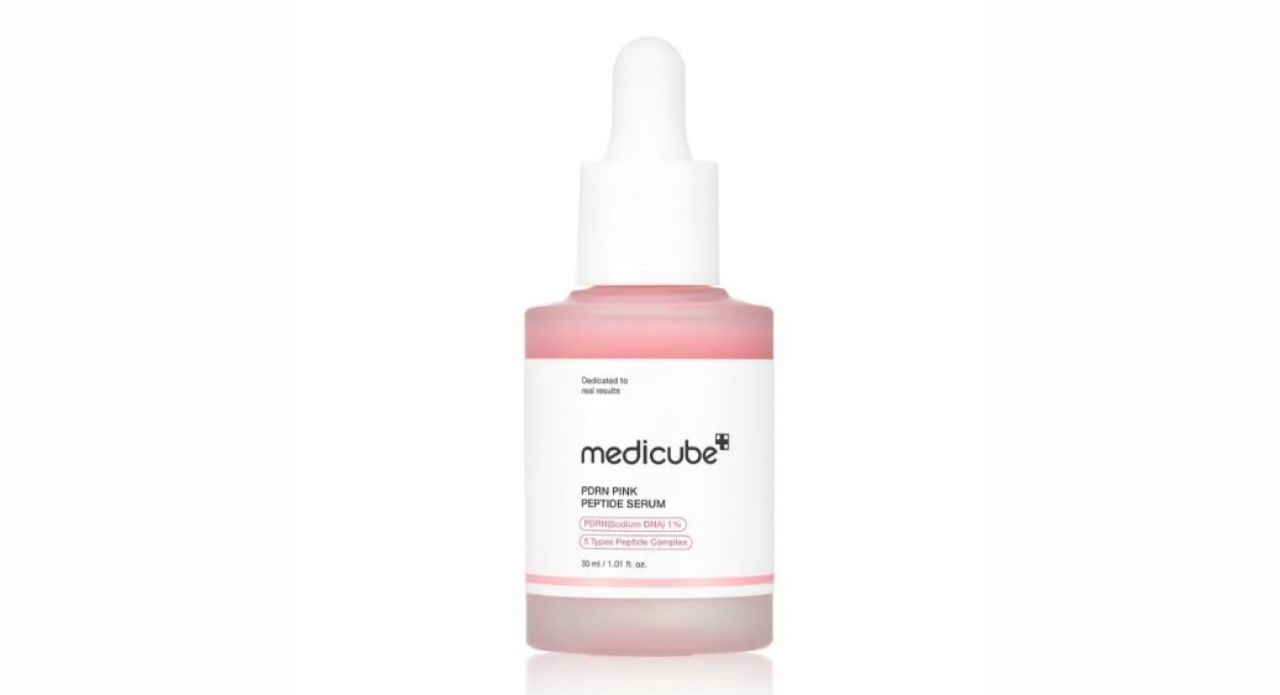
Then there is Polydeoxyribonucleotide (PDRN), a DNA-derived ingredient that has recently entered the mainstream beauty vocabulary. Used in skincare for its association with skin repair and regeneration, PDRN has increasingly appeared in serums and creams positioned around skin renewal. Medicube’s PDRN Pink Peptide Serum is listed at Rs 2,300 MRP for 30ml.
The ingredient has attracted attention for its association with skin repair and regeneration, helping explain its growing presence in serums and creams. It is worth noting, however, that an at-home topical product should not automatically be equated with professional regenerative treatments and evidence can vary between formulations.
Retinal Makes Routines Smarter
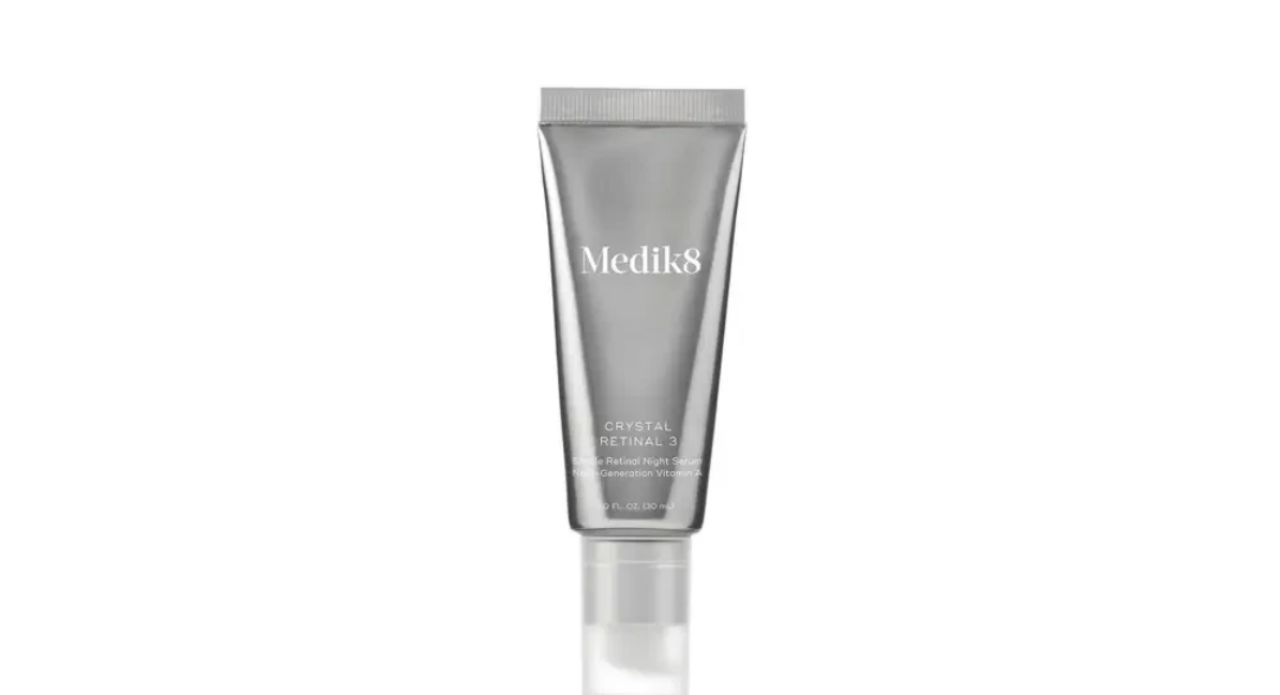
Retinal is giving the established retinoid category another moment in the spotlight. Retinal, or retinaldehyde, is a form of vitamin A and a retinoid that sits one conversion step closer to retinoic acid than retinol. It is increasingly appearing in anti-ageing formulas positioned around smoother-looking skin, fine lines and overall skin renewal, giving consumers another option within the growing retinoid category. The MediK8 Crystal Retinal 3 is currently listed at around Rs 13,000 for a 30ml pack.
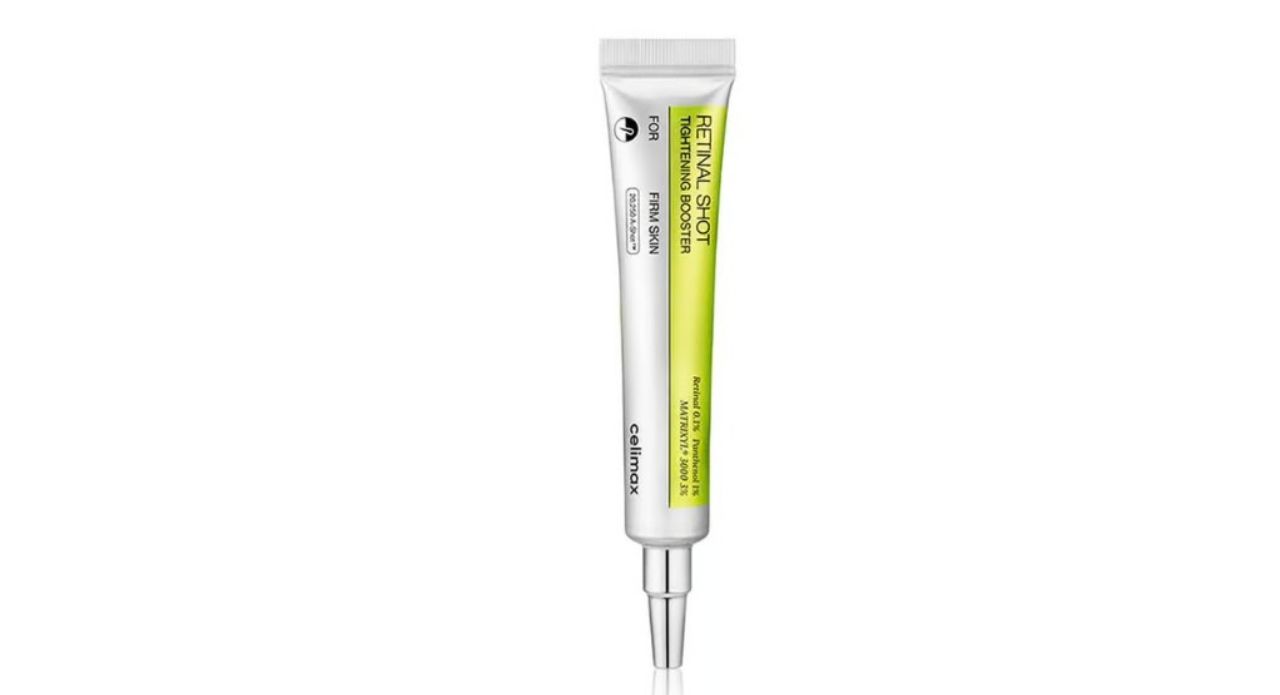
While Celimax’s Vita-A Retinal Shot Tightening Booster can be availed at Rs 2,200 (approx.) for 15ml. As a vitamin A derivative, retinal requires fewer conversion steps in the skin than retinol before becoming retinoic acid.
Its popularity also fits neatly into the rise of skin cycling, which spaces retinoids and exfoliating products across different nights. The method is not a medically established protocol, but its simple premise, giving skin recovery time between stronger treatments, has made it an easy concept to understand.
Also Read: Why Niacinamide Is The ‘It’ Ingredient For Skin Brightening, And Anti-Ageing
The anti-ageing conversation is clearly becoming more sophisticated. The focus is shifting towards products and treatments that feel considered, targeted and worth making space for in a well-curated beauty routine. In 2026, skincare is less about chasing a quick fix and more about choosing innovations that support the way skin looks, feels and ages over time.