


Every few years, the skincare industry declares a new miracle ingredient. Most fade as quickly as they arrive. Niacinamide has done the opposite; it has spent decades accumulating clinical evidence, earning the trust of dermatologists long before it became a consumer phenomenon. What we are witnessing today is not a trend. It is the mainstream finally catching up to what medical literature has known for years.
What Is Niacinamide?
Niacinamide is the biologically active form of Vitamin B3. It is water-soluble, stable across a wide pH range, and critically, it penetrates the stratum corneum effectively, reaching its intended target in concentrations sufficient to produce clinical results. That last point matters more than most consumers realise.
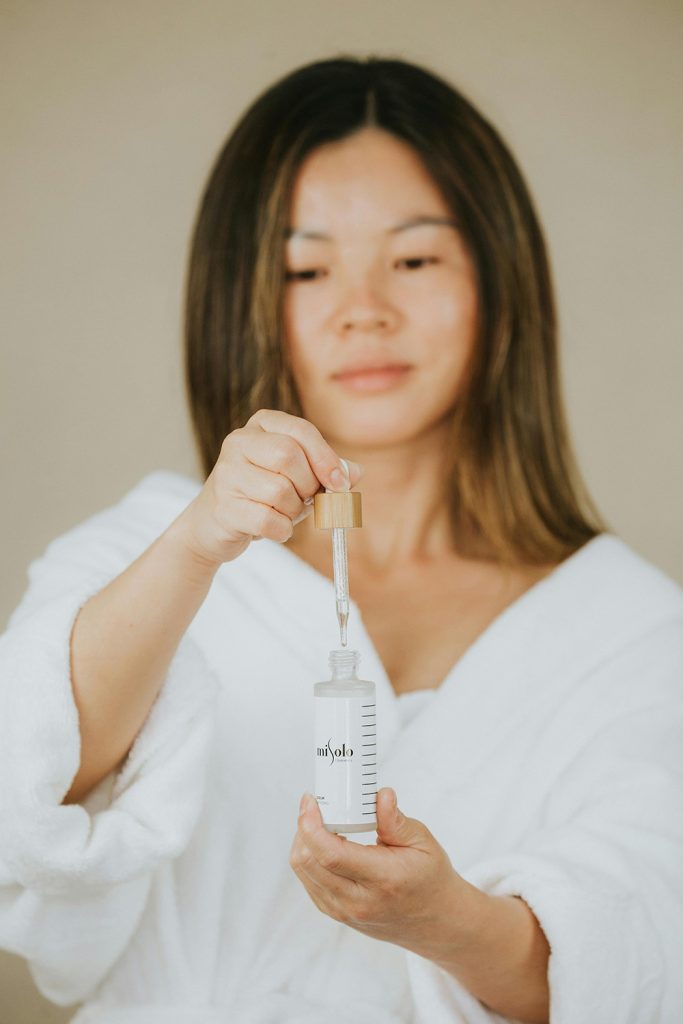
Many ingredients applied to the skin do not survive long enough or penetrate deeply enough to do anything meaningful. Niacinamide does. Once inside the skin cell, it becomes a precursor to NAD+, the coenzyme that powers redox reactions and energy production within cutaneous cells. From there, it synthesises NADH and NADPH — coenzymes essential to how the skin generates energy, repairs UV-induced DNA damage, and manages oxidative stress. Niacinamide is operating at a cellular level, which is precisely why its benefits are so broad and so measurable.
Benefits of Niacinamide for the skin
In practical terms, it inhibits the transfer of melanin between skin cells, which is why pigmentation fades. It stimulates procollagen synthesis in the dermis, which is why fine lines soften. It normalises sebum secretion, which is why congested, oily skin gradually settles. It drives ceramide production, the lipids that hold the skin barrier together, which is why reactive, sensitised skin begins to feel structurally stable. And through its anti-inflammatory action on cutaneous cells, it reduces the redness and irritation that underpin acne, rosacea, and post-procedure sensitivity alike.
When Should You Start Using It?
Teenagers managing excess oil and acne will find niacinamide far more tolerable than benzoyl peroxide or salicylic acid. Clinical testing confirms no irritancy at 5% concentration, even over extended use, a tolerance profile most actives cannot match. The anti-inflammatory and sebum-regulating effects are meaningful for mild to moderate acne and can reduce dependence on harsher interventions. In your twenties, the argument for niacinamide is preventive. Sun damage accumulates in the skin years before it becomes visible.

When used daily alongside SPF, niacinamide is one of the most effective and least disruptive ways to slow that accumulation. By your thirties, when pigmentation from adult acne and early collagen loss begin to show on the surface, the ingredient transitions naturally from prevention to correction
For those in their forties and beyond, niacinamide paired with retinol is one of the most clinically sound combinations in modern skincare. Retinoids deliver gold-standard anti-ageing results but frequently produce peeling, dryness, and barrier disruption. Niacinamide, through its ceramide-stimulating and anti-inflammatory mechanisms, substantially reduces retinoid-induced irritation while contributing independent brightening and firming benefits. Both ingredients perform better together than either does alone.
Concentration and Application
A 5% concentration is the clinical sweet spot for most skin types, effective across brightening, barrier repair, and oil control. At concentrations above 10%, a small number of users experience a temporary flushing. It is transient and harmless but easily avoided by staying within the 5–10% range for over-the-counter use.

Apply it after cleansing and before moisturiser, morning and evening. A few drops pressed gently into the skin is sufficient. Niacinamide penetrates efficiently at standard doses and applying more does not accelerate results. One important precaution: do not use a high-concentration niacinamide and a high-concentration L-ascorbic acid Vitamin C in the same application step. Under certain conditions the two interact, causing transient redness. The solution is simple: Vitamin C in the morning, niacinamide in the evening, or a formulation that stabilises both. And every morning, without exception, SPF.
How To Buy Best Niacinamide Skincare?
When purchasing, check that ‘niacinamide’ or ‘nicotinamide’ appears in the first third of the ingredient list. Ingredients are listed by concentration, and meaningful clinical benefit requires a meaningful dose. A declared percentage is a mark of formulation confidence; its absence is worth questioning. Choose fragrance-free where possible, particularly for reactive or compromised skin, and prefer pump packaging over open jars, which expose actives to repeated air contact and accelerate degradation.
Also Read: How To Escape Complex Multi-Step Skincare?
Why Is Everyone Suddenly Talking About It?
Niacinamide’s usage in anti-ageing skincare grew steadily through the 2010s as clinical evidence accumulated. What changed is the consumer. A generation that cross-references ingredient lists against published research recognised niacinamide as an overperformer hiding in plain sight.
The K-beauty industry, where it has been foundational for years, gave it global visibility. The shift toward skinimalism (fewer products, higher efficacy) gave it cultural relevance. Both arrived at the same conclusion that dermatologists had reached long before: this ingredient earns its place. It is no coincidence that celebrities known for luminous, consistent skin are quietly prioritising it.
The Bottom Line
Niacinamide does not deliver overnight results. What it offers is measurable, reproducible improvement in skin tone, barrier integrity, pigmentation, and texture over eight to twelve weeks of disciplined use. Dermatologists have recommended it for decades precisely because it delivers on its science.
Dr. Geeta Mehra Fazalbhoy is the Founder of Skin & You Clinic, Mumbai, and a leading voice in aesthetic and clinical dermatology with over 15 years of experience.