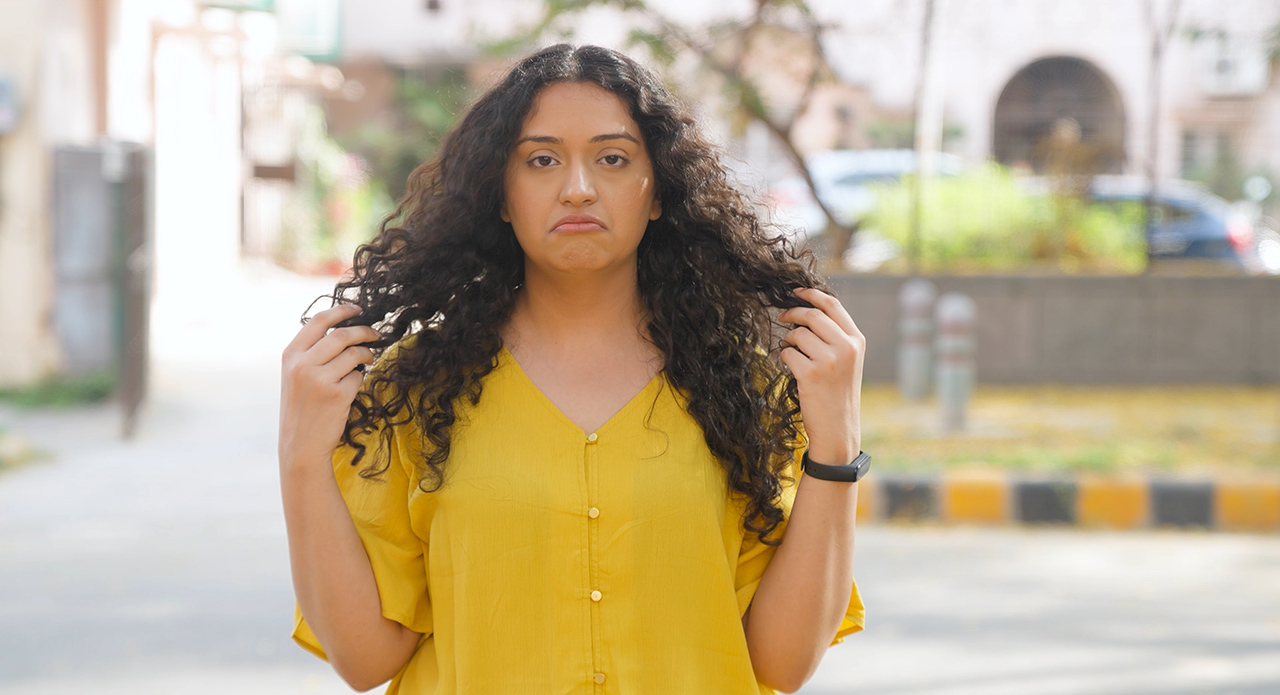


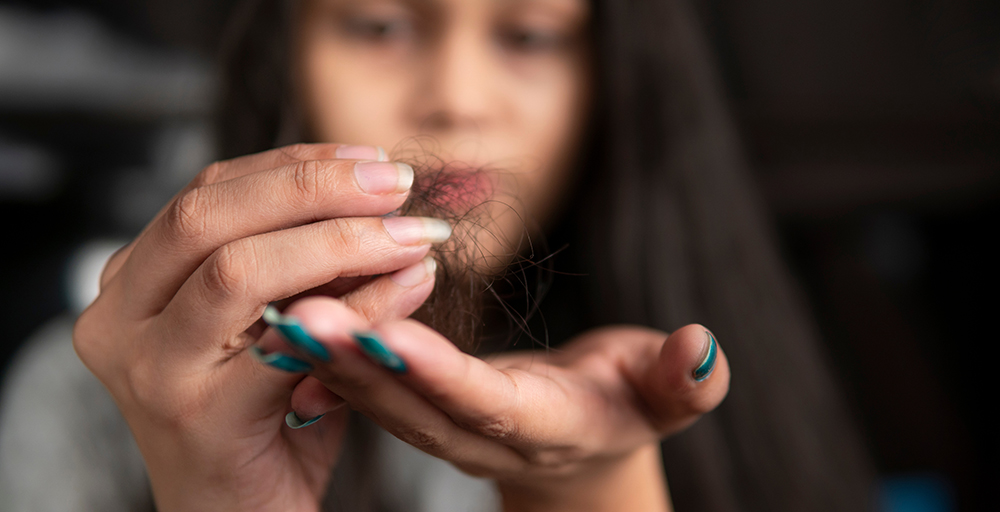
When temperatures in most parts of the country climb to 43, 45 degrees, as is the case now, dermatology clinics start filling up with people worried about hair loss. The evidence tends to be the same across the board. More strands on pillows, clumps in hairbrushes, hair swirling down the shower drain. Heat and sweat take the blame almost immediately. But while they play a role, the full picture is considerably more layered.
Sweat Isn’t The Direct Culprit
Sweat by itself doesn’t cause hair to fall out. The problem begins when it sits on the scalp and mixes with sebum, dust, and product residue. Warmer temperatures drive up oil production in the follicles, and when the scalp isn’t washed regularly, this combination can block follicles, trigger inflammation, and disrupt the hair growth cycle. Over time, layer upon layer of build-up creates conditions that steadily undermine what’s happening beneath the surface.
Also Read: Sweat-Proof Skincare: Why Summer Is The True Test Of A Routine?
Dandruff And Fungal Activity Worsen In The Heat
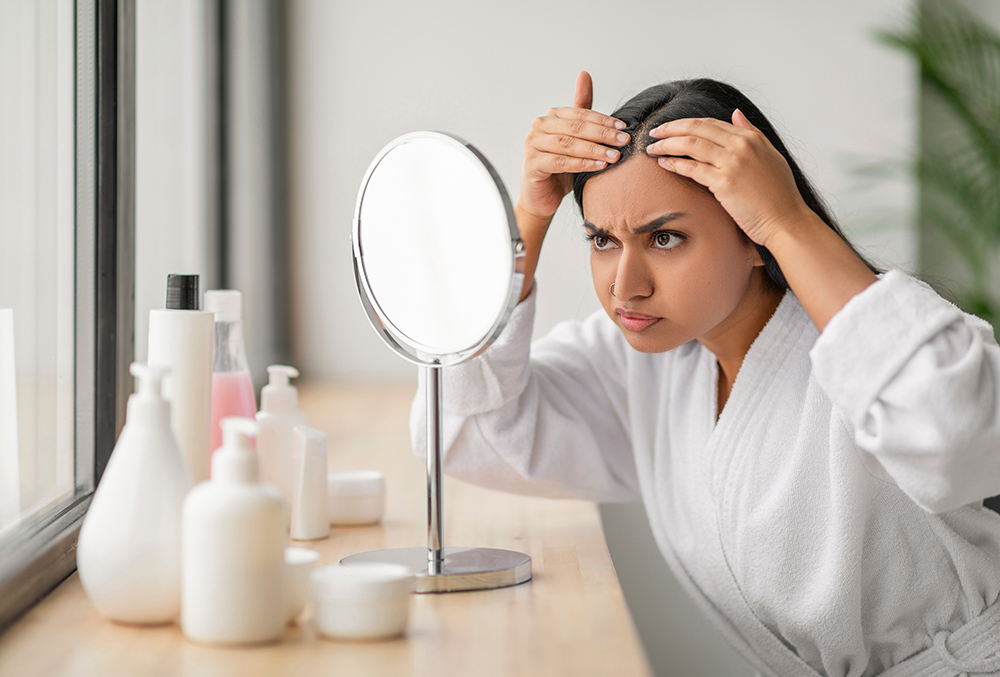
For people who already have seborrheic dermatitis, summer tends to make things worse. Humidity creates more favourable conditions for Malassezia, a yeast that naturally lives on the scalp but becomes problematic when it overgrows. The result is intensified itching, more visible flaking, and sometimes patchy redness. Persistent irritation from these flare-ups can trigger temporary, reactive hair loss, particularly in those with more sensitive skin.
Sun Exposure Damages The Hair Shaft Itself
UV exposure takes a toll on more than just the skin. Prolonged sun exposure breaks down the outer protective layer of each hair strand, leaving fibres rough, brittle, and prone to snapping. What looks like hair falling out at the root is often mid-shaft breakage, a different kind of damage, but one that gets counted in the same pile of fallen strands and misread as shedding.
The Seasonal Shift In The Hair Growth Cycle
Some people lose noticeably more hair in summer for a reason that has nothing to do with heat or scalp health. Hair naturally cycles through phases of growth, rest, and shedding. A larger proportion of follicles shift into the resting phase during summer months, which means more strands are released around the same time. This seasonal shedding is a recognised pattern, and in most cases the hair returns to its normal density without any intervention.
Summer Hair Care: Keeping It Simple
When temperatures hit 43, 45 degrees, hair care tends to be the last thing on anyone’s mind. But it needs urgent care. Here’s how you can protect your hair in peak summer months.
Tie Your Hair
Loose hair in direct sunlight takes a beating. Tying it up in a braid, a bun, a simple knot gives your scalp some protection and cuts down on the breakage and fall that tend to creep up through the warmer months. It’s a small habit that makes a noticeable difference over time.
Go Easy On Heat Styling
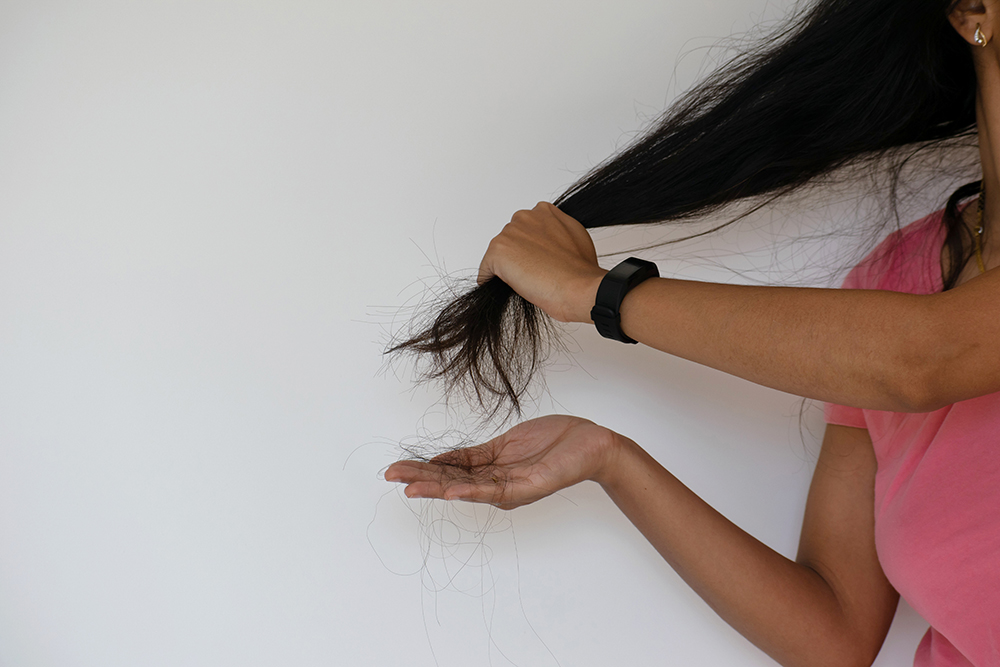
Straighteners, blow dryers, and curling irons are worth putting aside as much as possible in this extreme heat. Summer already brings enough heat without adding more to strands that are already stressed. Letting your hair air dry and settling into natural styles isn’t just practical, it actually keeps things healthier in the long run.
Hydrate, Hydrate, Hydrate
Hair follicles need adequate hydration to work properly, and three to four litres a day is a reasonable target, more if you’re spending time outdoors. Unlike skin, hair can’t repair itself, so damage that happens tends to stay. That makes prevention the only real strategy.
Keep Haircare Products Light
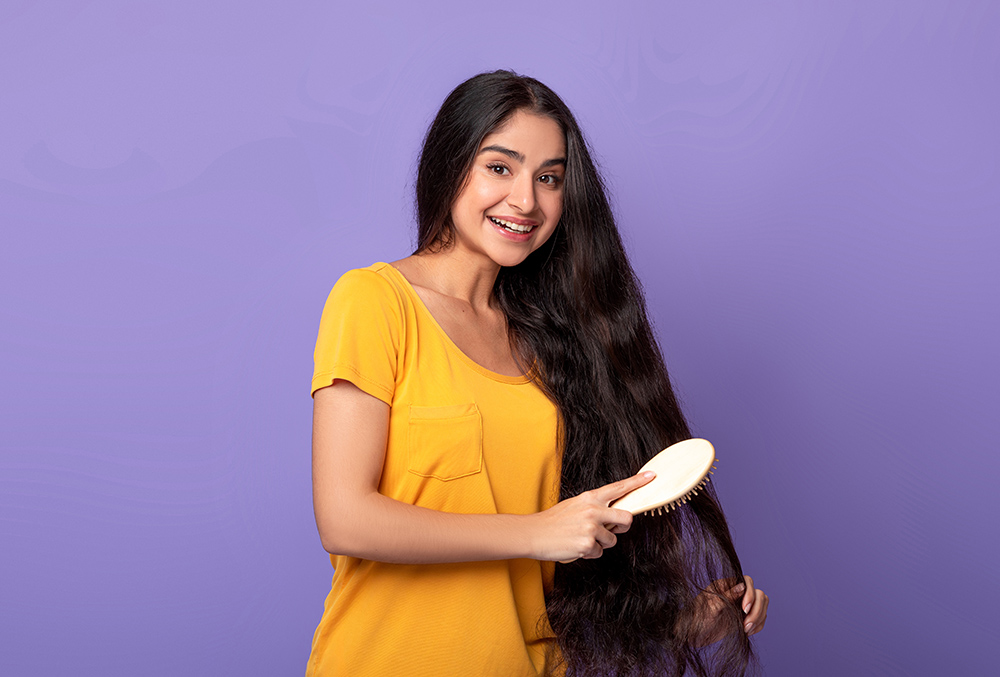
Anything too heavy will feel suffocating in the humidity. Look for glycerin, hyaluronic acid, or natural oils – ingredients that add moisture without leaving hair flat or greasy.
Mask And Condition Regularly
A weekly mask does a lot to undo summer damage. Coconut oil, curd, and honey are solid options depending on what your hair needs. Dry hair is especially porous, which works in your favour here. It absorbs conditioning treatments readily. Sulphate-free leave-in products keep moisture in without stripping anything away. Regular deep conditioning also helps with an itchy scalp, which is common when sweat and build-up accumulate through the season.
Dr. Gaurav Garg is a Consultant Dermatologist, Hair Transplant Surgeon & Dermato-Surgeon, Founder and Director of Dermalife Skin and Hair Clinic, New Delhi