

There was a time when wellness was largely aspirational. A celebrity-backed green powder, a trending gummy vitamin, or a supplement endorsed by an influencer with glowing skin was enough to drive consumer trust. But today’s wellness consumer is evolving rapidly, and so is the definition of status within the category. Increasingly, luxury in wellness is no longer about access to the most expensive product or the most aesthetically packaged supplement. It is about knowledge. More specifically, ingredient literacy.
What Is Ingredient Literacy
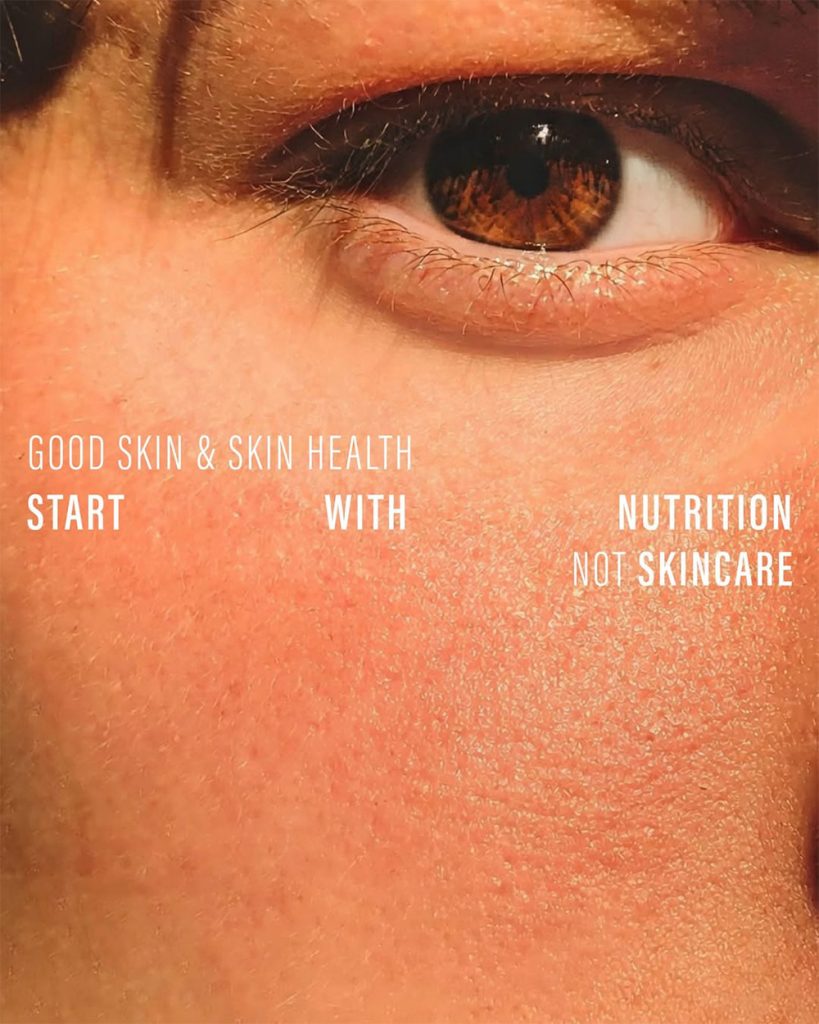
Consumers today are reading labels with the same scrutiny once reserved for luxury skincare or fine dining menus. They are questioning dosages, asking about bioavailability, researching ingredient sourcing, and comparing formulations before making a purchase. The modern consumer no longer wants to be sold a dream; they want to understand the science behind the promise.
This shift has been brewing quietly for years but accelerated dramatically post-pandemic. Preventive health entered mainstream conversations, and with it came a heightened awareness of what people were putting into their bodies. Suddenly, terms like magnesium glycinate, methylated B-vitamins, marine collagen peptides, adaptogens, and probiotics became part of everyday vocabulary.
We No Longer Trust Brands Blindly And That’s Good
In many ways, ingredient literacy has become the new form of cultural capital in wellness. This mirrors broader shifts happening across luxury industries globally. Today’s luxury consumer values transparency, provenance, and depth of knowledge. Whether it is fashion, skincare, food, or hospitality, modern luxury is increasingly rooted in discernment rather than excess. Wellness is no different.
One of the biggest drivers of this shift is fatigue with influencer-led wellness culture. Consumers have become more sceptical of exaggerated claims, miracle transformations, and trend-driven marketing cycles. The era of blindly trusting “must-have” products is beginning to lose relevance, particularly among younger, digitally savvy audiences.
Also Read: Expert Speak: Why Retinol Is The Secret To Glow, Renewal And Skin Repair
What’s Really In Your Moisturiser
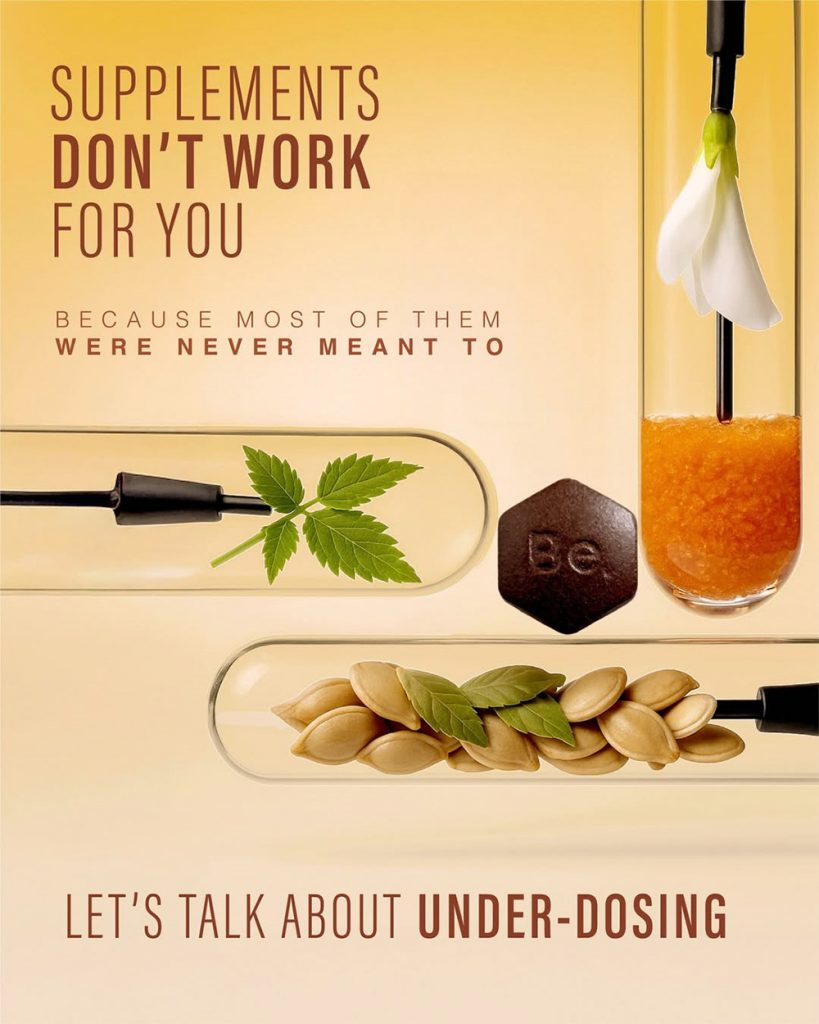
There is also a growing understanding that wellness outcomes are deeply tied to formulation quality, not just ingredient presence. A label may list a trending ingredient, but consumers are increasingly asking the more important question: Is there enough of it to actually work? This focus on clinically relevant dosages represents a major evolution in consumer behaviour. The conversation is no longer just about what is inside a product, but how much, what form, and whether the body can absorb it effectively.
This is particularly important in the nutraceutical space, where underdosed products and marketing-led formulations have historically dominated the market. For years, the industry relied heavily on halo ingredients, adding trace amounts of trending actives simply for label appeal. But consumers are becoming far more sophisticated. They are recognising that efficacy cannot be built through branding alone. Real outcomes require scientific rigour, logical formulation, and long-term consistency.

The New Wellness Status Symbol
There is also a psychological dimension to this trend. Ingredient literacy creates a sense of agency. Consumers feel more empowered when they understand the mechanisms behind their routines. Wellness stops being aspirational theatre and becomes a conscious, informed investment in long-term health. The category is beginning to move beyond vanity metrics and superficial trends into something more enduring.
Luxury wellness, therefore, is increasingly defined by credibility. The brands and voices that will lead the next decade are not necessarily the loudest, but the most transparent. Consumers are rewarding brands that simplify complex science without diluting it, that explain rather than exaggerate, and that prioritise measurable outcomes over viral moments.
Atul Rajani is the Founder and Chief Formulation Office at Be.