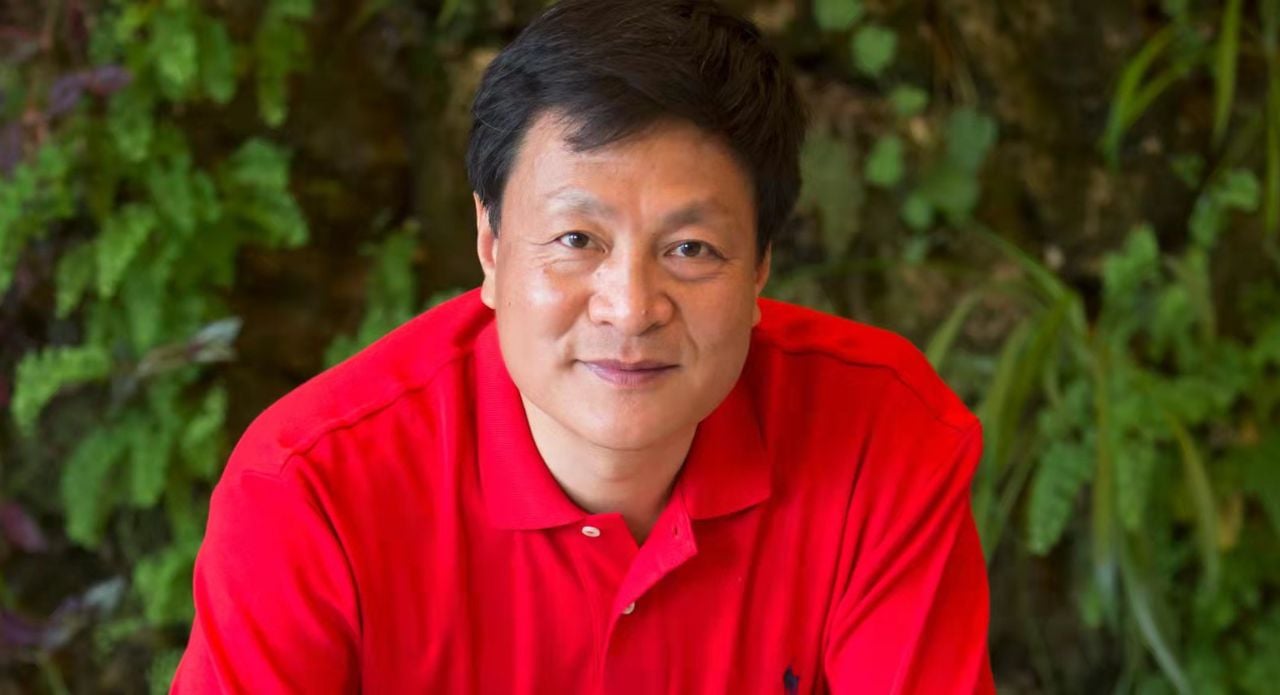


Cities, traditionally speaking, have never been particularly good at listening to nature. They pave over rivers, flatten wetlands, chop down forests and then spend billions wondering why they flood every monsoon. It is a bit like smashing a watch with a hammer and then blaming timekeeping when it stops working. Yet amid the relentless rise of glass towers and concrete landscapes, one man has spent decades arguing that cities should stop fighting nature and start working with it. That man is Kongjian Yu. Widely regarded as one of the most influential landscape architects of the modern era, Yu has transformed the conversation around sustainable cities, proving that ecological intelligence can be every bit as powerful as engineering muscle.
From Rural Fields To Global Influence
Born in rural China, Kongjian Yu grew up surrounded by agricultural landscapes, rivers and natural systems that would later shape his philosophy. Unlike many urban planners who approached cities through architecture or engineering, Yu looked at them through the lens of ecology. After studying landscape architecture and earning advanced degrees, including at Harvard University, he returned with a conviction that cities had fundamentally misunderstood their relationship with the environment. Instead of treating water as an enemy to be controlled, he argued it should be welcomed. Instead of burying natural systems beneath roads and buildings, he believed they should form the foundation of urban design. At the time, these ideas sounded almost radical. Today, they are becoming global best practice.
Also Read: Odile Decq: The French Architect Known For Breaking Rules And Pushing Boundaries
The Sponge City Revolution
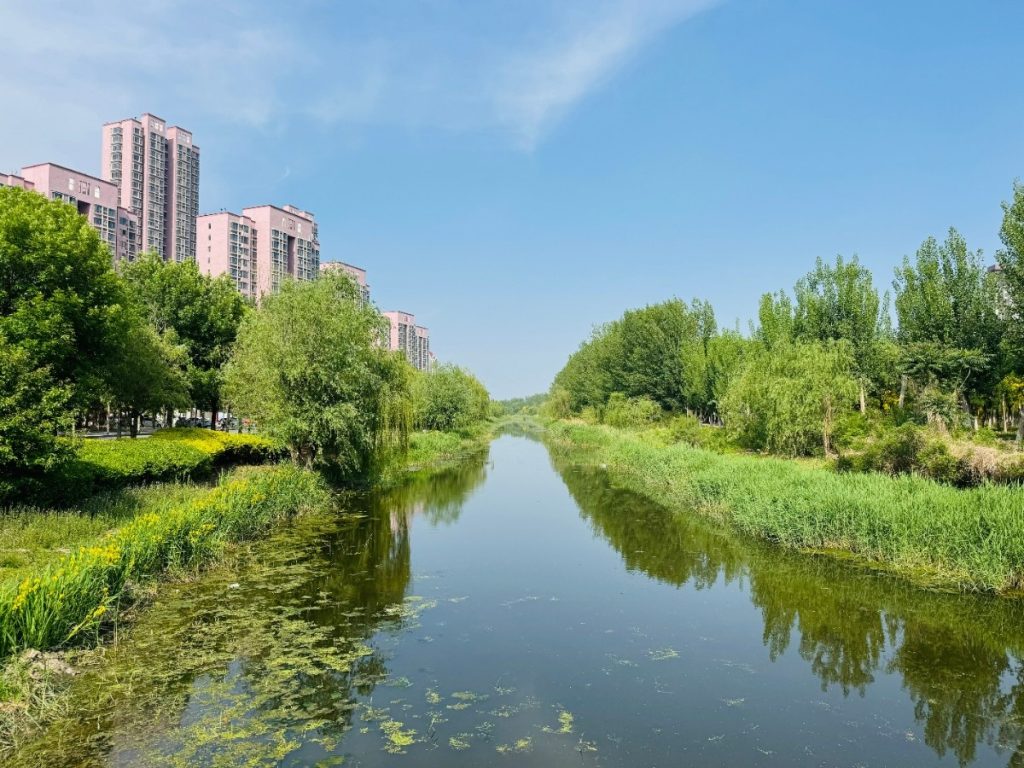
If there is one concept most closely associated with Kongjian Yu, it is the idea of the Sponge City. The principle is remarkably simple. Rather than relying solely on concrete drainage systems, cities should absorb, store and naturally filter rainwater through wetlands, parks, permeable surfaces and restored waterways. Think of a sponge dropped into water. It absorbs, retains and gradually releases moisture. Yu believed cities should behave in much the same way. The approach addresses several challenges simultaneously. It reduces flooding, improves groundwater recharge, enhances biodiversity, lowers urban temperatures and creates attractive public spaces. In a world increasingly affected by climate change and extreme weather events, the concept has become one of the most important innovations in contemporary urban planning.
Also Read: From Music Venues To Masterpieces: The World’s Most Iconic Concert Halls
Turning Infrastructure Into Living Landscapes
Perhaps the most remarkable aspect of Yu’s work is that it rarely looks like traditional infrastructure. His projects transform flood-control systems into public parks, wetlands into recreational destinations and ecological corridors into civic landmarks. Rather than hiding environmental functions behind fences and concrete barriers, he places them at the centre of urban life. Across China, degraded rivers have been restored into vibrant waterfront landscapes. Former industrial zones have been reimagined as ecological parks. Flood-prone areas have become dynamic public spaces capable of adapting to changing water levels. These projects are not simply beautiful. They perform critical environmental functions while improving quality of life. In essence, Yu has demonstrated that sustainability does not require sacrificing aesthetics. Quite the opposite.
The Future Of Urban Living
The greatest architects often leave behind iconic buildings. The greatest planners leave behind functioning cities. Kongjian Yu belongs firmly in the latter category. His vision challenges one of the most persistent assumptions of modern urban development: that progress requires conquering nature. Instead, he suggests something far more sophisticated. Progress comes from understanding it. As climate pressures intensify and cities continue to expand, the lessons embedded in his landscapes are becoming impossible to ignore. Because the cities of the future may not be defined by taller skyscrapers or faster roads. They may be defined by something much smarter. The ability to work with nature rather than against it. And few people have demonstrated that principle more convincingly than Kongjian Yu.