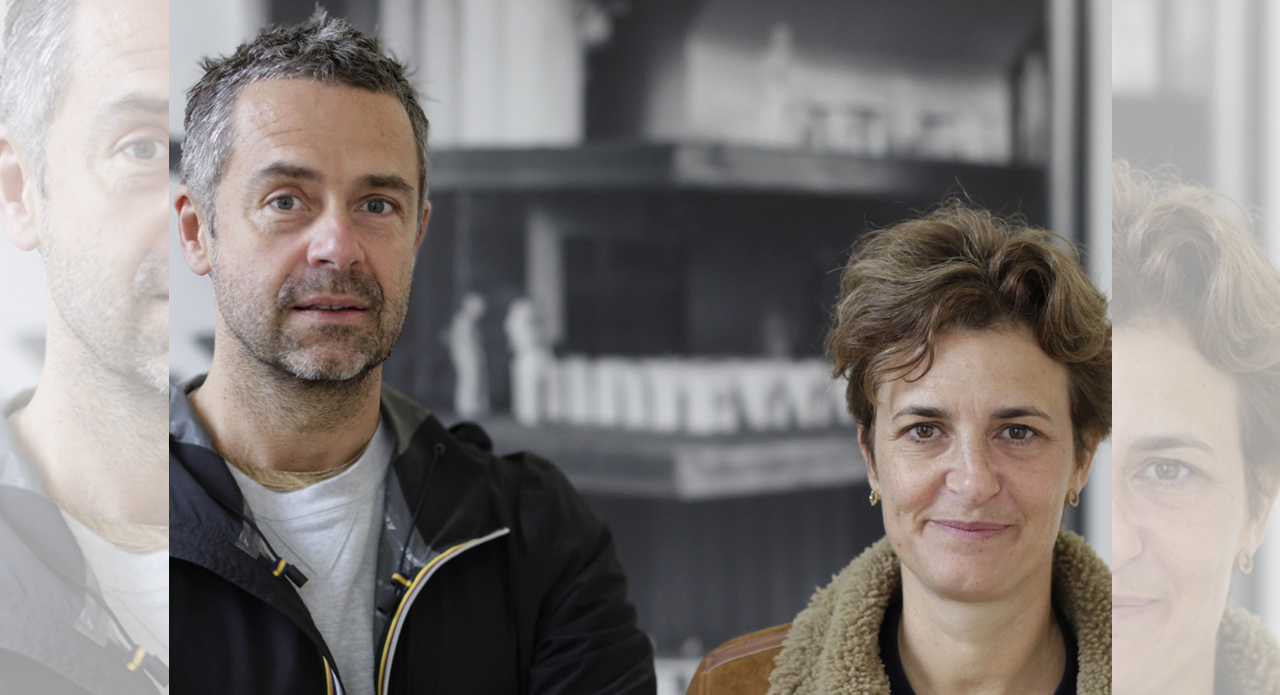


Stand before a Bruther building and you realise you have been looking for something that isn’t there. There is no cladding to soften the edges, no decorative flourish to flatter the eye, no polite mask over the machinery of construction. What you find instead is structure, honestly stated, and a compelling beauty that seems to arrive precisely because nothing was done to summon it. This is the world of Stéphanie Bru and Alexandre Theriot, two French architects who have spent nearly two decades asking an uncomfortable question: what if buildings were simply allowed to be themselves?
They belong to a generation of French architects determined to question the conventions they inherited. Both studied architecture in Paris, absorbing the discipline’s traditions and its weighty expectations about proportion, ornament and polish. Rather than reproduce them, they founded Bruther in 2007 and set about developing a language of their own, one that embraces the industrial and strips buildings of almost everything unnecessary. Where others preferred to hide the raw bones of construction, they chose to expose them.
Also Read: The Sacred In Architecture: The Lifelong Vision Of Paolo Portoghesi
Behind that choice lies something more thoughtful than austerity. Bruther’s ambition is to design buildings capable of accommodating lives and uses that no one, including the architects themselves, can entirely predict. A building is commissioned for a particular purpose, but purposes change. The tailored interior that once seemed perfect can become a straitjacket. By removing the superfluous and leaving generous, open space, the pair build in a kind of freedom. The architecture doesn’t dictate how it should be lived in. It waits.
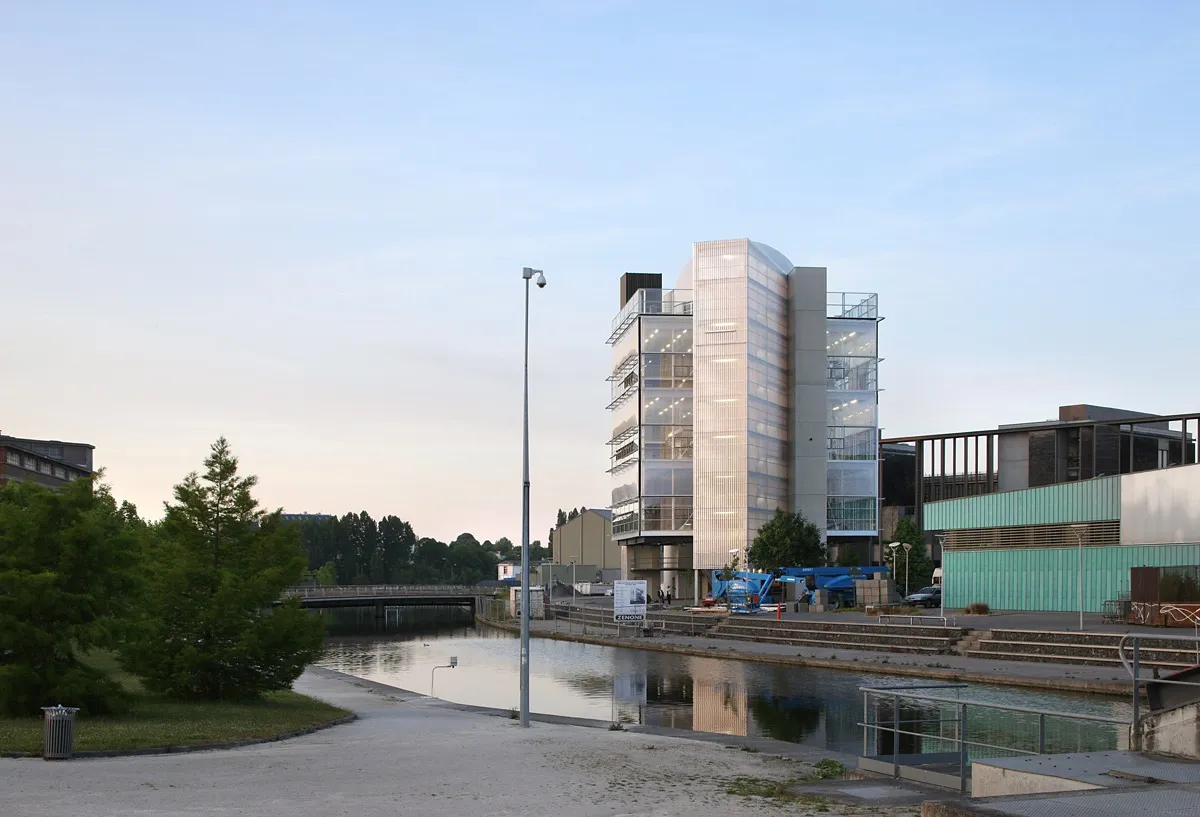
Nowhere is this clearer than at the New Generation Research Center in Caen, where the radical aesthetic becomes almost confrontational. An immense exposed structure rises above the city, its scale and rawness giving the building an unusually powerful presence. It makes no attempt to charm. Yet inside that muscular frame lie generous spaces where scientific research can evolve without being confined by rigid architectural arrangements. Science rarely follows a tidy plan, and the questions asked in a laboratory today may demand entirely different rooms tomorrow. Here the structure is the constant, and everything else is free to change.
Also Read: Six Architect Friends Rethinking How Spain Lives Together
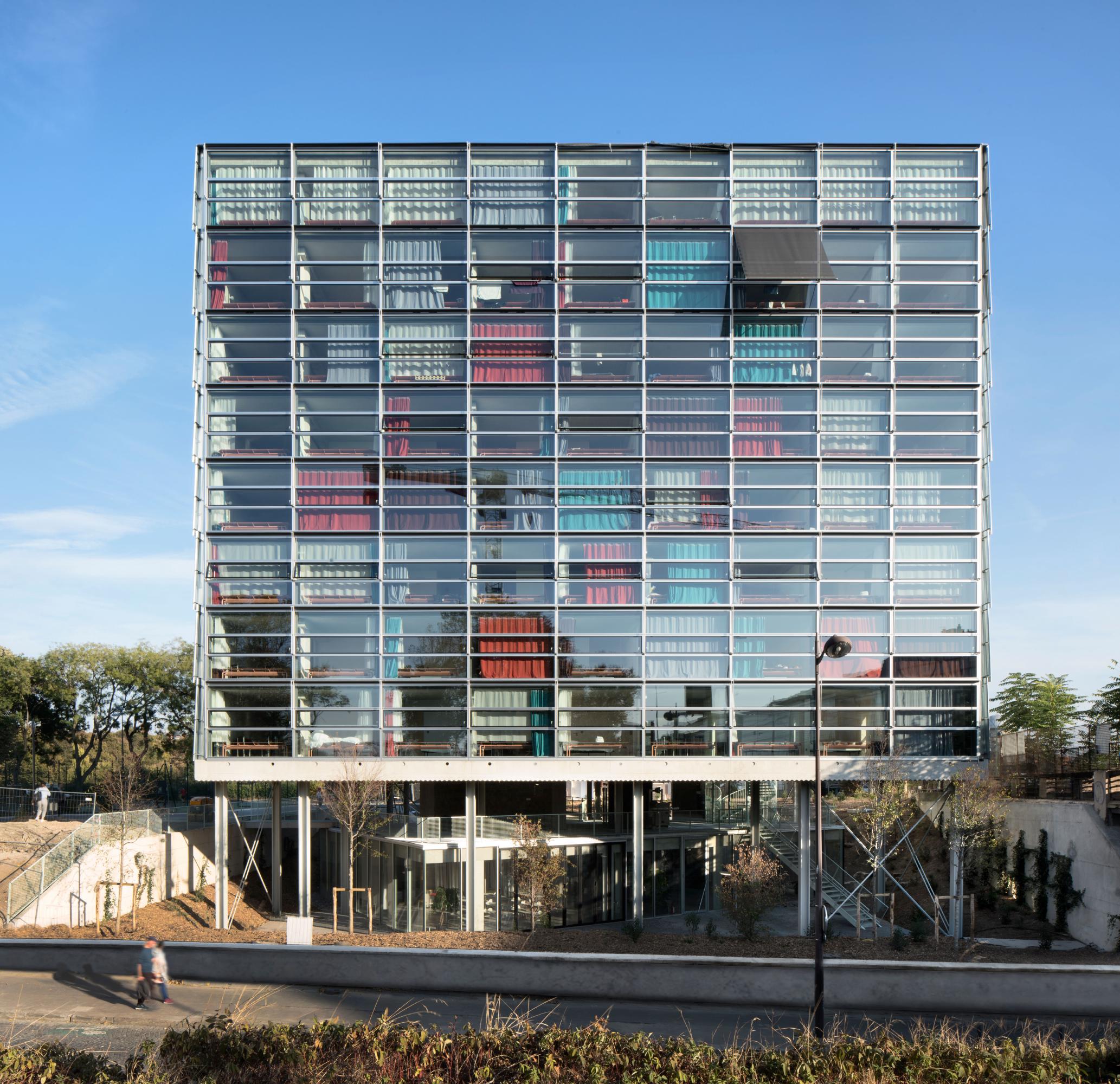
At the Student Residence and Reversible Car Park in Saclay, designed with Baukunst, the same freedom takes another form. The name itself hints at the idea: a car park that can be converted and given a new life when the need for parking fades. A striking ribbon-like staircase winds through the structure, lending it a sculptural drama that belies its industrial appearance. Behind that appearance, student life unfolds within a building already prepared for a future beyond its original use. It is a quietly radical proposition at a time when demolition and rebuilding remain the default response to change: design the building so it never has to be thrown away.
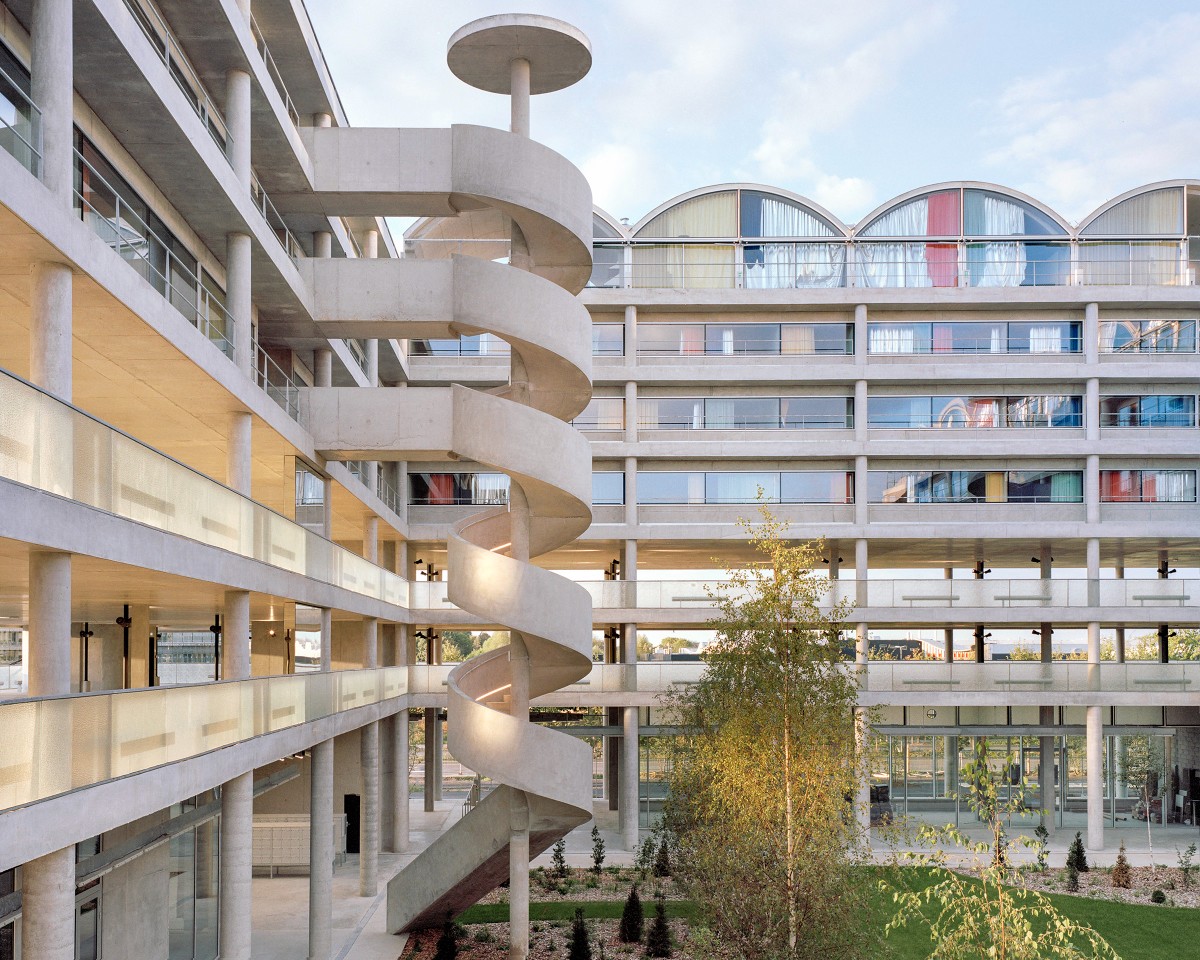
This is the rebellion at the heart of Bruther’s work, a challenge to the long-held idea that beauty must be carefully dressed. For generations, architecture has often equated the beautiful with the finished, the refined and the concealed. Bru and Theriot suggest otherwise. In their hands, beauty emerges from clarity, from proportion and from a structure confident enough to be seen. They leave room for life to change, accepting that the people who inhabit a building today may have very different needs tomorrow.
There is something deeply contemporary in that humility, a willingness to let architecture remain open to the unknown rather than pretending to have all the answers. In an era preoccupied with resources, adaptability and the cost of building anew, their approach feels less like provocation than prescience. This French duo remind us that even in the 21st Century, extraordinary architectural beauty can still emerge from almost nothing. And sometimes the bravest thing an architect can do is leave something out.