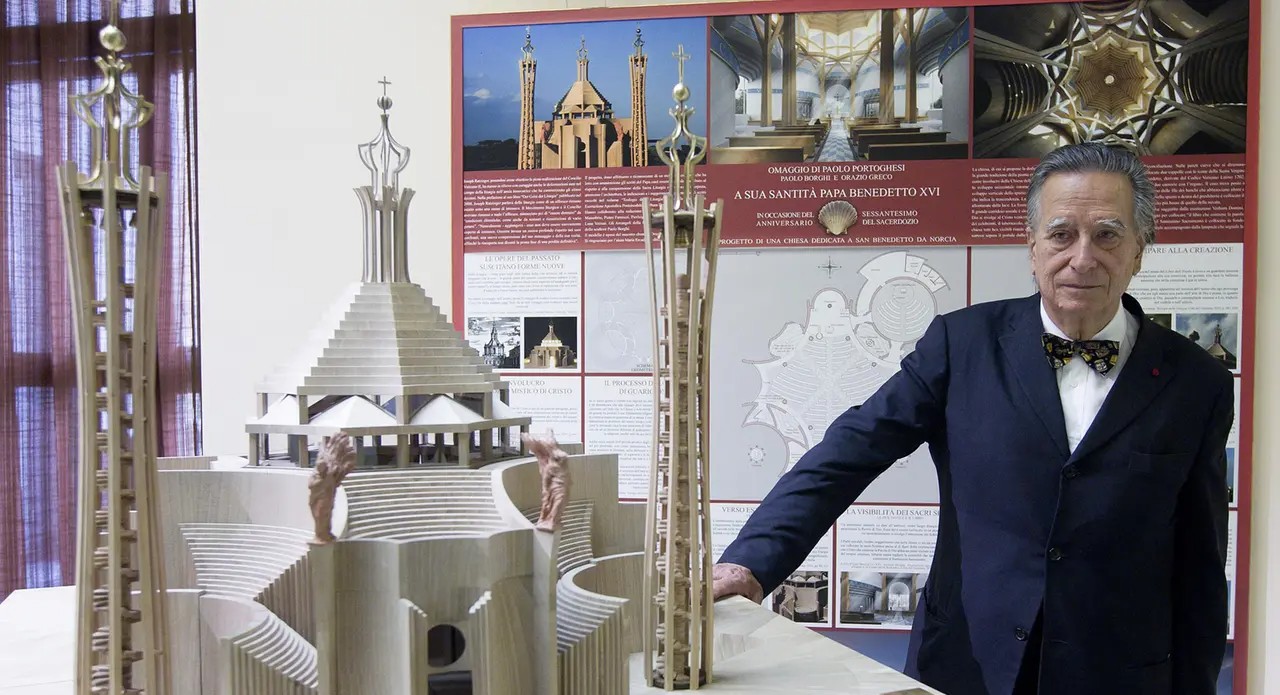


For Paolo Portoghesi, architecture began with a question that was larger than architecture itself. Growing up in Rome, he encountered the city’s churches, piazzas and layered history at an early age, but it was the Baroque imagination of Francesco Borromini that left a particularly deep impression. Borromini’s ability to transform stone, geometry and light into something almost spiritual would remain an important reference throughout Portoghesi’s career.
Born in Rome in 1931, Portoghesi went on to become one of Italy’s most distinctive architects, historians and theorists. His career unfolded during a period when modernism was reshaping European cities, yet Portoghesi remained deeply interested in memory, tradition and the emotional dimensions of architecture. For him, the past was not something architecture needed to escape. It could instead become a source of invention. This relationship between history and contemporary life became particularly powerful in his approach to sacred architecture. Portoghesi repeatedly explored how buildings could create a sense of community and give physical presence to something that could not be seen. His work moved between Catholic and Islamic traditions, demonstrating that the sacred could be expressed through different cultures while retaining a universal human dimension.
Holy Family Church, Salerno
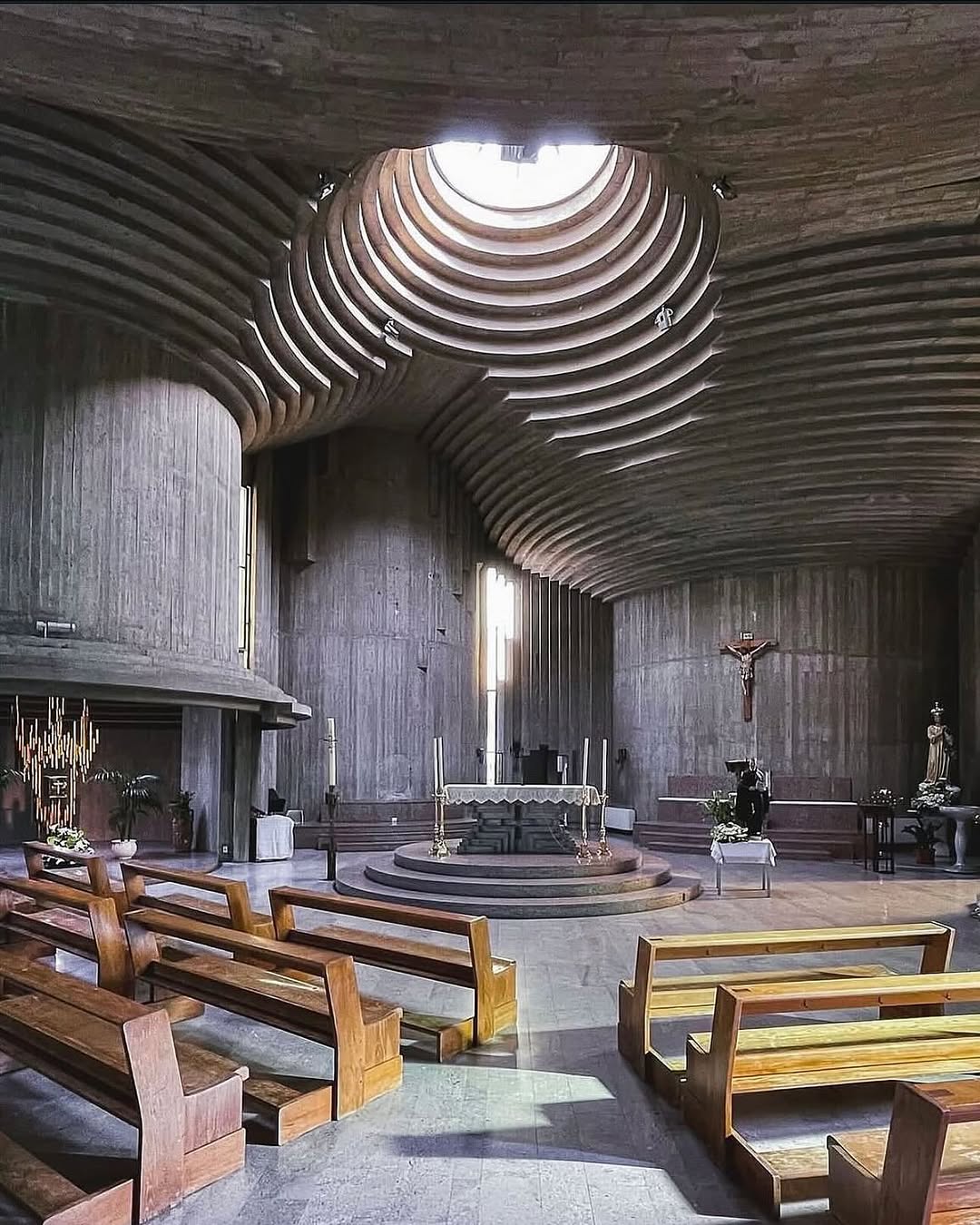
Among his most compelling religious projects is the Holy Family Church in Salerno, designed with architect Vittorio Gigliotti. Completed in the late twentieth century, the church reflects Portoghesi’s belief that worship should be experienced collectively rather than from a distant relationship between congregation and altar. The architectural arrangement brings the community closer to the centre of the liturgical experience. The altar becomes the focal point around which the congregation gathers, making proximity and participation central to the spatial composition. Rather than treating the church simply as a monumental object, Portoghesi approached it as a place shaped by the people who inhabit it. Geometry, movement and light work together to create an environment where architecture becomes part of the act of worship itself.
Also Read: Marta Maccaglia: The Italian Architect Transforming Lives Through Design in Peru
The Great Mosque of Rome
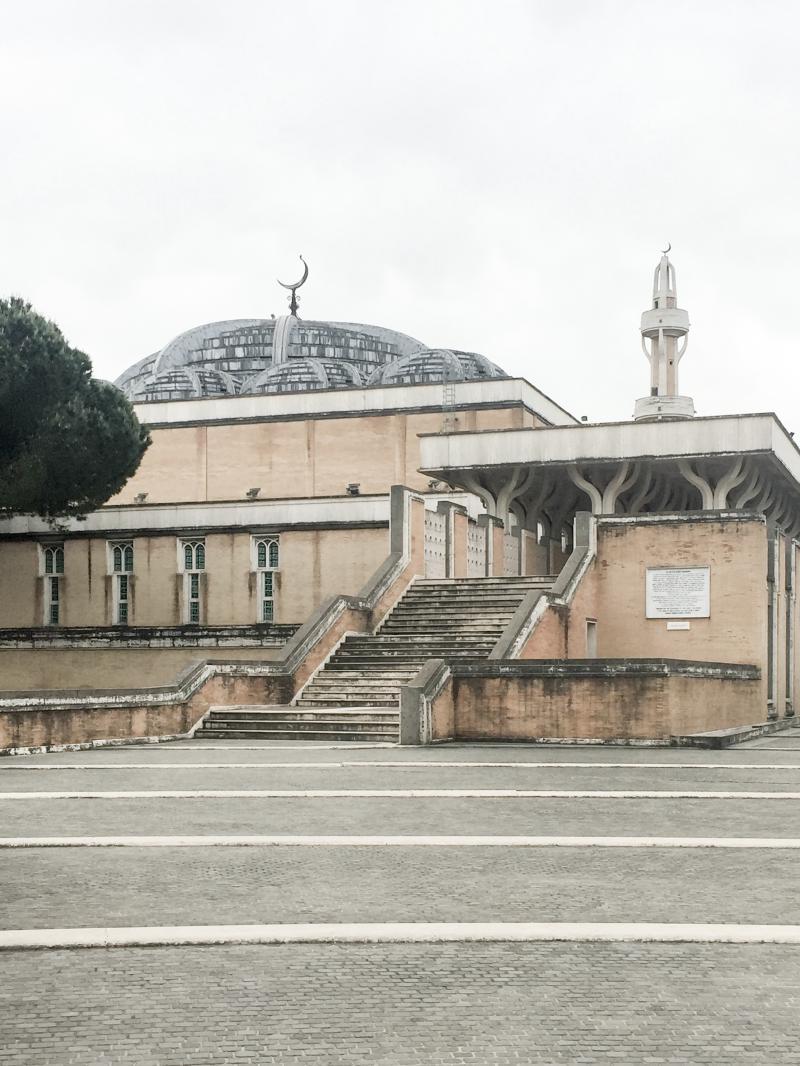
If the Holy Family Church represents Portoghesi’s exploration of Catholic sacred space, the Great Mosque of Rome demonstrates the remarkable breadth of his architectural thinking. Designed in collaboration with Vittorio Gigliotti and Sami Mousawi, the mosque became an important place of worship for Rome’s Muslim community. Its architecture brings Islamic architectural traditions into dialogue with Portoghesi’s own understanding of space, rhythm and materiality.
The complex is notable for its relationship with the surrounding landscape. Rather than relying exclusively on monumental scale, the design uses courtyards, arches, columns and carefully controlled light to create an atmosphere of contemplation. It is architecture that acknowledges a different faith tradition while remaining unmistakably connected to Rome.
Santa Maria della Pace, Rome
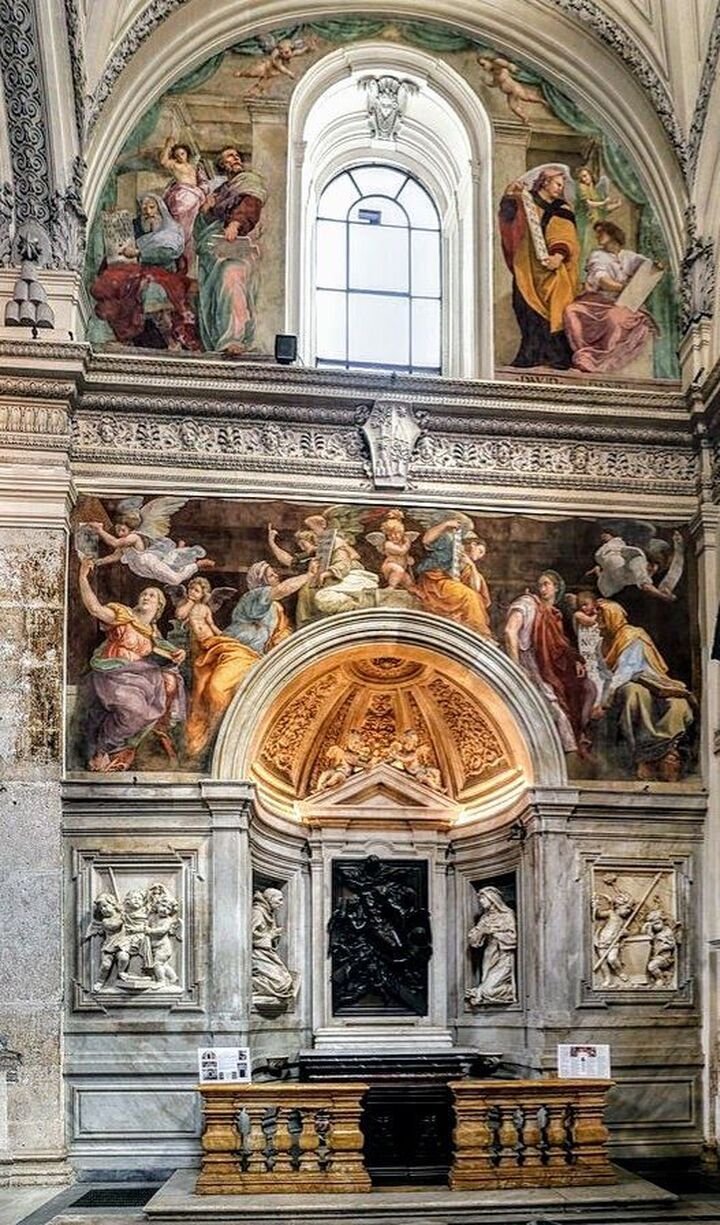
Santa Maria della Pace occupied a special place in Portoghesi’s relationship with Rome. The historic church itself dates back centuries, while the surrounding Piazza Santa Maria della Pace became an important reference point in his understanding of urban space. Portoghesi’s fascination with the historic city was never purely archaeological. He saw Rome as a living architectural organism in which buildings, streets, squares and memories constantly interacted. His writing and restoration work around historic architecture reflected this belief that contemporary architecture could engage with history rather than erase it.
Casa Baldi, Rome
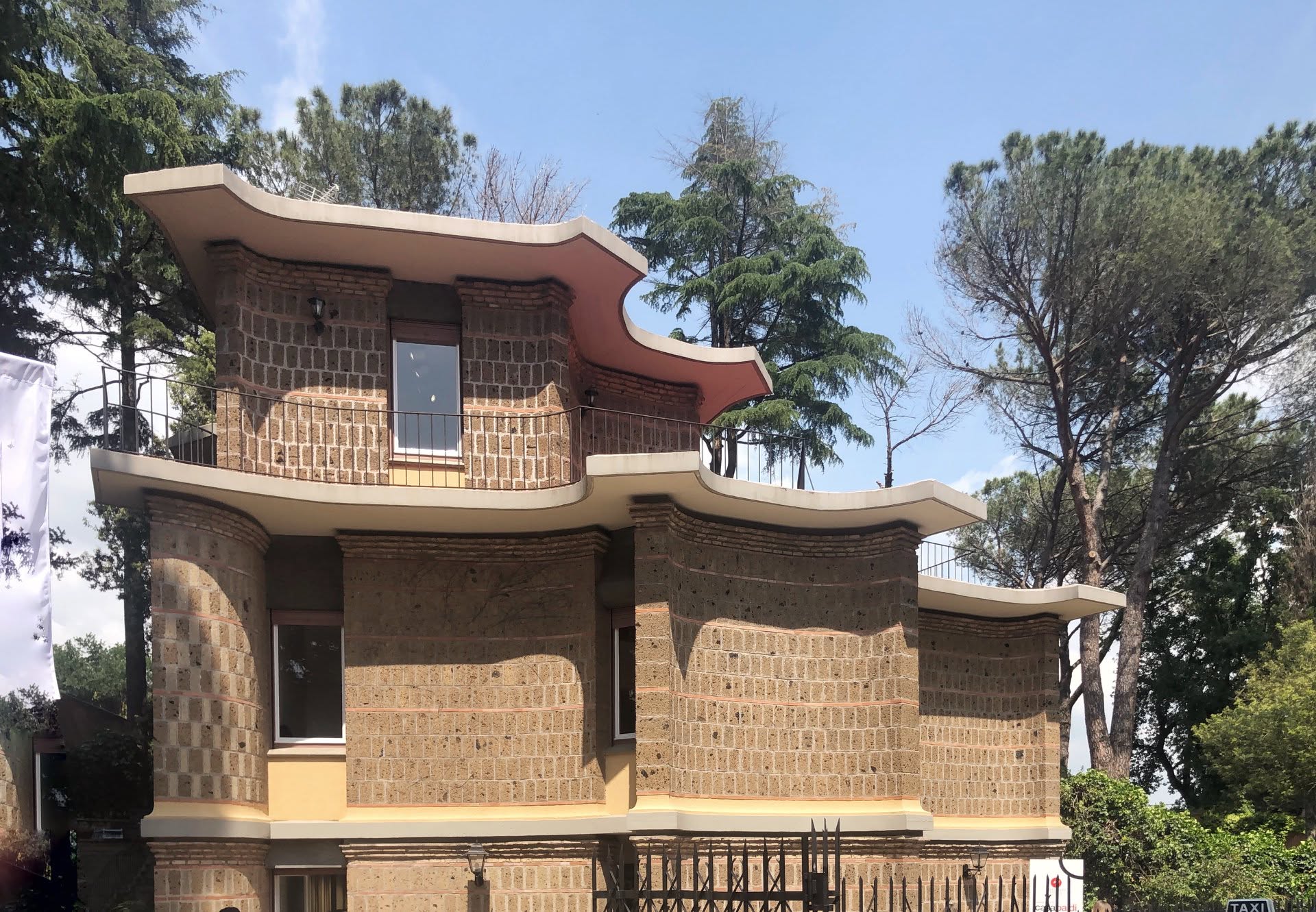
Casa Baldi is another revealing chapter in Portoghesi’s career. Designed in the 1960s, the house demonstrates his early willingness to move away from the rigid vocabulary of orthodox modernism. The building’s sculptural concrete forms, irregular geometry and relationship with its surroundings reveal an architect already searching for a more expressive architectural language. It is intimate rather than monumental, but its experimental character established ideas that would become increasingly important in Portoghesi’s later work. Casa Baldi also illustrates his belief that architecture could be rooted in place. Instead of producing an anonymous modern structure, Portoghesi created a building that responds to its landscape, history and Mediterranean context.
Strada Novissima And The Birth Of Postmodernism
Portoghesi’s influence extended far beyond individual buildings. In 1980, he curated the Venice Architecture Biennale exhibition The Presence of the Past, a landmark moment in the development of postmodern architecture. Its most famous component, Strada Novissima, brought together a series of architectural façades by international architects and challenged the dominance of modernist orthodoxy.
For Portoghesi, architecture needed memory, symbolism and cultural references. Buildings did not have to reject the past in order to be contemporary. That philosophy explains much of his work, including his sacred architecture. Whether working within Christian or Islamic traditions, Portoghesi searched for an architecture capable of connecting human beings with something larger than themselves. Until the final years of his life, he continued to return to the question of the sacred. His architecture suggests that spirituality need not be separated from modern life. Instead, it can inhabit courtyards, domes, concrete, light, geometry and the simple act of people gathering together.