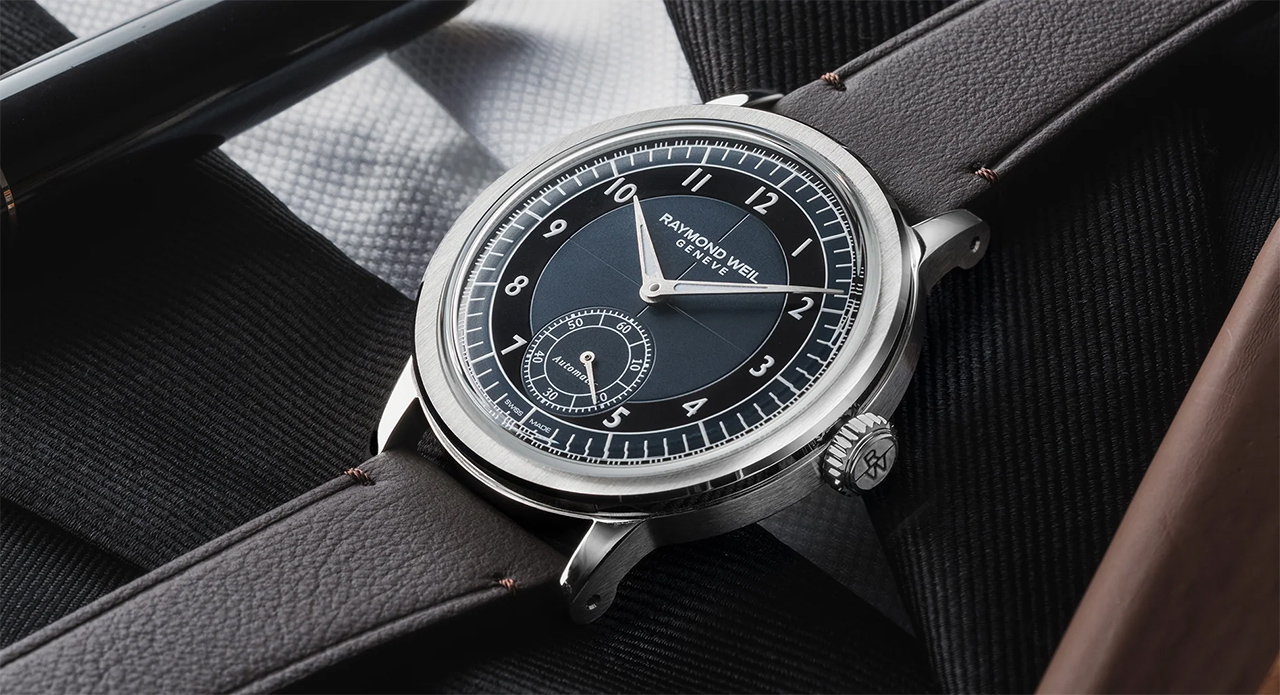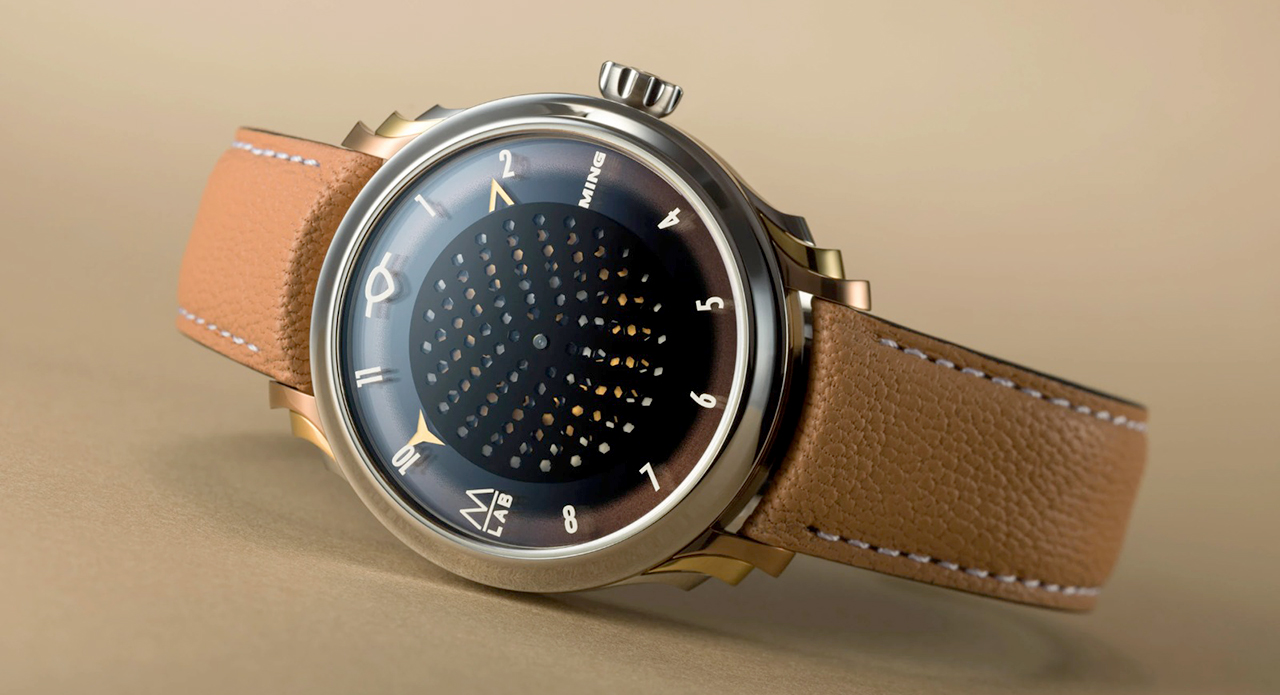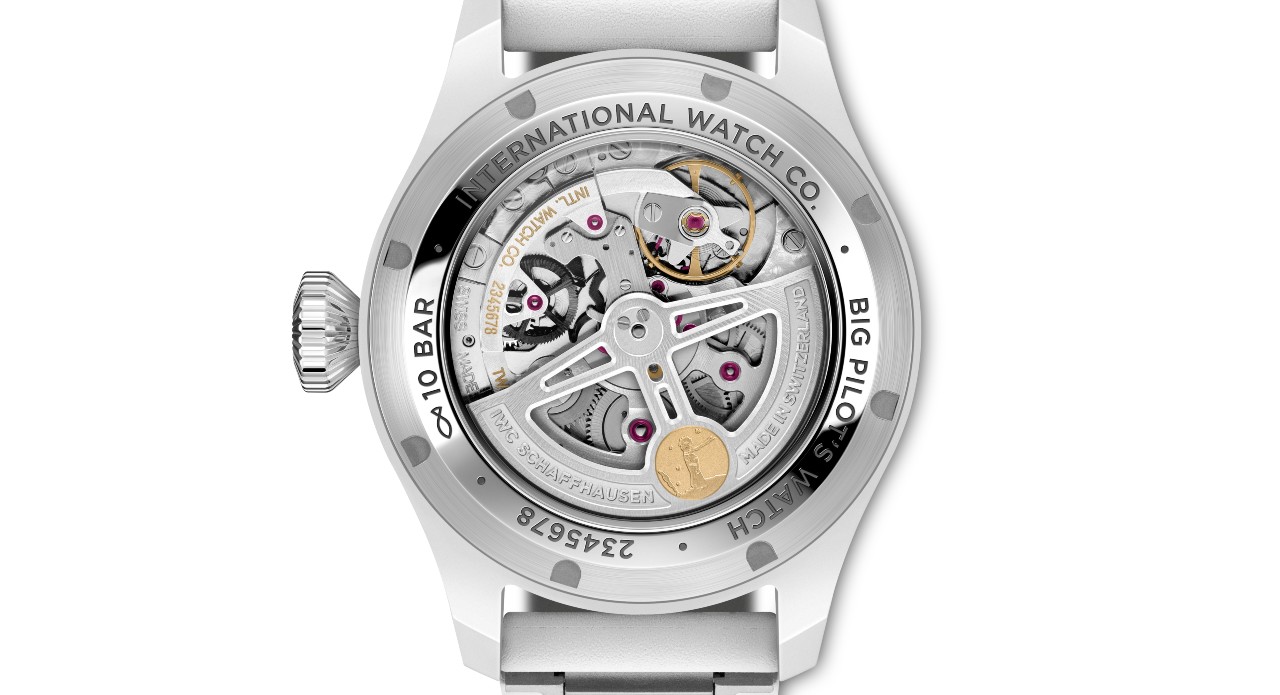


Take the caseback off a modern automatic watch and chances are you’ll see it immediately. A large semi-circular piece of metal swinging back and forth like a well-fed pendulum at a garden party. It isn’t particularly glamorous. It doesn’t chime, spin or perform any theatrical tricks. Yet without it, most modern luxury watches would require daily winding and a great deal more effort from their owners. This humble component is the central rotor, one of the most significant innovations in horological history. While collectors often obsess over tourbillons and perpetual calendars, the central rotor remains the unsung hero of modern watchmaking, silently converting the movement of your wrist into stored energy day after day.
The Birth Of The Automatic Watch
Before automatic movements arrived, every mechanical watch relied entirely on manual winding. Miss a day or two and your watch would simply stop. The quest for self-winding mechanisms began centuries ago, but the modern automatic wristwatch truly came into its own during the early twentieth century. In 1931, Rolex introduced its revolutionary Perpetual movement, featuring a centrally mounted rotor capable of rotating freely through 360 degrees.
It changed everything. Instead of requiring daily winding, the watch could now harvest energy from the wearer’s natural movements. Walking, driving, gesturing or simply living became enough to keep the mainspring charged. The concept was so effective that it remains the dominant solution nearly a century later.
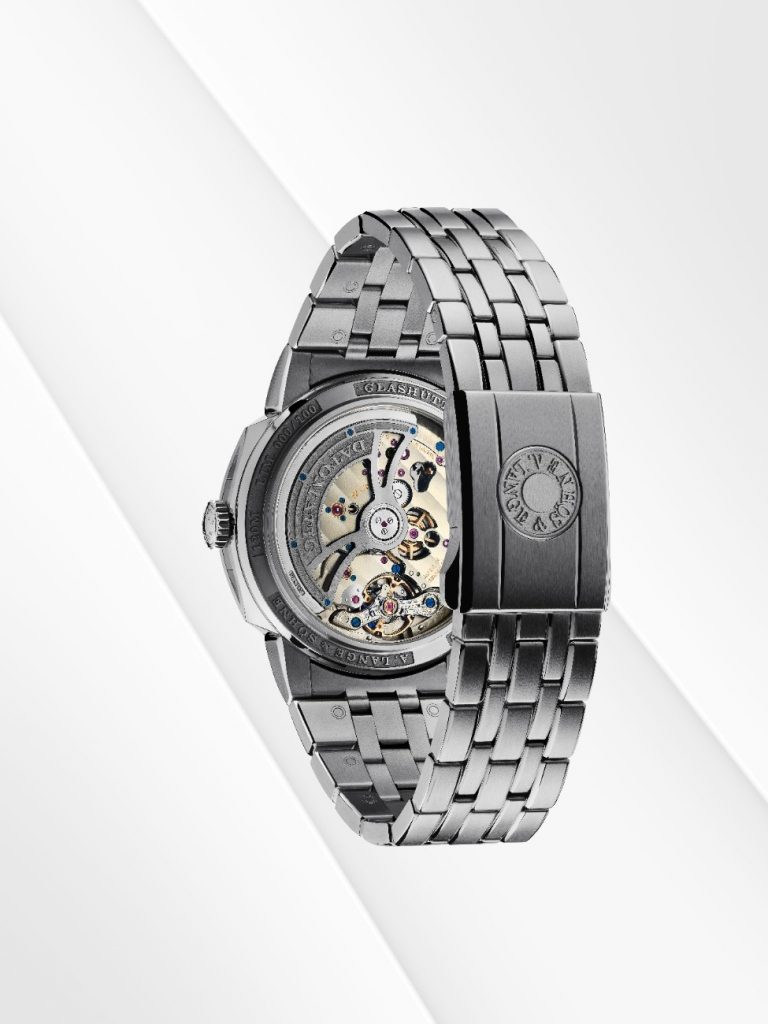
How A Central Rotor Works
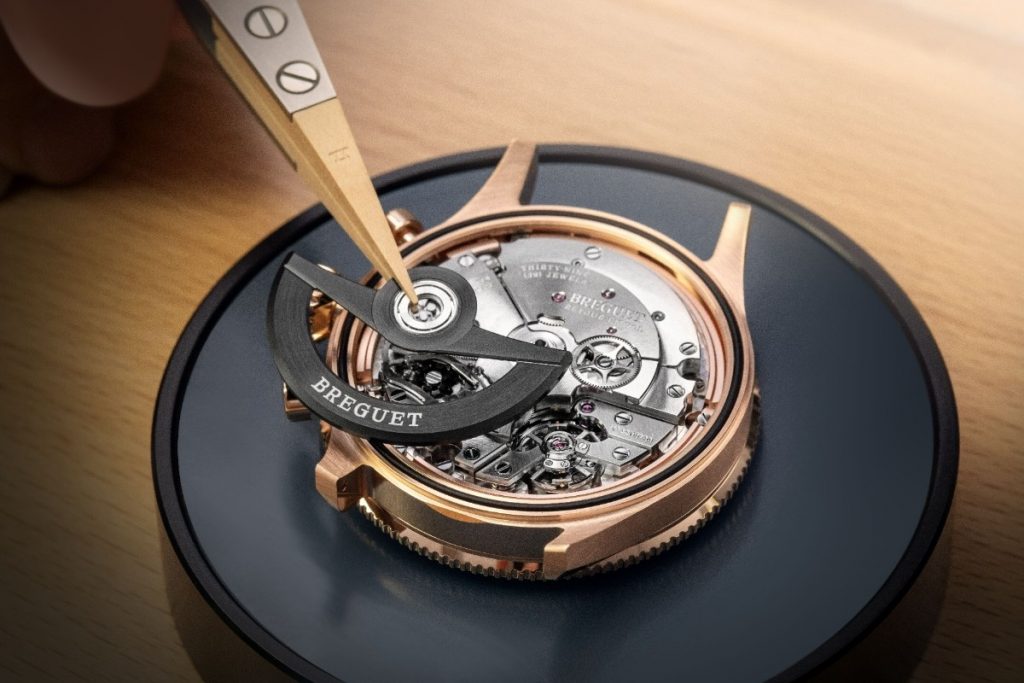
The principle is remarkably simple. Mounted at the centre of the movement, the rotor is a weighted semi-circular component designed to rotate as the watch moves. Every swing transfers energy through a series of gears into the mainspring barrel, gradually storing power. Because the weight sits furthest from the centre, even small wrist movements generate sufficient momentum to activate the winding system. Modern central rotors are typically crafted from tungsten, gold, platinum or other dense materials to maximise efficiency. The heavier the rotor, the more effectively it can convert motion into energy. It sounds simple because it is. But executing it reliably requires extraordinary engineering precision.

Why Central Rotors Became The Industry Standard
The success of the central rotor comes down to one thing: efficiency. A full-sized rotor provides excellent winding performance because its substantial mass generates considerable momentum. Even relatively inactive wearers can often maintain sufficient power reserve through normal daily use. The design is also durable, relatively easy to service and compatible with a vast range of movement architectures. This explains why most automatic watches, from entry-level Swiss models to six-figure haute horlogerie masterpieces, continue to rely on central rotor systems. Quite simply, they work exceptionally well.
How Central Rotors Compare To Micro-Rotors
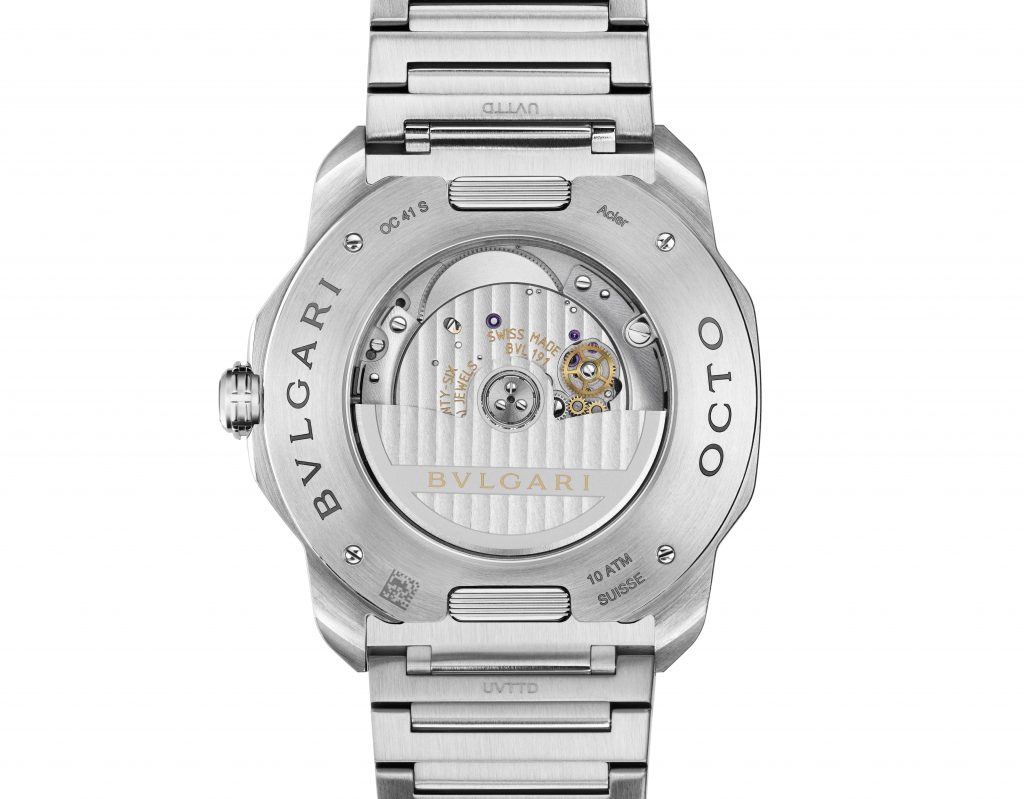
Of course, watchmakers are never content with simplicity. The micro-rotor was developed as an alternative solution. Instead of sitting above the movement, the rotor is integrated directly into the movement plate itself. The advantage is obvious. The movement becomes significantly thinner, allowing for more elegant watch designs and unobstructed views of the finishing through the caseback. Brands such as Patek Philippe, Bulgari and Laurent Ferrier have produced exceptional micro-rotor movements. The drawback is efficiency. Because micro-rotors are smaller and lighter, they generally generate less winding power than traditional central rotors. Watchmakers often compensate by using dense materials such as platinum or gold.
Also Read: Manual-Winding Movements Without A Rotor: The Essence Of Traditional Watchmaking
Why The Central Rotor Still Dominates
Despite innovations in micro-rotors, peripheral systems and hybrid winding technologies, the central rotor remains the benchmark. It offers excellent efficiency, proven reliability, robust construction and relatively straightforward servicing. It may not be the most exotic solution, nor the most visually dramatic, but it continues to deliver exactly what watchmakers and collectors demand. Nearly a century after its widespread adoption, it remains one of the greatest engineering achievements in mechanical watchmaking. Because sometimes the most important innovations are not the loudest. They are the ones quietly doing their job every single day, hidden beneath the caseback, ensuring that the watch on your wrist never misses a beat.