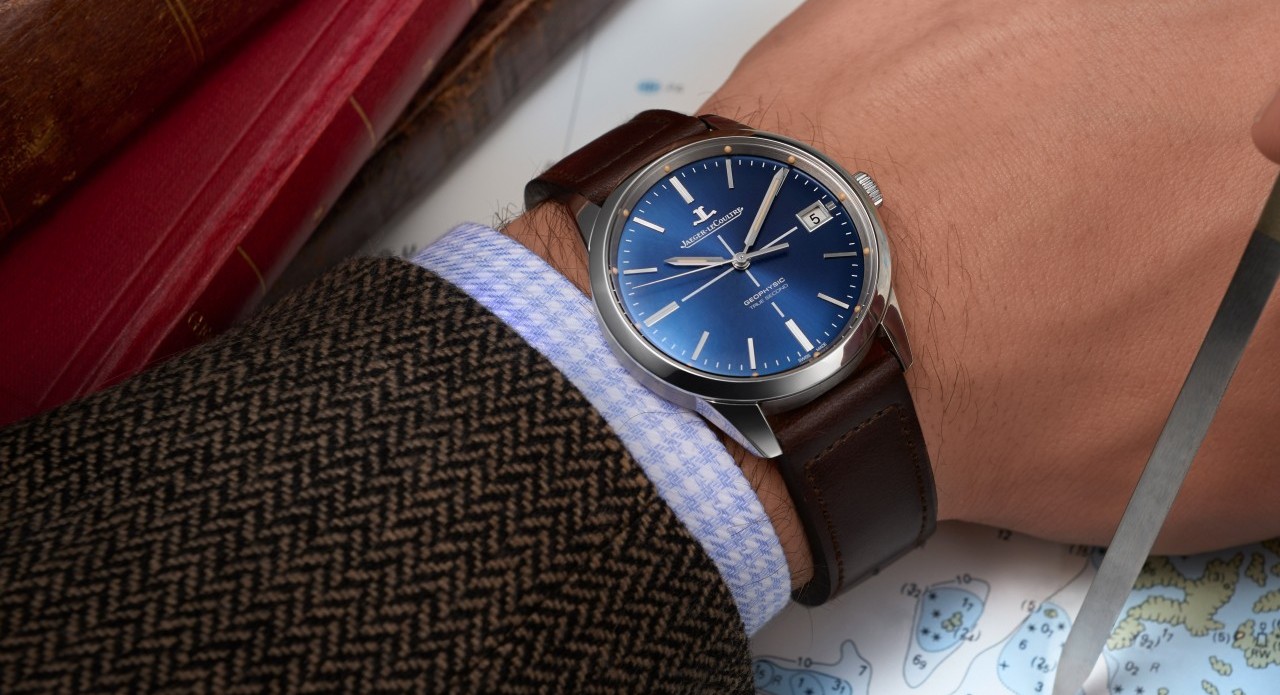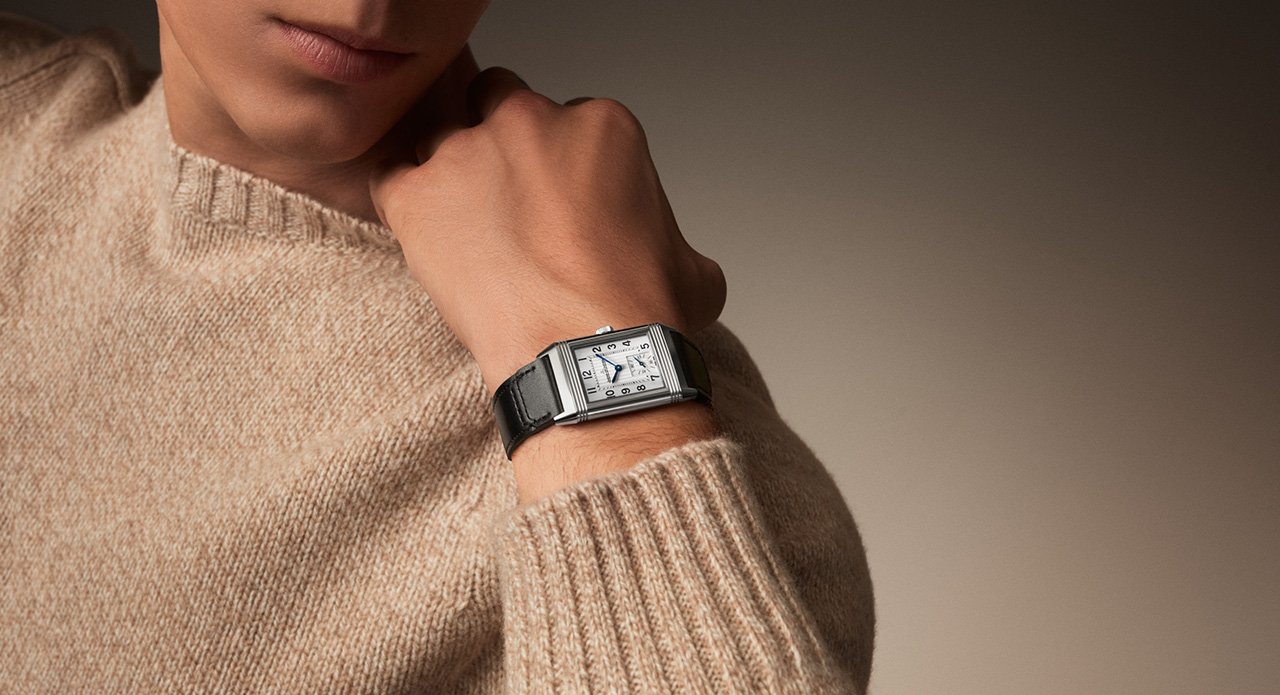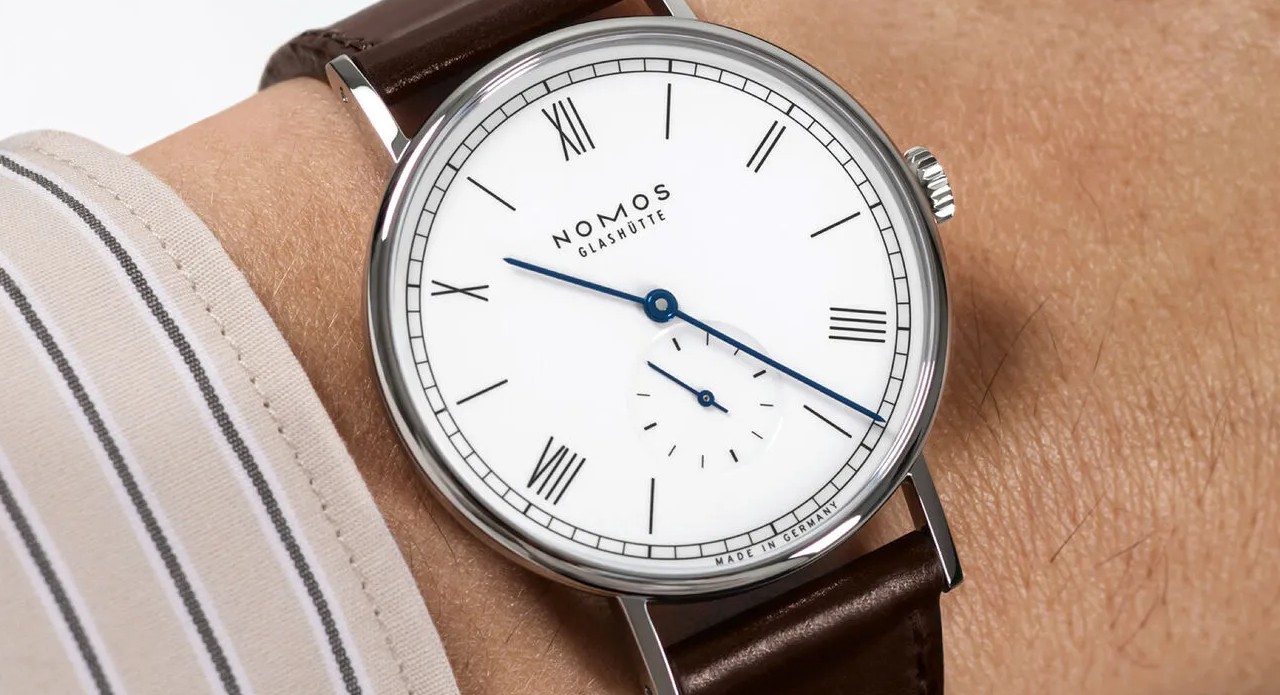


In an age where watches wind themselves, correct their own errors and quietly get on with the job while you are not paying attention, the manual-winding watch feels almost defiant. There is no rotor spinning invisibly in the background, no mechanical freeloading off the movement of your wrist. If the watch is running, it is because you made it run. That simple truth is the foundation of traditional watchmaking.
The Absence Of A Rotor
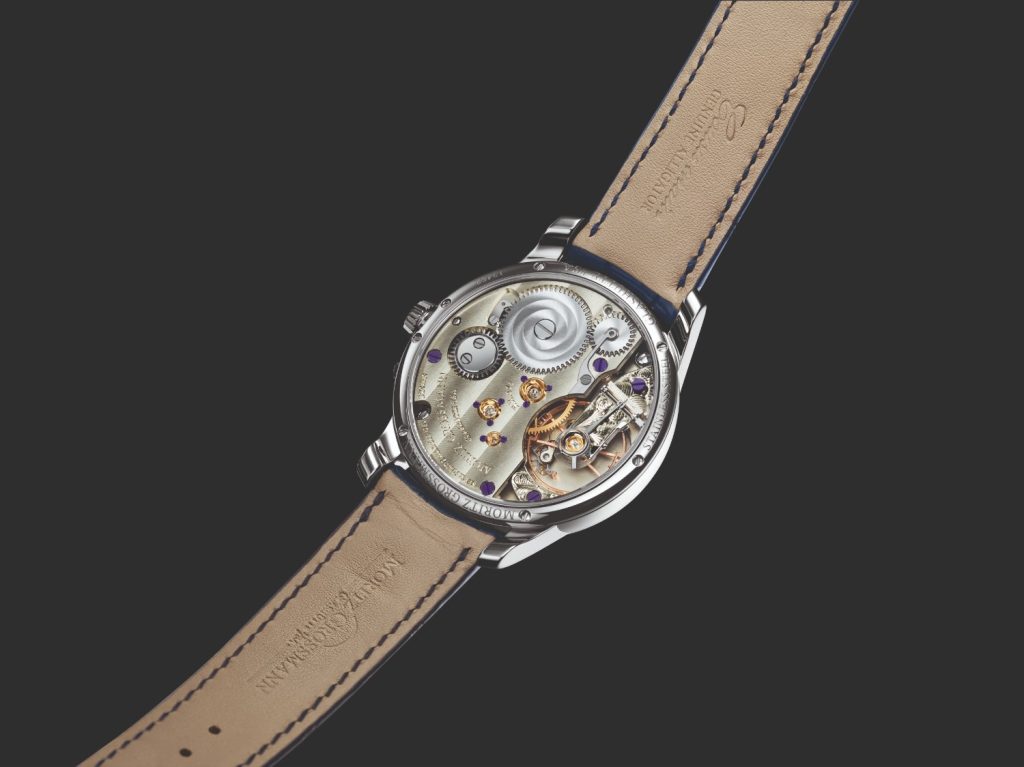
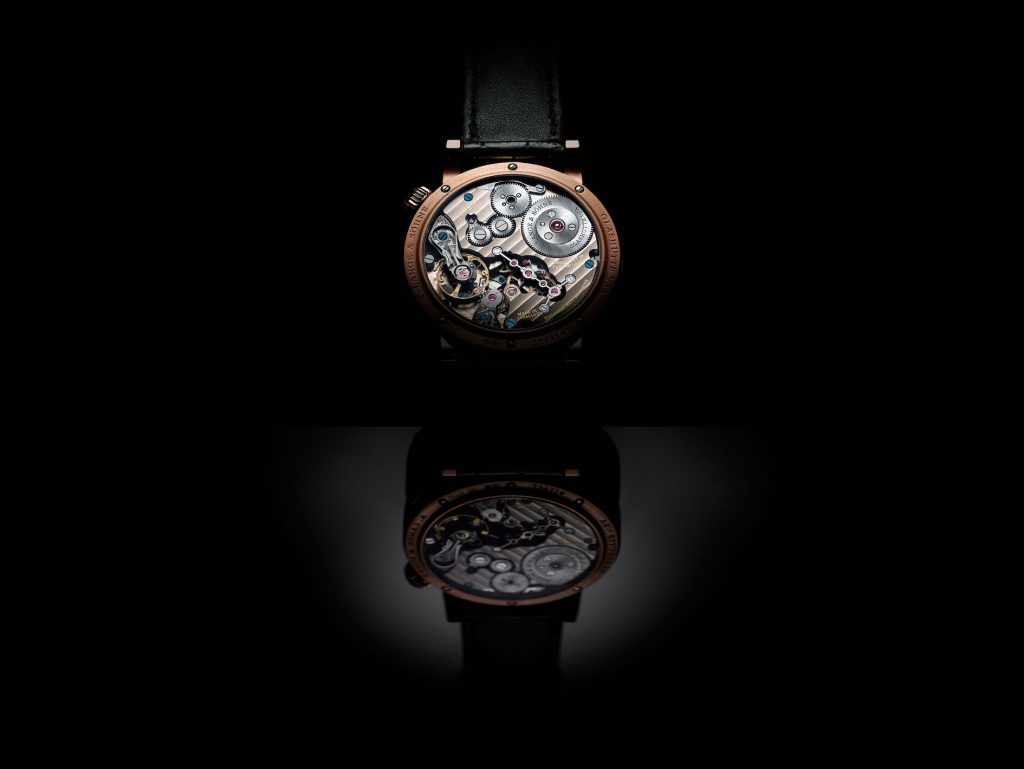
Remove the rotor and the movement immediately changes in character. An automatic system requires a heavy oscillating mass, bearings, reversing wheels and additional gearing layered above the base movement. A manual-winding calibre needs none of this. What remains is a flatter, more open construction where every component has a clear purpose.
This absence is not a limitation. It is a design choice that prioritises clarity, symmetry and mechanical honesty. With nothing rotating over the bridges, the movement can be laid out with architectural balance, making it both slimmer on the wrist and more visually coherent through a sapphire caseback.
How A Manual-Winding Movement Works
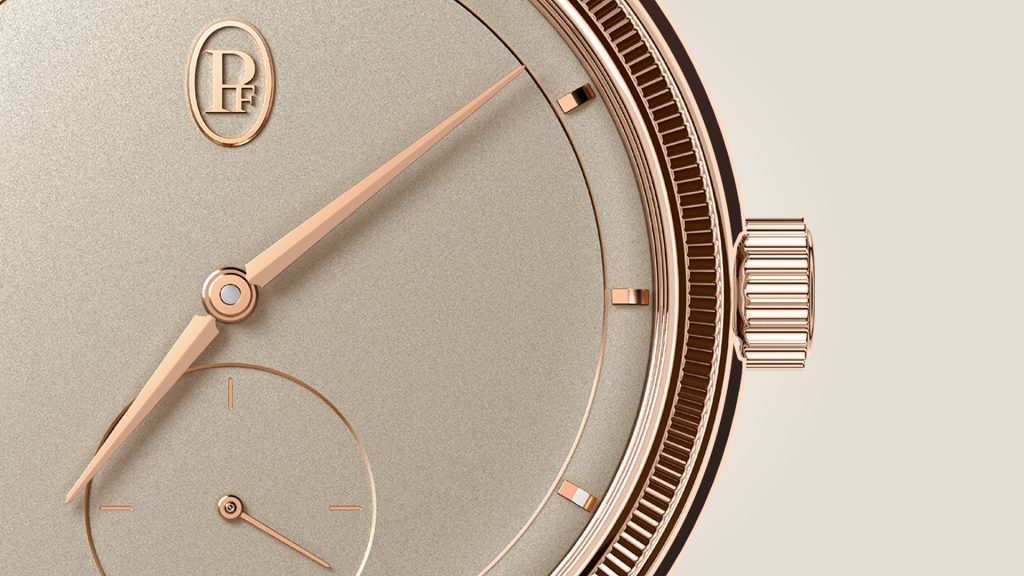
The operation begins at the crown. When the crown is turned, it drives the winding stem, which engages the sliding pinion and winding pinion. These transfer rotational energy directly to the ratchet wheel mounted on the mainspring barrel. As the ratchet wheel turns, it tightens the mainspring inside the barrel. This coiled spring stores energy by resisting the tension applied to it. Once fully wound, a slipping bridle or mechanical stop prevents over-winding, protecting the spring from damage.
When the watch is running, the mainspring slowly unwinds, releasing energy through the gear train. Power flows from the barrel to the centre wheel, then through the third and fourth wheels, and finally to the escapement. The escapement regulates this energy in controlled impulses, allowing the balance wheel to oscillate at a fixed frequency. Each oscillation divides time into equal parts, producing the steady tick that defines mechanical timekeeping. Nothing is automated. Every joule of energy has been manually introduced and is methodically consumed.
Efficiency And Power Delivery
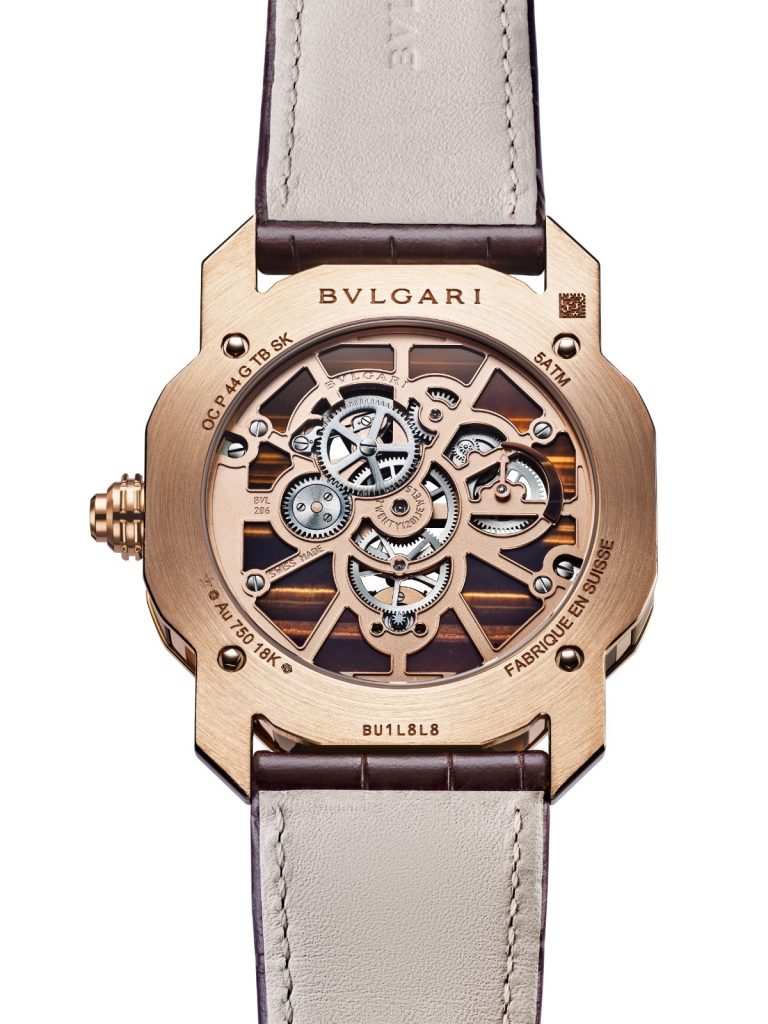
Without a rotor system consuming space and energy, manual movements are inherently efficient. There are fewer parts creating friction and fewer losses in the transmission of power. This often results in a more stable torque curve, particularly in well-designed long power-reserve movements.
The simplicity also makes servicing more straightforward. Fewer components mean fewer points of wear, reinforcing the long-term durability that traditional watchmaking values so highly.

The Ritual Of Winding
Beyond mechanics, manual winding introduces a ritual that automatic watches cannot replicate. Turning the crown connects the wearer directly to the movement. You feel the resistance of the mainspring tightening. You sense when the barrel is nearing full wind. The watch communicates through touch rather than indicators. This daily or near-daily interaction creates awareness. Time is no longer something that simply happens in the background. It is something you actively maintain.
A Historical Constant
Manual-winding movements are not a revival trend. They are the original format. Pocket watches, early wristwatches and the foundations of modern horology were all built around this principle. Automatic winding arrived later as a solution to convenience, not as an improvement in purity or craftsmanship. Many of the most respected high-watchmaking houses continue to favour manual calibres for their finest pieces precisely because they showcase skill without concealment.
Why It Still Matters
In a world defined by automation, the manual-winding watch stands apart. It does not promise effortlessness. It promises involvement. The absence of a rotor is not about nostalgia, but intent. It strips watchmaking down to its essentials, revealing the mechanics, the discipline and the quiet satisfaction of keeping time alive by hand. This is traditional watchmaking at its most direct, most honest and most human.