

Luxury has always evolved alongside changing lifestyles. A decade ago, the conversation centered on prime locations, iconic addresses and an extensive list of amenities. While these factors continue to matter, the definition of luxury is becoming more nuanced. Today’s affluent homebuyers are looking beyond visible markers of wealth and placing greater emphasis on how a home enhances their daily lives.
Space continues to be valued at an increasingly high level.
As India becomes more crowded and as demands from city life increase, space has begun to assume even more value. Space is not just about the size of your house but is much more. It symbolizes comfort, seclusion, convenience and good health. More and more buyers in the luxury segment find it more satisfying than traditional symbols of luxury.
From Ownership to Experience
Indeed, there is a clear move away from owning property for its prestige value alone to living an experience-based lifestyle within luxury development. Modern consumers are much more aware about how they feel when they spend time within a development compared to the status associated with owning it. This phenomenon became especially visible as the lockdown periods forced people to stay indoors and reevaluate their perceptions regarding their living spaces. Houses were no longer just houses, they turned into the perfect place for working, relaxation, wellness and spending time with loved ones. These changing perceptions led to the formation of new expectations. The luxury development of the 21st century must look good and be equally functional for all its residents and guests.
In the luxury house market, this means bigger spaces, office spaces, outside areas and versatility within interiors. Consumers want to be able to adjust to the home, rather than adapt to the demands made by their living spaces. This movement away from ownership to experience can also be seen in consumer habits in other industries. Luxury has shifted from ostentatious consumption to experiential.
Also Read: The New Indian Farmhouse: Where Luxury Living Meets Nature
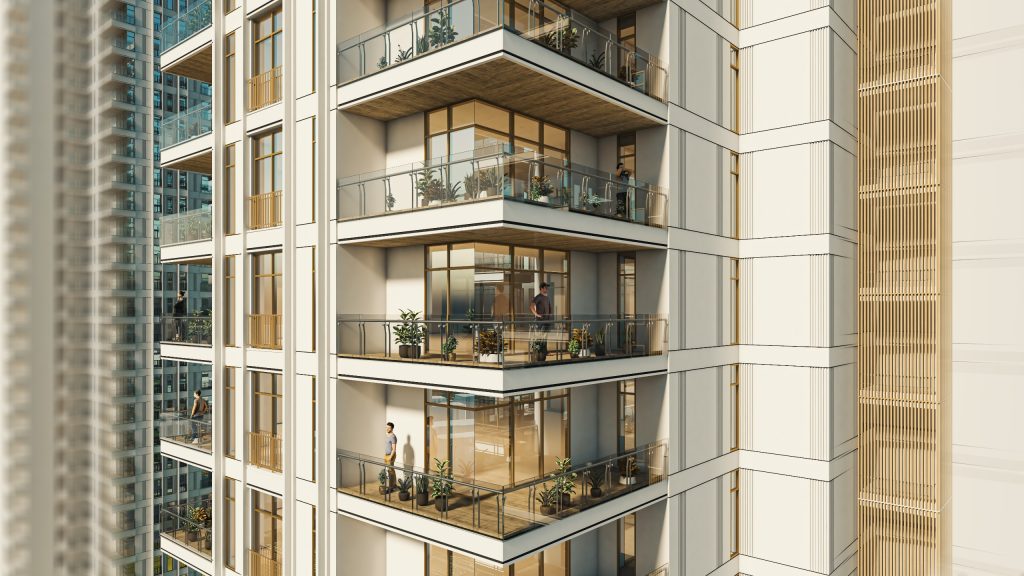
Why Space Has Become the Ultimate Luxury Asset
An expanding appetite for large houses goes beyond the mere size of the dwellings. It is driven by the need to feel safe in one’s own skin.
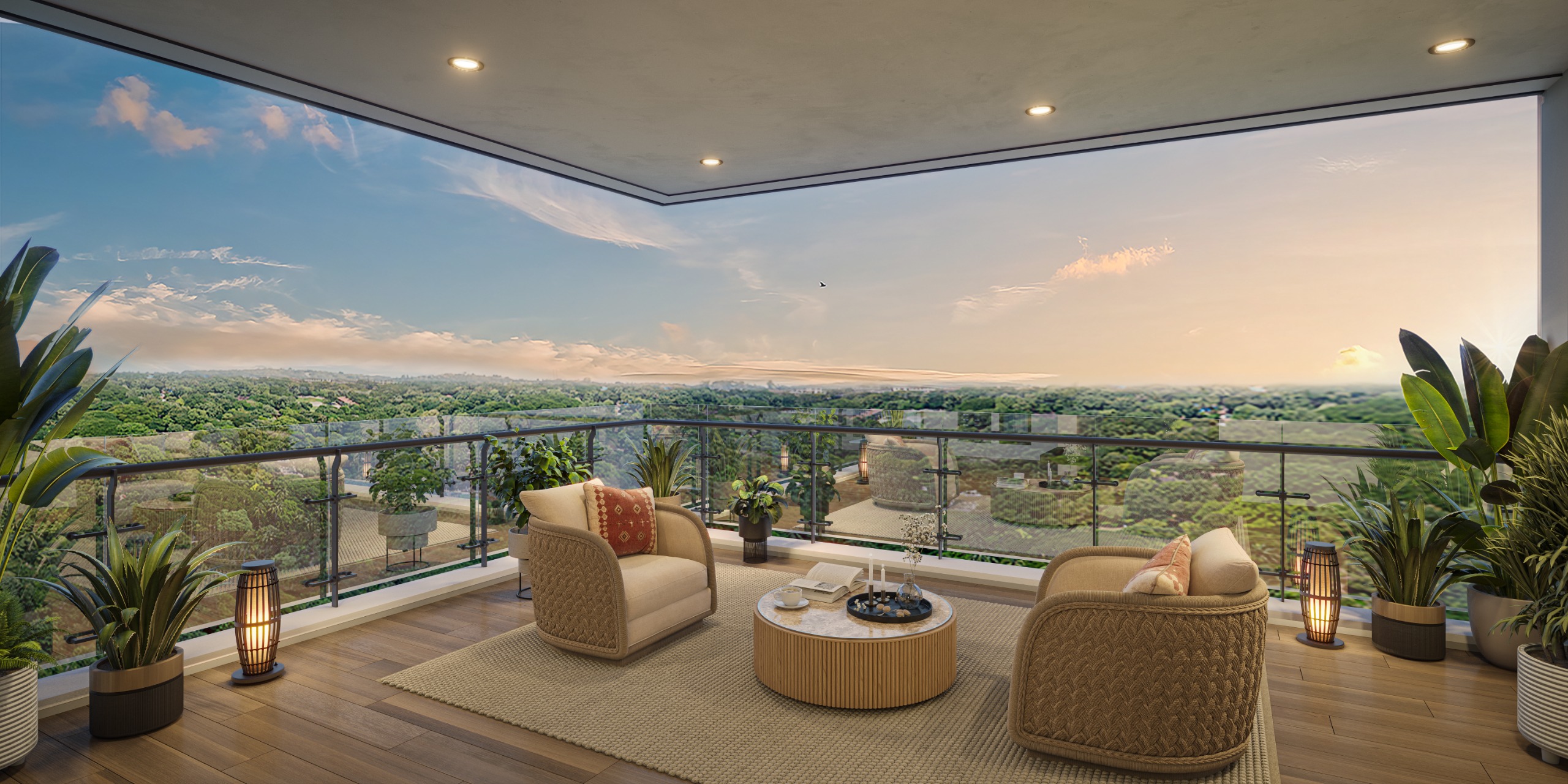
For the upper echelons of society, privacy and luxury imply having enough room to disconnect from the city yet remain plugged into all of its benefits. It is shaping not just residential architecture but even community development, with such features as low density, generous landscapes and private lifts becoming hallmarks of luxury communities.
At the same time, buyers increasingly pay attention to what surrounds their development. Access to greenery, open spaces, plenty of natural light and unencumbered views have become almost as important as the house itself when it comes to the buyer’s wellbeing.
Another reason behind the desire for bigger houses is the trend towards multigenerational housing. With several generations living under one roof, it becomes crucial to ensure sufficient comfort for everyone. At times, this translates into the necessity rather than merely a luxury choice.
Ultimately, in cities, space is increasingly turning into a scarce commodity.
The Future of Luxury Living
With the development of buyer expectations, luxury housing of the future will not revolve around the element of grandeur but instead will have an increased focus on livability about ensuring wellbeing and providing experience value as well as relevance.
Thereby, for developers this means that the concept of luxury must undergo re-interpretation. In particular, one can state that the focus should no longer lie in providing high-end finishes or a wide range of amenities. On the contrary, luxury must be associated with spaciousness, sophistication and long-term potential.
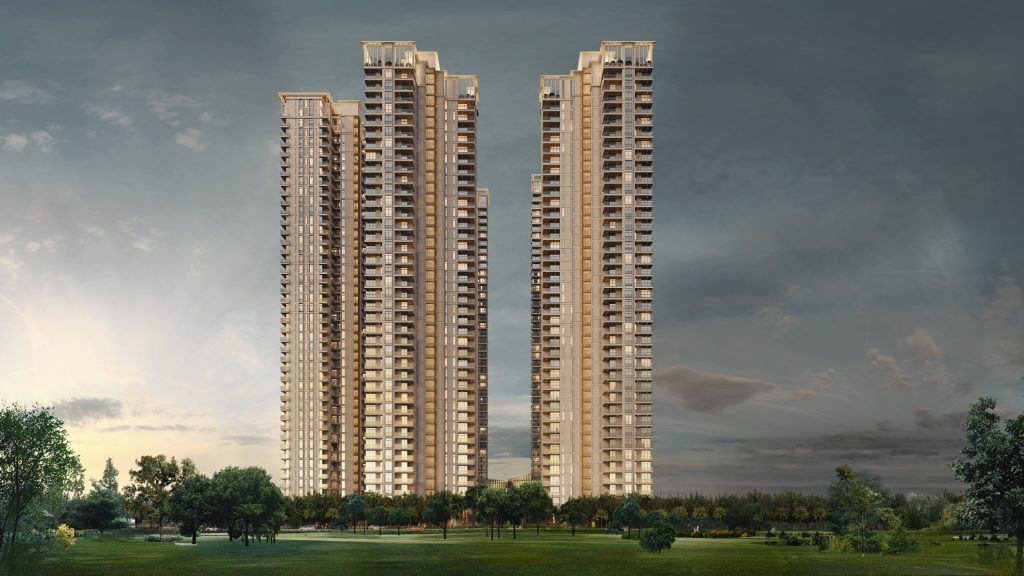
One can argue that the most successful luxury developments will be built on one simple idea that luxury housing has become increasingly personalized. Buyers will be interested in options that provide them with a maximum degree of freedom and flexibility of use.
Finally, it appears that space must be viewed in a new light in a modern highly dense environment. This element has become a luxury because it implies the availability of freedom that cannot be artificially reproduced and provided through any other means.
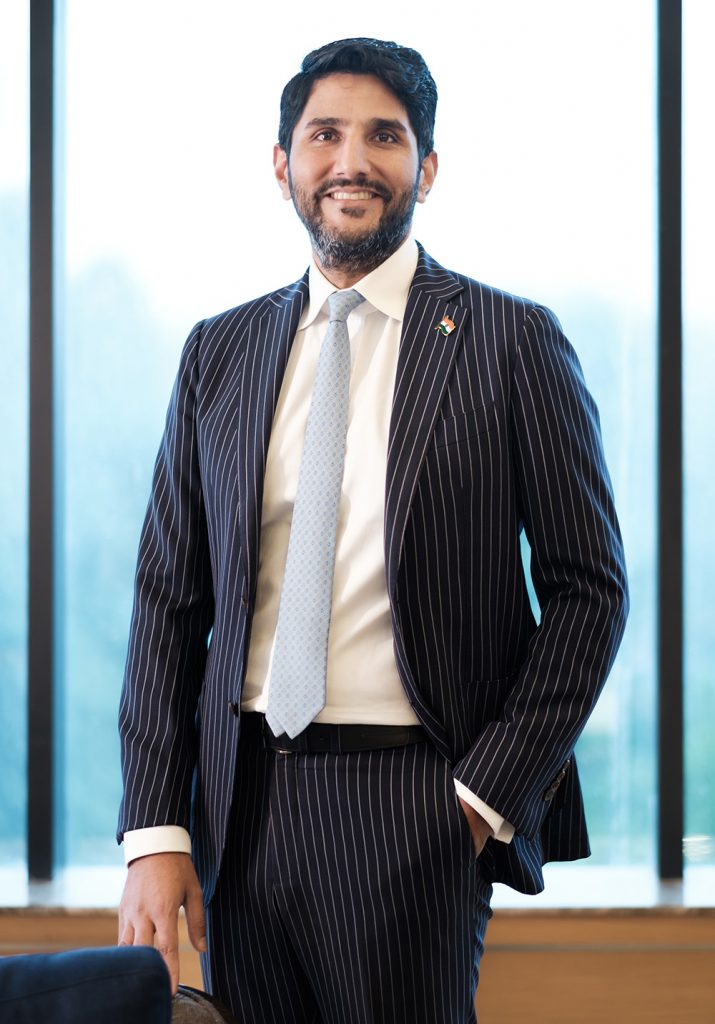
Amar Sarin is the Managing Director & CEO of TARC Limited.