

“At the stroke of the midnight hour, when the world sleeps, India will awake to life and freedom.”
Jawaharlal Nehru’s words, spoken on the eve of India’s Independence, have travelled far beyond that historic night. As India marks its 80th Independence Day in 2026, the idea of freedom remains woven into the country’s landscapes, architecture and cultural memory, preserved in places that have witnessed the making of modern India and the civilisations that came before it.
What better way to spend Independence Day than by travelling through the places that hold fragments of Indian story? This August 15, leave behind the usual holiday routine and take the road to ancient temples, imperial forts, royal cities and archaeological landscapes. India’s UNESCO World Heritage Sites offer journeys where history is not confined to museum walls, but lives in stone, streets, palaces and centuries-old traditions.
Follow India’s Historic Trail
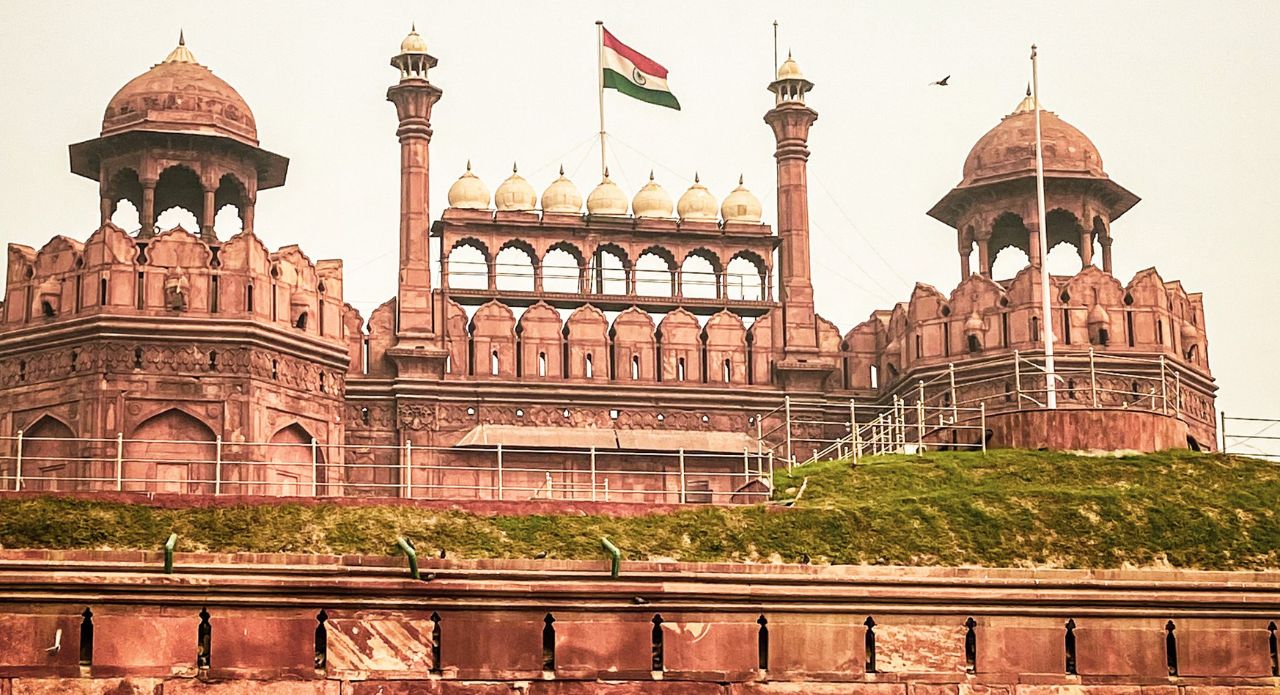
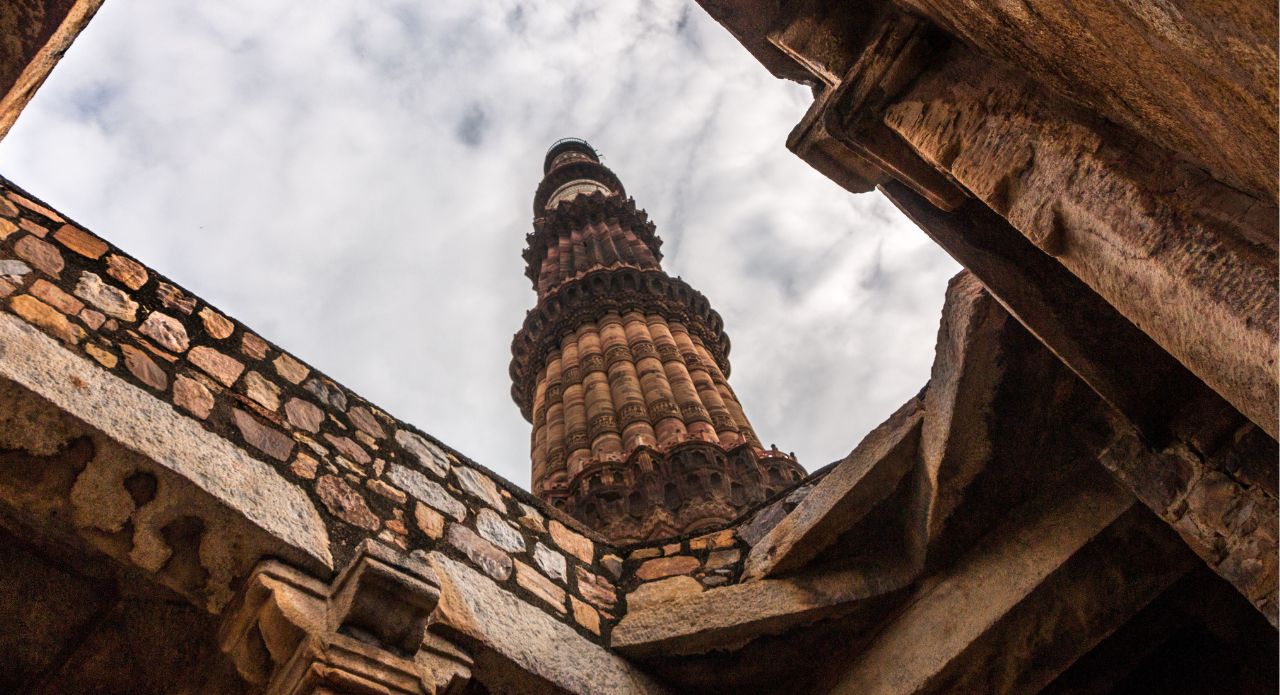
Delhi is a natural place to begin. The Red Fort Complex, with its imposing red sandstone walls, has become synonymous with Independence Day after hosting the Prime Minister’s annual address to the nation. Spend the morning tracing the Mughal-era monument before moving through the capital’s wider heritage landscape, including Humayun’s Tomb and Qutub Minar.
Also Read: How to Keep Your Lips Soft and Healthy During the Monsoon Season
Taj Mahal, New Delhi offers an Independence Day staycation in the heart of Lutyens’ Delhi. The landmark hotel brings together its longstanding connection with the city, contemporary Indian dining at Varq and leisurely evenings at Captain’s Cellar and Rick’s. Guests can also unwind at J Wellness Circle or experience a ceremonial Independence Day flag hoisting led by Padma Shri awardee Deepa Malik.
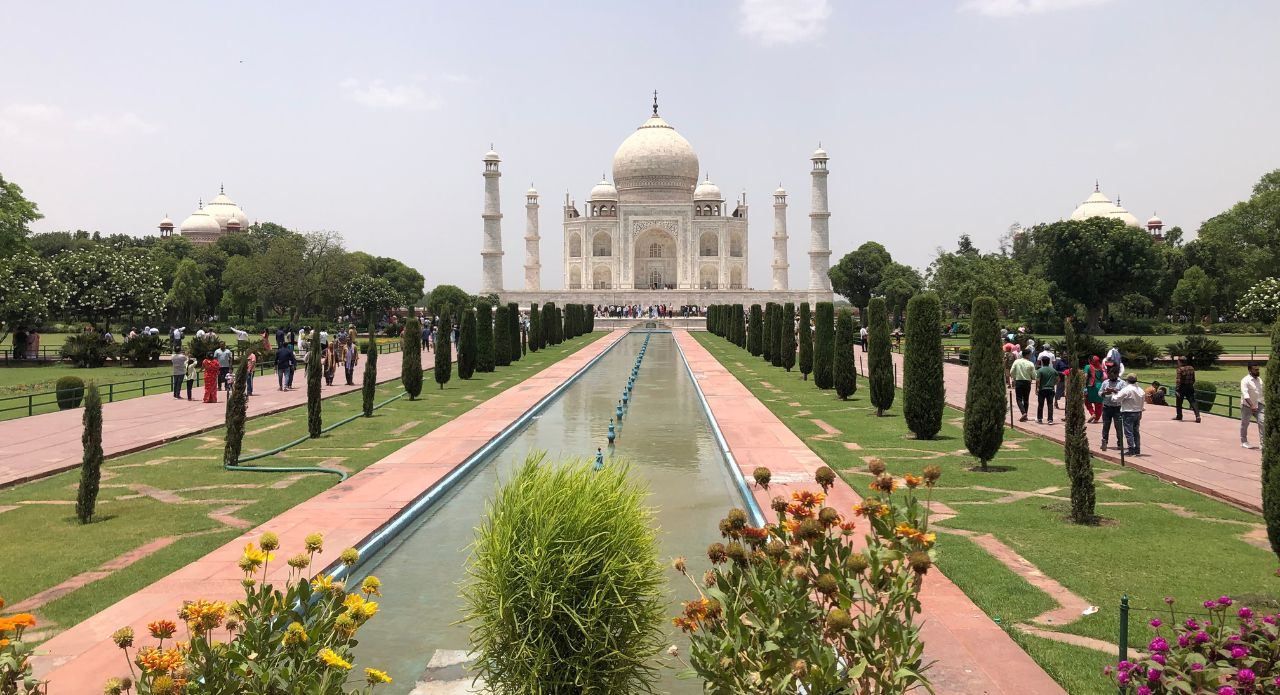
The journey can then move towards Agra, where the Taj Mahal offers a quieter, more contemplative encounter with India’s Mughal legacy. Pair the marble monument with a visit to Agra Fort, whose imposing walls reveal another side of the empire’s history. At ITC Mughal, the architectural language of the region continues into the stay, creating a natural extension to an itinerary centred on Mughal heritage.
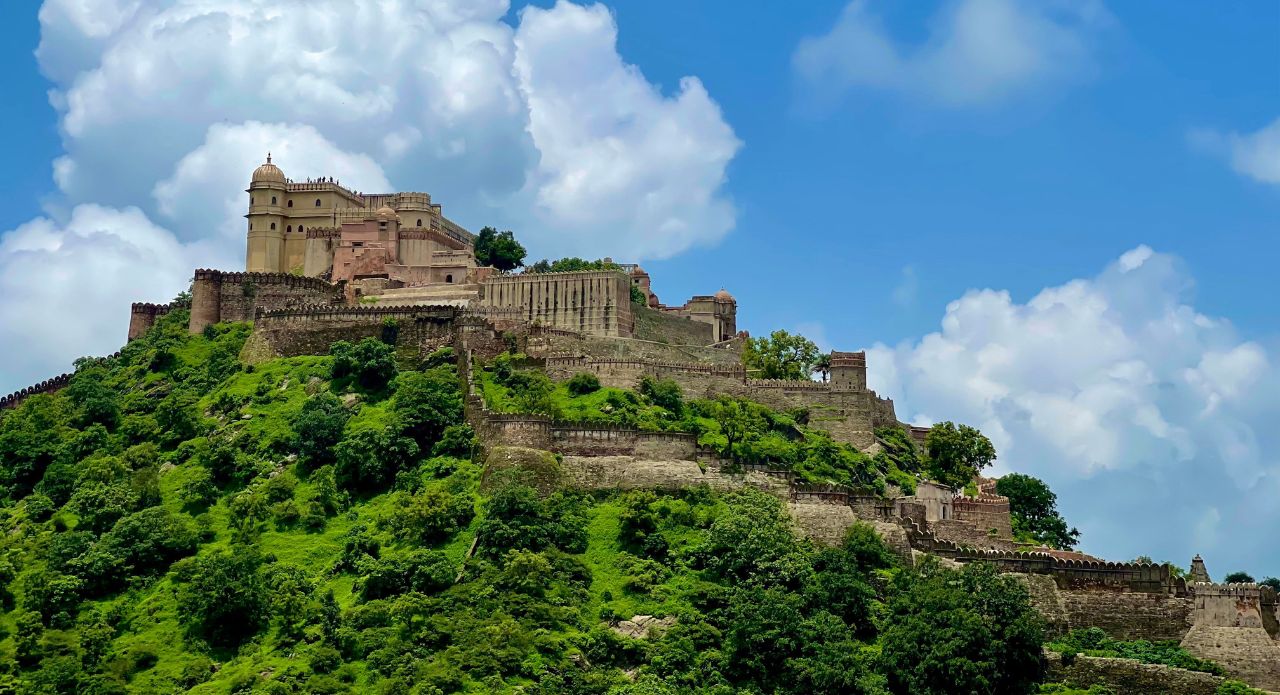
Rajasthan brings a different chapter to the journey. In Jaipur, the UNESCO-listed Jantar Mantar reveals the scientific ambitions of the 18th-century Rajput court through its monumental astronomical instruments. The experience can continue through the city’s palaces, markets and historic quarters, or expand towards the Hill Forts of Rajasthan. A stay at Rambagh Palace adds a royal dimension, placing travellers within the former residence of the Maharaja of Jaipur.
Experience Living Heritage
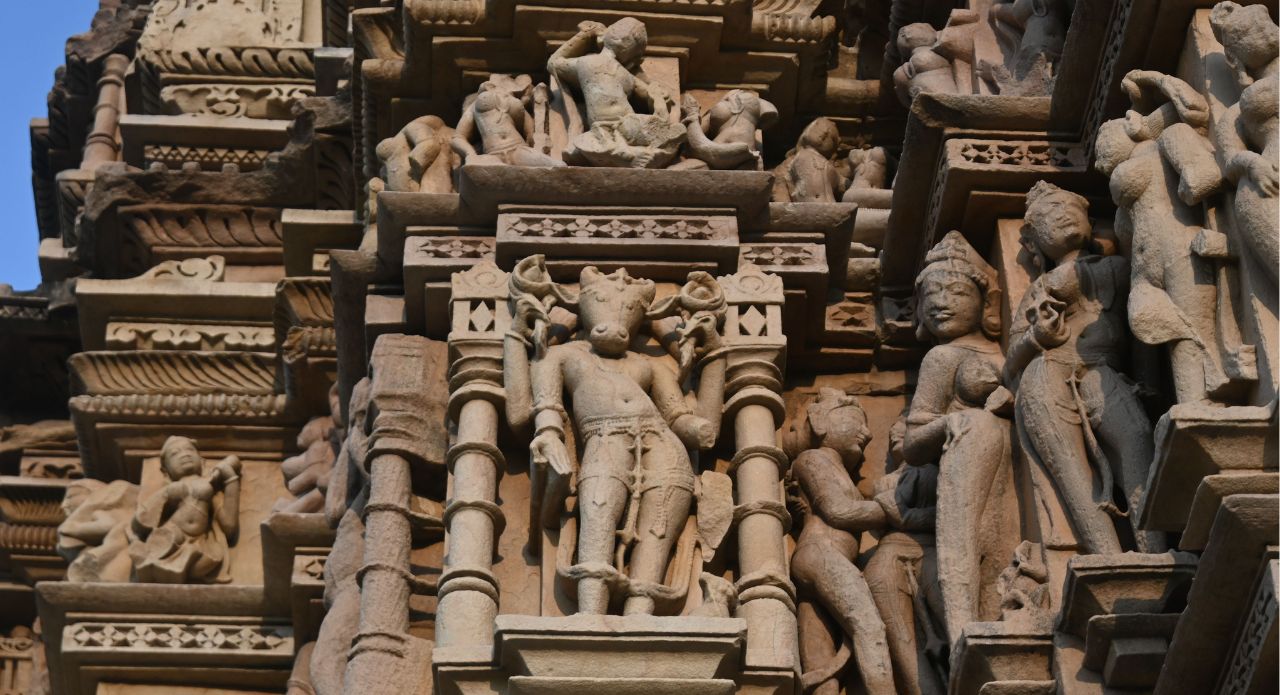
The road to Madhya Pradesh leads to Khajuraho, where temple walls covered in intricate sculptures turn architecture into a visual record of medieval India. The Khajuraho Group of Monuments rewards slow exploration, particularly for travellers interested in art, craftsmanship and architectural detail. The heritage experience can continue at The Oberoi Rajgarh Palace, a restored 350 year old Bundela palace set against the Vindhyachal hills. A visit to nearby Panna National Park can bring wildlife into the same itinerary.
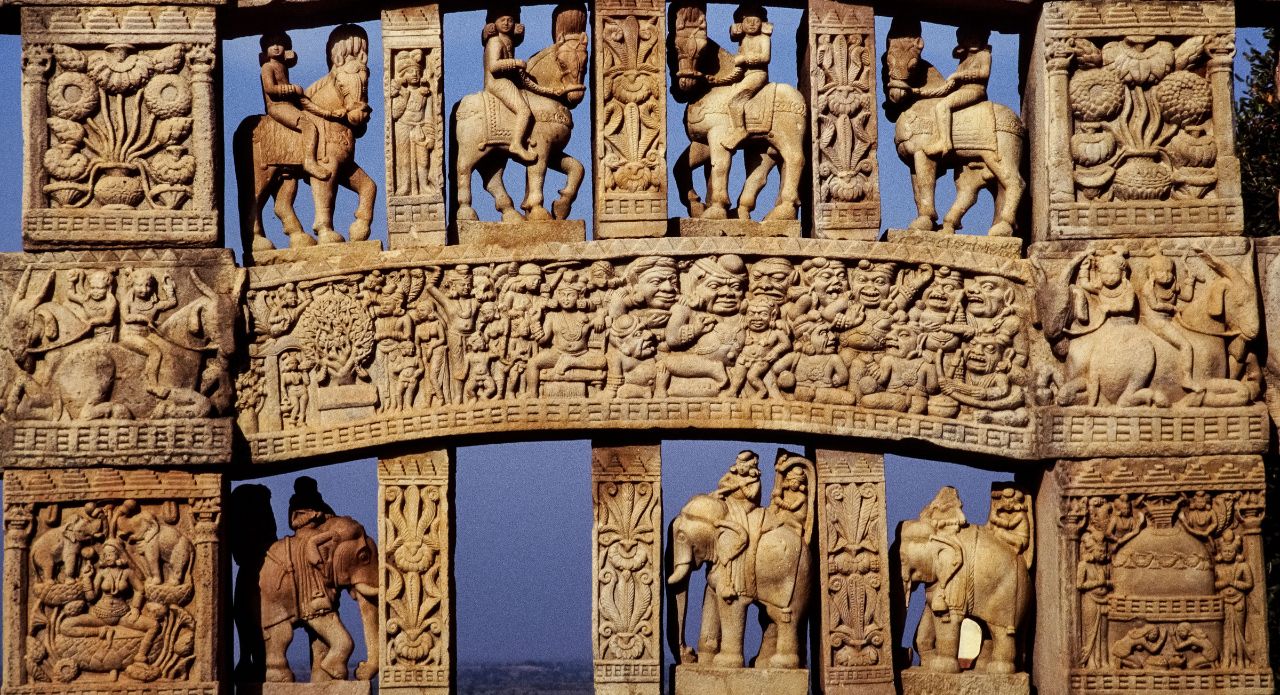
A quieter route takes travellers to Sanchi, where ancient Buddhist stupas and monasteries offer a markedly different experience of India’s cultural history. The site invites a slower pace, with its monuments surrounded by the landscape of Madhya Pradesh. Jehan Numa Palace in Bhopal, a historic residence transformed into a luxury hotel, provides a fitting base for this leg of the journey.
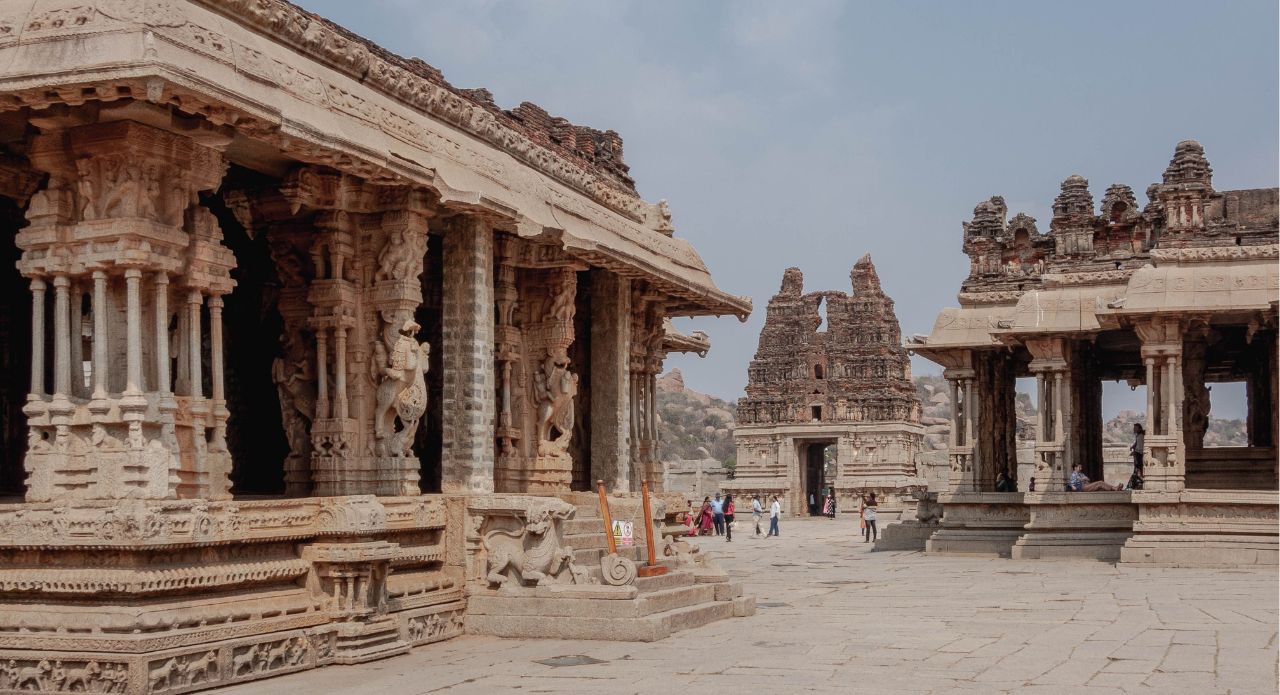
Further south, Hampi turns heritage into an expansive outdoor experience. The remains of the Vijayanagara Empire unfold across a landscape of granite boulders, temples, gateways and royal structures. Evolve Back Hampi, designed around the architectural vocabulary of the region, allows the historic setting to continue into the stay.
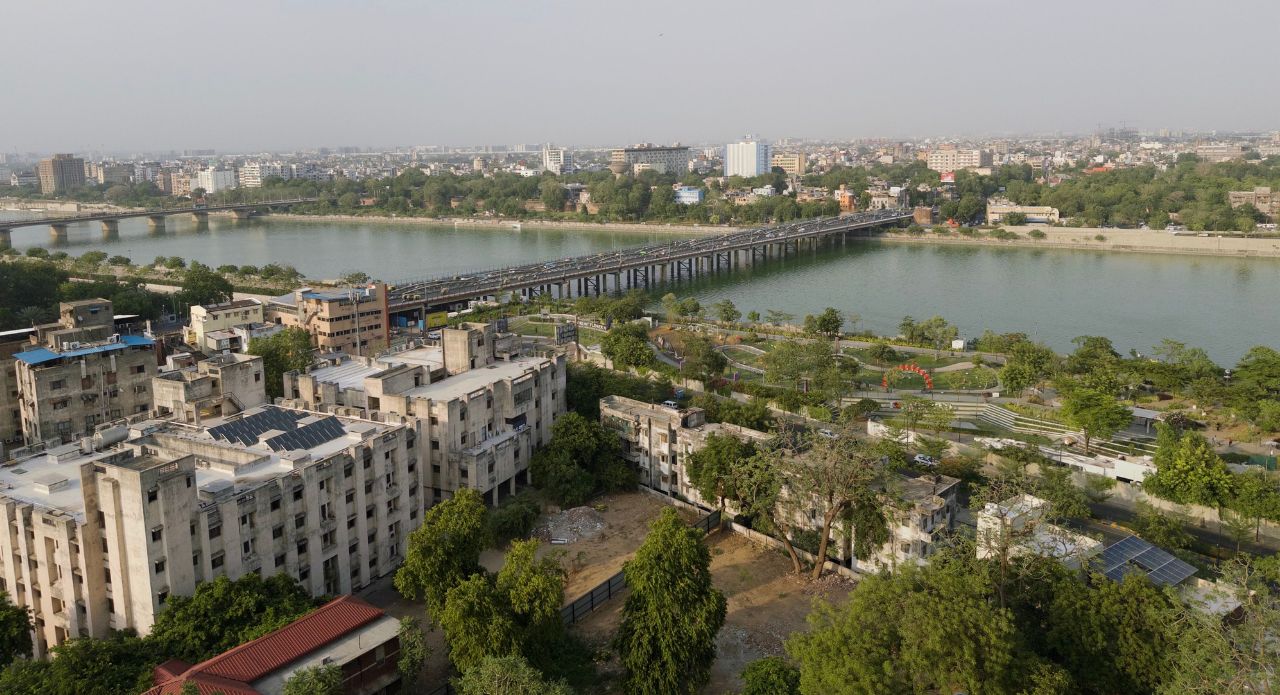
The journey can finish in western India, where Ahmedabad’s Historic City reveals its heritage through pols, traditional homes and intricate architectural details. House of MG, a restored heritage mansion in the heart of the city, offers a natural complement to the experience.
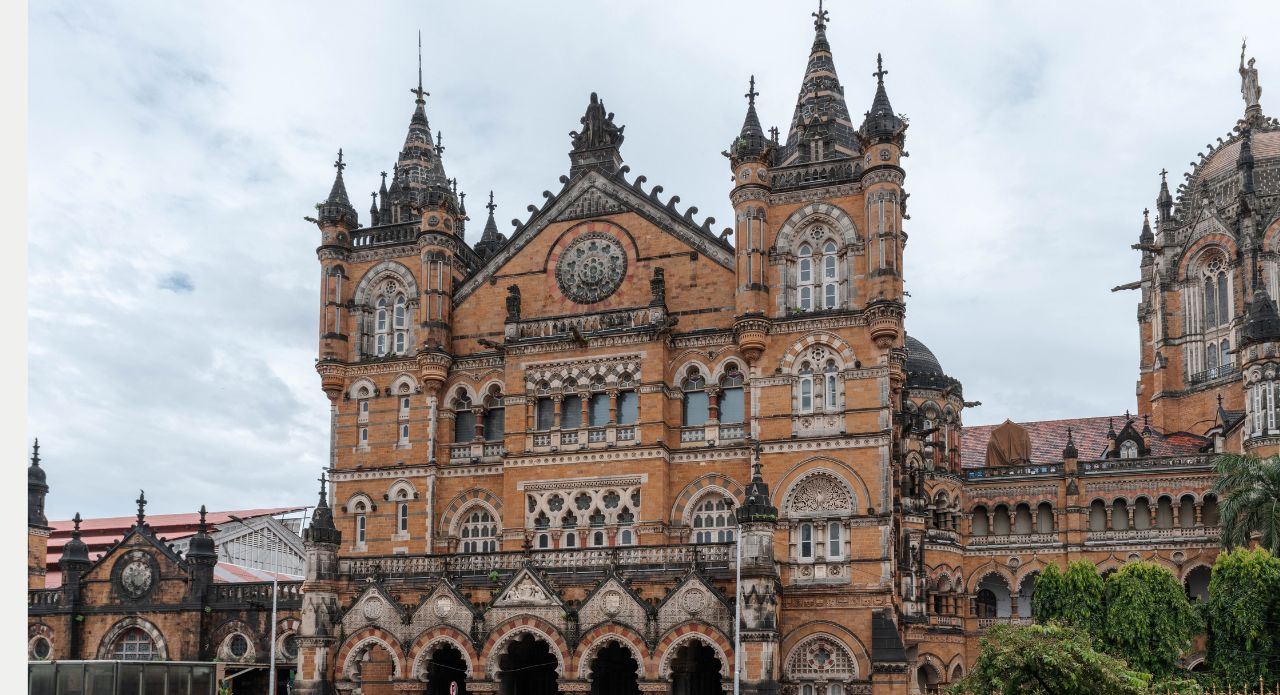
In Mumbai, the Chhatrapati Shivaji Terminus provides a final architectural flourish, bringing together Victorian Gothic design and Indian influences. A stay at The Taj Mahal Palace can round off the trip with another of the country’s enduring hospitality landmarks.
Also Read: Raksha Bandhan 2026: Fine Jewellery Gifts That Last Beyond the Occasion
This Independence Day, heritage travel offers more than a change of scenery. It is a way to encounter India through the places where its past remains visible, tangible and remarkably alive.