

Every so often, a design movement emerges that fundamentally alters how we perceive a familiar part of our space. In the past year, outdoor living underwent this transformation, not with an explosion of gadgetry or colour, but with furniture that invited day-to-day life into the open air. Outdoor spaces were no longer mere add-ons or afterthoughts; they matured into extensions of personal style and mindful living. Designers and homeowners alike are celebrating the poetry of open-air living, shaping terraces, balconies, gardens, and poolside decks as sites of solitude, connection, and daily ritual.
Furniture: The Shaper Of the Open-Air Story
For years, the approach to outdoor décor skewed toward simplicity or quick-fix solutions: a table here, a couple of folding chairs there, often discarded after a season of weathering. But the turning point was a collective realisation that our connection to the outdoor world needed to be intentional, much as we curate and care for our indoor domains. The open air became a destination, and furniture was no longer a footnote, but the central character of its story.
The Ever-Changing Terrace: Adaptability And Atmosphere
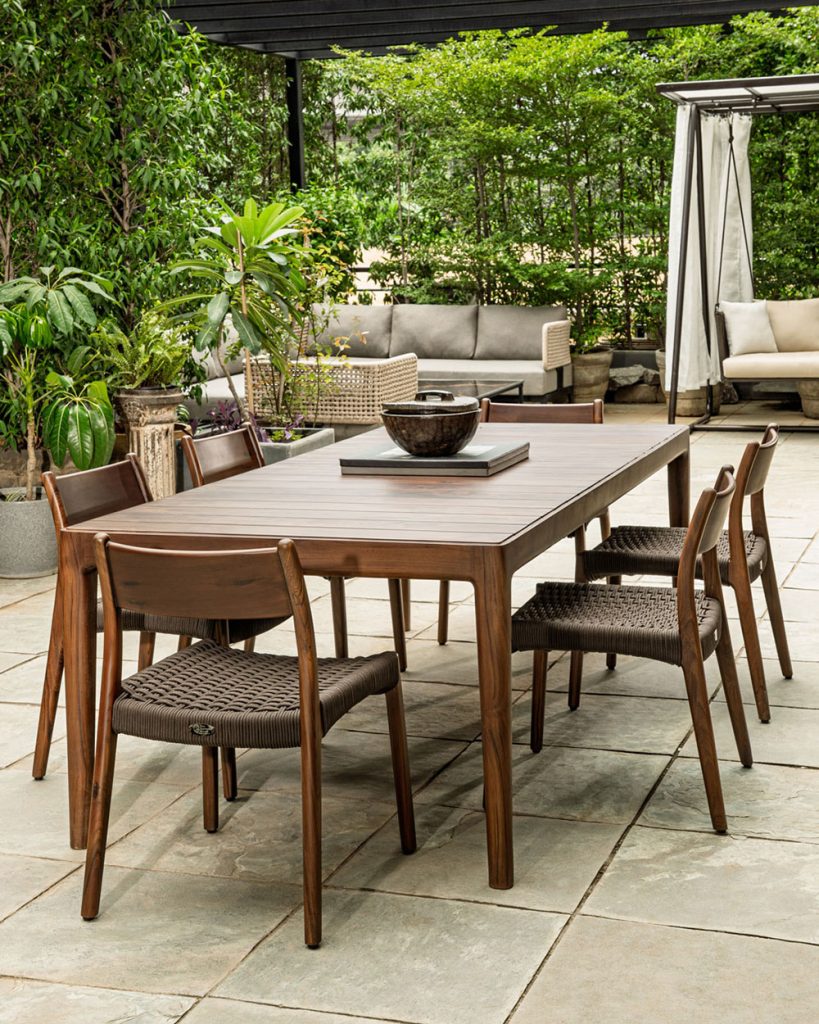
Terraces have emerged as the most flexible of outdoor stages. On sun-warmed mornings, these spaces welcomed slow rituals—a cup of tea, a gentle stretch, a few moments among potted greens and growing herbs. By evening, the same space transformed into a lively scene for conversations, laughter, and spontaneous pizza nights under fairy lights.
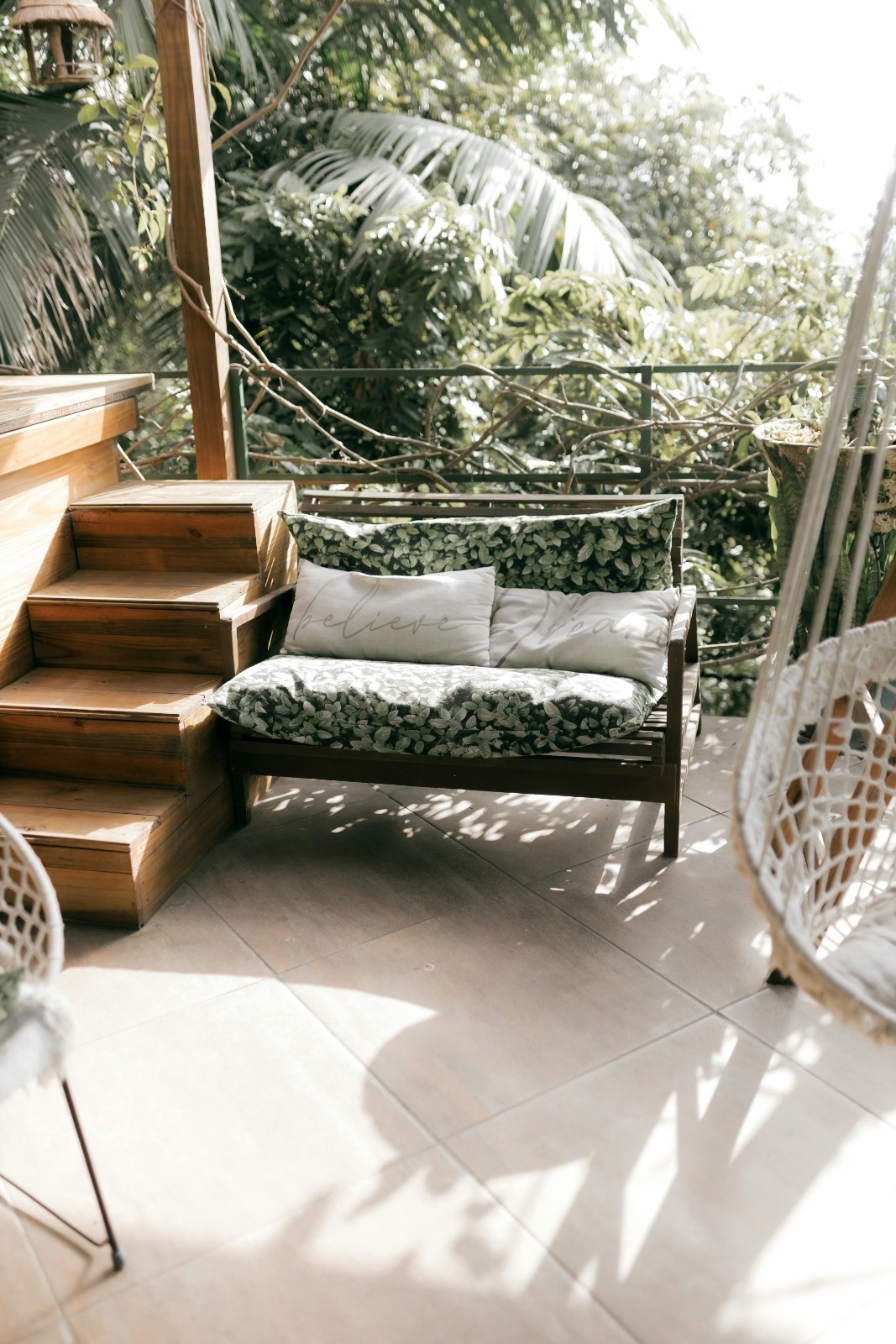
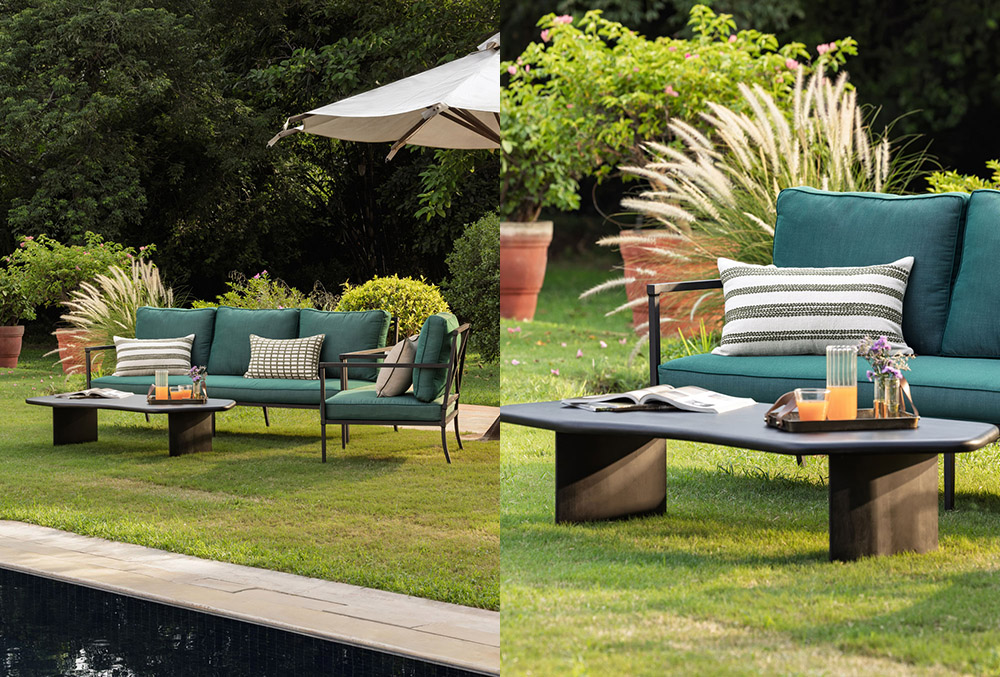
The trend that endured: furniture that didn’t dictate, but anticipated change. Modular pieces, stackable chairs, and sculpted sectionals crafted from robust teak or powder-coated aluminium let the terrace adapt, expand, and contract at a moment’s notice. These choices resisted the extremes of weather and the whims of seasonal entertaining, making every gathering easier and every morning more restful.
Also Read: Turning Discarded Wood Into Art: The Sustainable Journey Of A Naga Design Duo
Trends That Stayed: Terrace Edition
- Flexible, weather-resistant modular furniture
- Low, sculptural lounge furniture for layering comfort
- Neutral palettes and natural textures that harmonise with the sun and foliage
Fads That Faded
- Bulky, immovable seating that monopolised square footage
- Overdecorated, single-use furniture with little capacity for transformation
The Serene Balcony: Small Spaces, Big Sanctuary
If the terrace is an open invitation, the balcony is all about personal retreat. In high-rise cities and compact homes, this year witnesses a shift: people claiming balconies as sanctuaries above the crowd, places to savour an early morning, read in the dusk, or simply breathe in the open air. The key is restraint. Slim bistro tables, graceful resin or HDPE wicker chairs, and compact benches convey a sense of ease without crowding the space.
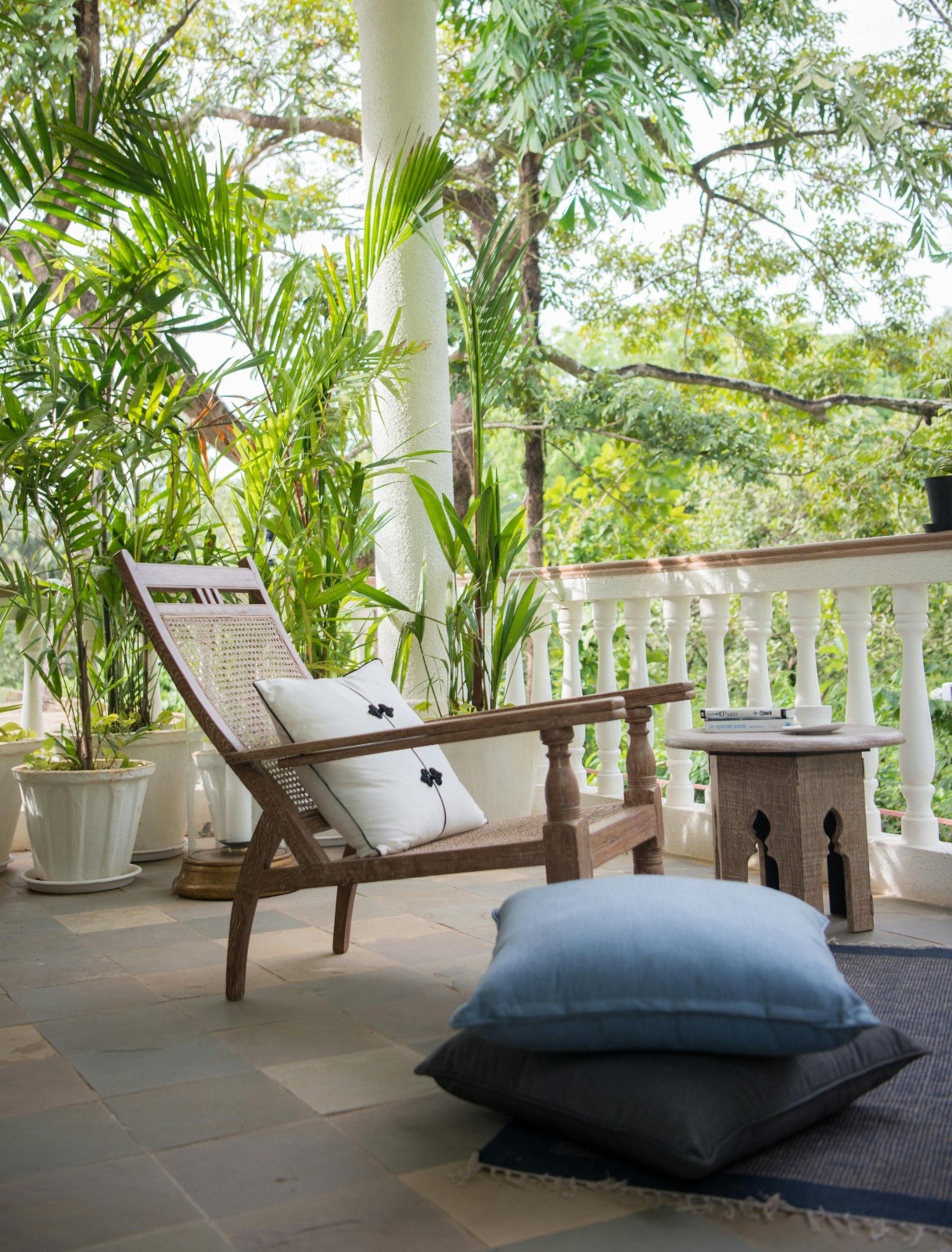
Every choice is about amplifying serenity and function, not clutter.
Also Read: Inside India Design ID 2026: Travelling through The Age Of Design Syncretism
Trends That Stayed: Balcony Edition
- Lightweight, foldable furniture for easy reconfiguration
- Durable, high-density materials that weather the elements without fuss
- Clean lines, calm colours, and intentional minimalism
Fads That Faded
- Overly ornate, heavy-set lounge furniture
- Outdoor sectionals meant for large spaces, awkwardly squeezed onto small balconies
The Modern Poolside Haven: Resort-Style, Year-Round
Poolside living will evolve from summer-only indulgence into a year-round lifestyle. The functional shift: furniture that made the transition from sun-drenched afternoons to evening get-togethers seamless and comfortable. Pieces were selected not just for looks, but for their resilience—weatherproof, UV-shielded, unfazed by splashes or rain. Loungers featured adjustable backs and quick-dry mesh; side tables with marine finishes endured wear and tear; textiles were antimicrobial and fade-resistant.
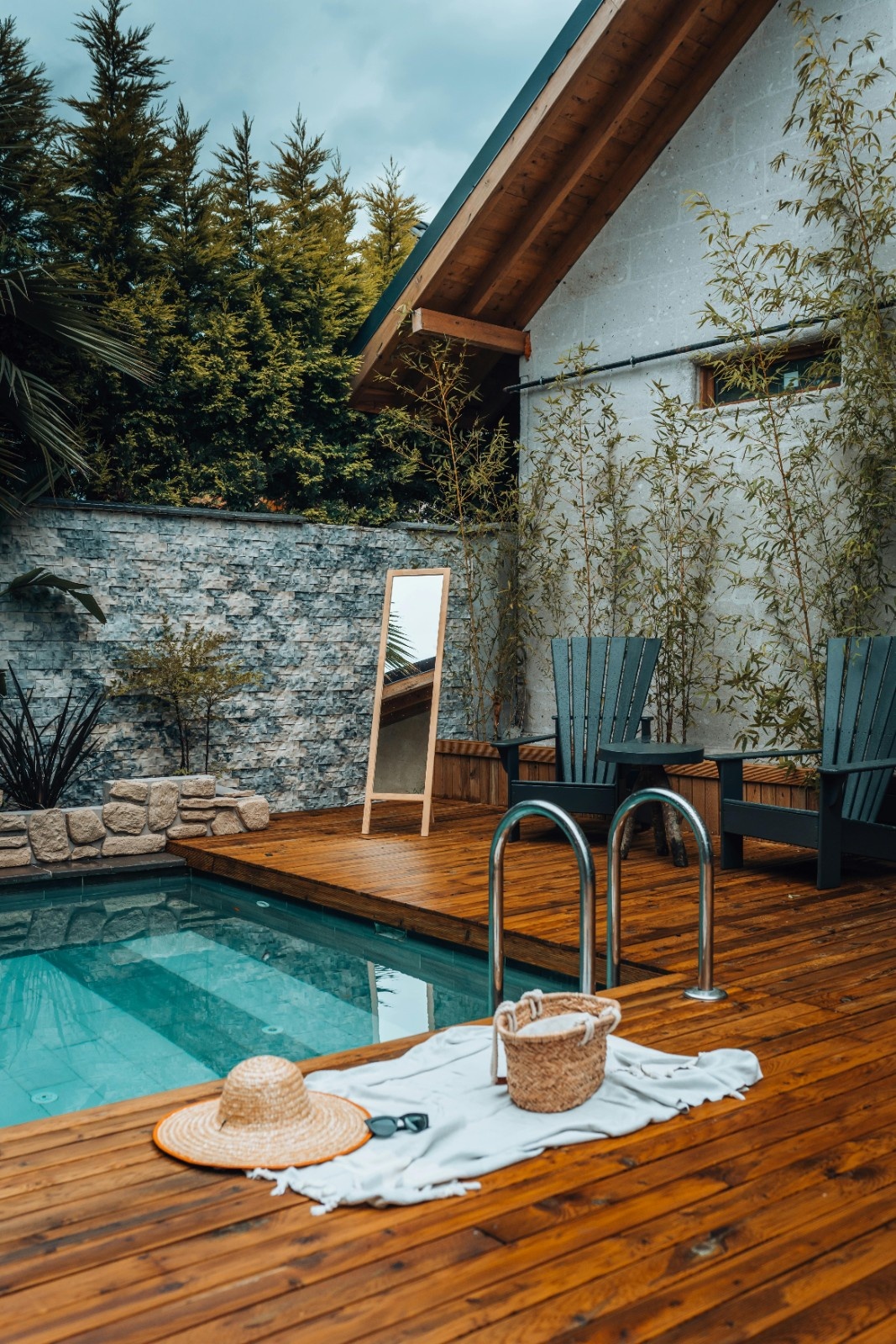
Spaces stayed open and breezy, encouraging both movement and moments of uninterrupted relaxation. The goal was to create environments that felt like a low-key resort with all the welcome spontaneity of home.
Trends That Stayed: Poolside Edition
- UV-protected, modular seating and daybeds
- Quick-dry, mildew-resistant cushions and mesh
- Multipurpose tables and subtle shade features
Fads That Faded
- Fragile, plush-heavy pieces unsuited for the rigours of pool living
- Glass tabletops and high-gloss finishes are vulnerable to the elements
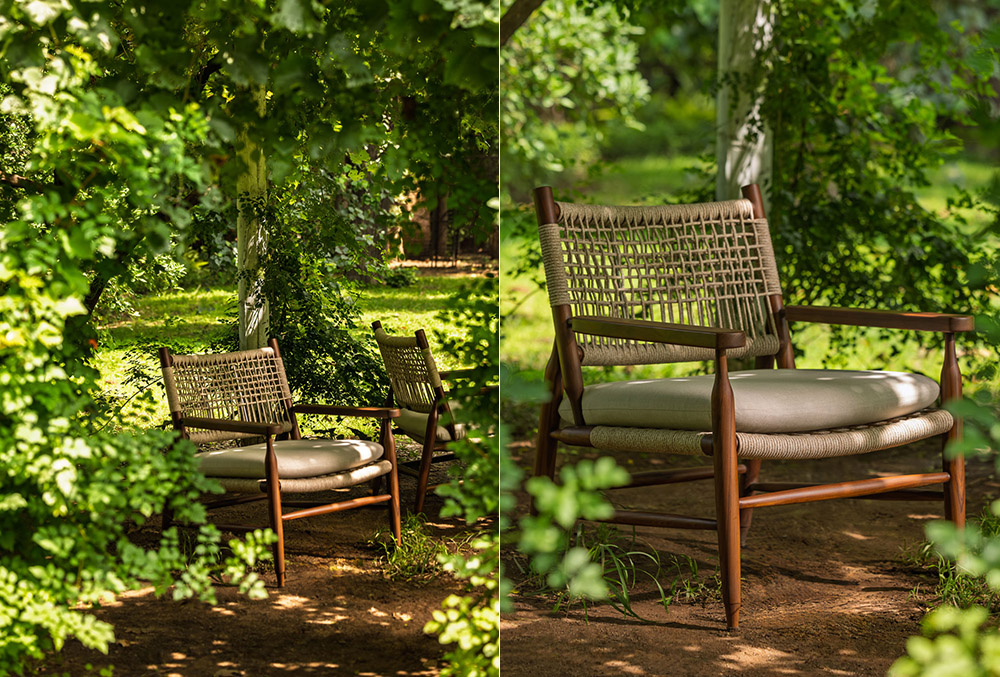
The Rustic Garden: Nature As Inspiration
Garden spaces are leaning into authenticity and warmth, drawing on materials that celebrate imperfection and natural wear. Slow meals under leafy canopies, family gatherings around sturdy tables, and stories told on gently swaying benches redefined what it means to exist ‘outdoors.’
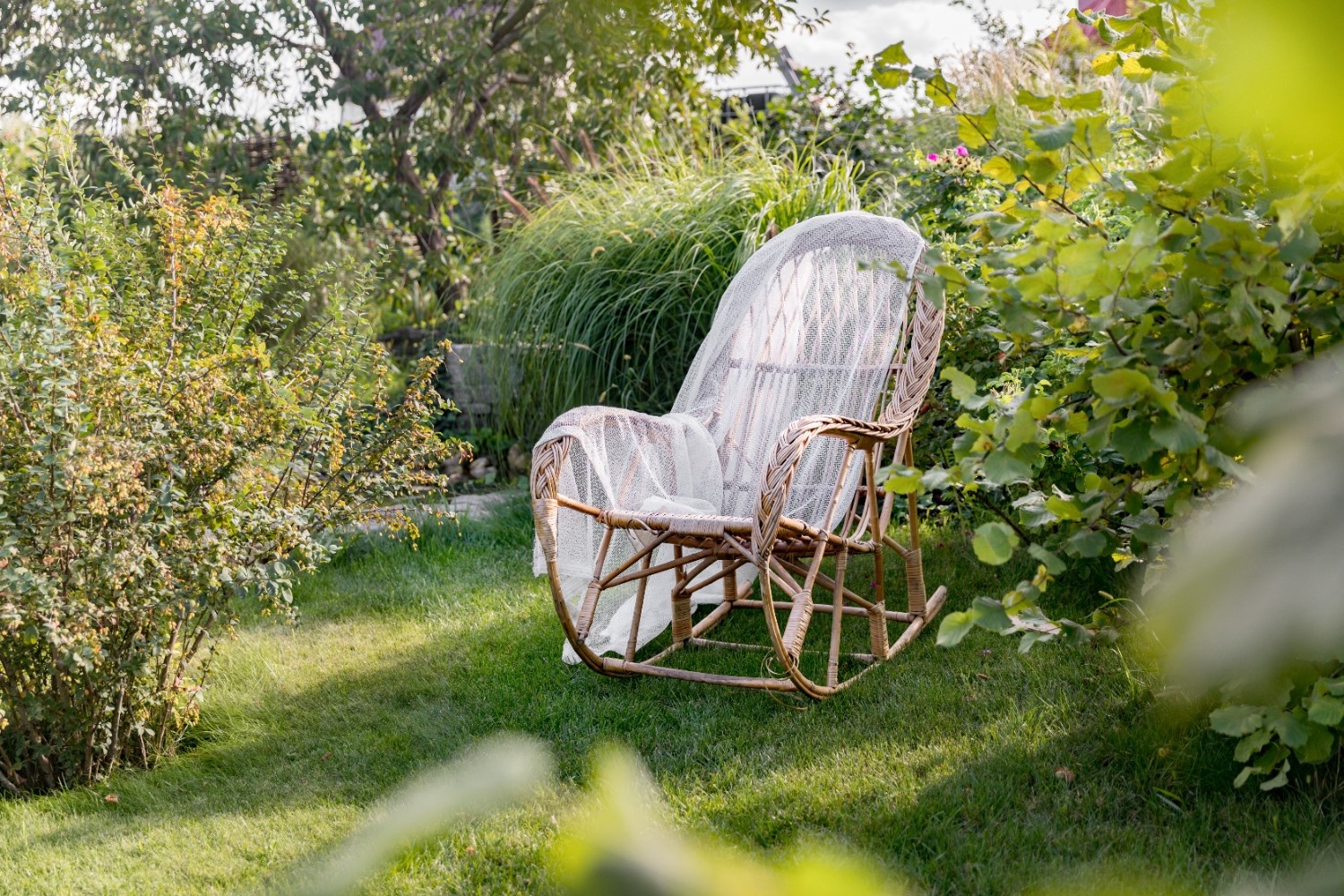
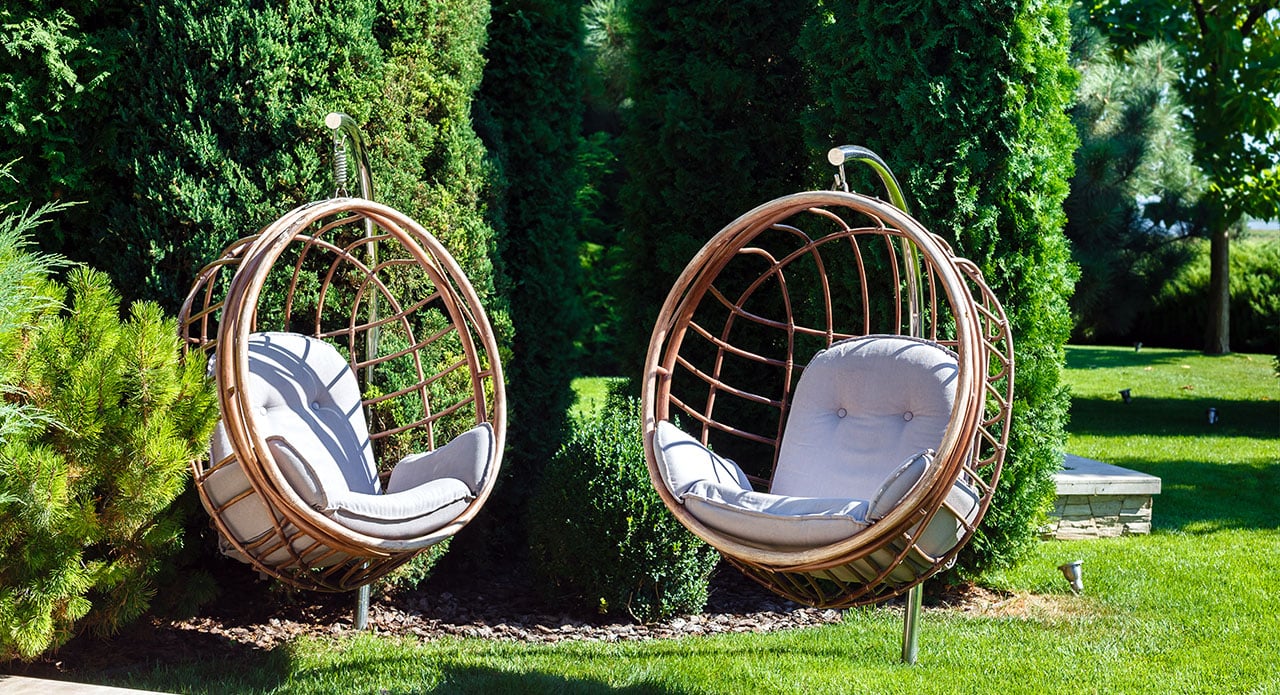
The most enduring furniture captures the essence of the garden: benches and dining sets in untreated or reclaimed wood, powder-coated iron that patinas, and swings and hammocks that age in harmony with their surroundings. Instead of chasing newness, these choices invited a kind of groundedness—rooms without roofs, open to skies and seasons.
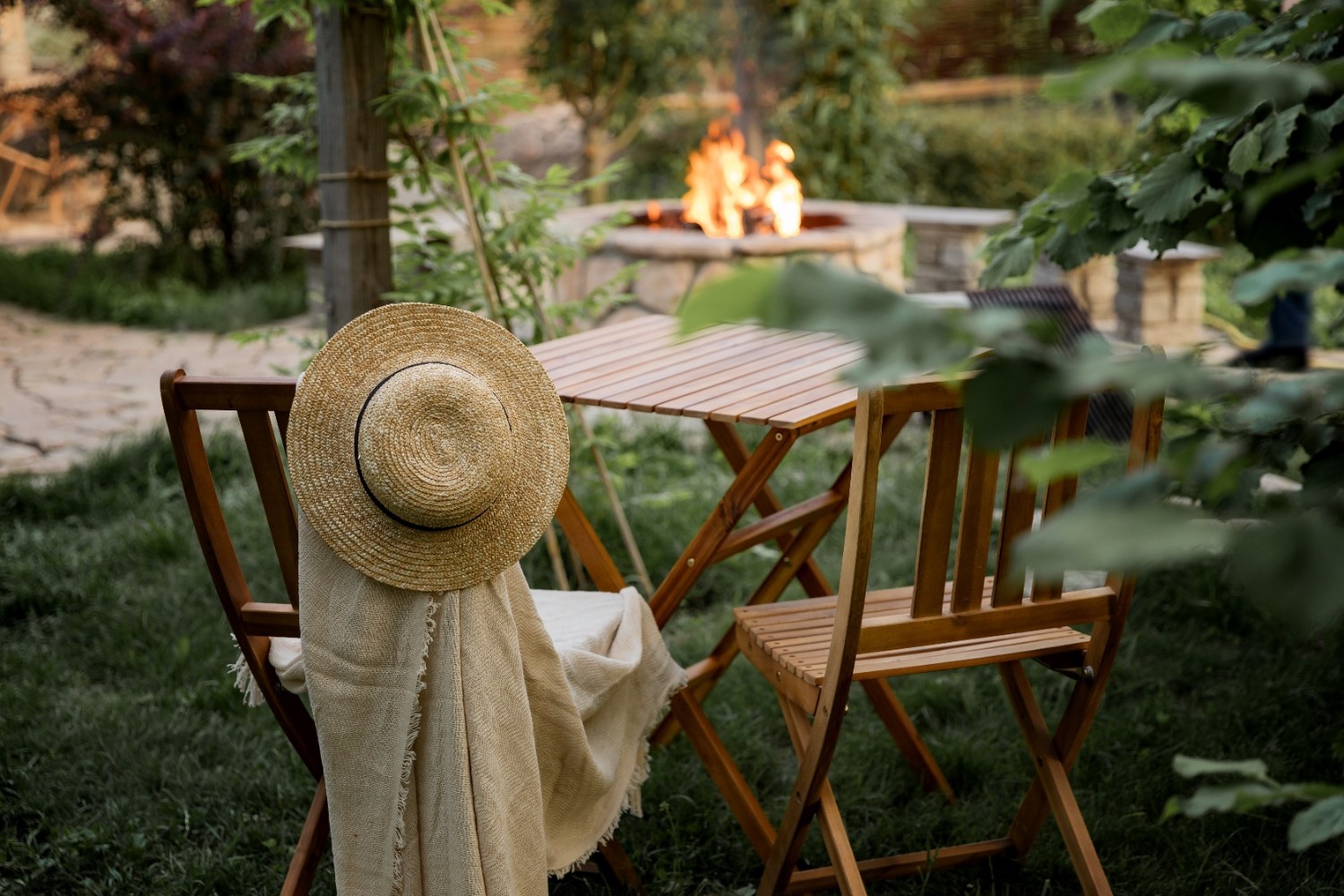
Trends That Stayed: Garden Edition
- Reclaimed and natural-finished wood furniture
- Textured metals and classic swing benches
- Weather-resistant furniture
- Structures that emphasised layering and cosiness with throws and cushions
Fads That Faded
- Uniform, plastic-heavy patio sets
- Coordinated, showroom-style arrangements that clashed with organic landscaping
![Let nature be the grounding narrative around which your furniture is set. [Picture credits: Tanuj Ahuja]](https://images-luxe.outlookindia.com/2026/03/03142133/Pic-4-819x1024.jpg)
Outdoor Stories: Living In The Open
As outdoor spaces became chapters in the home’s narrative, furniture emerged as both setting and storyteller. The best choices—timeless, intentional, and expressive—invite one not just to sit, but to slow down, reconnect, and participate in the ritual of open-air living. Year after year, the trends that endured were those rooted in adaptability, comfort, and the easy beauty of natural forms. As each season passed, it became clear: the story isn’t about furniture alone, but about how we choose to live outside, and how we let those stories find their place under the wide and changing sky.
Suparna Handa is the Managing Director of Sarita Handa