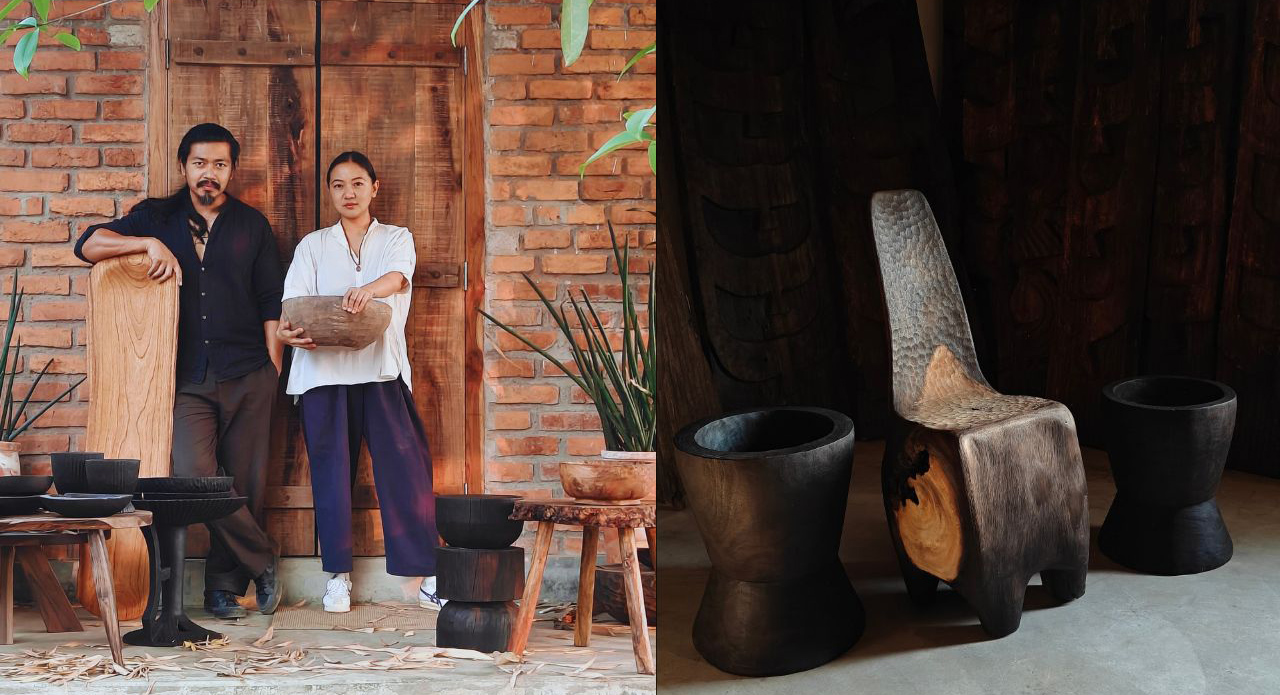


If, on your way to the local morning market in Eralibill, Dimapur, Nagaland, you happen to spot a well-dressed couple crouched by the roadside, sifting through piles of dirt and carrying pieces of wood of every size, you might pause and wonder what they are doing. They will not look lost or out of place, but intensely focused. The man’s hair may be tied in a neat ponytail, a goatee and moustache framing his face, perhaps wearing a black T-shirt and Bermuda shorts. The lady may be dressed in crisp white pants and a neutral-toned top, far too pristine for kneeling in the red dust. You’ll watch them turn over a branch, tap a log, lean in again, absorbed in whatever they are examining. By the time you reach the dry fish shop, they will probably have found what they came for.
Breathing New Life Into Discarded Wood
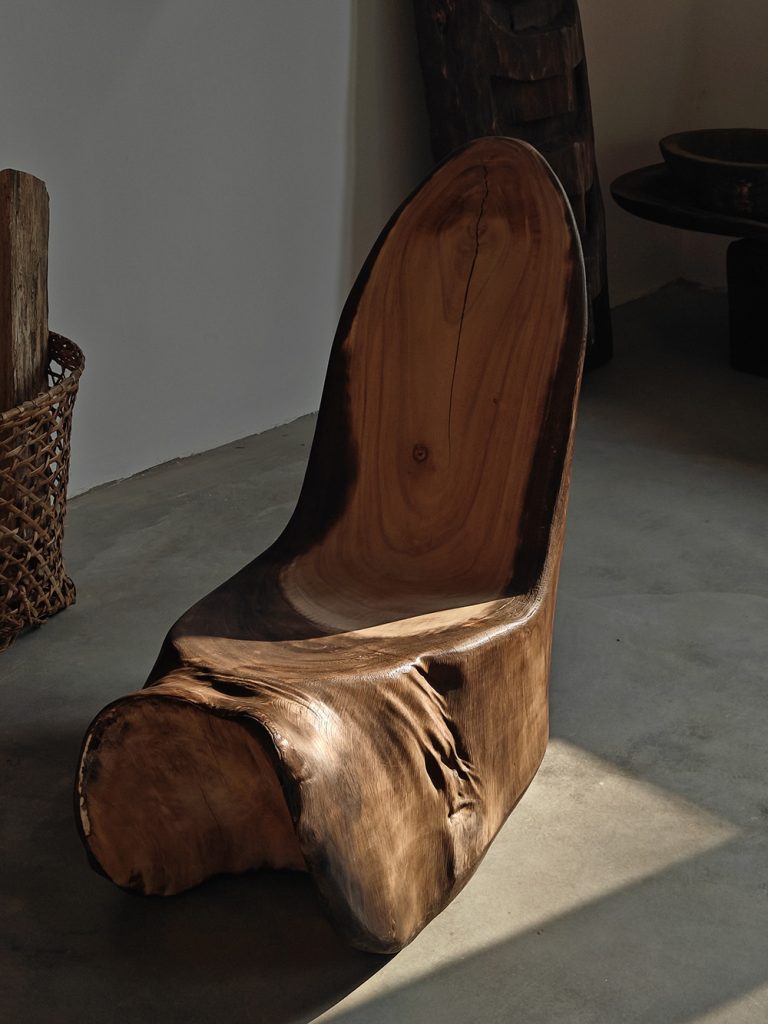
Ajung Yaden and Atem Longkumer, a couple who are both furniture designers, do this often. Long before a chair sits in a client’s home or a table is photographed under soft ambient light, it begins here with something left aside. At the start of our interview, Ajung tells me about a discarded Paroli log that became their now well-known Tashi chair, one of Tribolt’s bestsellers. A relative clearing a garden had asked if they wanted anything from a “trash pile” before it was thrown away.
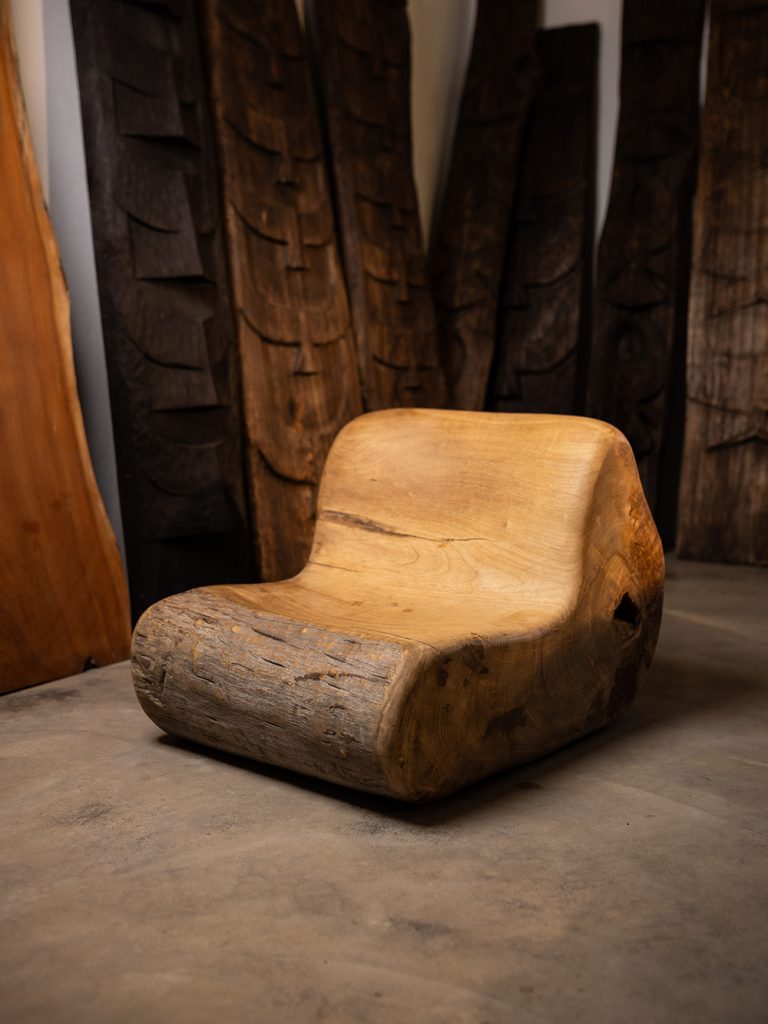
‘There was this one log of wood lying there,’ he says. ‘Paroli is not easy to cut. You have to sharpen your blade at least three times. It’s heavy work, so most people don’t bother with it. But when we saw it, Atem and I thought, “It looks like a chair.” If we hadn’t taken it, it would have rotted. We want to give wood a second chance instead of letting it rot or turning it into fire. So we made the Tashi chair from one full log.’
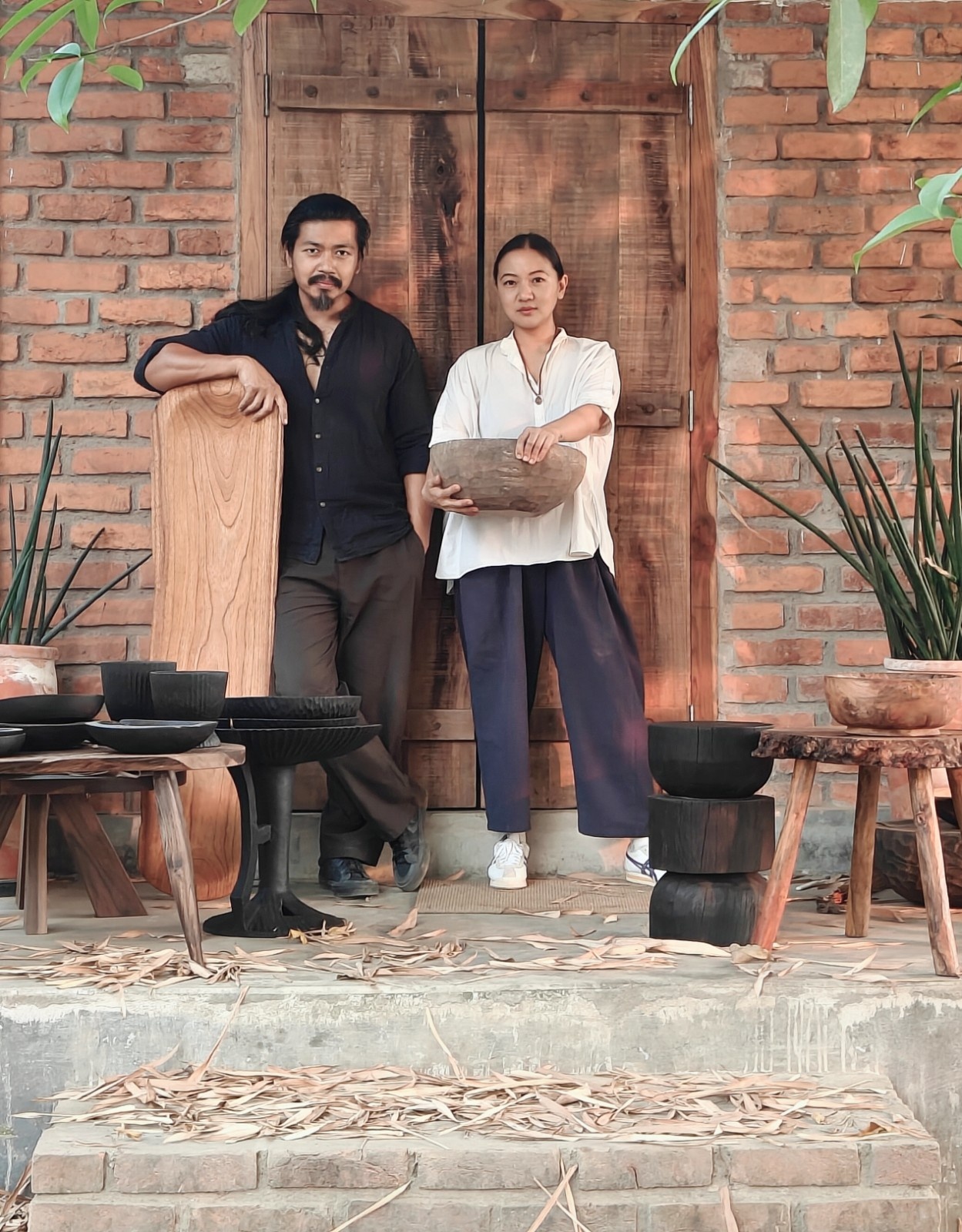
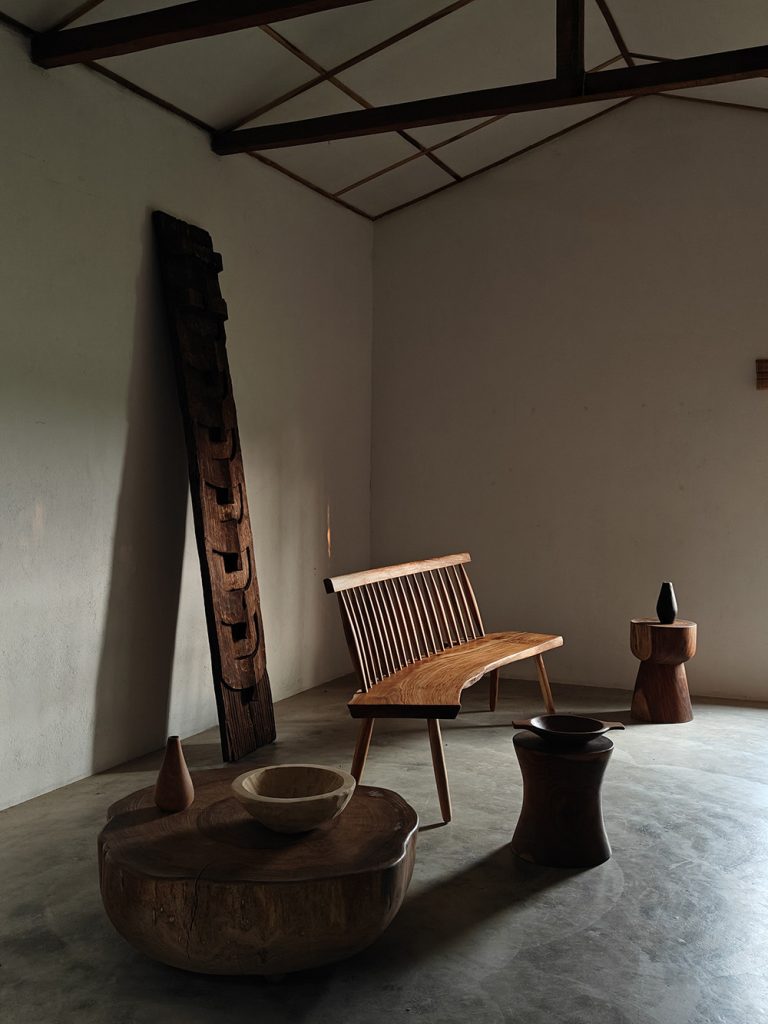
Atem and Ajung approach natural materials with deep respect, ensuring that every piece they create is unique. At Tribolt, they start by selecting discarded, salvaged or rejected pieces of wood from various sources. Then, they carefully craft each piece by hand, often meticulously shaping it to highlight and enhance the log’s natural contours, transforming it into something truly beautiful.
Finding Beauty In Imperfection
They collect wood the way others collect ideas or stories. On walks, at friends’ homes, on drives out of town. At mills. Factories. Every piece, they say, carries its own life, shaped by time. Some are split open, some marked by hollows, some charred at the edges. ‘There are pieces that seem useless to people because of cracks or holes – basically, its imperfections,’ they tell me. ‘We reach out and acquire those.’
Also Read: Threading The Margins Into The Mainstream With Manipur’s East Label
Their work makes sense when you understand where they come from. In Nagaland, wood has never been just material. It has shaped homes, gates, beams and memory.
View this post on Instagram
The Forgotten Art Of Naga Woodwork
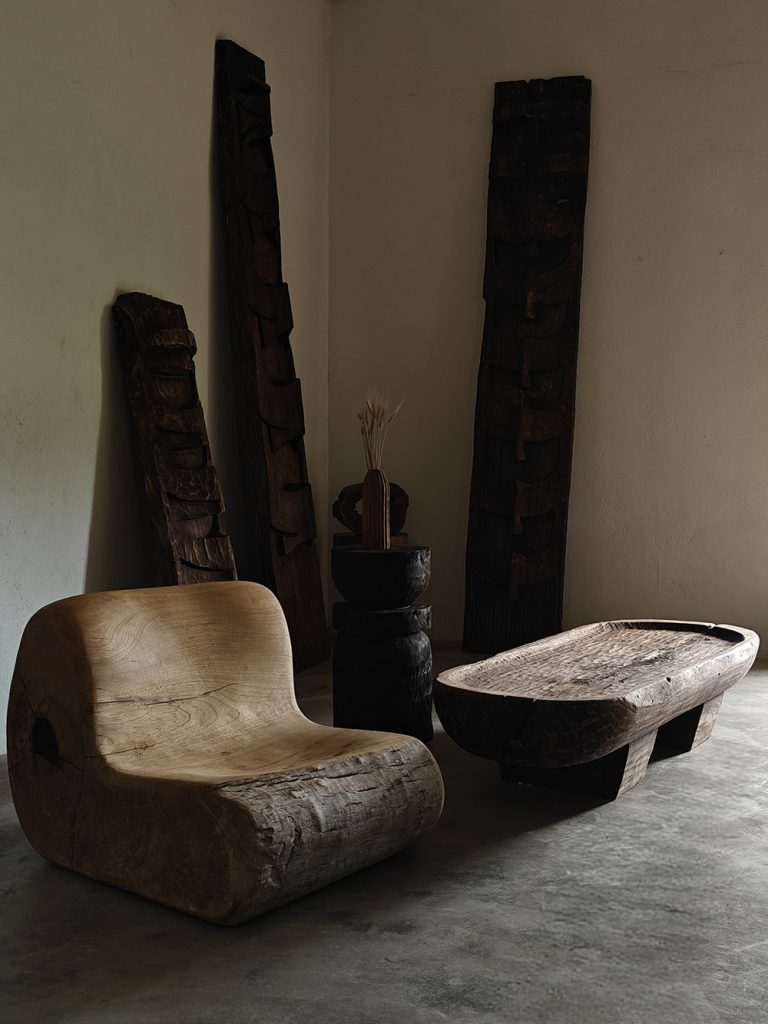
Many Naga men learn woodworking by watching elders rather than attending formal courses. Woodcarving is a traditional, male-dominated art form deeply rooted in the cultural, architectural, and ritual practices of the Naga tribes. Men are celebrated for intricate carvings on village gates, community houses (morungs), and everyday objects, often featuring motifs of mithun heads, human figures, and animals.
Ajung grew up watching his father, who also worked in government service, return home each evening to build things by hand. ‘We used to build things together,’ he says. ‘I was 13 when I made my first piece of furniture.’ It was a study desk. Soon after, he carved the wooden butt of his older brother’s hunting gun when it broke. ‘He asked if I could do it. I carved it by hand. And to this day, I am so proud of it.’
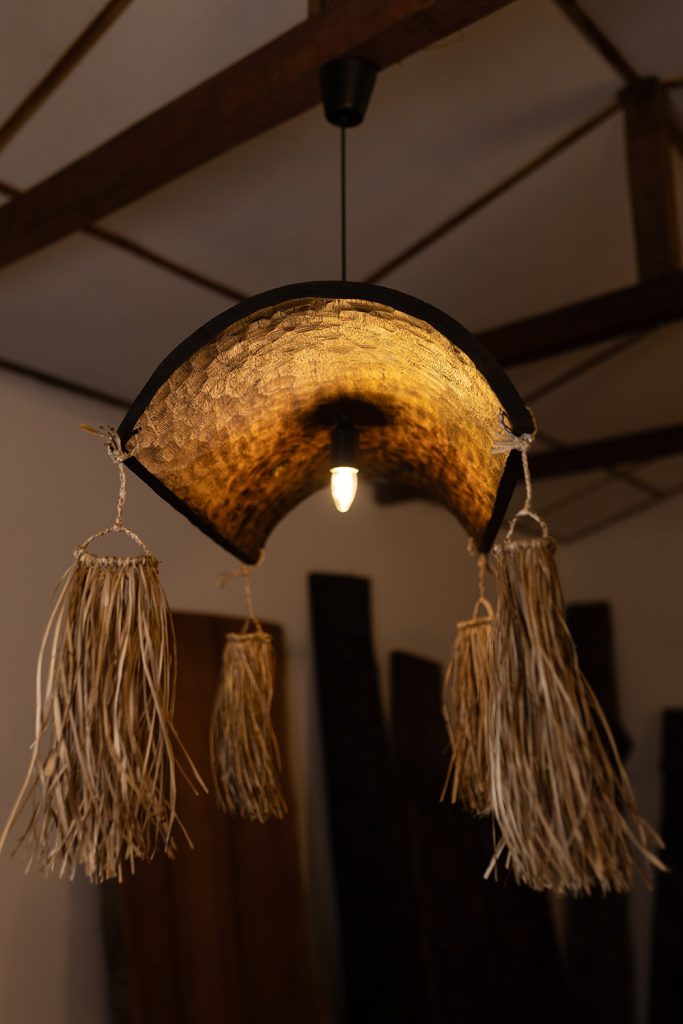
The craft existed long before the brand. Before Tribolt, Ajung had a stable government job. Atem was a stylist. Their lives were steady, but at home he kept building. A coffee table. A chopping board. Chairs.
View this post on Instagram
‘Somewhere along the way, I was getting tired of working in the government service,’ Ajung says. ‘The tension, the whole environment, was not for me. It wasn’t conducive. Atem always saw that when we worked together, when we tried to build things for our friends or ourselves, that was the time we were the happiest.’
Also Read: 9 Interior Design Trends Dominating 2026

Building Tribolt From The Ground Up
The early days were uncertain. Atem laughs as she recounts how she became an unpaid odd-job runner, a sort of daily wager, when they were just starting their venture. A chai wali when needed, a carpenter, hired help, a cook, while Ajung worked in his shed shaping wood into something more than furniture.
They had basic hand tools and no proper workshop. ‘He worked outside the house,’ Atem says. ‘When it rained or on days when the Dimapur sun was too strong, we would cover the space with a plastic sheet.’ From that improvised beginning grew a body of work that now travels far beyond Nagaland.
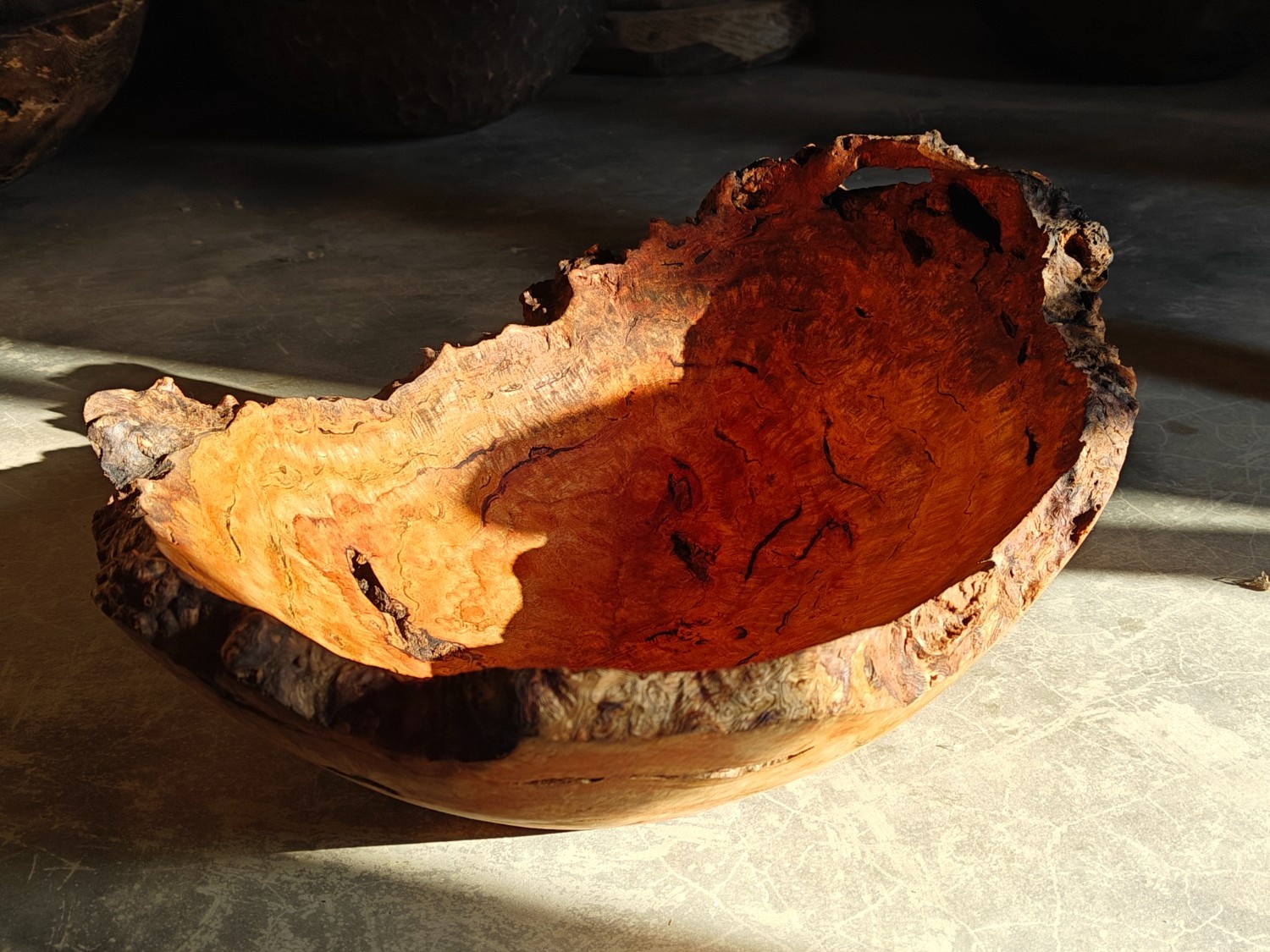
Engrained By Tribolt
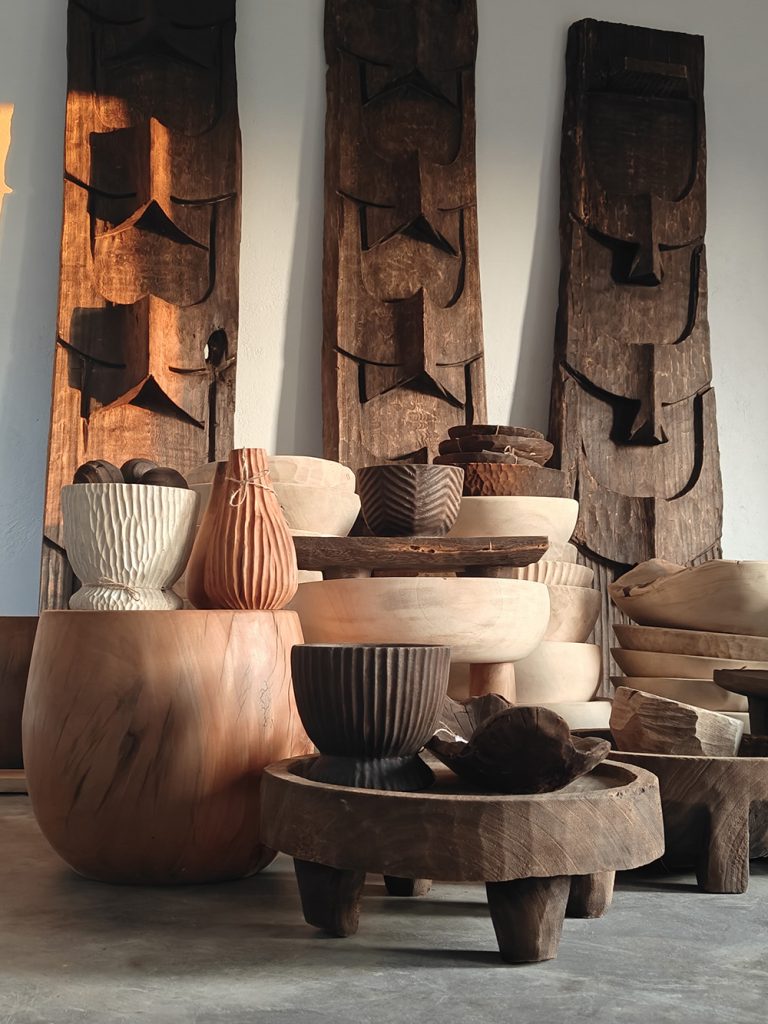
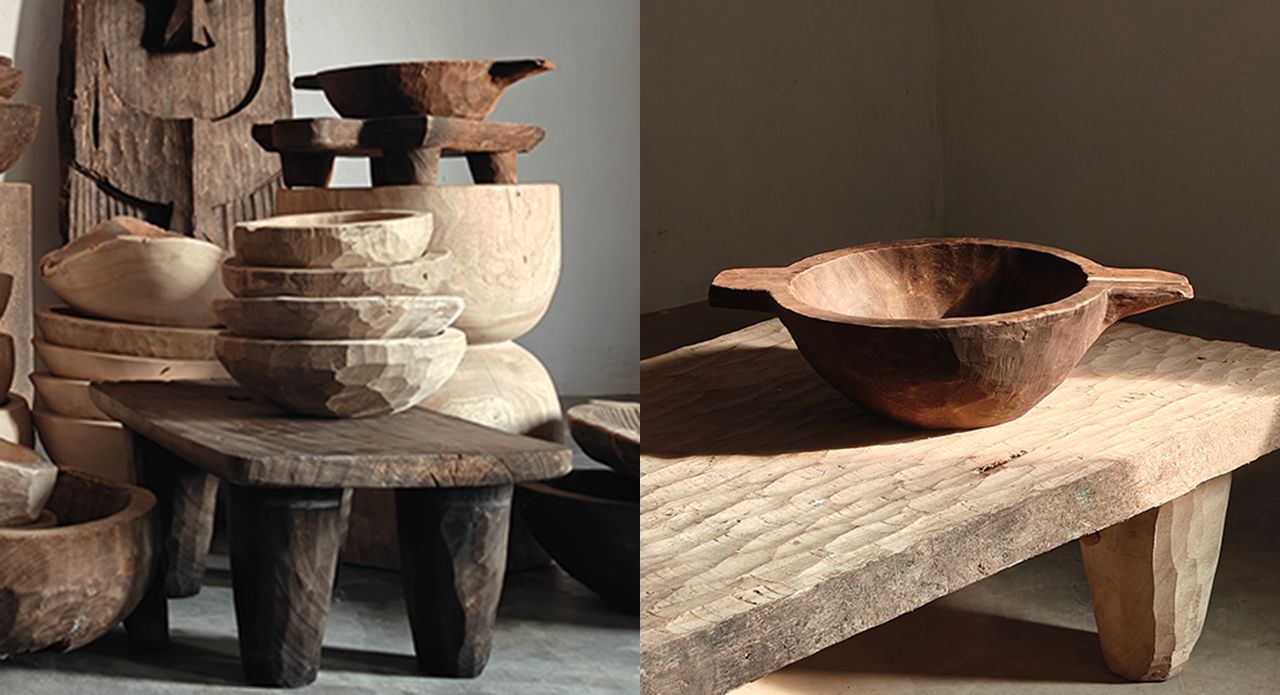
They have now expanded and launched Engrained by Tribolt, a quieter extension of their vision. It focuses on smaller pieces, chopping boards, spoons, trays, bowls, lamps, objects meant for daily use. Atem says that as the lady of the house she was always responsible for gifts during family occasions. Ordering décor from other parts of India often meant receiving broken pieces after the long journey to Nagaland. From that frustration, the idea for Engrained took root. ‘We had a lot of wood of all sizes, leftover pieces from making larger furniture. Since we believe in sustainability, we thought, why not create homeware where people can just quickly pick something before heading out for occasions? Not big pieces, but small boards, plates, spoons.’
Also Read: Inside The New Language Of Luxury Tablescaping In Indian Homes
But long before any of these ventures, before the recognition and the spotlight, Atem had always known that Ajung could work wonders with his hands. She smiles as she recalls their wedding. ‘I told Ajung, “for our wedding, I don’t want to buy the ring box. I want you to make something with your hands because it has to be personal.” He did. He made this really nice box. And to this day, I still have it. It’s not even broken, still perfect.’
‘Right from the beginning, even when we were dating, he would make things for me,’ she says. ‘I love necklaces, earrings, so he made something for me to hang my earrings and stuff.’
View this post on Instagram
Much before there was a workshop or a name, there were these quiet gestures – wood shaped by hand, offered with care and love.
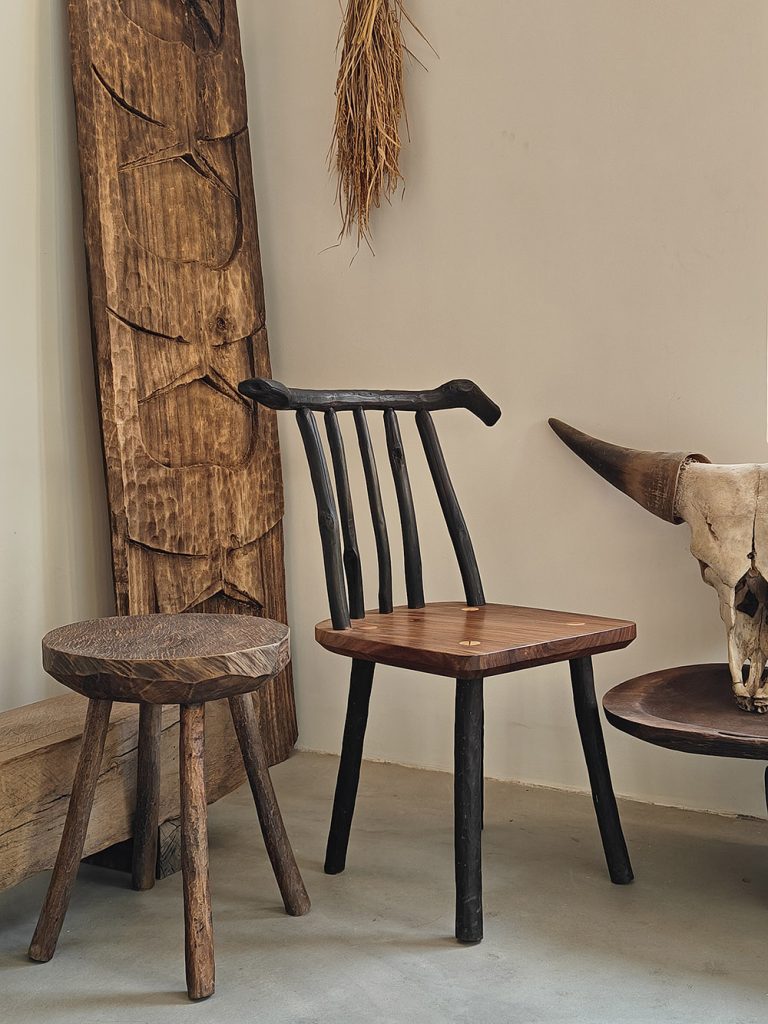
Sustainability As A Way Of Life
For them, sustainability is not just a word or something people say to stay relevant. ‘It’s very important to us because we have to respect the environment,’ Atem says. ‘We want to create pieces that last and have meaning. We work with the natural characteristics of the wood and allow each piece to express itself.’ In their effort to keep age-old traditions alive, the duo root every creation in traditional Naga hand-carving techniques, seamlessly blending them with contemporary design sensibilities. The result is a thoughtful dialogue between the ancient and the modern. Many of their pieces also incorporate sustainable practices such as coppicing and pollarding – traditional tree management methods that encourage healthy regrowth by carefully cutting back trees.
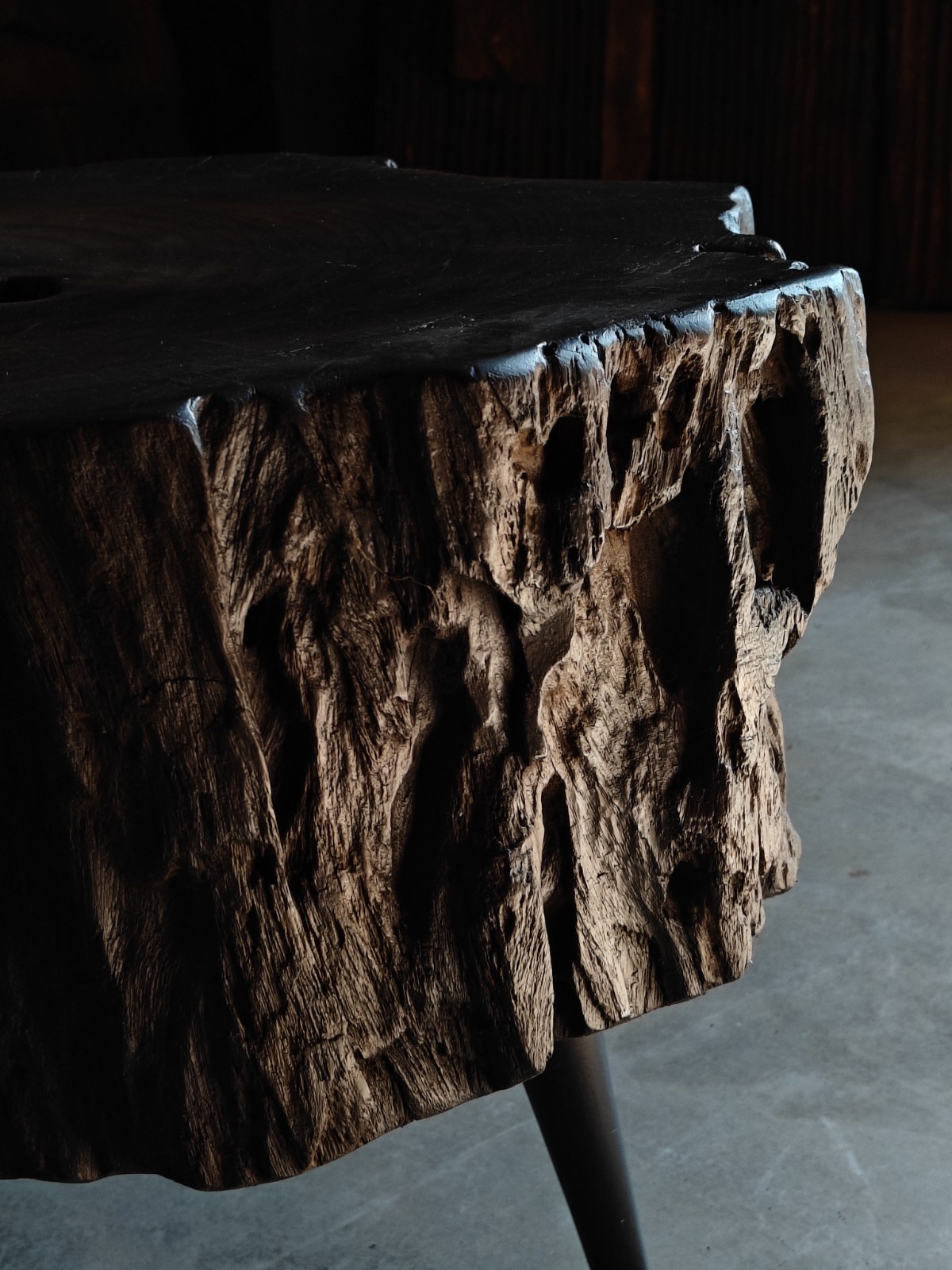
Staying “Naga”
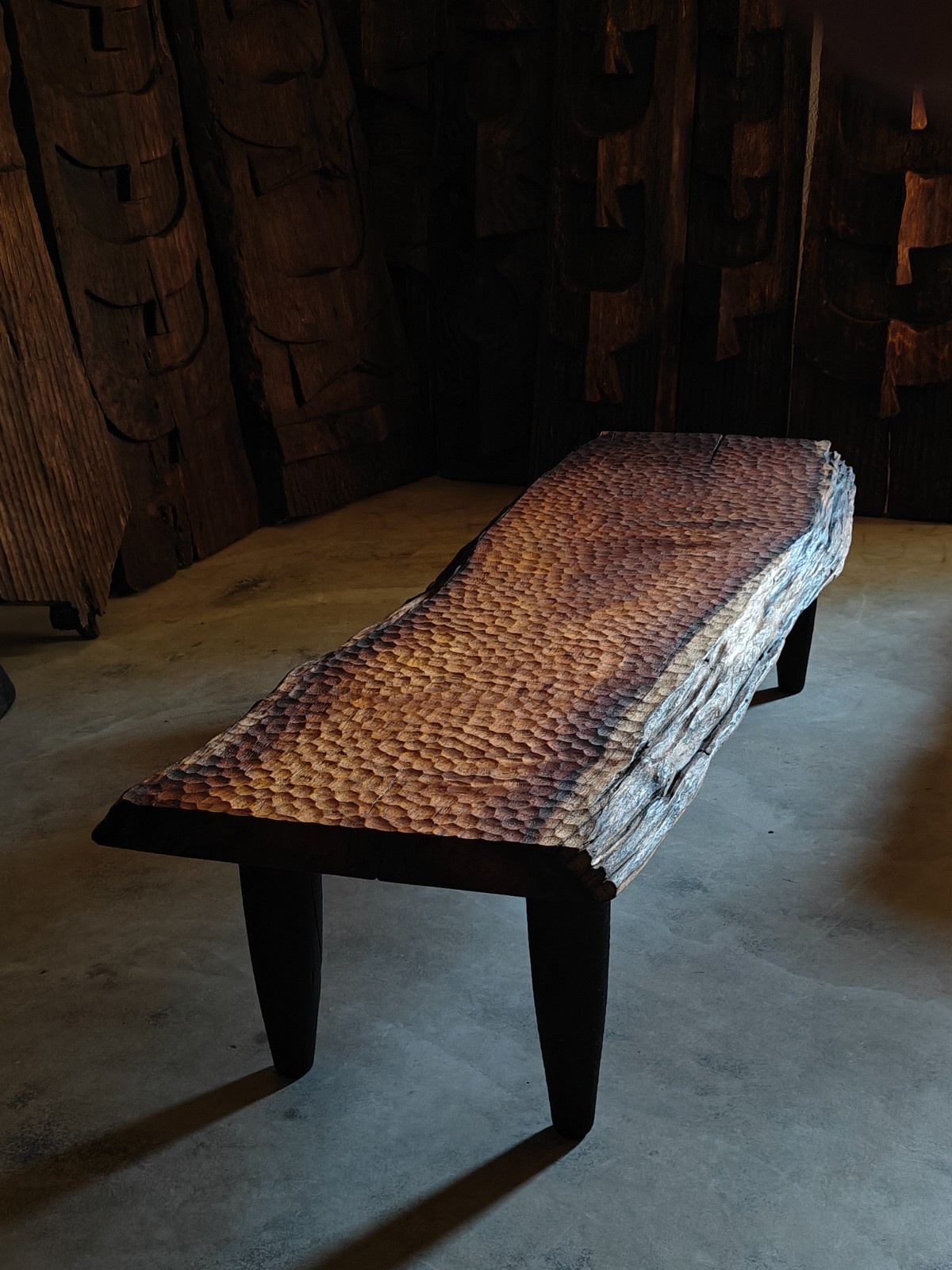
Beyond technique, their cultural commitment runs deep. Most of their products bear colloquial Ao Naga names, an intentional choice that anchors each piece to its linguistic and cultural origins. They want people beyond Nagaland to see the Nagas as they understand themselves. Design, for them, is a way of speaking about identity. Each piece carries traces of home, details that cannot be reproduced elsewhere. They also collaborate with local artisans and bring in young Naga interns to learn traditional techniques. The dao (traditional naga machette) and the small hand chisel is still used in much of their work. ‘We don’t want to copy what others are doing just because it’s successful,’ Atem says.
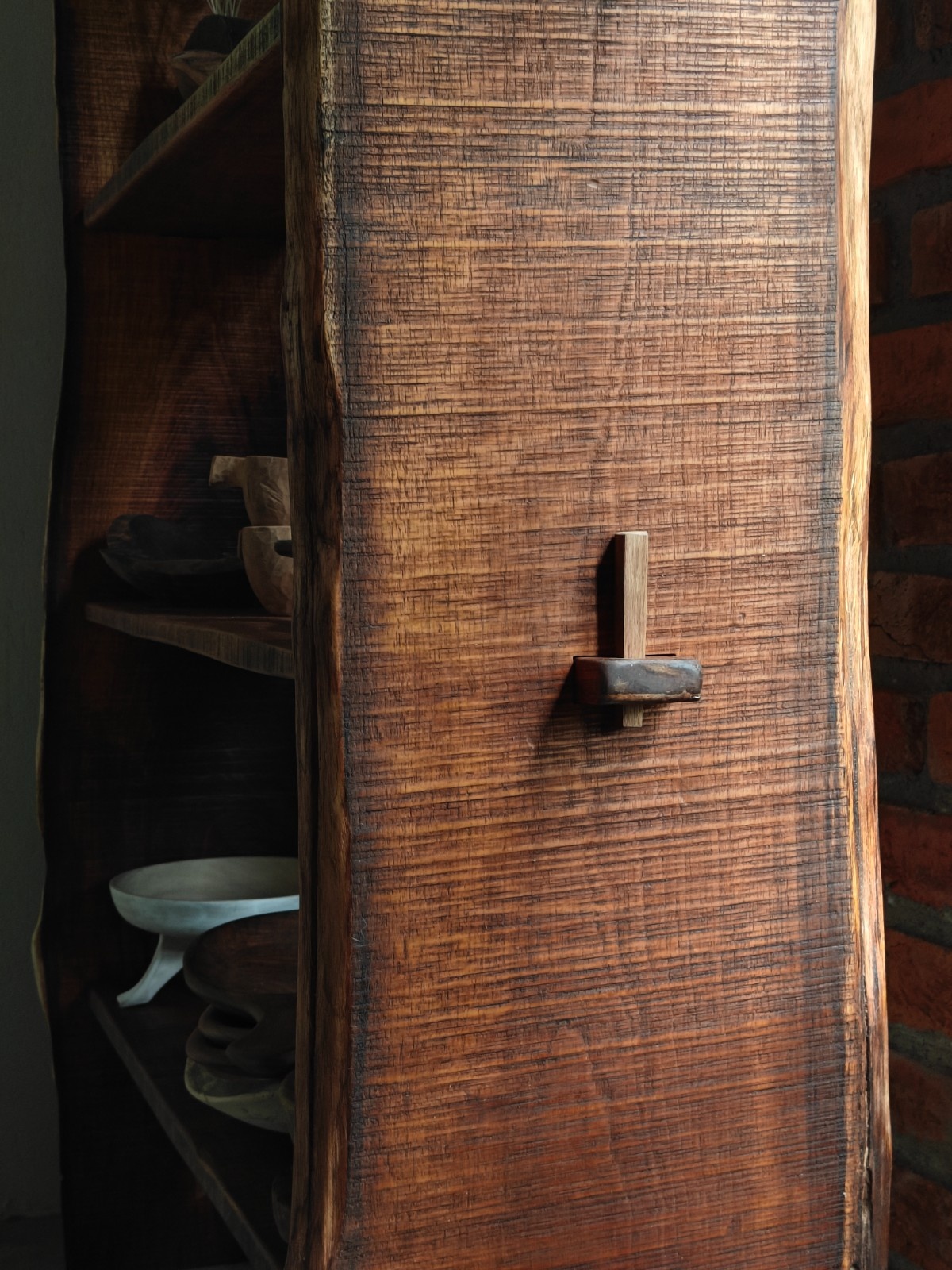
‘Being true to yourself and designing what you are passionate about is important. When we talk about heritage, for Ajung and I, we believe heritage teaches sustainability. We use local wood and local tools. In fact, many of the techniques we use are disappearing, and we want to preserve their use and allow the younger generation to learn it before we forget all about it.’
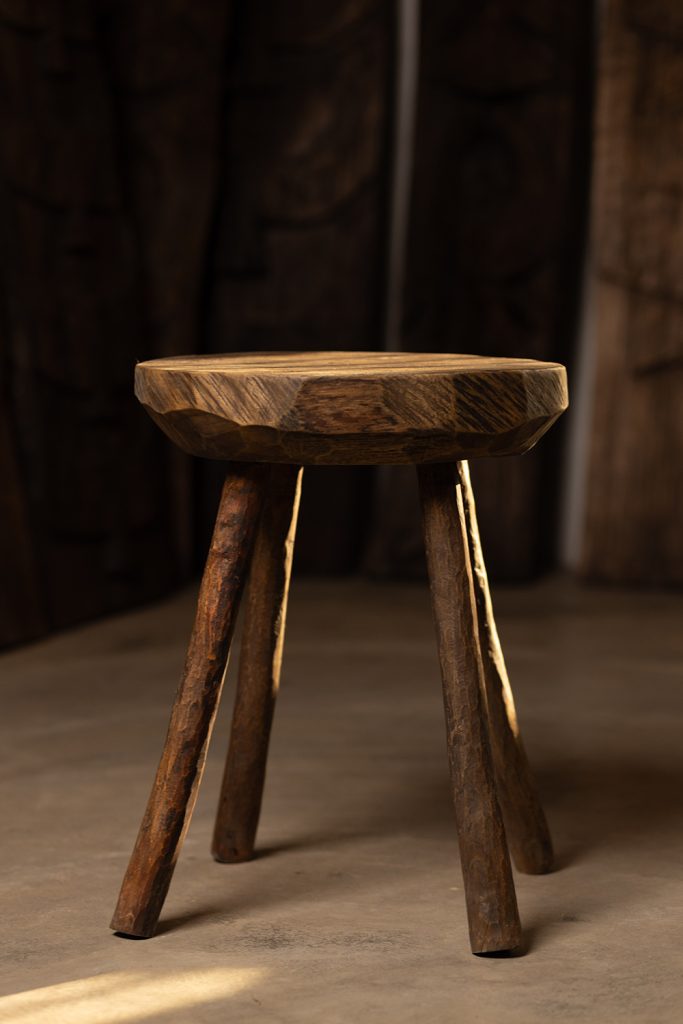
Their partnership is practical and instinctive. Atem brings her sense of proportion and styling. Ajung builds, and thinks about strength and structure. ‘He’s the craftsman,’ she says. ‘He’ll tell me if something is possible with a certain wood or if it will be strong enough. So I always consult him.’ Ajung smiles. ‘Something may look good, but it has to last. I think about the joints and the angles. Then she suggests aesthetic and practical changes, and we arrive at the design together.’
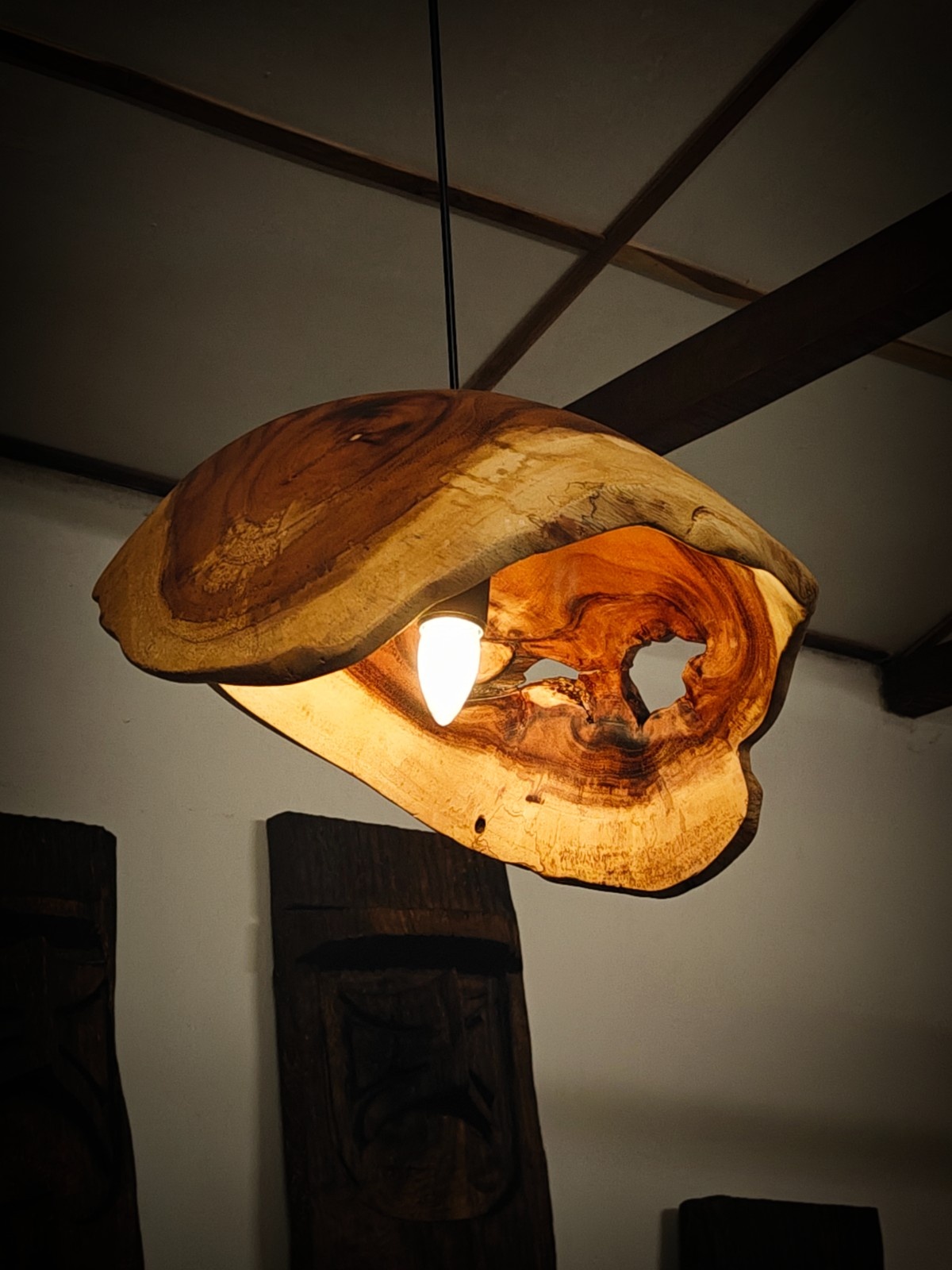
Even their children shape the work. Ajung recalls a table pattern their son said looked like a honeycomb. ‘That’s how we created the Asep collection. Asep in our Ao dialect means beehive.’
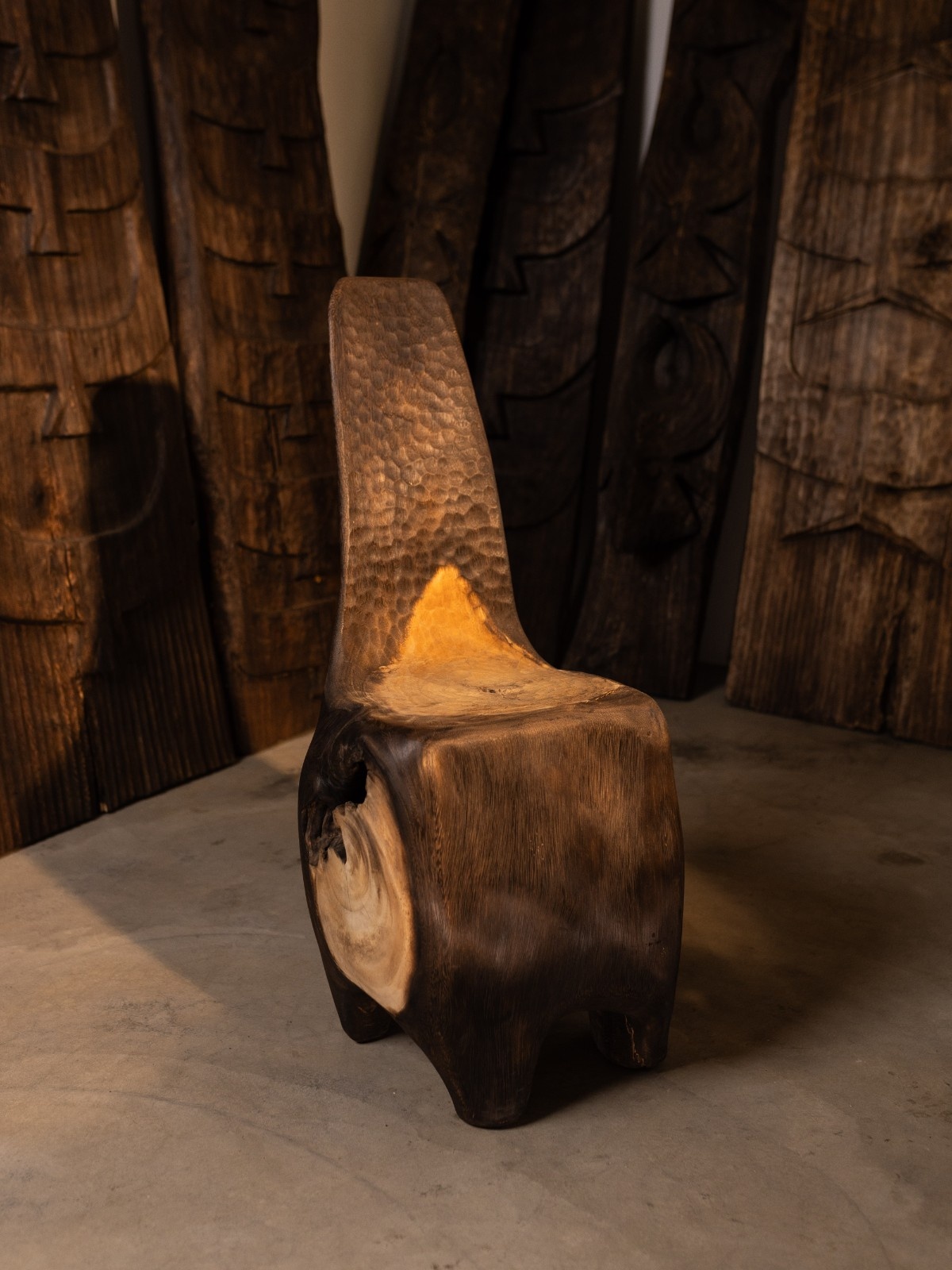
Sometimes a log rests in their yard for weeks before they touch it. ‘There was one we looked at every day for almost a month before we figured out what the wood wanted to be,’ they say. They are not in a hurry. ‘It takes time. We don’t want to make something just for the sake of making it. We want to do the wood justice and give it a second life. It has to be meaningful and beautiful. You are going to sit on it, touch it, build memories around it. So it has to be comfortable. All those angles take time.’
You should know that at the heart of every Naga home was never just a structure of wood and bamboo – it was a living archive. Stories were etched into pillars and morungs, the village gates that guarded both space and memory. Atem and Ajung carry the soul of Naga craftsmanship into contemporary spaces, allowing it to breathe, to live, to speak. For, culture, as we know it, endures not only in words, but in the hands bold enough to keep shaping it.
For this dynamic design duo from Nagaland, every piece of wood has a story, a will of its own. ‘The wood tells us what it wants to be,’ Atem says – and all they have to do is follow its voice.