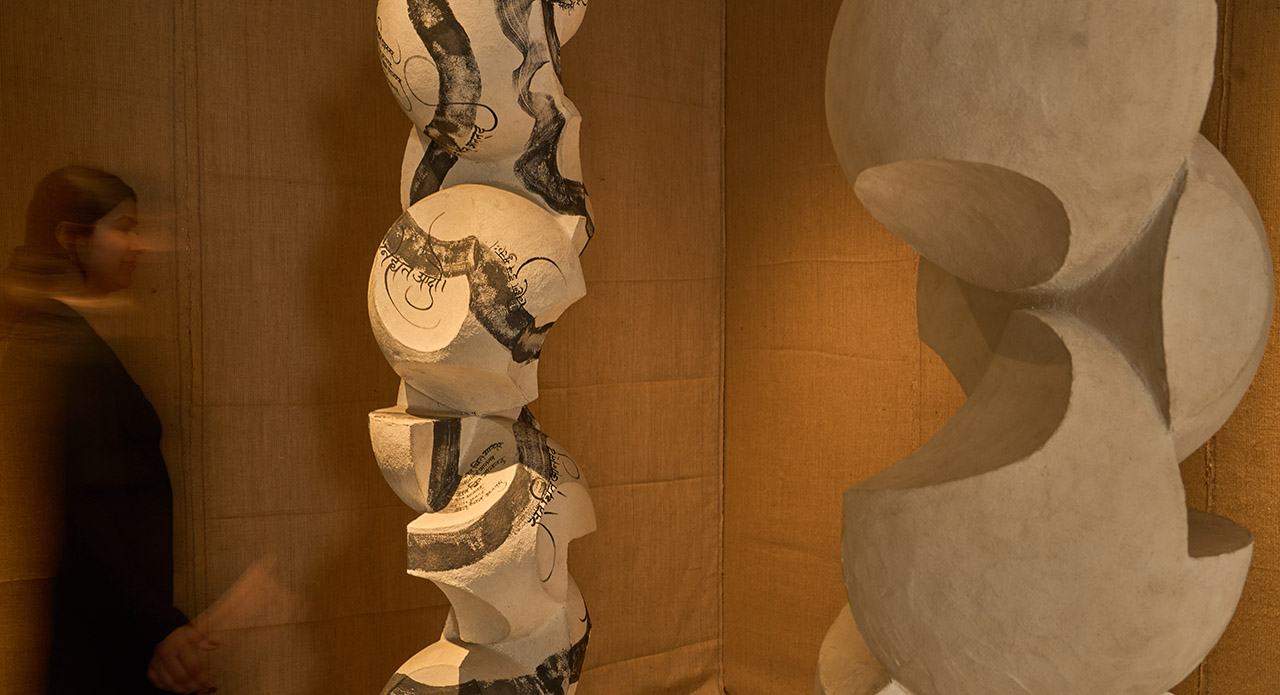


To make something handmade in an era where everything is engineered for speed, efficiency, and uniformity is to craft something unique and eternal. In a world where convenience is celebrated over efficiency, something handmade stands out as an act of defiance, resisting the disposable. The intention and care that go into making something by hand imbues it with a depth of value that machinery cannot replicate. Apart from being unique in a world of cookie-cutter designs, what value exactly is offered by handcrafted products?
Say Yes To Handmade Decor
The Value Of The Human Touch
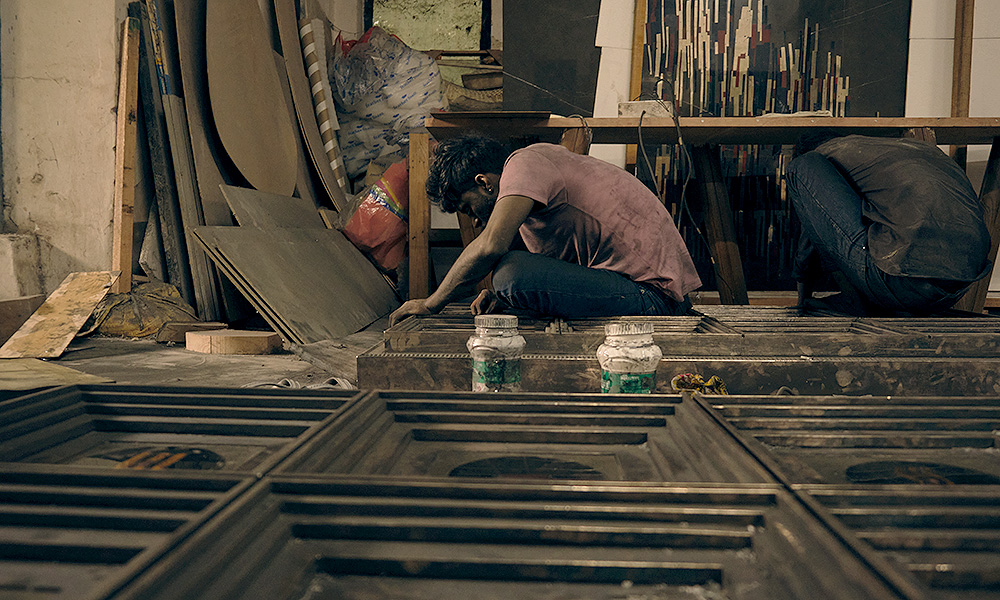
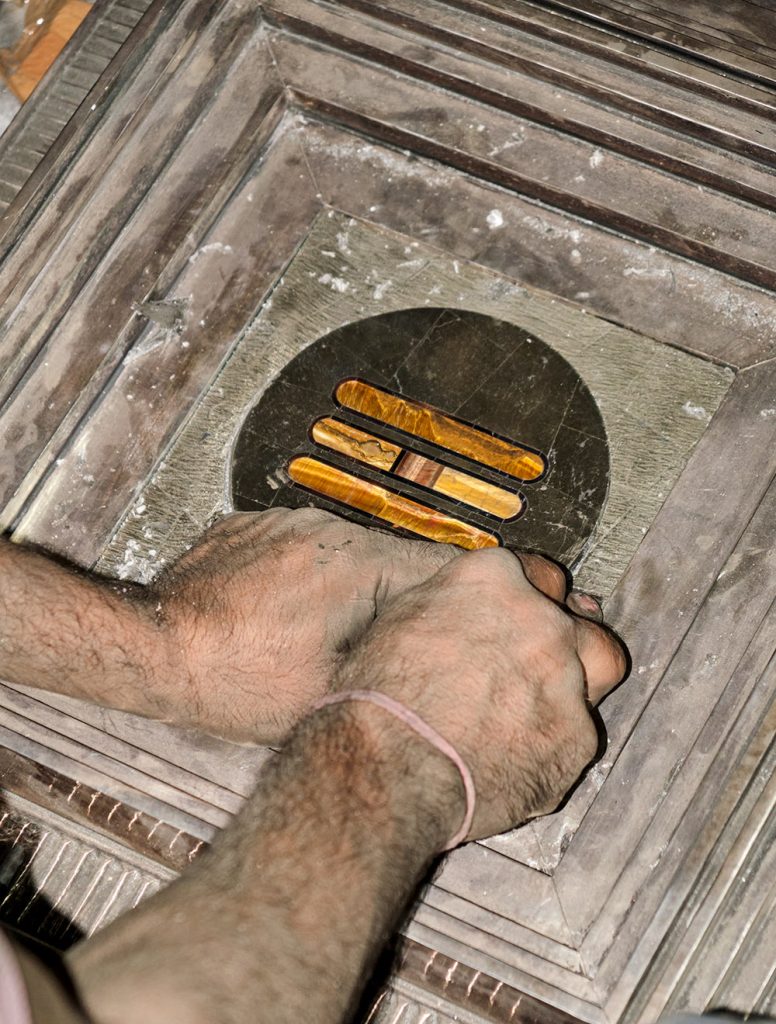
Every handcrafted object is an imprint of the person or people who made it. Its small irregularities and slight imperfections aren’t flaws but signatures, adding a tactile richness to the item. They remind us that behind each creation is a pair of hands, a trained eye, and years of accumulated skill. From a hand-thrown ceramic bowl to a finely inlaid wooden surface, these details engage our senses and connect us to the human effort and time that went into them, making them a personal treasure. Imperfections like uneven glazing on pottery or the grain variations in wood tell stories about the artisan’s mood, environment, and technique, activating sensoriums through warmth, texture, and scent. Kintsugi, a traditional Japanese artisanal technique in which broken ceramic items are repaired with gold, celebrates the symbolic resilience of perceived flaws.
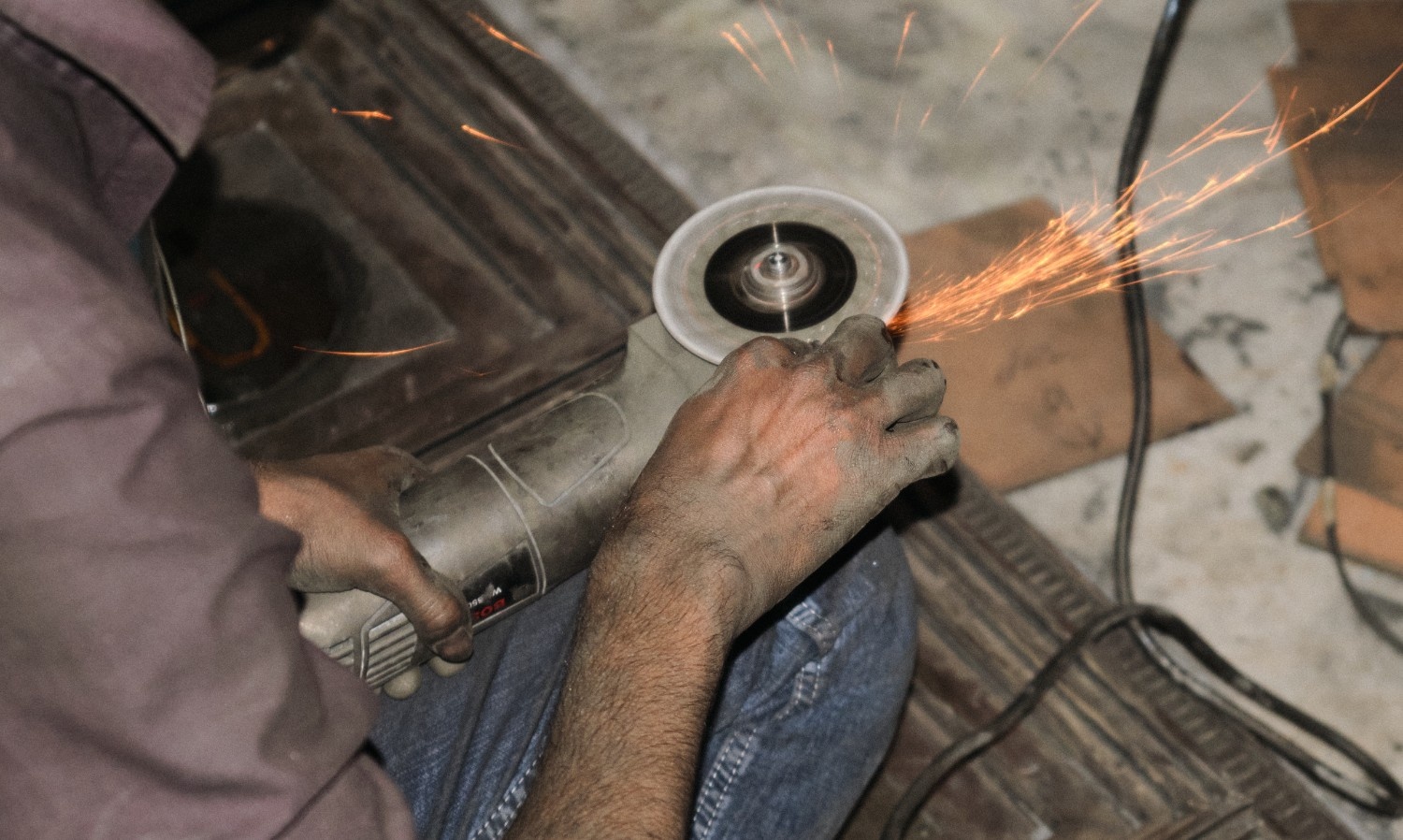
Even mass-production giants like IKEA recognised the human need for connection by encouraging people to build their own furniture, because the act of making, however small, carves out meaning and an emotional resonance that sterile machine outputs cannot replicate. Psychological studies have shown that people value objects more when they know the stories behind them and their makers, fostering attachment and breaking the pattern of impulsive discarding prevalent in this fast-paced world.
Also Read: Inside India Design ID 2026: Travelling through The Age Of Design Syncretism
Slowing Down In A Fast World
In a fast-paced world that barely notices the little details around us, the concept of slow living has gained popularity for its ability to ground the human mind and make one mindful and appreciative of small details. The handmade invites one to pause and encourages us to choose pieces made to last. The 2-week design-to-shelf cycles of mass production, popularised by the fast-fashion industry, have fuelled a damaging cycle of mindless purchasing. Handmade items, such as hand-stitched clothing or quilts, disrupt this practice by promoting greater mindfulness.
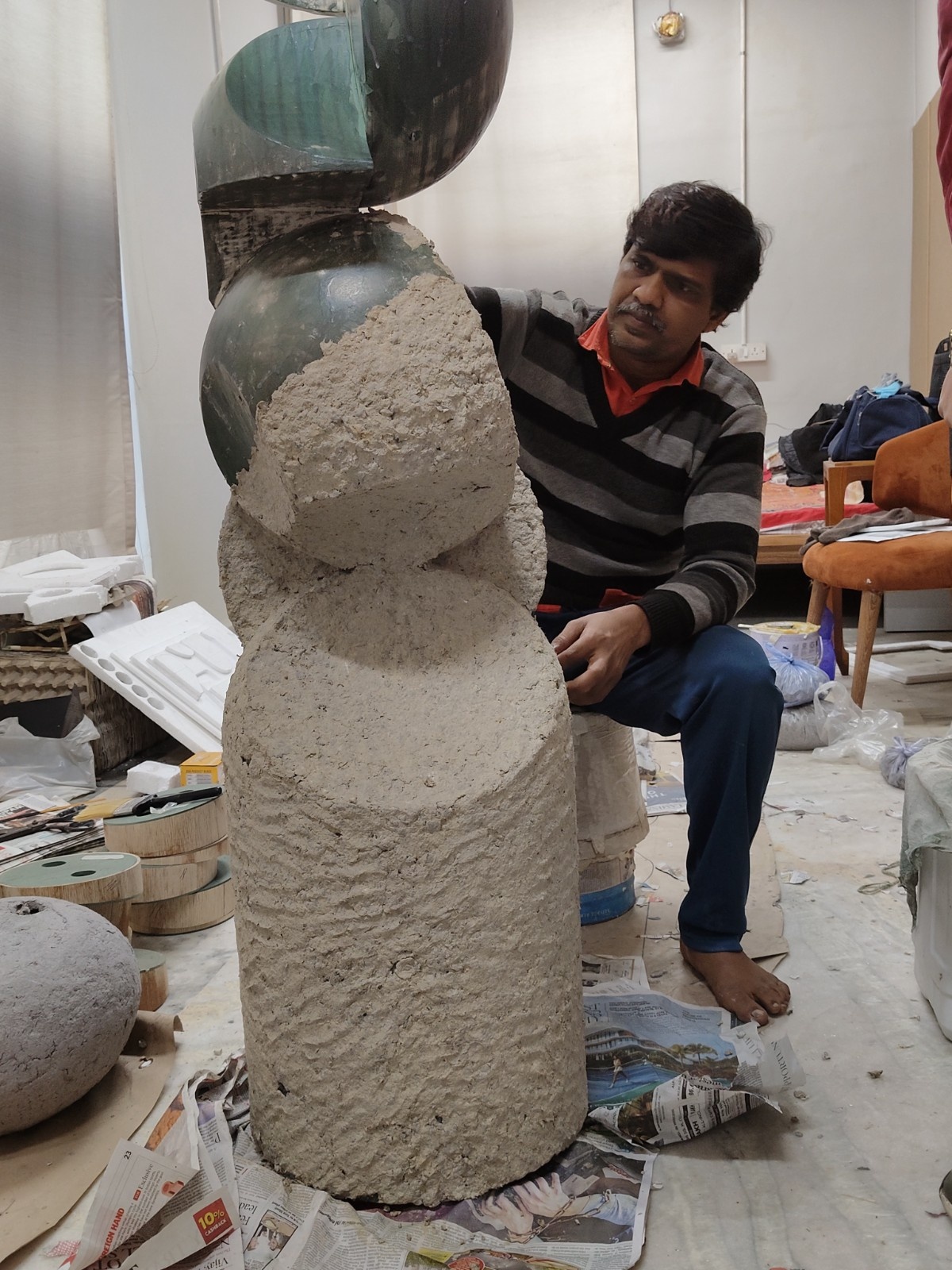
There is beauty in waiting, in knowing that something is being made slowly and deliberately, with care. Waiting for a custom-made item even heightens patience, and the anticipation of receiving and owning a product, rather than the instant yet short-lived gratification fuelled by instant delivery, which is further worsened by planned obsolescence, a trend becoming increasingly widespread in the tech industry. This approach is more philosophical, embracing and valuing quality over quantity and meaning over novelty. It’s a way to ground ourselves in an increasingly digital, fast-paced world and to create environments that reflect depth.
Supporting Craft And Community
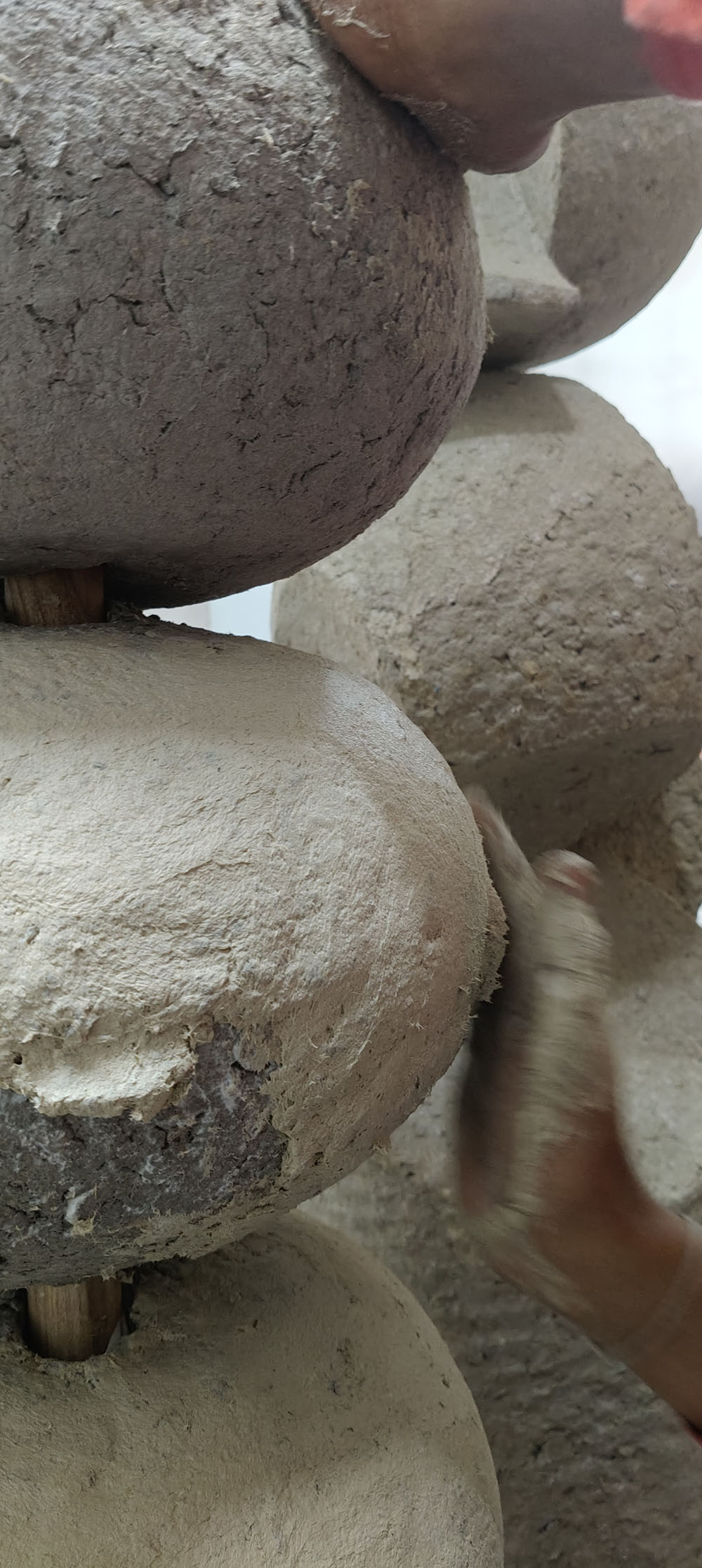
The social impact of handmade extends far beyond the object. It encourages dignified employment, empowers communities, and builds intergenerational continuity in craft clusters. When we invest in handmade, we invest in people and not machines, thereby supporting decentralised, inclusive economies that allow artisans and craftsmen to thrive in their own geographies rather than being displaced by industrial centres. The khadi weaving communities in Bengal and the Oaxacan potter communities in Mexico sustain their family traditions, keeping their craft languages alive and, in turn, preserving intergenerational knowledge systems and preventing cultural loss amid intense pressures to adopt fast production patterns in a globalising world. By building physical and digital communities around craft practices, we can cultivate artisan-buyer relationships by appealing to the desire for human connection and by placing storytelling at their core.
Building A Sustainable Future
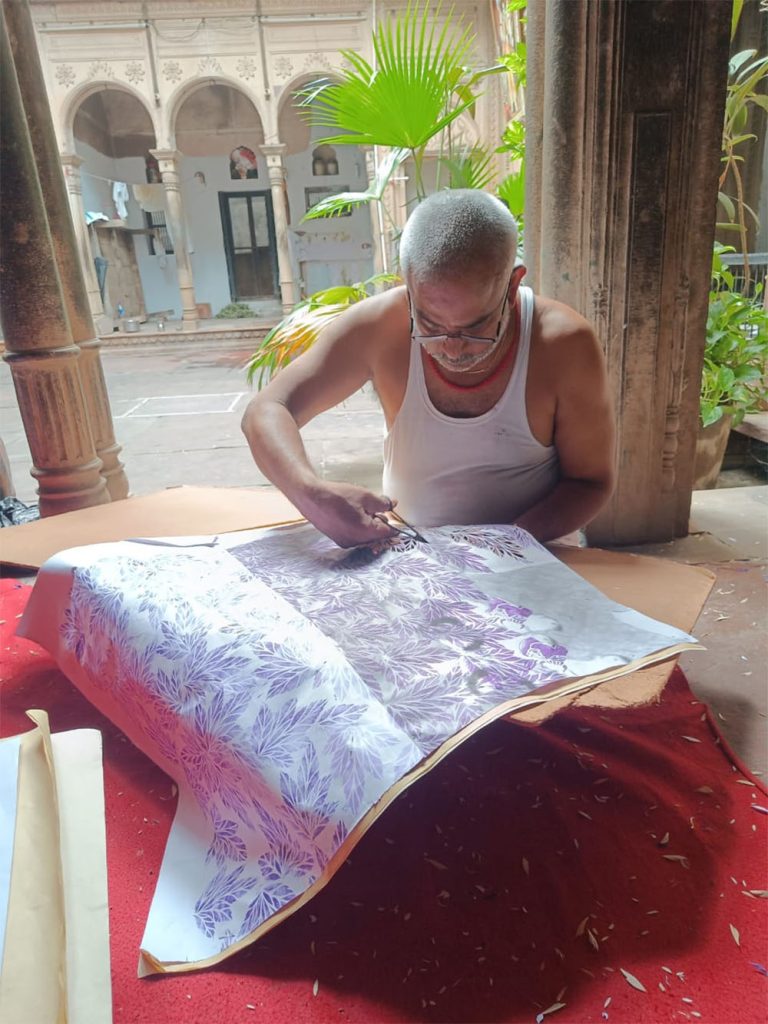
From a sustainability perspective, handmade production naturally slows down consumption. According to a lifecycle analysis by the MacArthur Foundation, durable handmade items that favour longevity over fast, disposable alternatives last 5-10 times longer than fast-fashion or mass-produced items. Even in terms of efficiency that hinges on materiality rather than speed, handmaking uses more local and natural resources, requires minimal processing, and offers a counter to mass production, which is responsible for high levels of global emissions, landfill contributions, and other forms of pollution. A move towards handmade, which promotes small-batch production within home set-ups and studios, also supports circular-economy goals and a reduced carbon footprint. This shift helps combat the culture of overconsumption and offers an alternative model of growth, one rooted in values rather than volume.
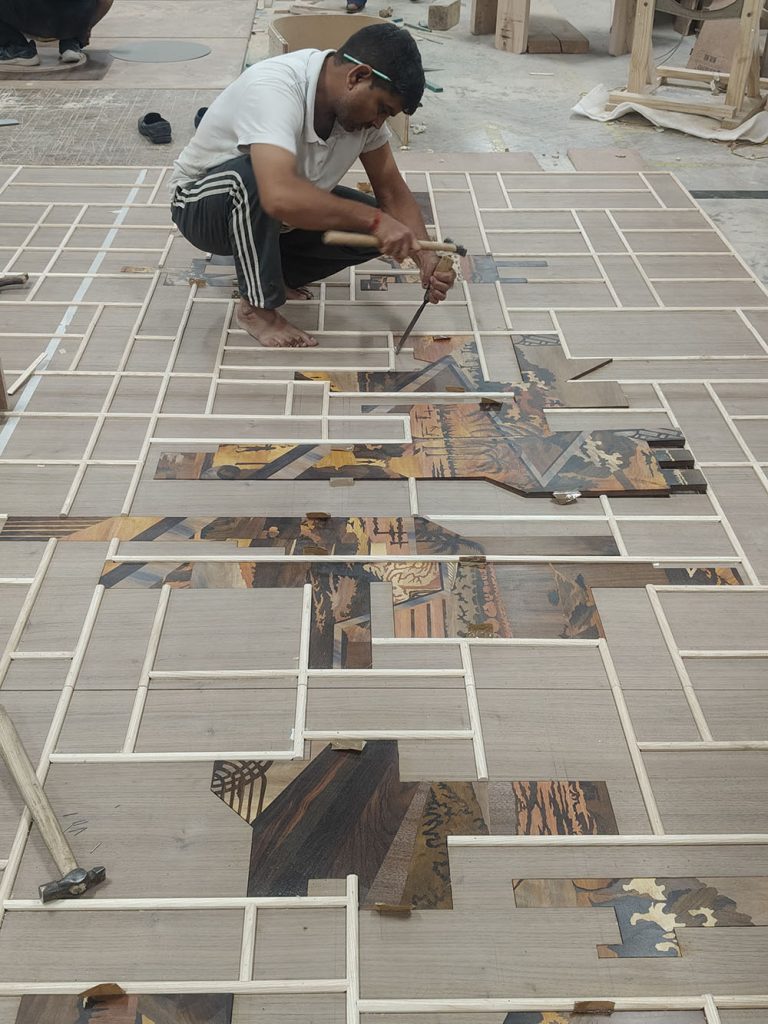
By engaging with handmade craft, we’re not just working towards beautiful objects; we’re participating in an ecosystem that values process over product, collaboration over consumption, cultural continuity over convenience, and people over profit. Through a simple yet impactful shift in how we consume, we can preserve cultural knowledge, resist homogenisation, and safeguard our heritage for the future.
Joya Nandurdikar is the Founding Partner at Untitled Design, a New Delhi-based award-winning, multidisciplinary design practice that has defined innovation and excellence in architecture and interior design for over two decades.