

Every project reaches a moment where the drawings are complete, the contractors have left, and the space looks finished. Walls are painted. Floors are polished. Furniture is delivered. On paper, the home is done. In reality, this is when the most critical work begins.
Why Styling A Home Is So Important
In one of our residential projects, a double-height living room was designed with perfect proportions. The ceiling volume was generous. The glazing brought in controlled daylight. The furniture layout worked as planned. Yet once everything was installed, the room felt unsettled. The sofa floated awkwardly. The seating arrangement looked correct, but felt unused. Conversations gathered near the edges instead of the centre. Nothing was wrong architecturally. Nothing was wrong in design. What was missing was resolution.
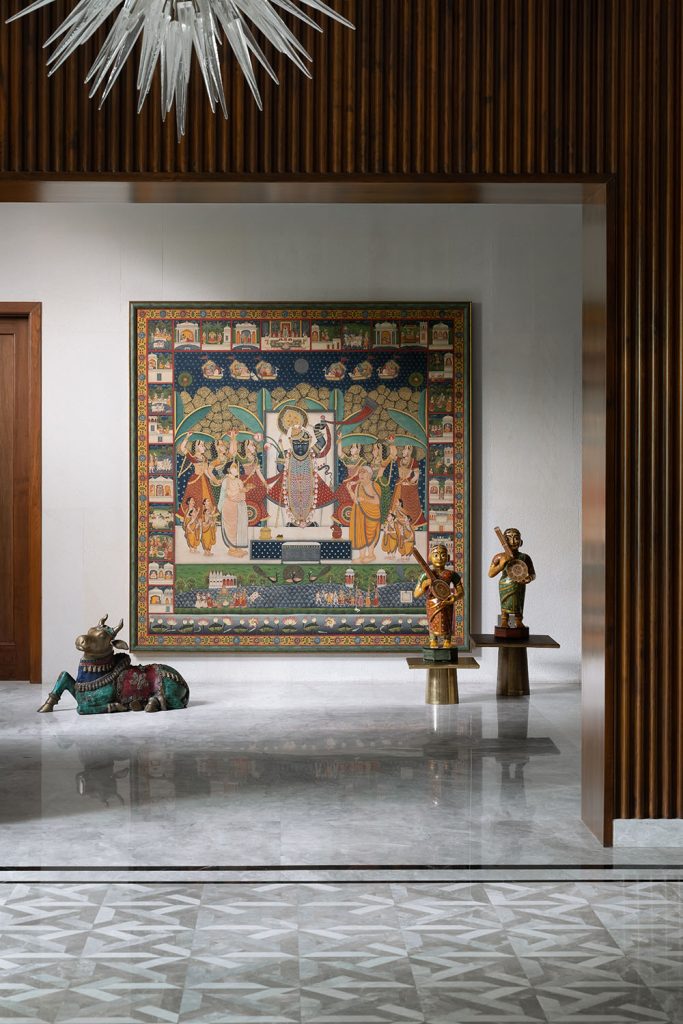
Styling addressed this without changing a single structural or design element. A rug with more visual weight grounded the seating. Side tables were repositioned to shorten the distance between users. One oversized object was removed entirely, allowing the volume to breathe. The room did not gain more. It gained clarity. The space began to function as it was always meant to. This is the role of styling. It completes the design by responding to reality. Architecture defines space. Design organises it. Styling tests it against daily life.
Beyond Drawings: Testing Comfort And Finding Personal Style
A drawing can predict circulation, but it cannot predict pause. A render can show balance, but it cannot measure comfort. Only once people move through a space does its truth reveal itself. Styling works in this final stage, where proportions meet human behaviour and where design decisions are either confirmed or quietly corrected.
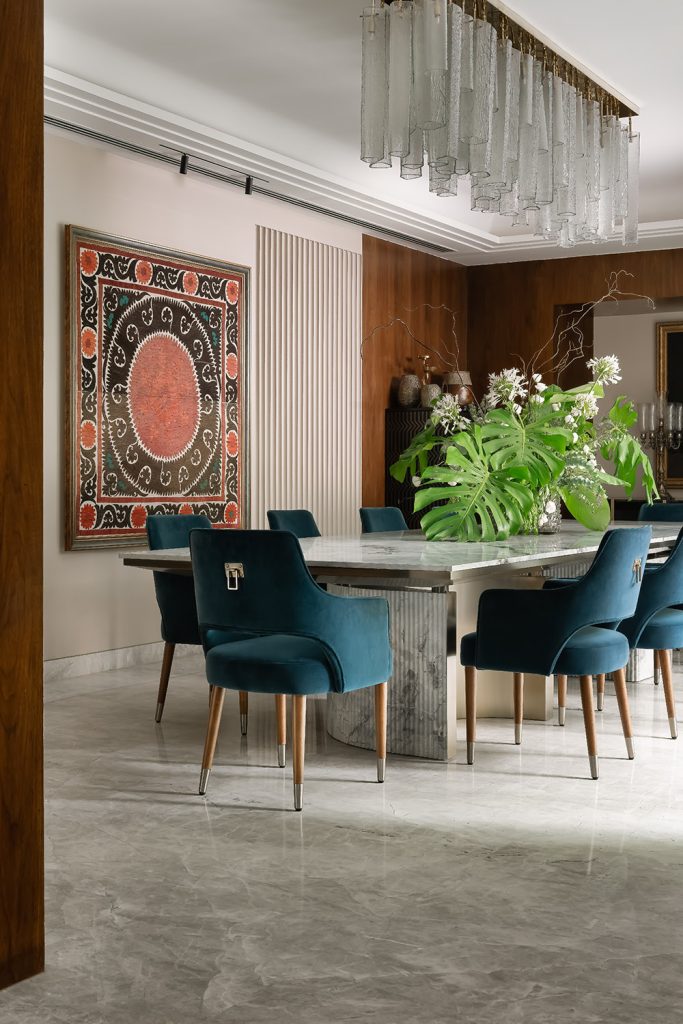
In a compact apartment project, the dining area was designed to seat six. On-site, it quickly became clear that the table blocked movement during peak hours. The solution was not a redesign. It was styling. The table was rotated. The chairs were changed to a lighter profile. A bench replaced two wall seats. The dining still seated six when required, but functioned as a four-seater daily. The architectural intent remained intact. The lived experience improved dramatically. Styling operates with this level of precision. It does not override design. It refines it.
The Power Of Less In Home Décor

Another example comes from a large family home where every surface was filled. Consoles carried objects end to end. Walls were lined with art. Shelves were evenly stacked along their length. The house looked complete but felt heavy. There was no place for the eye to rest. Styling here meant subtraction. Objects were edited down. Art was regrouped instead of spread. Entire surfaces were left empty. The change was immediate. Materials became visible. Proportions felt intentional. The home began to feel expansive without adding a single square foot. This is why styling is closer to architecture than decoration. It deals with scale, rhythm, spacing, and hierarchy. It decides where emphasis belongs and where restraint is necessary. These are architectural concerns, resolved at a human scale. Styling also considers time in ways drawings cannot.
Styling In High-End Homes And Retail
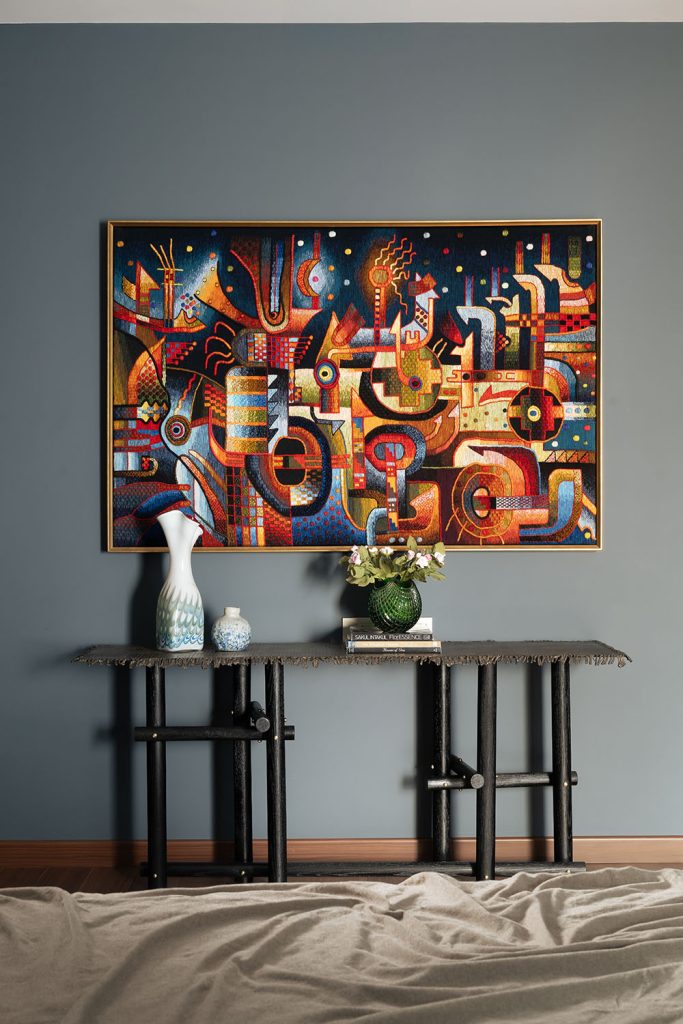
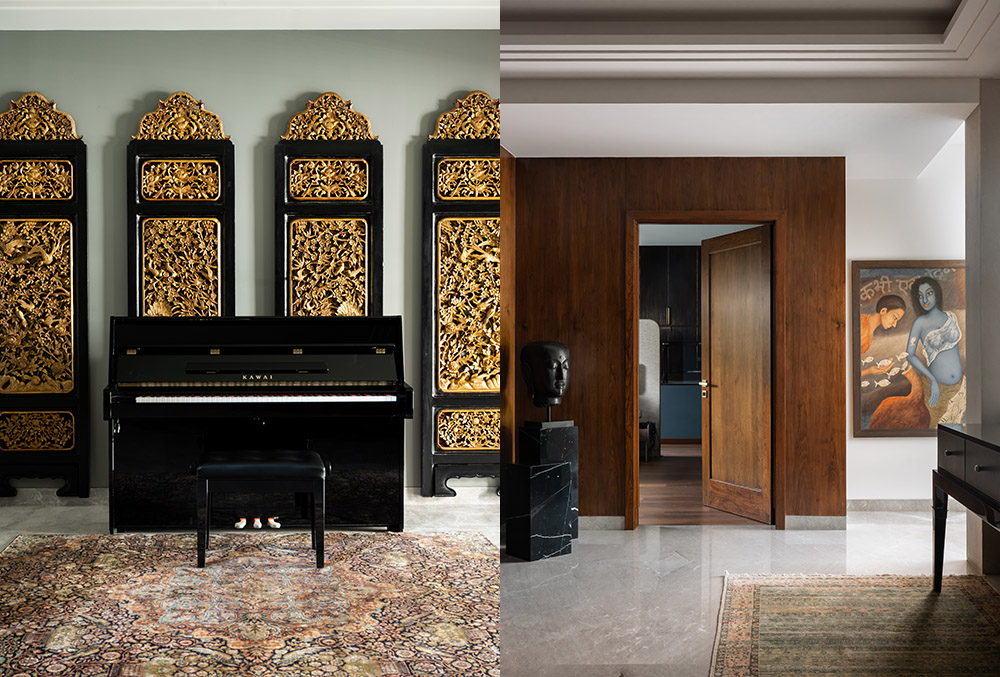
Expensive homes often fail because this step is skipped. Money is spent on objects rather than on their relationships. Without styling, pieces compete. With styling, they converse. In retail spaces, this difference is even clearer. A well-designed store can still feel cluttered or overwhelming. Styling determines pacing. Where customers pause. What they notice first. Where the eye rests. In one retail project, reducing shelf density by a third increased perceived value across the store. Products did not change. The way they were positioned did. Styling is therefore not an indulgence. It is a form of spatial authorship.
Translating Design Into Comfort
It protects design intent. It enhances material investment. It translates architecture into comfort. It is the moment when a space stops being theoretical and starts being lived. The best styled spaces never announce themselves. They feel easy. They feel resolved. They feel like someone thought deeply about how life would unfold inside them.
How Styling Completes Architecture
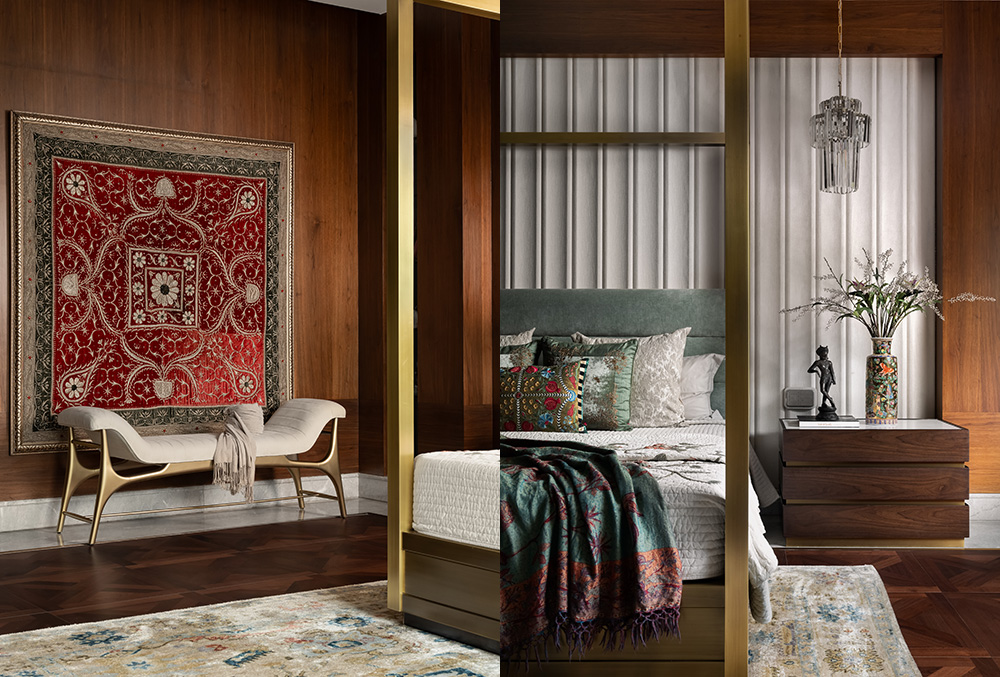
Good styling does not compete with architecture; it completes it. It bridges the gap between concept and experience, ensuring that proportions, textures, light and movement work in quiet harmony. It allows materials to age gracefully, furniture to sit naturally within a room, and circulation to feel intuitive rather than imposed. Thoughtful styling also anticipates behaviour where one pauses, gathers, rests or retreats shaping spaces that respond to daily rhythms instead of rigid plans.
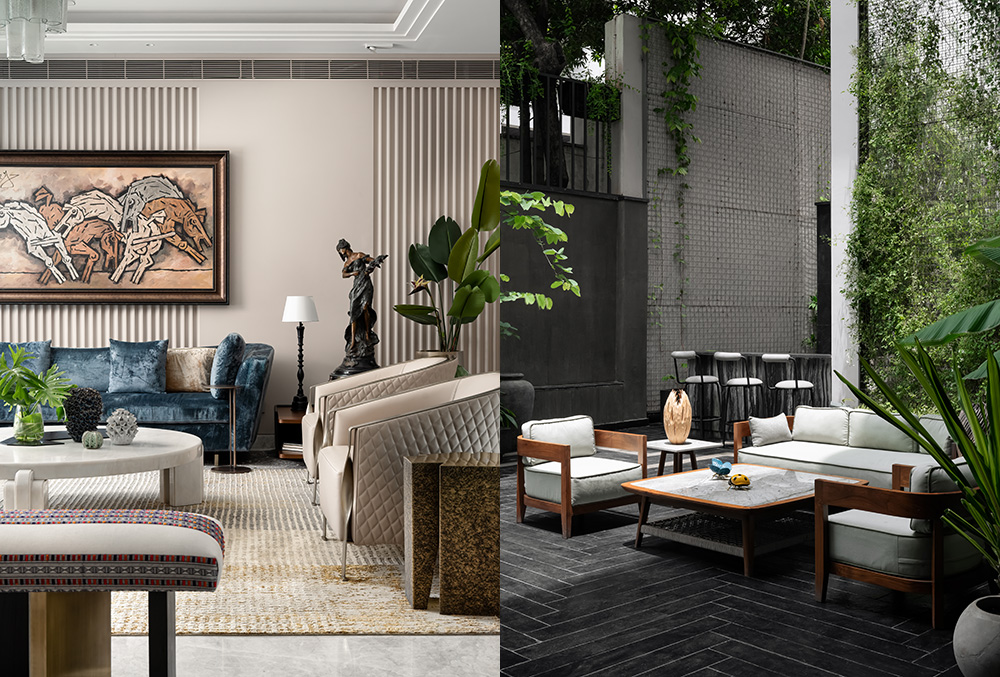
When done well, styling becomes invisible. It guides the eye without demanding attention and creates emotional continuity across rooms. More than decoration, it is an act of editing and empathy, turning designed spaces into homes that feel instinctive, comfortable and deeply human. Design may begin on paper. But architecture is completed only when styling allows it to live.
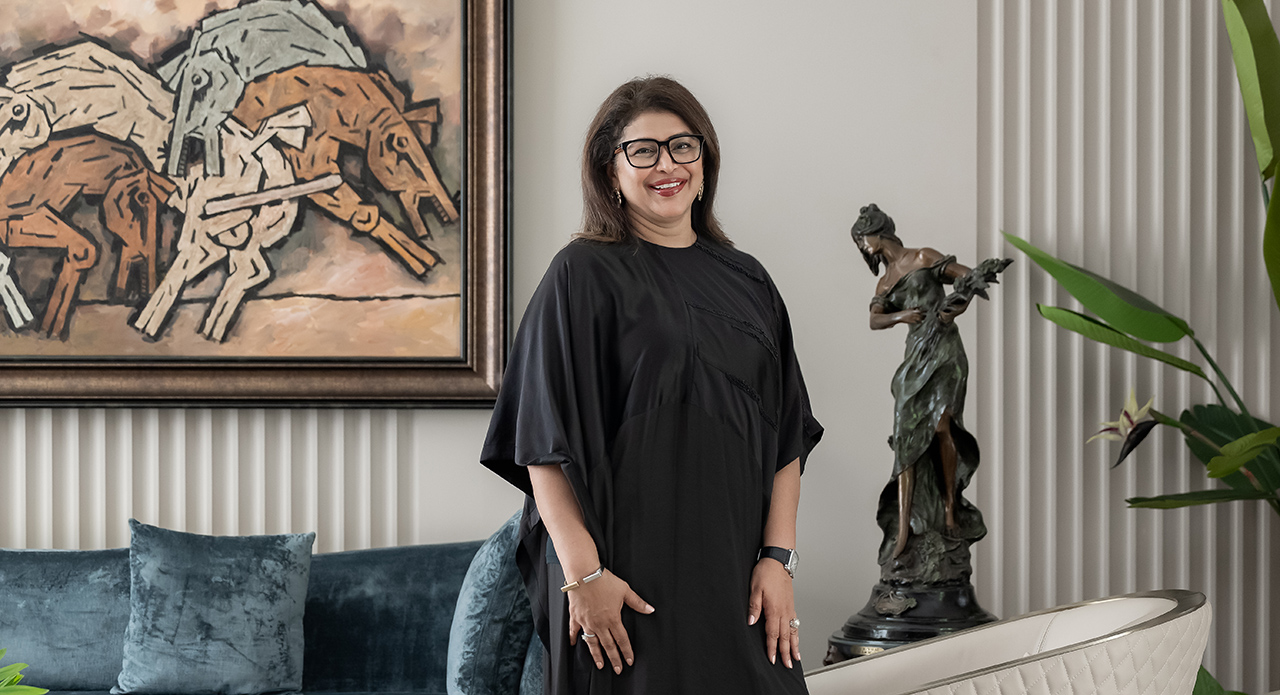
Mita Mehta is the founder, interior stylist, and curator behind Mita Mehta Studio.