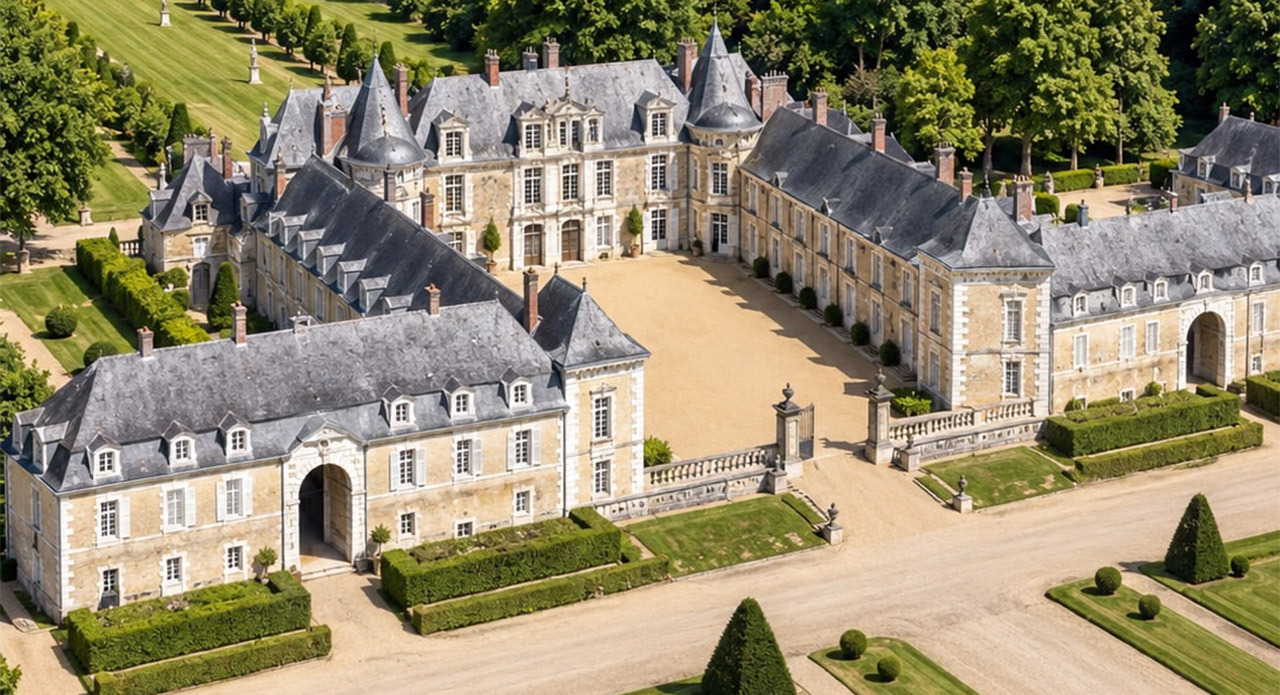


Will Smith’s home is the sort of place that makes the word mansion seem rather inadequate. Set across 150 acres in Calabasas, the sprawling estate feels less like a celebrity residence and more like a private resort conceived by someone who had decided that ordinary houses were simply not ambitious enough. At its centre is a 25,000 square foot adobe style residence, painstakingly constructed over seven years with the work of hundreds of master woodworkers, plasterers, stonemasons and metalsmiths. This is not merely a house built to impress. It is a physical expression of decades of vision, creativity and the extraordinary trajectory that took Smith from The Fresh Prince to global superstardom.
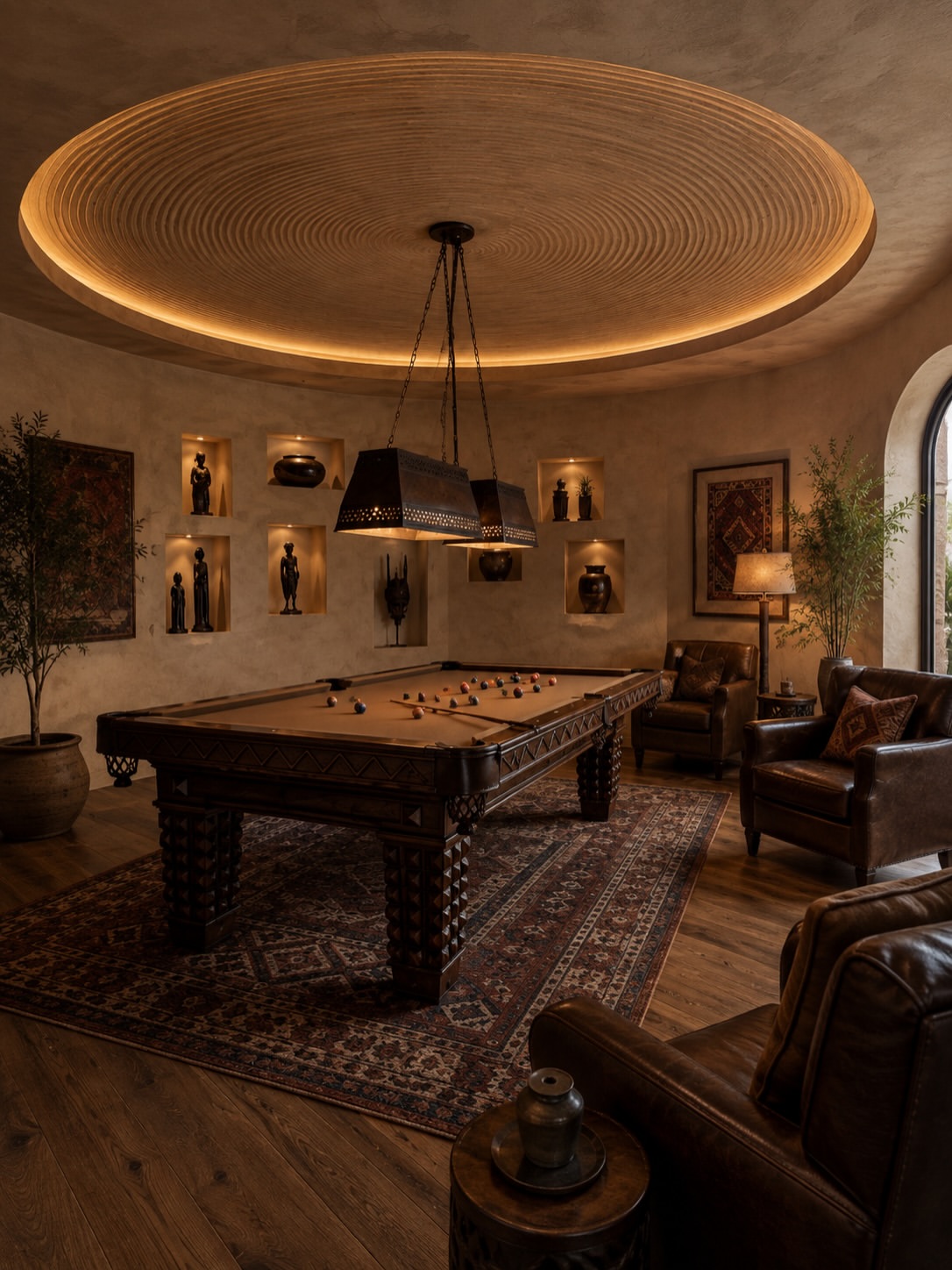
Designed by architect Stephen Samuelson, the estate deliberately avoids the anonymous glass box aesthetic that dominates so much of contemporary celebrity real estate. Instead, it draws upon architectural traditions from the Middle East, Africa, Asia and the American Southwest, bringing together a remarkable assortment of influences into something that feels both grand and deeply personal. One of its most extraordinary details is also one of the easiest to miss. The monumental front door was once part of a fort in northern India before finding a new life at Smith’s Californian retreat. It is exactly the sort of detail that transforms a luxurious property into something with a sense of history and narrative.
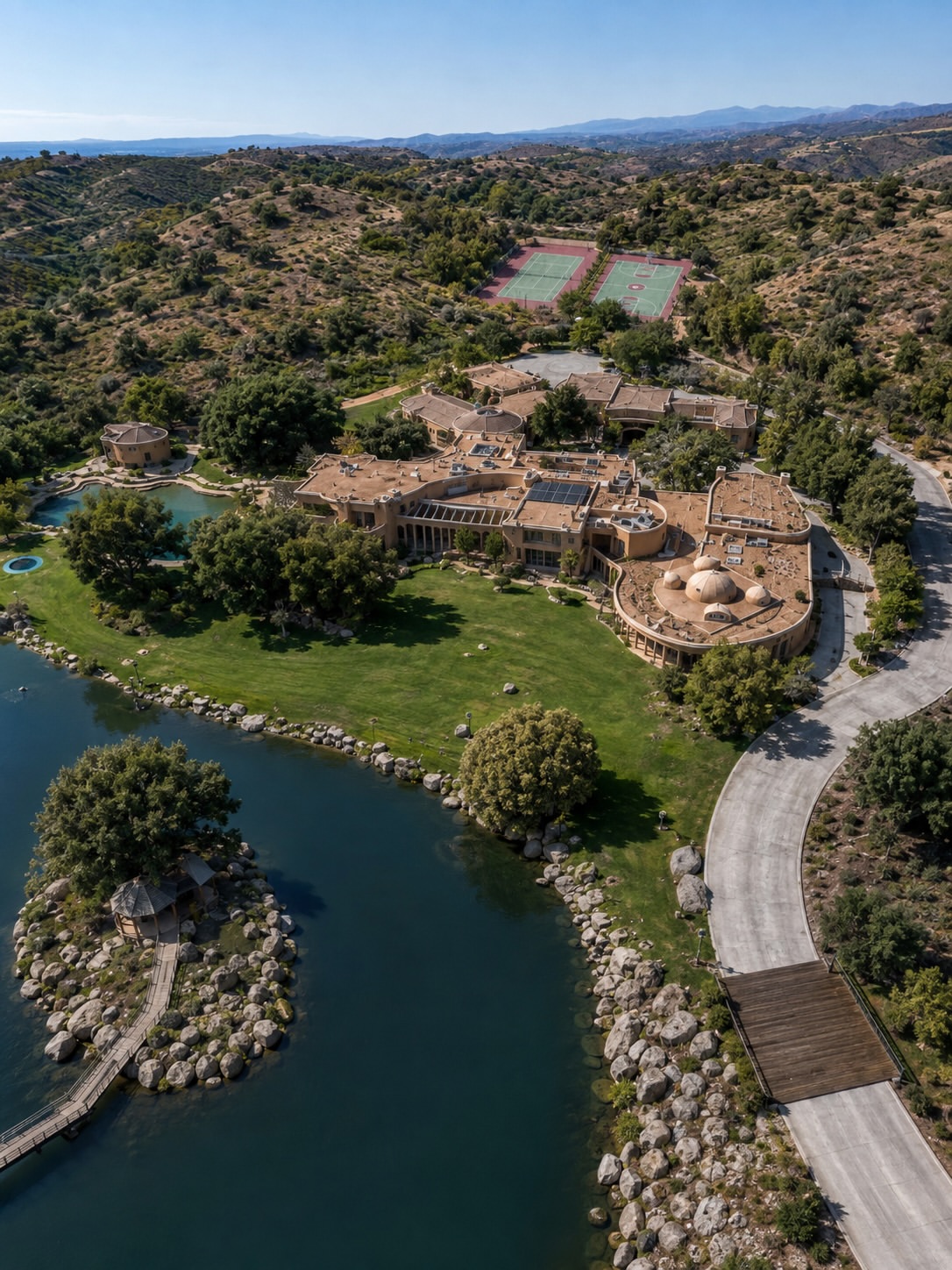
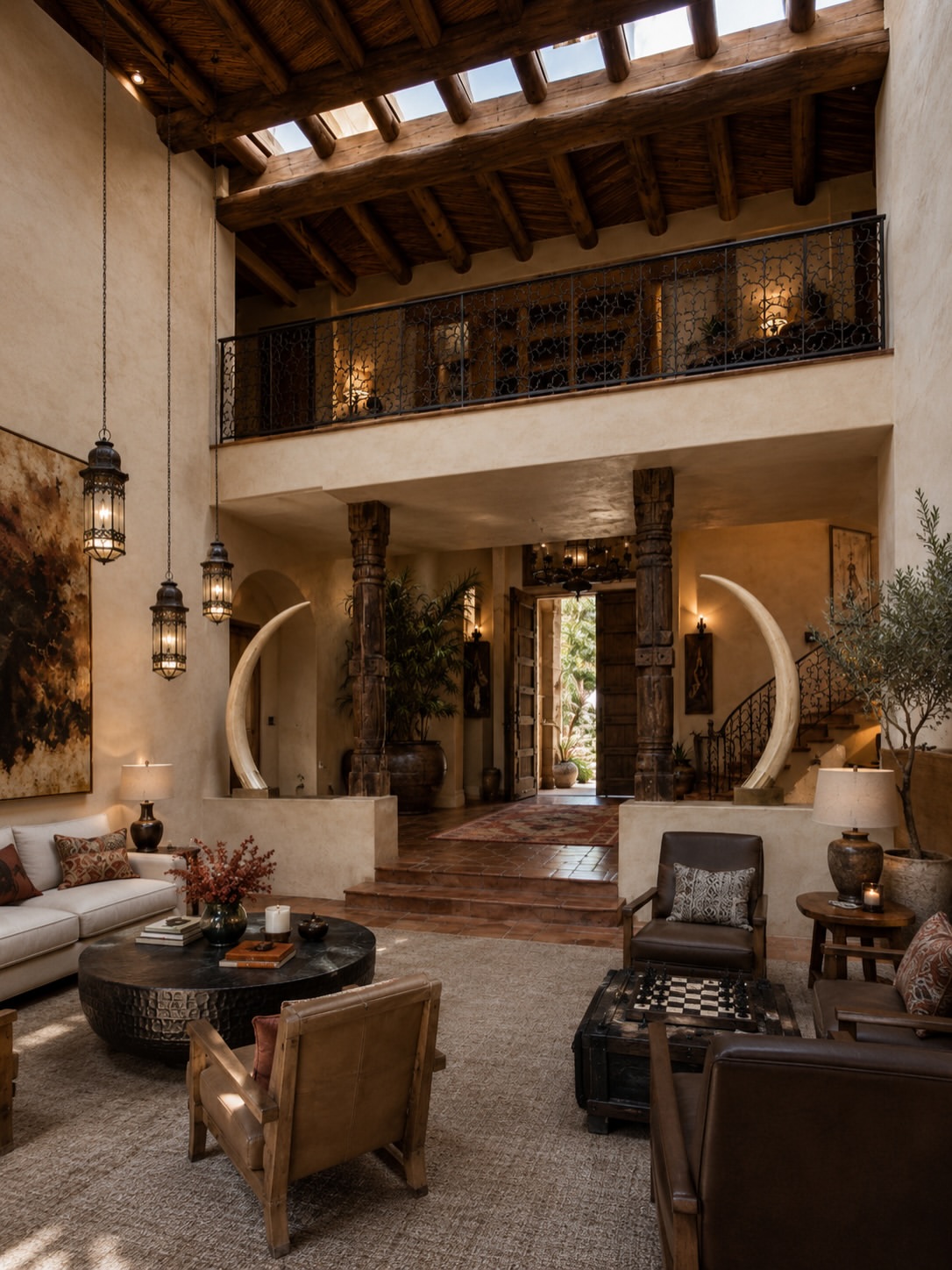
Inside, designer Judith Lance continued this philosophy, creating interiors filled with handcrafted furniture, earthy textures and tribal influences. Rather than treating the residence as a showroom for expensive objects, the design gives it a warmer, more lived in quality, with spaces intended equally for creativity, contemplation and family life. And then there is the sheer amount of land. The estate includes a man made lake and lagoon style swimming pool, creating what is essentially a private landscape around the residence. Sports enthusiasts have tennis, basketball and volleyball courts, while an eight car garage provides shelter for the sort of automotive collection one might reasonably expect from a Hollywood star of Smith’s stature.
For a man whose career has been built around performance, perhaps the most fitting room is the private recording studio. It was here that Willow Smith recorded her breakout hit Whip My Hair, giving the property a place in the family’s creative history rather than merely its real estate portfolio.. There is also a meditation lounge with a retractable skylight, offering an altogether different atmosphere from the more energetic spaces elsewhere on the estate.
Also Read: Jay Leno’s USD 13.5 Million Real Estate Gamble

It reinforces the sense that this was conceived not simply as a place to live, but as a complete environment in which work, entertainment, family and retreat could coexist. The estate’s enormous scale has even contributed to its mythology, with reports that its size and logistical requirements were such that it effectively warranted its own ZIP code for deliveries and other arrangements.
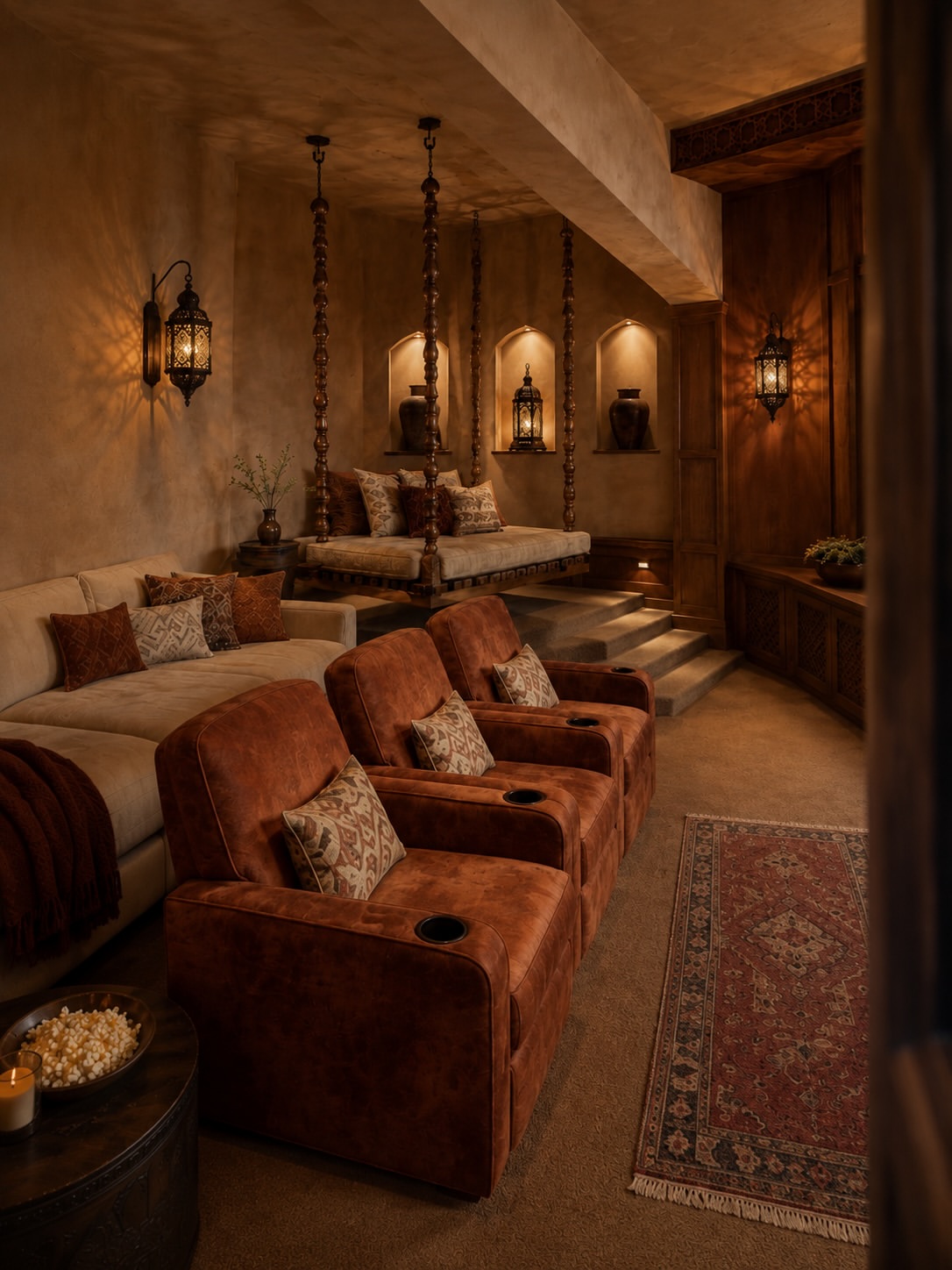
Yet the most interesting thing about Smith’s estate is not the acreage, the architecture or even the extravagant amenities. It is the philosophy behind it. Every element appears to reflect a preference for creating something distinctive rather than merely acquiring something expensive. The house took years to build, its interiors were painstakingly crafted and its architecture draws from cultures and traditions far beyond California. In that sense, the property becomes a rather fitting metaphor for Smith himself. The estate represents the accumulated result of ambition, creativity, discipline and longevity, transformed into something tangible. It is a home, certainly, but also an unusually elaborate record of a career and a family legacy that continues to evolve.