

A scooty-shaped wine bottle holder crafted with wicker, best to be stationed in patio by Delhi-based furniture brand Weave Craft. Modern fireplaces made using Alucasto technology and aerospace-grade materials at Baaroq Designs in a nod to tech-innovation. A den housing a cutting-edge bathtub that gazes up at an artificial sky evoking the languid opulence of a Cleopatra-esque bath at premium bathware brand Kohler.
View this post on Instagram
These were some of the displays at the recently-concluded 14th edition of India Design ID, touted as the country’s oldest and largest design week. The four-day event brought over 130+ brands for a showcase of luxurious collections in home décor, lighting, furniture, accessories, collectables and interiors.
The Age Of Design Syncretism
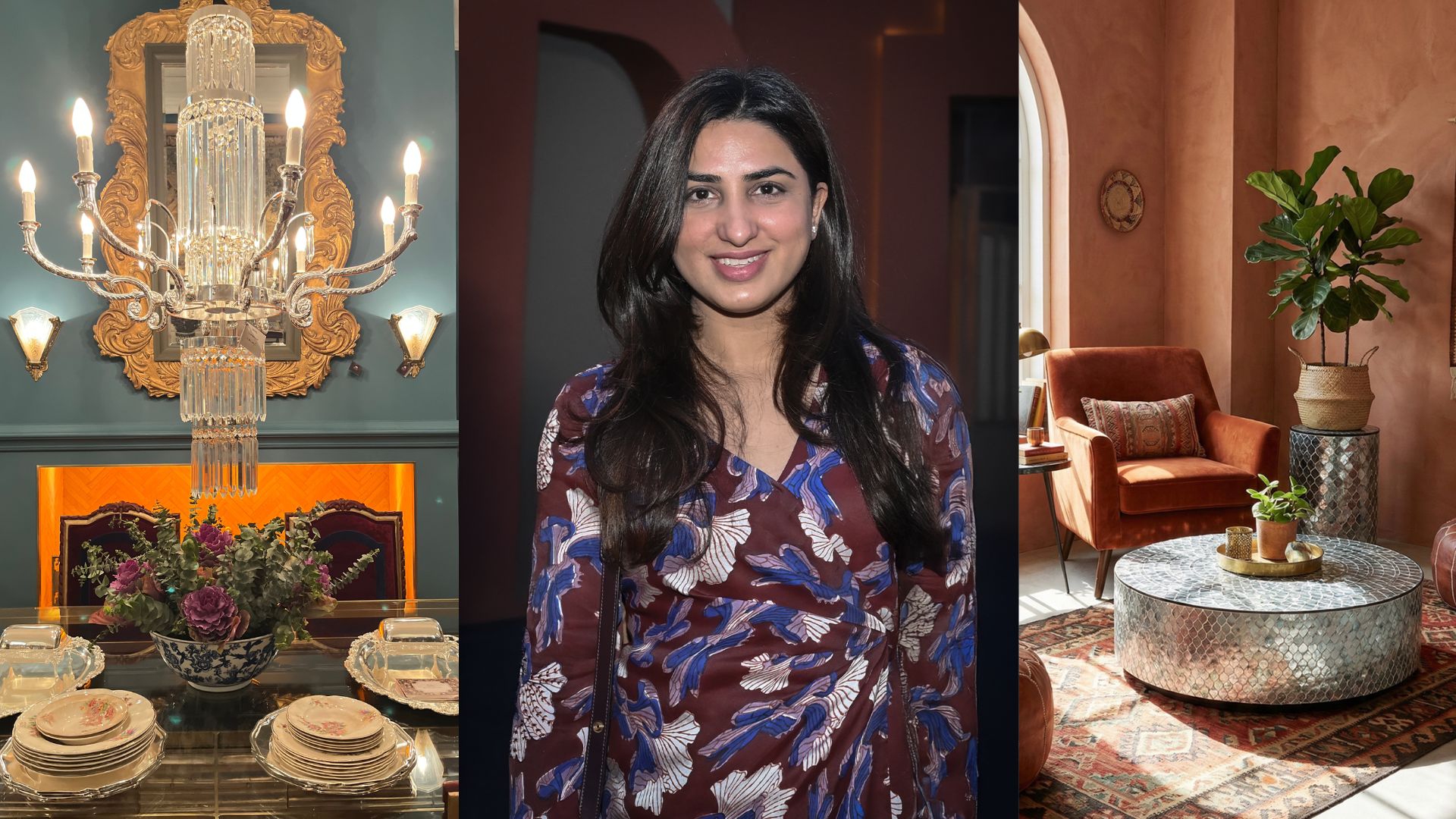
While having different offerings, every display echoed a common theme: how, post-COVID-19, we’re living in ‘The Age of Design Syncretism’. For festival director Misha Bains, it meant a confluence of design philosophies, cultural influences and blurring of interdisciplinary practices.

“Syncretism essentially means the coming together of diverse perspectives and influences. Today, when you look at exhibitors, designers, and architects at India Design ID, their work is shaped by global exposure through robust travel, higher education, design intelligence, and collaborations, yet it remains deeply rooted in India,” she tells Outlook Luxe, adding, “The participants are blending global inspirations with local identity to create something uniquely Indian. This fusion is what we call syncretism. And it’s getting Indian design global relevance. We felt this moment needed defining through the language of design.”
Attuned to the theme, the juxtaposition of one culture over another, one form moulded into another, one material combined with another and one design practice meeting another was apparent. For instance, at Jaipur Rugs, the craft of rug-weaving melded with art as the Jaipur-based carpet brand collaborated with multi-disciplinary artist Princess Pea for a limited-edition rug collection, Days.
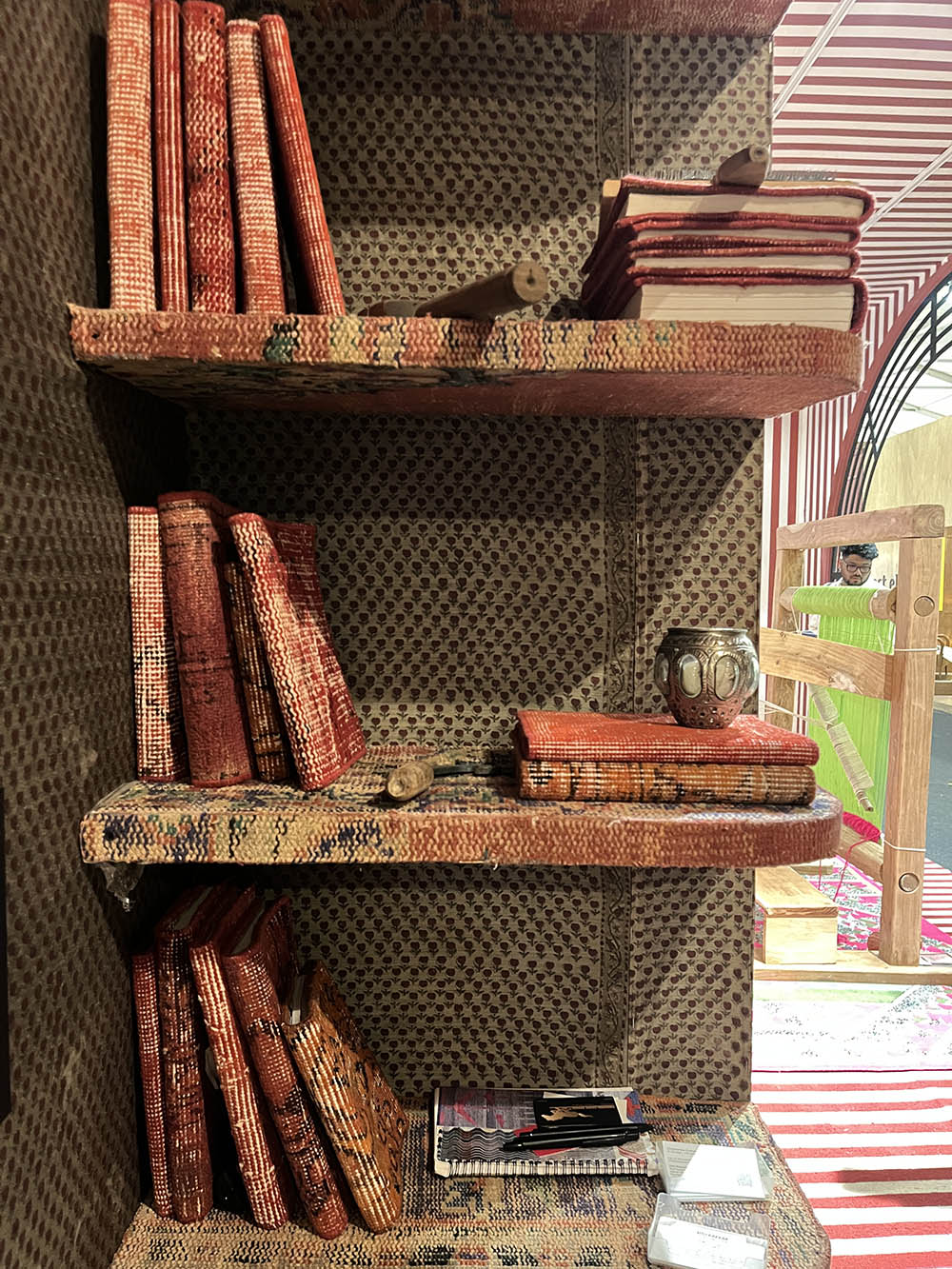
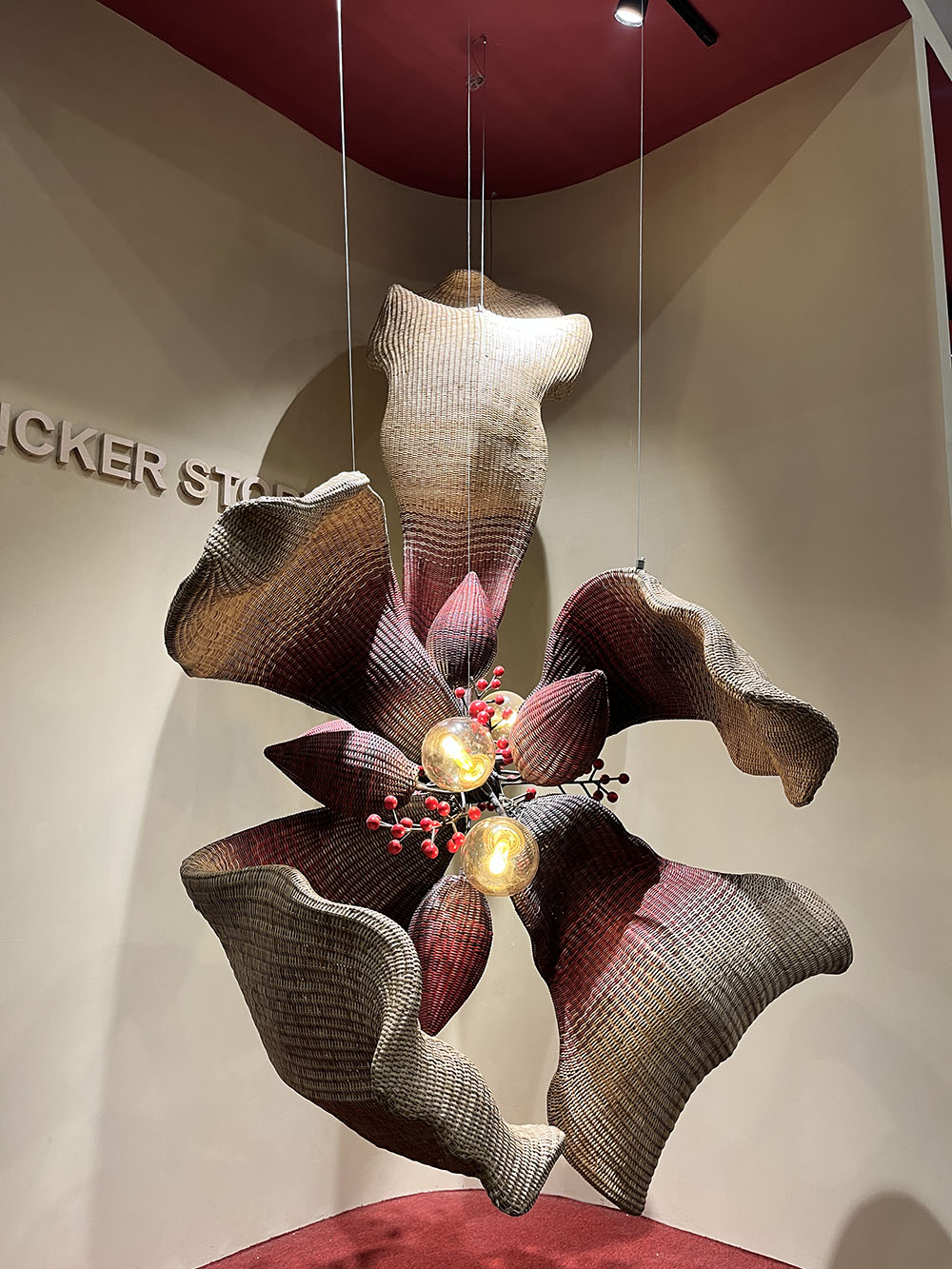
The booth had exquisite rugs adorning as book jackets, climbing like wall hangings and shaped like botanical installations. At Hyderabad-based design atelier, The Wicker Story, architect Priyanka Narula re-imagined India’s indigenous cane and rattan weaving through a contemporary lens with modern sculptural lighting.
Extending on the theme of syncretism, for the first time, India Design ID joined forces with the French Embassy and Business France to present Art de Vivre Pavilion. Called a meeting together of the two countries through design, it coincided with French President Emmanuel Macron’s visit. “The pavilion brings together a considered selection of 17 French brands and studios spanning textiles, interior décor, furniture, leather goods, crystal ware and more. It represents a significant moment for Indo-French cultural exchange,” Bains tells us.
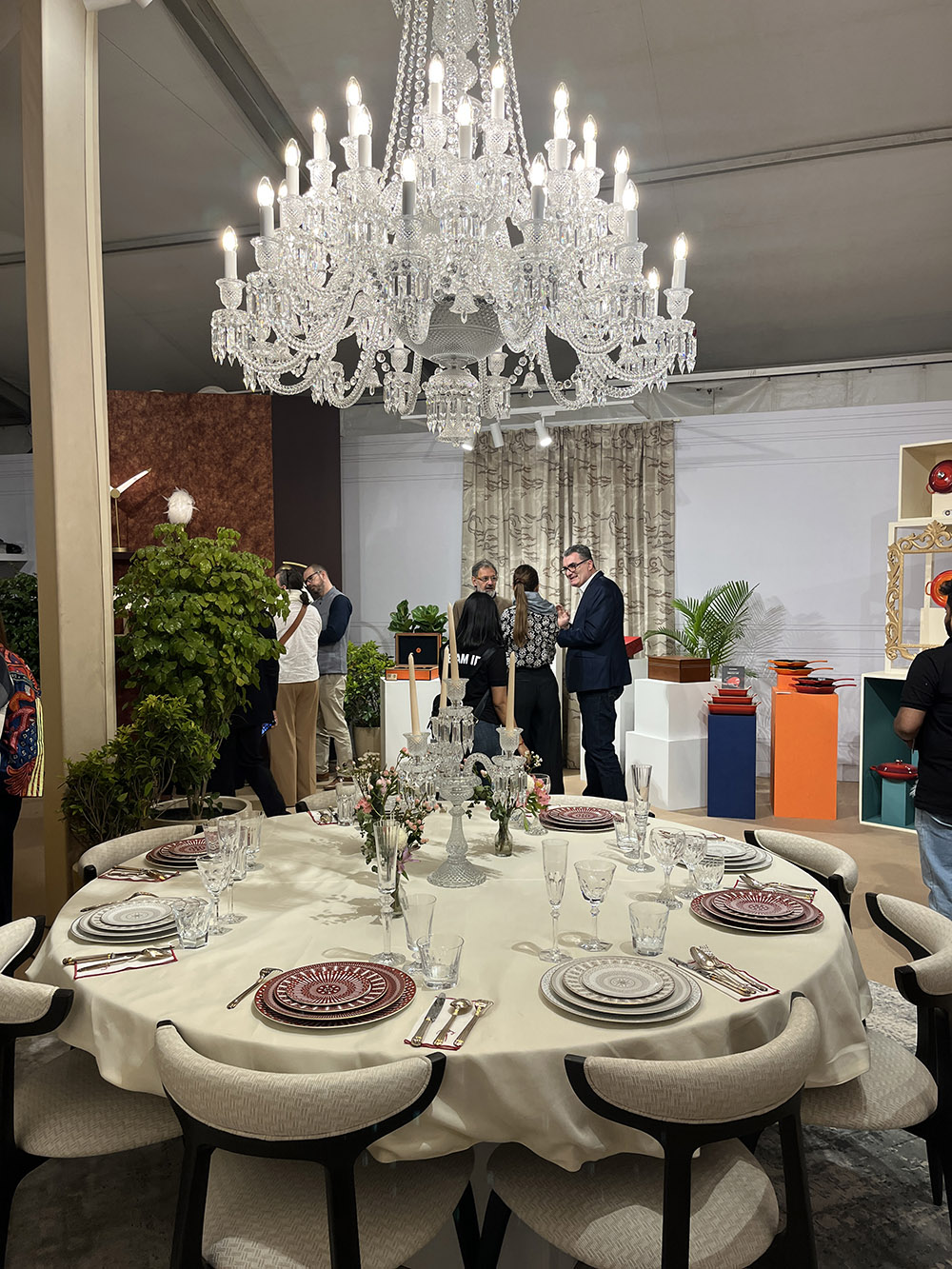
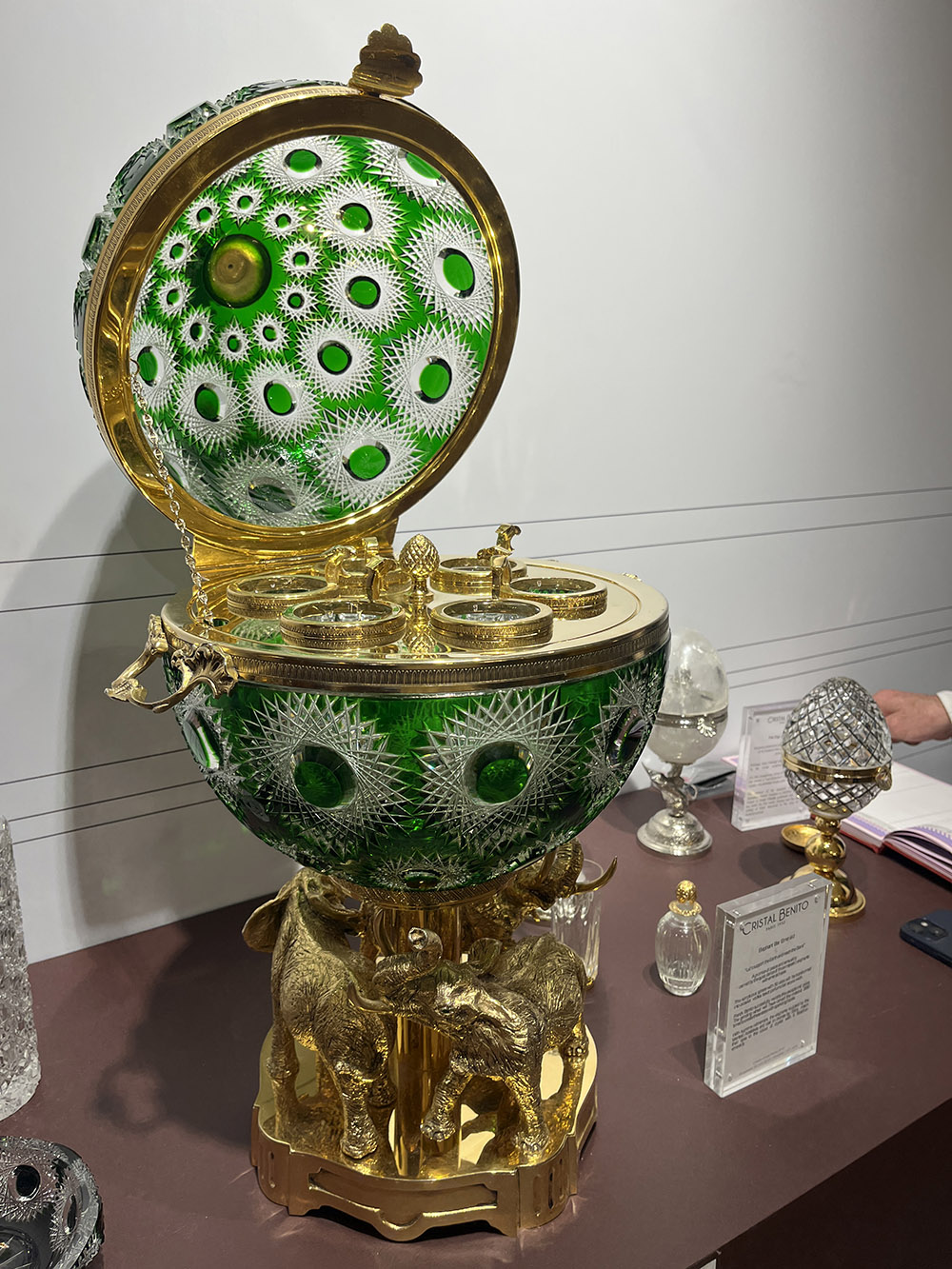
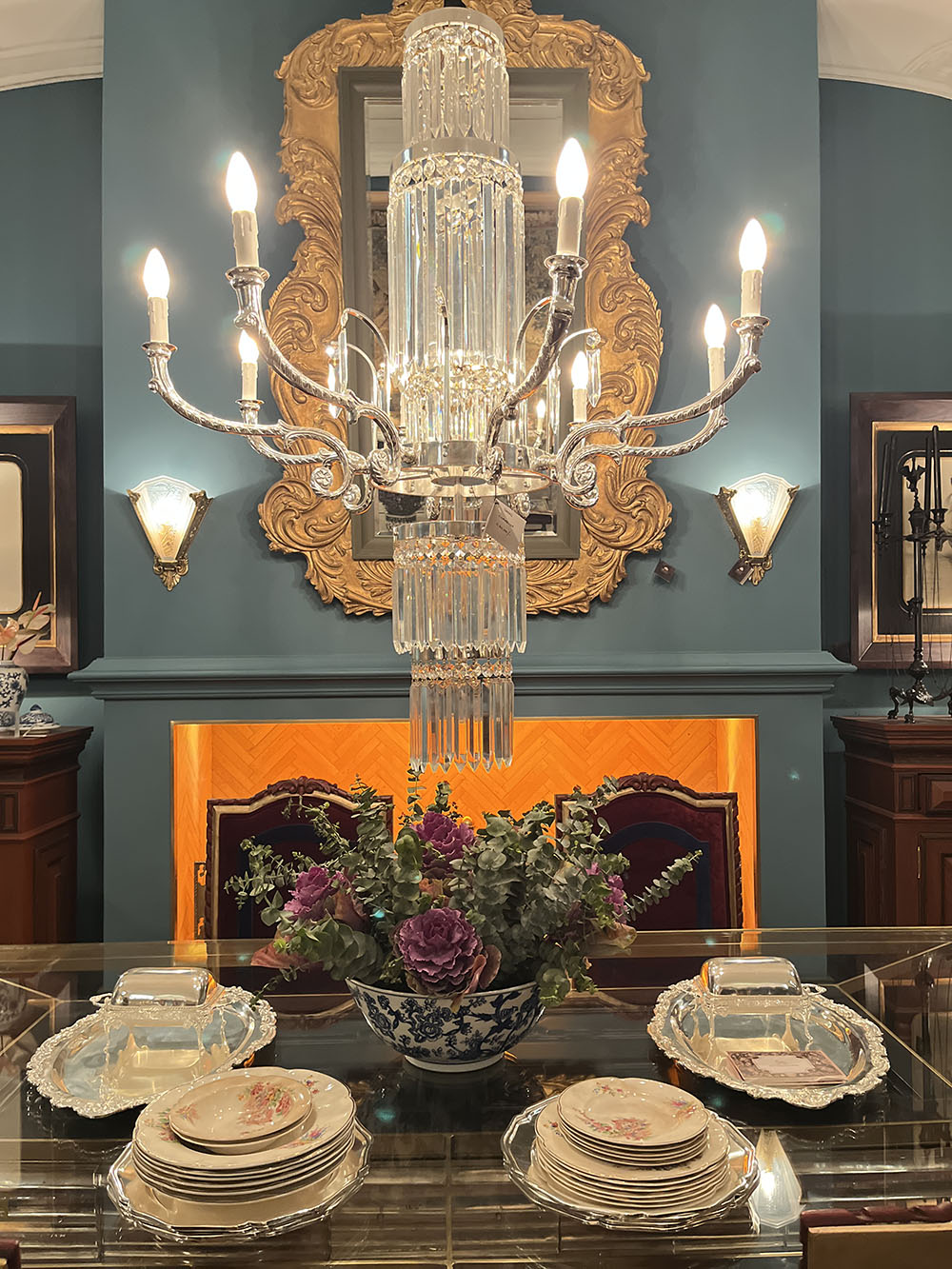
The display had French savour-fair in all its glory — from luxury house Baccarat’s exquisite tableware, Cristal Benito’s hand-cut crystal creations to Daum’s collectable glass sculptures.
Consumer Trends on Watch
The display at India Design ID 2026 was in tune with leading consumer trends: future-ready design, India-centric narrative and mindful consumption. Bains reflects in our chat, “There’s a growing desire among audiences to value craftsmanship, longevity, and meaningful ownership over constant consumption. People are preferring objects with lasting value over those that need constant replacement. Designers are also integrating sustainability into design thinking; from material choices to creating timeless pieces rather than trend-driven ones.”
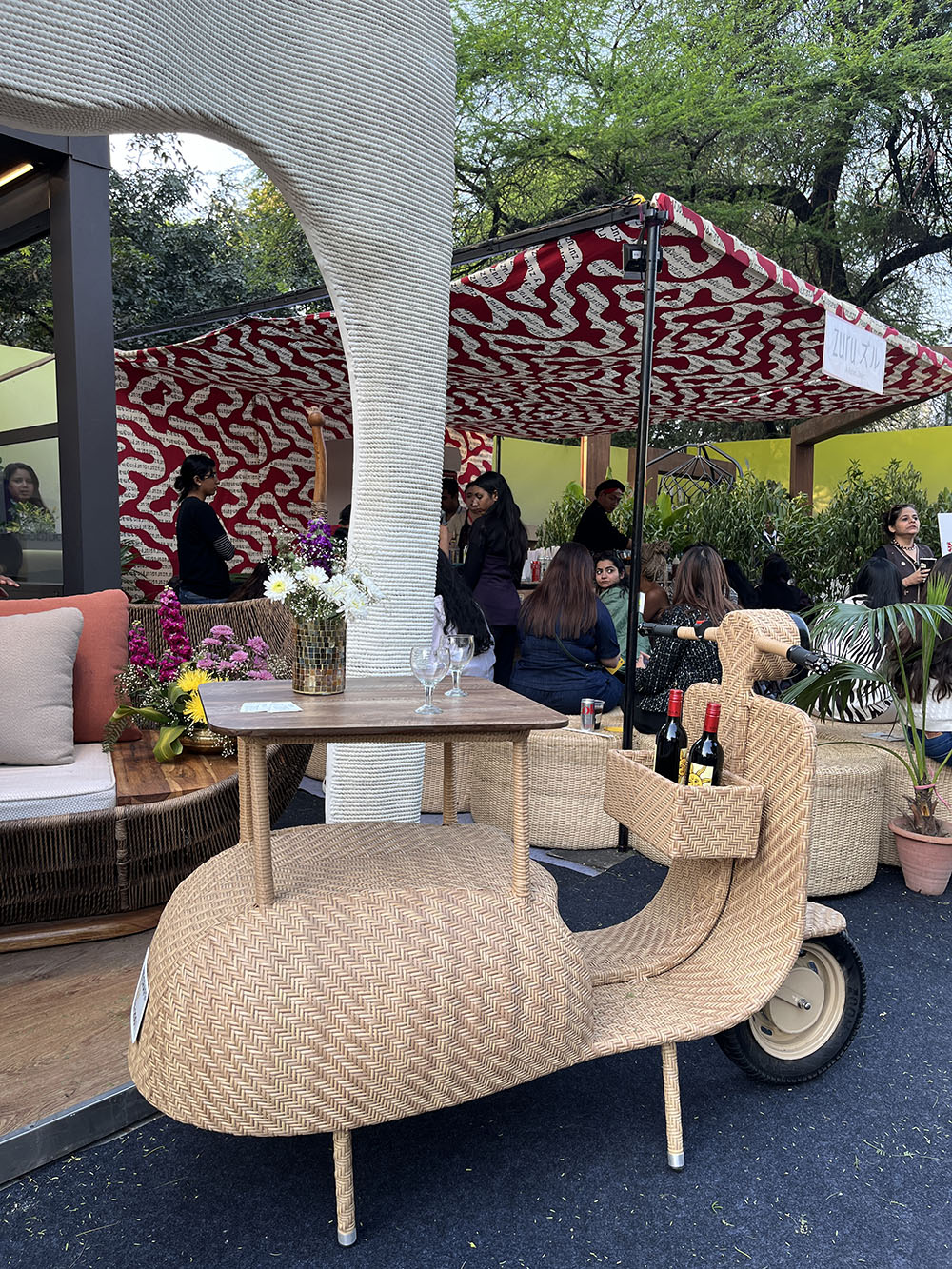
Mindful of consumer trends, the fair had the newly introduced special project, ‘Design Tomorrow’ and a collectable design pavilion. It brought eco-friendly, India-made, future-forward, and slow luxury creations. Case in point? Hand-made sustainable ceramic wall decor and tableware at women-led artisan collective Padme Hum Studio India. Conscious furniture made using timber, metal, stone, and concrete by the Faridabad-based brand Mangrove Collective. Restored rugs from 17th- century Istanbul displayed as a contemporary wall covering by Delhi-based modern living brand Drapesy.
The India Story
The curation at ID also underscored vernacular elements rooted in India. For instance, futuristic wash basin and ritual-led design objects that were a nod to India’s spiritualism were displayed at architect Ashiesh Shah’s booth. Elephant tusk-inspired carved-woodwork and marble sculptures were presented by Jaipur-based luxury furniture brand Décor Harvest.
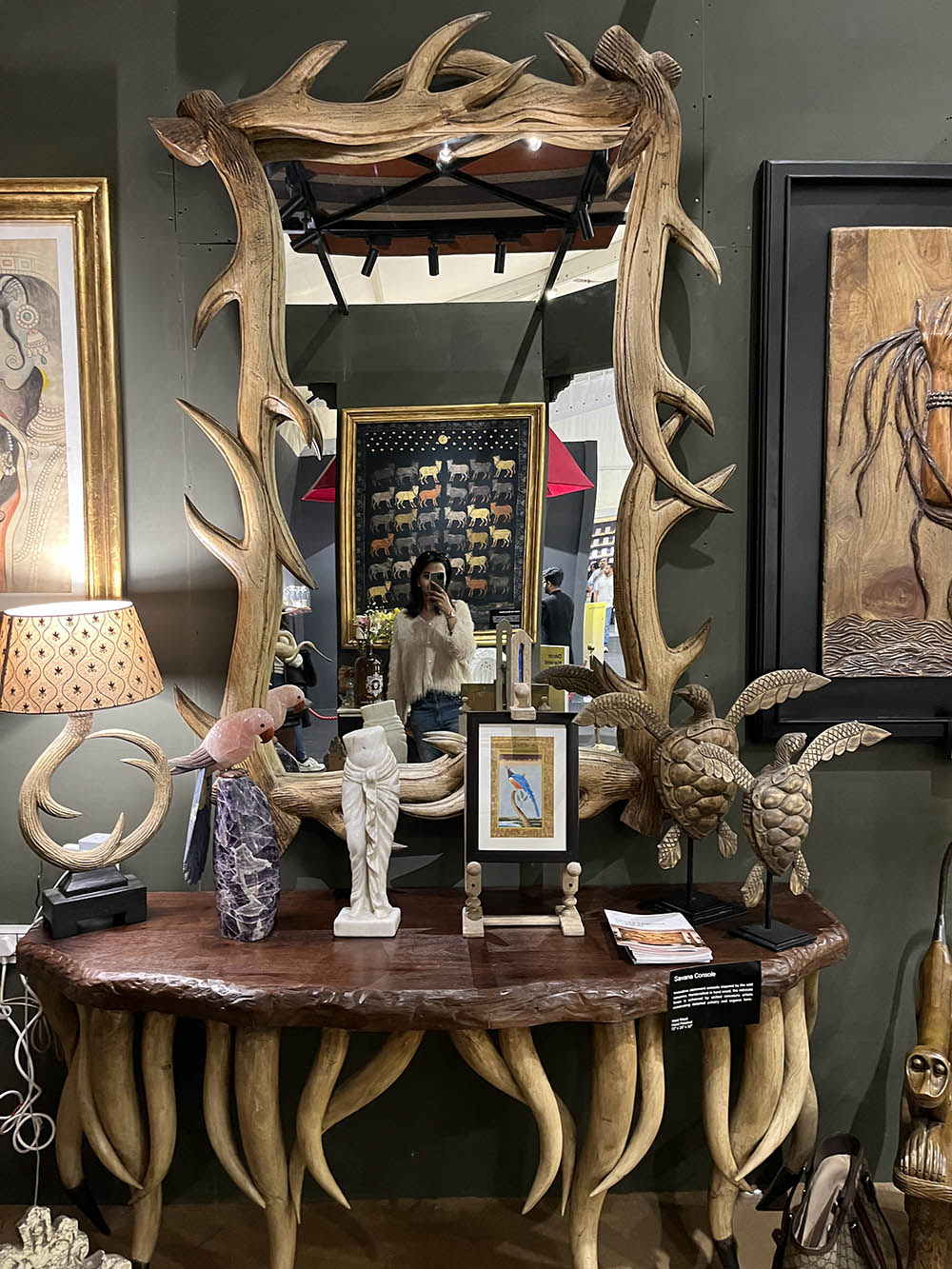
At Me Meraki, India’s age-old heritage arts and crafts, such as Rajasthan’s hand-painted Pichwais, textile prints of Kalamkari, Punjab’s textile embroidery, Phulkari, and the 4000-year-old tribal art of Dokra art, dating back to the Indus Valley Civilisation, were translated into chess games and wall art. Interior decor pieces such as dark wood furniture, gilded mirrors, and modern fireplaces borrowed from India’s history, travels, crafts and all things vintage allured visitors at Delhi-based luxury brand Beyond Designs.
“Earlier, India was largely seen as a manufacturing hub; a place where things were produced. Now, that perception has shifted. International galleries are actively engaging with Indian designers. This indicates that global audiences are beginning to appreciate the richness of Indian craftsmanship and the vision of its new generation of designers,” Bains concludes on how India is becoming a powerhouse of design.