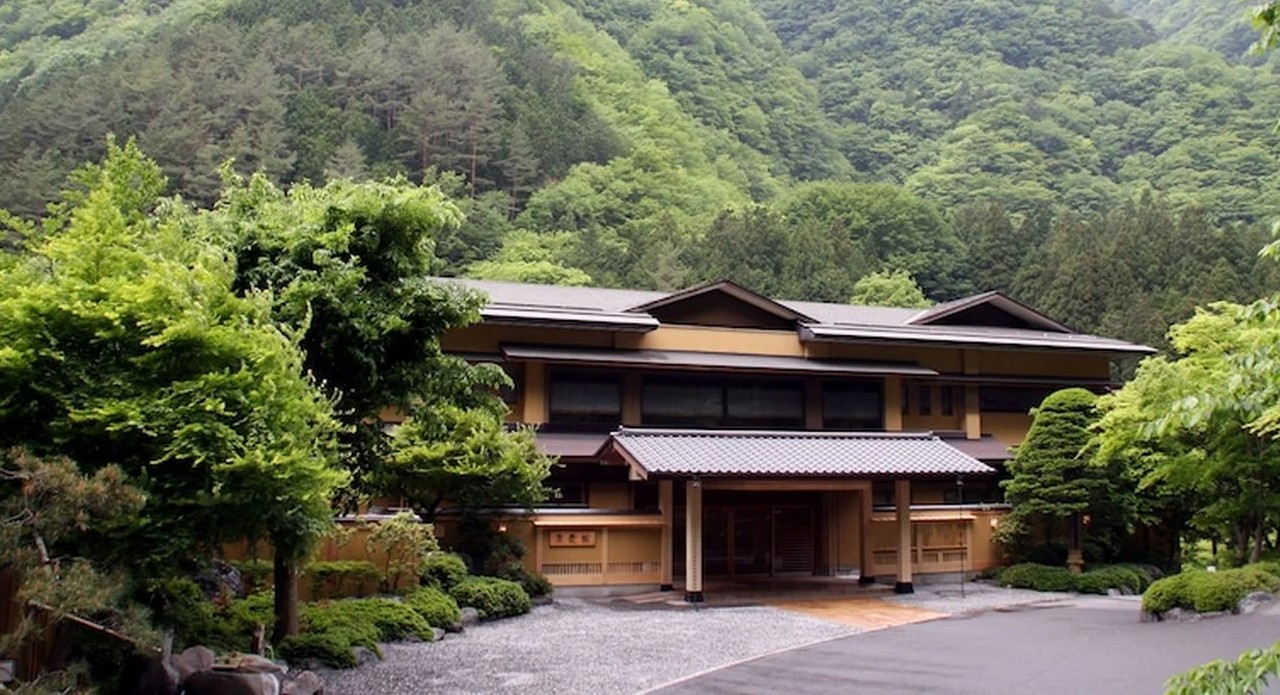


In an age where hospitality brands reinvent themselves every decade and luxury hotels rise and fall with the rhythms of global travel, the idea of an inn surviving for more than a millennium feels almost mythic. Yet tucked away in the quiet mountains of Yamanashi Prefecture stands a living testament to endurance, tradition and familial stewardship. The legendary Nishiyama Onsen Keiunkan, widely recognised as the world’s oldest hotel, has welcomed travellers continuously since 705 CE.
To place this in perspective is to traverse vast corridors of history. When the inn first opened its doors, many of the world’s great cities were yet to take their modern form, entire empires had yet to rise, and the notion of global tourism was inconceivable. And yet, through the rise and fall of dynasties, wars, earthquakes and revolutions, Nishiyama Onsen Keiunkan endured, quietly maintaining its purpose: offering rest, warmth and hospitality.
Origins in the Early Eighth Century
The inn was established in 705 CE during Japan’s Keiun era by Fujiwara Mahito, a descendant of the powerful Fujiwara clan. Situated near natural hot springs in the mountains of what is now Yamanashi Prefecture, the location quickly gained reputation for its therapeutic waters.
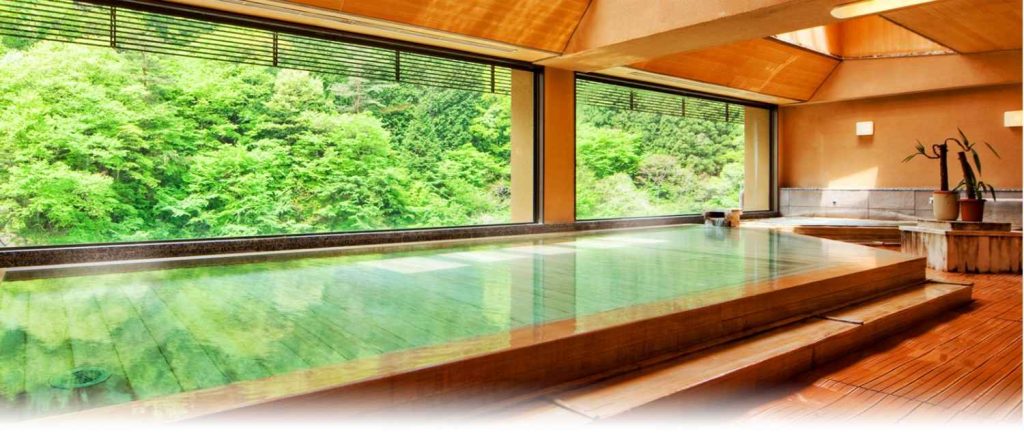
The region’s geothermal abundance meant that guests could soak in mineral rich baths drawn directly from the earth. For centuries, weary travellers, samurai and later merchants sought respite here, believing the waters possessed restorative qualities. This combination of location and cultural reverence for hot springs helped transform the inn into a destination long before the concept of leisure travel became common.
A Family Legacy Across Generations
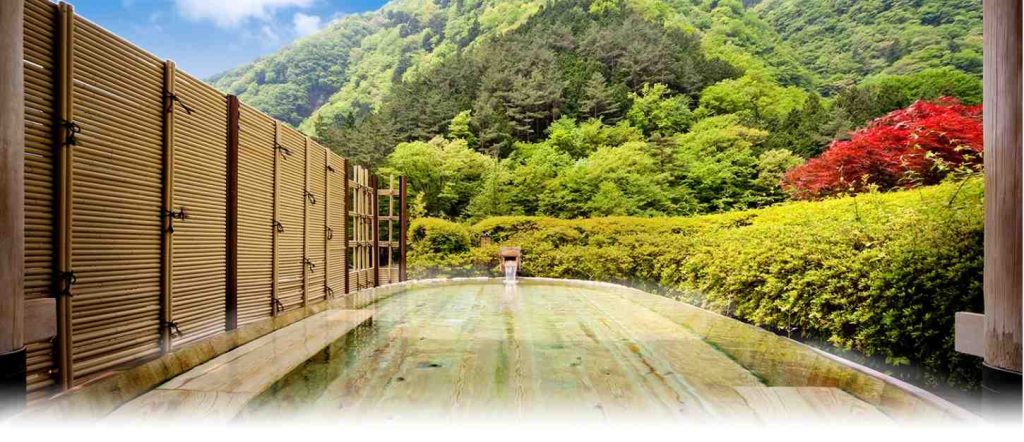
Perhaps the most astonishing aspect of Nishiyama Onsen Keiunkan is not merely its age, but its continuity of ownership. For more than 1,300 years, the inn has remained under the stewardship of the same family, passed down through over fifty generations. Few institutions in the world can claim such lineage. Leadership transitioned from one generation to the next with a singular objective: preserve the spirit of the inn while adapting gently to the demands of changing times. The result is a delicate balance between preservation and evolution, where ancient tradition coexists with modern comfort.
The Cultural Significance of Onsen Hospitality
Japan’s onsen culture is deeply embedded in its social and spiritual fabric. Bathing in natural hot springs is not merely about relaxation; it is an act of purification and renewal. At Nishiyama Onsen, guests immerse themselves in baths fed directly from the surrounding geothermal springs. The waters flow naturally without artificial heating, maintaining the authenticity that has defined the inn for centuries. The ritual of bathing, dining and resting within serene natural surroundings reflects the Japanese philosophy of harmony between human life and the landscape.
A Timeless Retreat in the Mountains
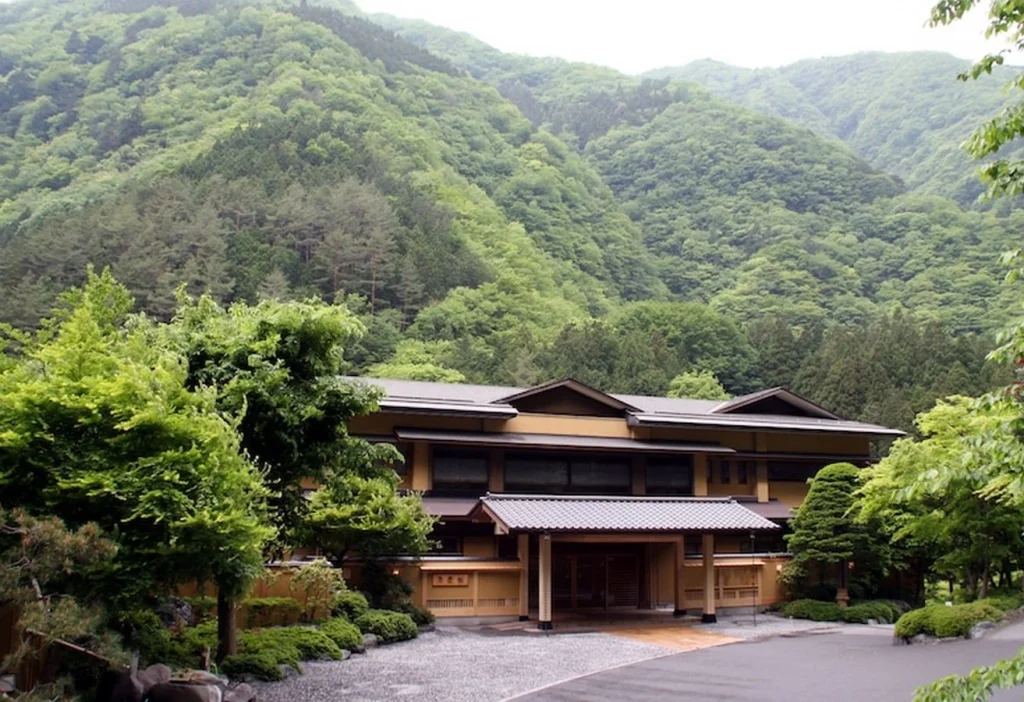
Despite its ancient lineage, the inn has not remained frozen in time. Renovations over the centuries have ensured structural resilience and modern amenities, while preserving the aesthetic simplicity associated with traditional Japanese ryokan architecture. Tatami rooms, sliding shoji screens and panoramic views of the surrounding mountains create an atmosphere of quiet contemplation. The experience is intentionally unhurried, encouraging guests to disconnect from the frenetic tempo of contemporary life. In this setting, time seems to stretch rather than pass.
What makes Nishiyama Onsen Keiunkan extraordinary is not merely its longevity but the philosophy that allowed it to endure. While industries modernised and empires collapsed, the inn remained anchored to a simple idea: hospitality delivered with sincerity and continuity. Through earthquakes, political upheavals and cultural transformations, the family custodians ensured that the essence of the inn remained intact. More than thirteen centuries after its founding, Nishiyama Onsen Keiunkan stands not simply as a hotel, but as a living archive of Japanese tradition. Its story reminds us that while buildings may age and generations may pass, the values of care, heritage and quiet dedication can outlast even the most dramatic tides of history.