

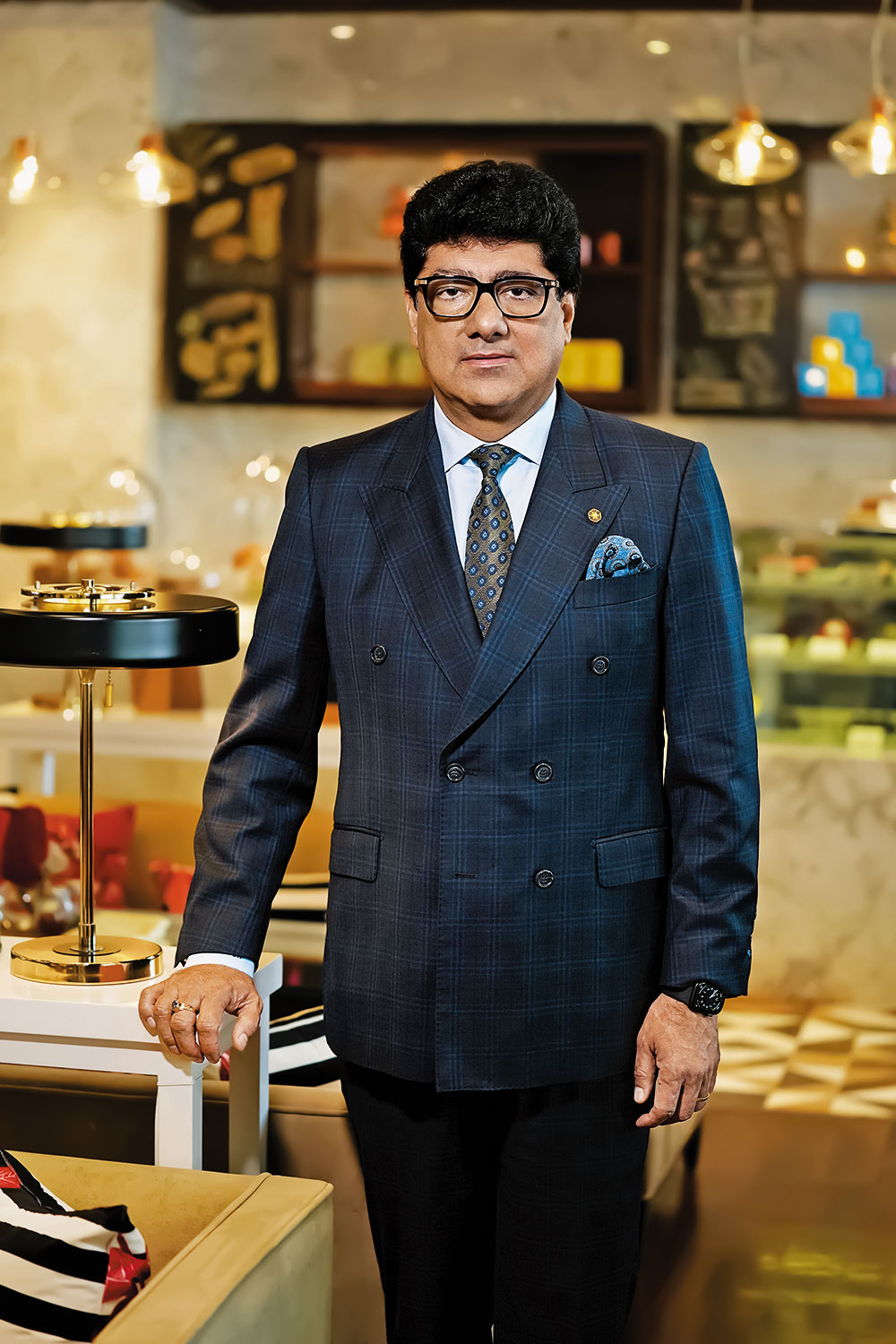
Puneet Chhatwal, managing director & CEO, Indian Hotels Company Limited (IHCL), took charge in 2017 at a time when the company was navigating a difficult phase. Since then, IHCL has returned to profitability, expanded its footprint, and strengthened the position of the Taj brand in both domestic and international markets. It has also crossed a market capitalisation of Rs. 1 trillion—an industry first in India.
“Taj today is among one of world’s largest luxury hotel portfolio with 145 hotels in 14 countries across grand palaces, landmark city hotels, iconic beach and hill resorts, wildlife safari lodges and luxury serviced residences,” he shares in an exclusive conversation with Outlook Luxe.
Chhatwal’s career spans leadership roles across Europe and India, including Deutsche Hospitality and The Rezidor Hotel Group. That global exposure informs the way IHCL is approaching growth—measured, brand-led and increasingly international.
In this conversation, he speaks about Taj’s expansion, how Indian luxury is evolving, and what he describes as “Tajness”—a service philosophy rooted in cultural context rather than standardisation. The approach marks a shift. Instead of adapting to established Western templates, IHCL is building its own framework—where culture, service and experience remain central. Beyond hospitality, it reflects a broader change: Indian brands are not just scaling globally; they are beginning to define their own terms of engagement.
Also Read: Ananya Birla Is Ready To Take On The World
Taj now operates across markets from the UK and US to the Middle East, Africa and Asia. How are you positioning Taj as a global ambassador of Indian hospitality?
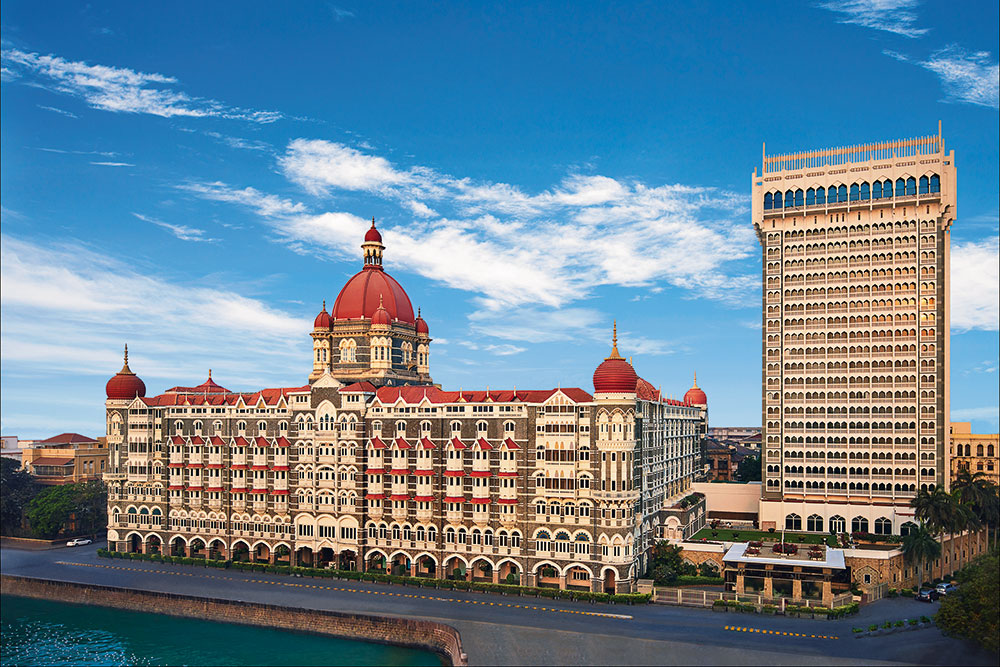
IHCL’s iconic brand Taj has long been a global ambassador of Indian hospitality. Building on a legacy that began with The Taj Mahal Palace in Mumbai 1903, the brand continues to take India’s distinctive service ethos to the world stage across 145 hotels in 14 countries.
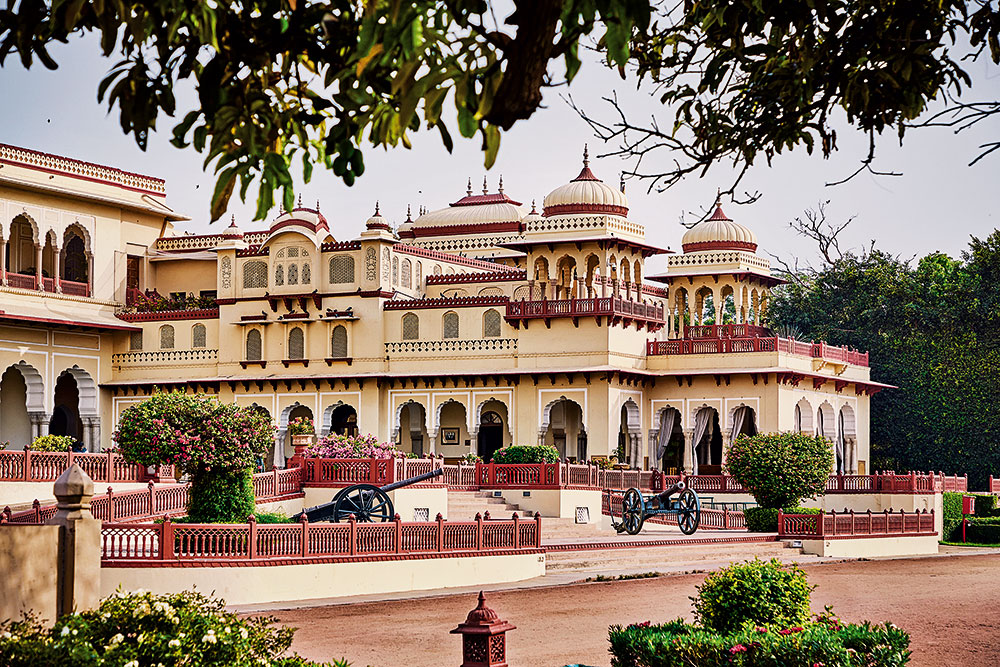
Taj’s expansion strategy is deeply rooted in its legacy of pioneering new destinations and redefining luxury hospitality. IHCL has helped shape global perceptions of Indian destinations like Rajasthan, Goa, and Kerala by thoughtfully restoring heritage palaces and properties, creating authentic luxury experiences that resonate with travellers worldwide. These efforts have helped bring international attention to the cultural richness of these regions. At the same time, we are nurturing emerging destinations like the Andamans, Lakshadweep, and the North East, with a focus on sustainability and community engagement. As the world’s largest operator of palace hotels, we have restored some of the country’s most iconic royal residences putting the destination on the global tourism map. On the international front, Taj is strategically expanding into gateway cities that have a significant Indian diaspora and business communities and we recently forayed into Bhutan with Taj in Paro and Phobjikha as well as entering into Continental Europe with Frankfurt’s landmark Hotel Hessischer Hof in Germany.
For decades global luxury brands entered India. Today we see Indian brands like Taj expanding outward. Is India becoming a creator of global luxury, not just a consumer?
Indian brands are now leveraging heritage, craftsmanship and cultural depth to build globally relevant propositions. Taj is a strong example of this evolution—demonstrating that luxury rooted in authenticity and emotional intelligence can resonate powerfully across markets and compete at the highest global benchmarks. Taj’s recognition for the fourth time as the world’s strongest hotel brand by Brand Finance UK reflects the enduring strength of its brand equity.
When Taj enters a new country, how do you balance local cultural adaptation with preserving the core Taj identity?
Our approach is to be globally consistent yet locally relevant. Every Taj property reflects the cultural and architectural essence of its destination, ensuring it resonates with its immediate environment. What remains constant, however, is the spirit of Tajness—the service ethos that defines every guest interaction.
Food is central to the Taj experience. What distinguishes the culinary philosophy of Taj hotels globally?
The Taj brand prides itself on its culinary history and in constantly leading and pioneering innovative dining options. Renowned for pioneering global and regional cuisines and concepts in India, Taj for over a century, has introduced many firsts and notable amongst which were Sichuan, contemporary Japanese, Mediterranean, Thai and Vietnamese cuisine. Golden Dragon was India’s first Sichuan restaurant at The Taj Mahal Palace, Mumbai. Incidentally the iconic hotel also houses Mumbai’s first licensed bar – Harbour Bar and India’s first 24-hour coffee shop – Shamiana. Setting benchmarks Taj introduced Japanese with Wasabi by Morimoto and Mediterranean Souk and Indian concept restaurant Loya at Delhi, Bengaluru and Mumbai.
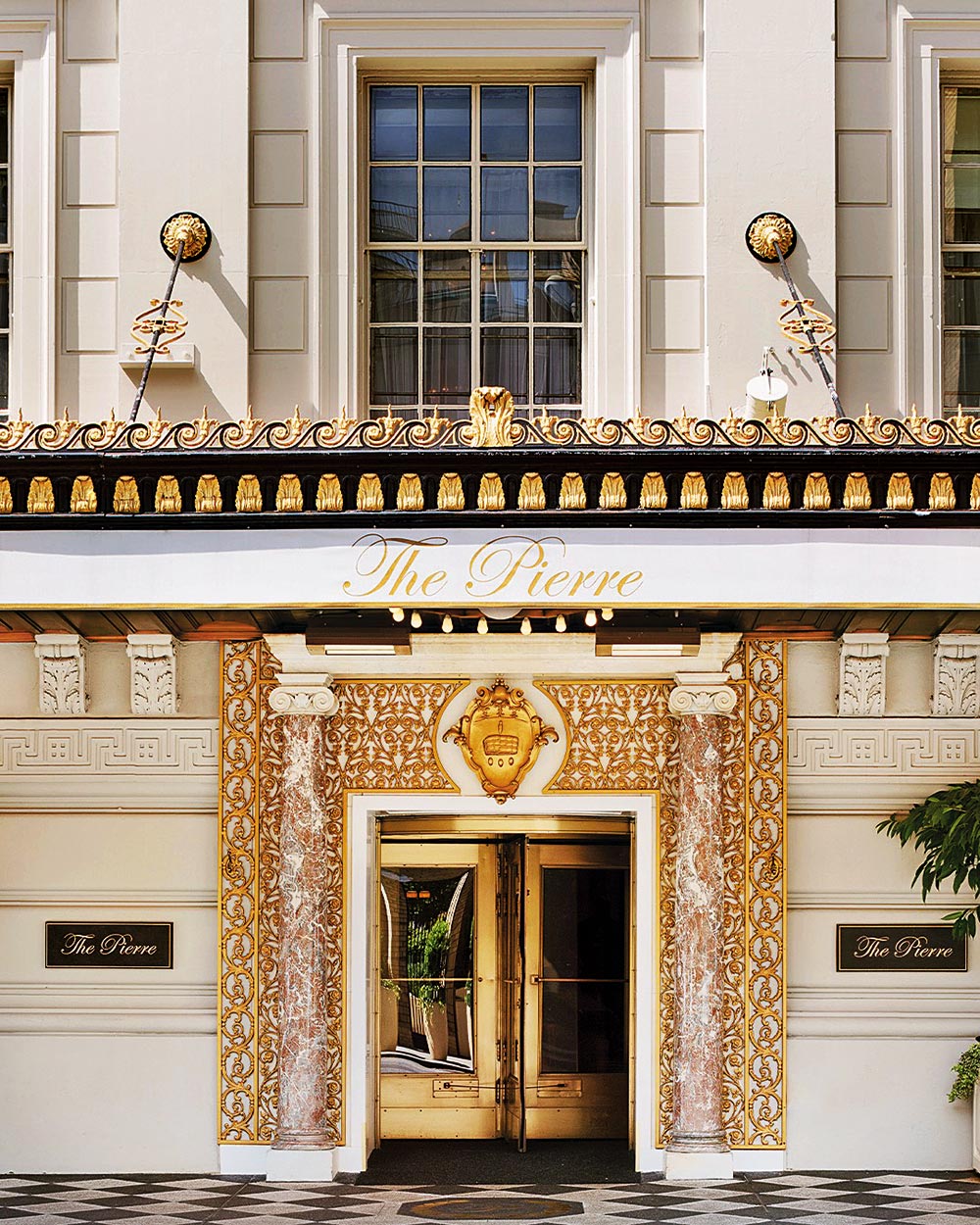
Amongst its international outposts Perrine at The Pierre’s, New York serving seasonally-inspired French-American cuisine is a first of its kind. Opened in 1999; Quilon in London is a Michelin starred restaurant since 2008. The Michelin – Starred Campton Place Restaurant serves a unique Cal-Indian cuisine while Bombay Brasserie is an iconic restaurant destination, famed for its authentic, eclectic Mumbai and Indian cuisine; has presence in London, Taj Dubai and Taj Cape Town and more recently in Singapore. Our culinary philosophy is rooted in authenticity, regional depth and innovation, introducing global cuisines to India while taking the richness of Indian gastronomy to the world.
Also Read: Inside The Enchanting Taj Puri Resort & Spa, Odisha
Many travellers say Indian hospitality feels warmer than global chains. How have international guests responded to Taj’s service ethos?
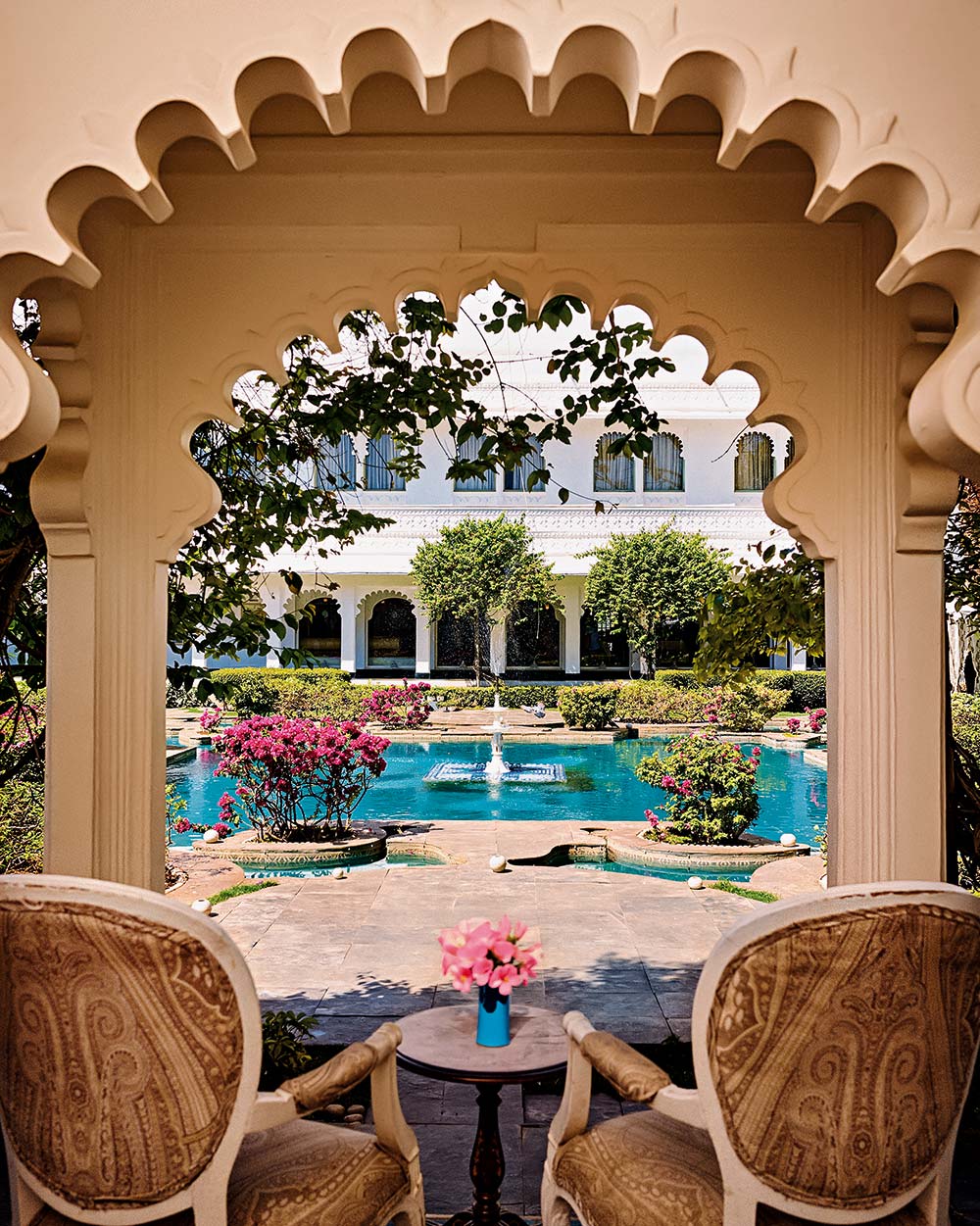
At the heart of Taj’s global appeal is the philosophy of Atithi Devo Bhava, which defines Indian hospitality. The brand’s ethos is rooted in Tajness—a philosophy of warm, personalised and intuitive service. By blending the richness of Indian traditions with contemporary luxury, Taj continues to present Indian hospitality as a distinctive cultural expression in the global luxury landscape.
Hotel design is becoming a key luxury differentiator. How does Taj integrate Indian design sensibilities into its global properties?
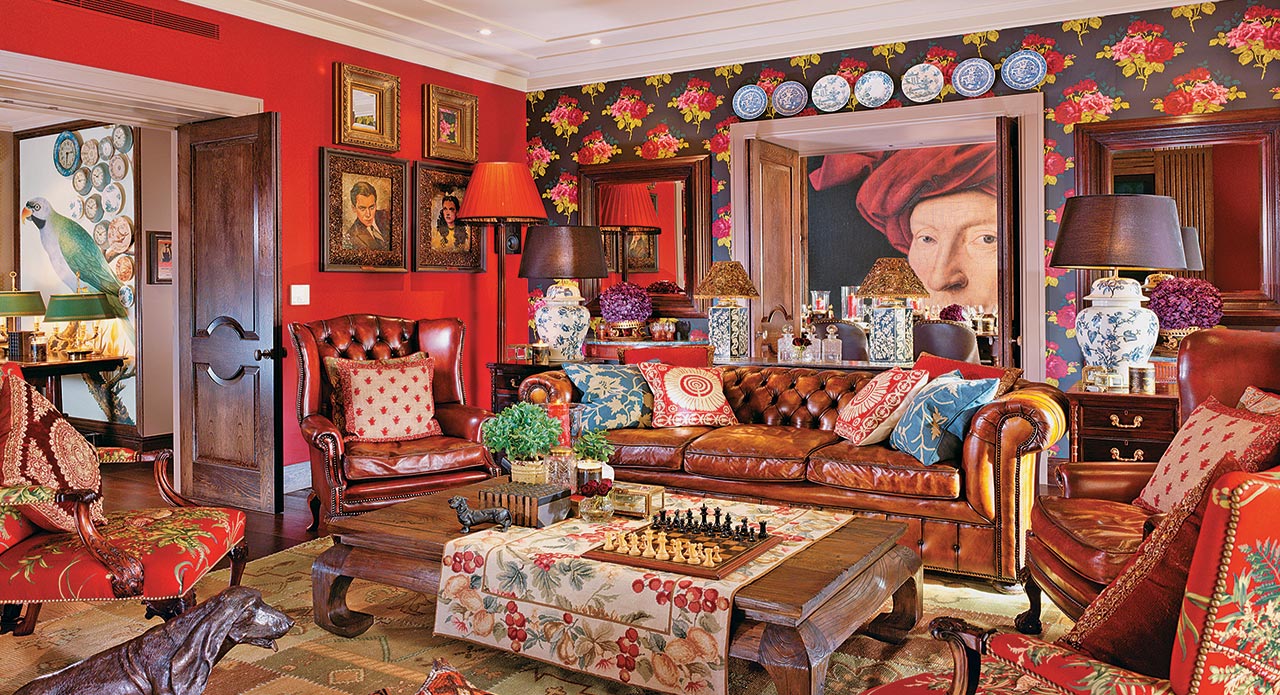
At Taj, design is about interpretation. We draw from India’s rich design vocabulary, whether through craftsmanship, textures or storytelling elements, and integrate these thoughtfully within the local context. The result is a nuanced aesthetic that reflects both the destination and Taj’s heritage, creating spaces that are distinctive, immersive and offer a sense of place. A good of example of that would be the Sabyasachi suite in London at the Taj Buckingham Gate in London.
Wellness traditions from India—especially Ayurveda and holistic therapies—are gaining global popularity. How is Taj leveraging these in its international hotels?
Through our J Wellness Circle, we are taking India’s ancient healing traditions of Ayurveda, yoga and holistic therapies to a global audience in a contemporary and relevant format. Today’s luxury traveller is seeking meaningful, mindful experiences, and Indian wellness systems offer a deeply differentiated and credible proposition in this space.
If you had to define the “Indian luxury code” that Taj brings to the world, what would it be?
Unmistakably, Tajness, the seamless blend of timeless heritage, intuitive service and meaningful experiences that create a deep and lasting emotional connect.