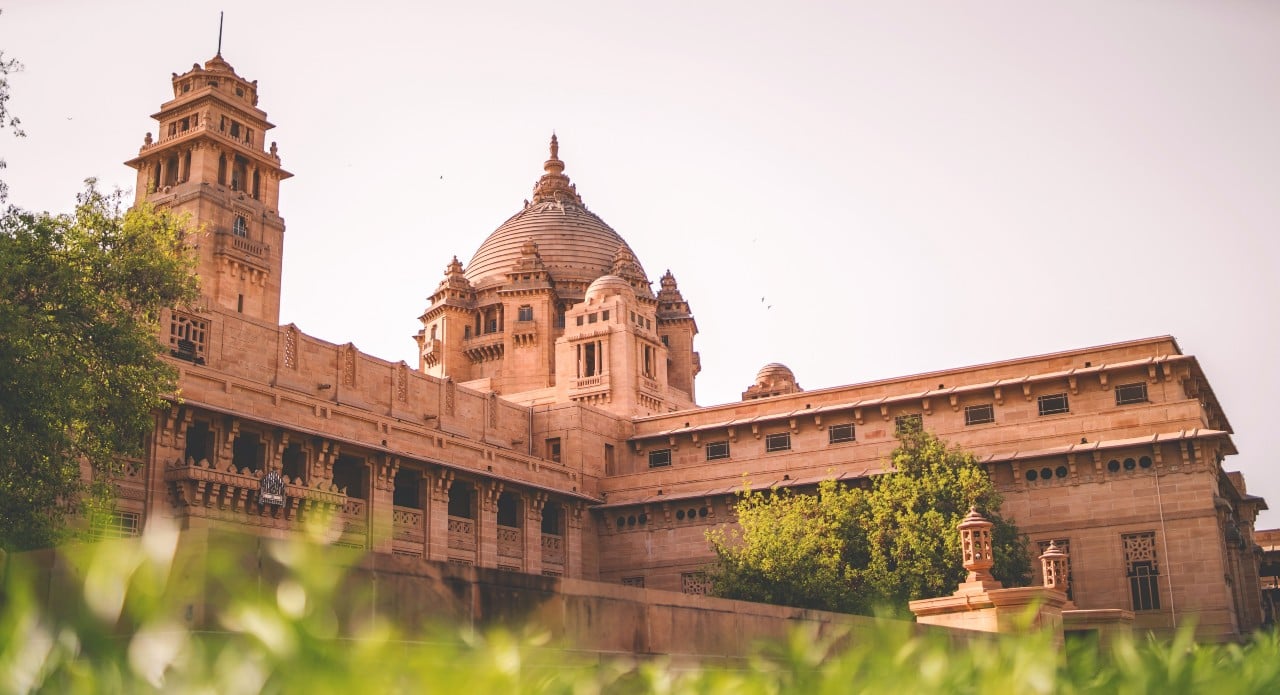


There was a time when travel was not measured in air miles, loyalty points or how quickly one could check into a suite. It was measured in invitations. Invitations to hunt with a Maharaja, to dine beneath crystal chandeliers glowing with candlelight, to wander through corridors lined with portraits of ancestors who ruled kingdoms rather than companies. Rajasthan was the stage upon which this grand theatre of royalty unfolded. Across its golden deserts rose palaces not merely built as homes, but as declarations of power, prestige and permanence. Domes pierced the sky, marble courtyards echoed with the footsteps of nobles, and gardens bloomed as if the very earth had been instructed to impress. Remarkably, many of these royal residences remain standing today, not as relics trapped behind museum ropes, but as living palaces where guests may still experience the splendour of a bygone age. From Jaipur’s glittering royal courts to Jodhpur’s commanding sandstone citadel and Bharatpur’s serene aristocratic retreat, these extraordinary palaces continue to preserve the elegance, grandeur and unmistakable romance of princely India.
Rambagh Palace, Jaipur
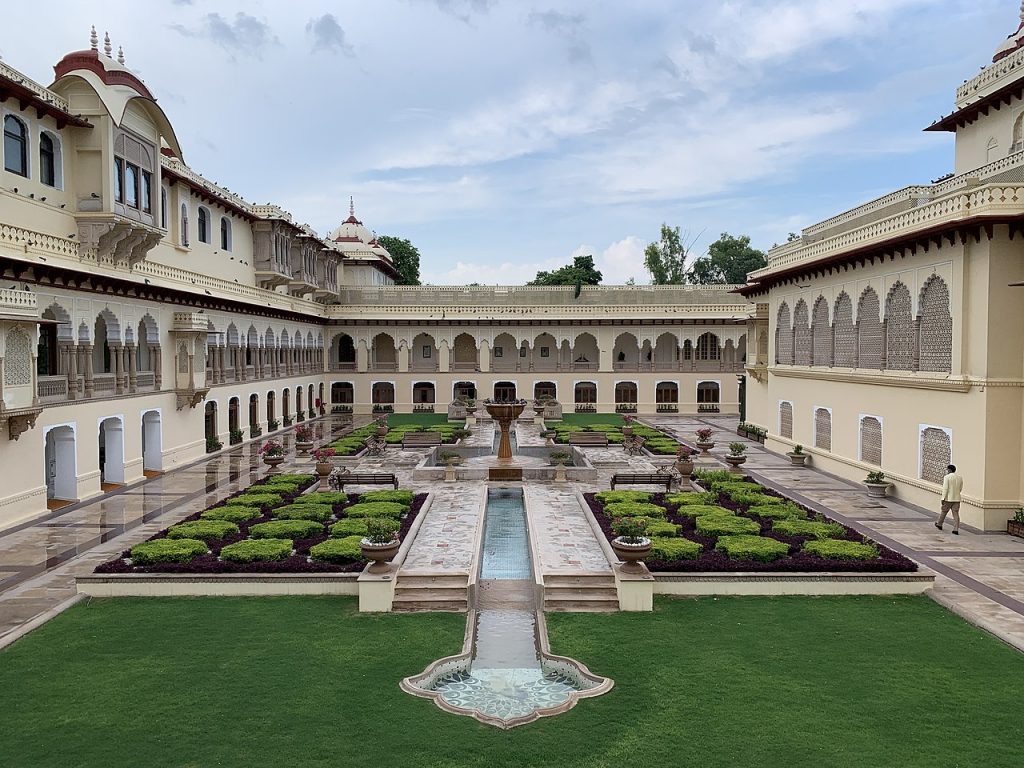
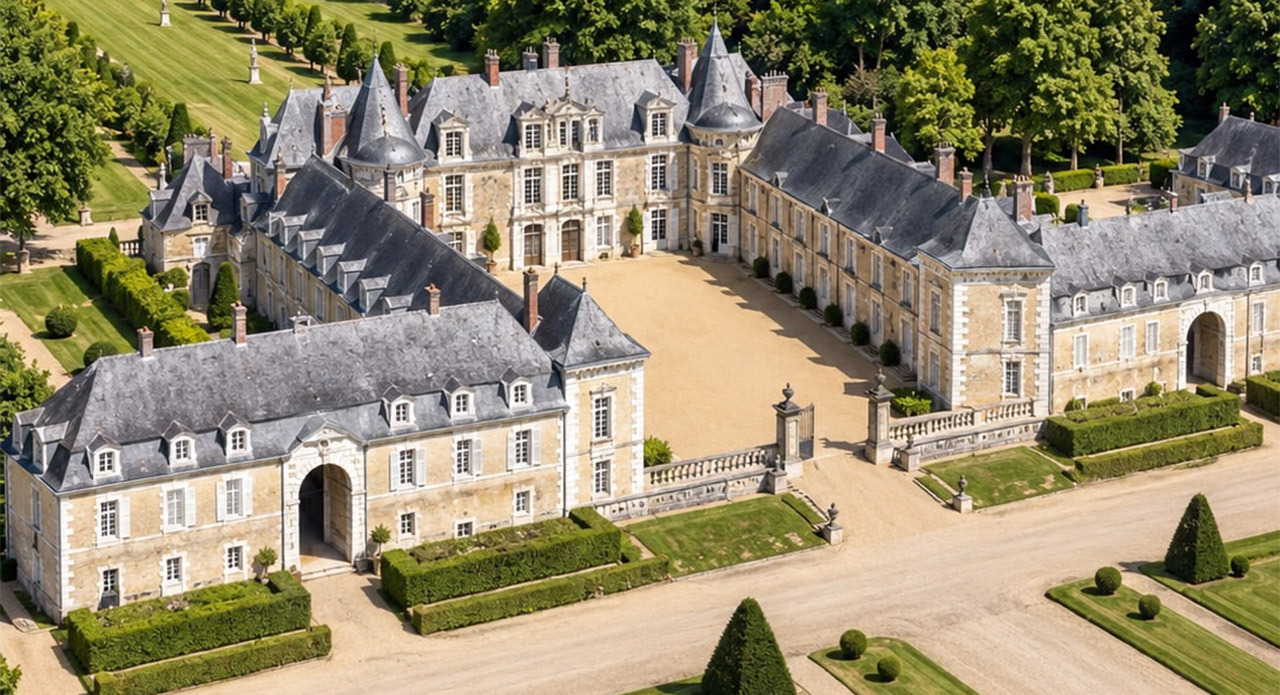
Few hotels anywhere in the world can rival the sheer majesty of Rambagh Palace. Once the residence of Jaipur’s royal family, the palace stands amid 47 acres of meticulously maintained gardens and remains one of India’s most celebrated luxury destinations. Marble corridors, hand-carved sandstone, elaborate chandeliers and peacock-filled lawns create an atmosphere that feels more royal court than hotel lobby.
Distinguished guests including King Charles III, Oprah Winfrey and numerous heads of state have experienced its regal hospitality. Today, it remains the benchmark for palace luxury in India, effortlessly combining heritage with modern refinement.
Also Read: The New Indian Farmhouse: Where Luxury Living Meets Nature
Umaid Bhawan Palace, Jodhpur
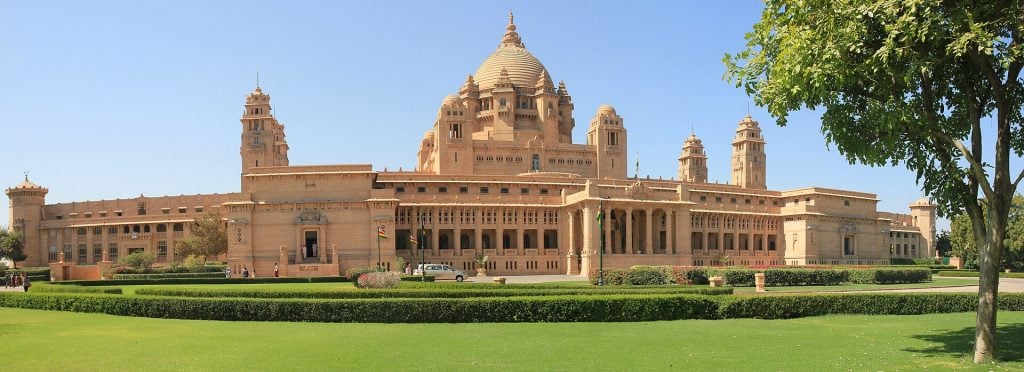
Towering above the Blue City, Umaid Bhawan Palace is among the largest private residences ever built. Commissioned by Maharaja Umaid Singh, the golden sandstone landmark was constructed during the Great Depression to provide employment to thousands of local workers.
Its distinctive Art Deco influences, grand dome and vast interiors make it one of the most architecturally unique royal residences in the country. The palace captured international attention when Priyanka Chopra Jonas and Nick Jonas celebrated their wedding here. More than a hotel, it remains a living symbol of India’s royal heritage.
Jai Mahal Palace, Jaipur
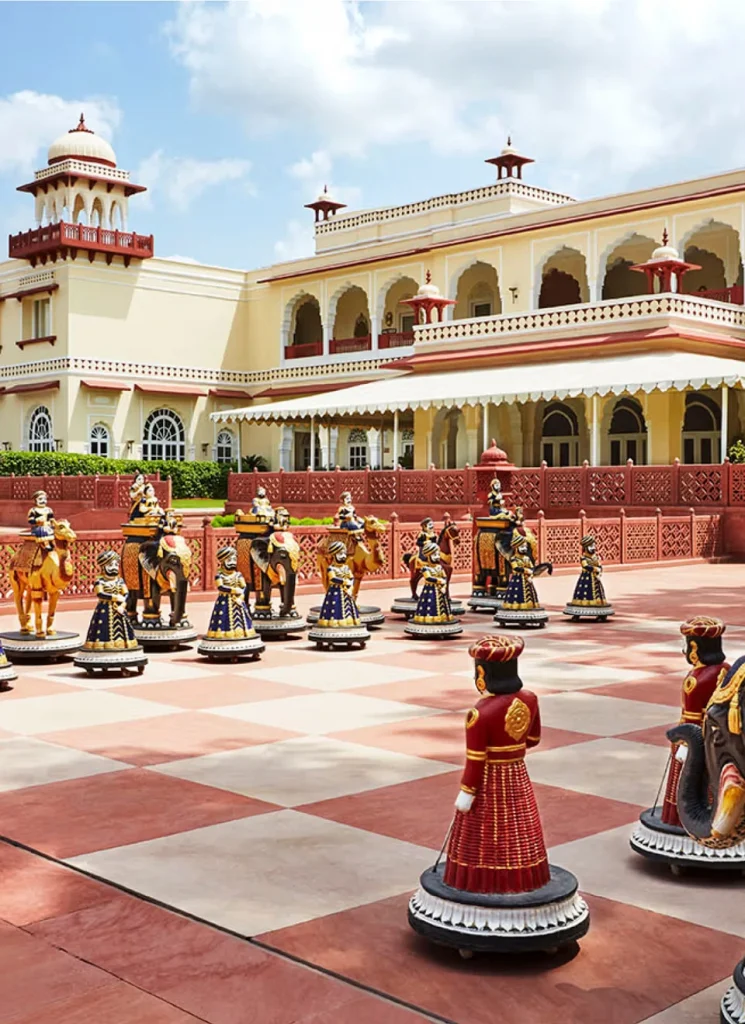
Nestled within 18 acres of Mughal gardens, Jai Mahal Palace offers a more intimate interpretation of royal luxury. Built in the 18th century, the palace blends Rajput and Indo-Saracenic architecture with serene landscaped grounds that provide a welcome escape from Jaipur’s bustling streets.
The property is defined not by overwhelming grandeur but by its refined elegance. Graceful arches, tranquil courtyards and heritage interiors create a sense of calm sophistication that has attracted diplomats, business leaders and discerning travellers for decades.
Lalgarh Palace, Bikaner
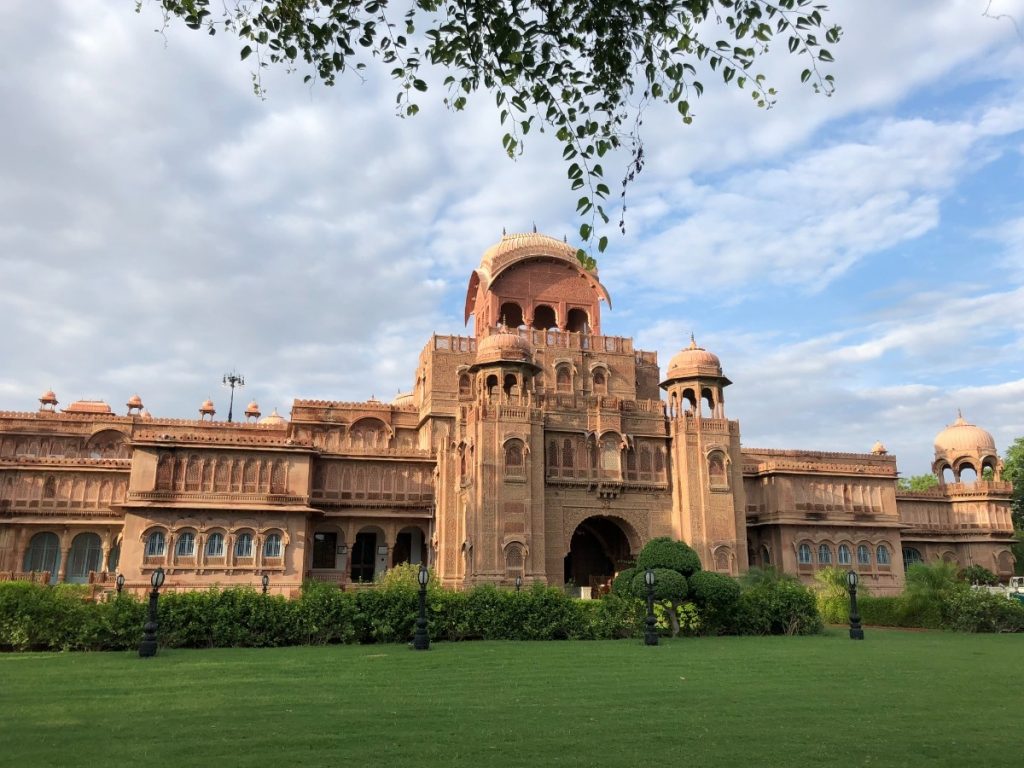
Commissioned by Maharaja Ganga Singh, Lalgarh Palace remains one of Rajasthan’s most distinctive royal residences. Constructed in striking red sandstone, the palace combines Rajput, Mughal and European influences to create an architectural style unlike any other in the state.
Intricate latticework, expansive courtyards and richly decorated interiors tell the story of a ruler whose international travels influenced every aspect of the palace’s design. British dignitaries, royalty and statesmen once passed through these halls, leaving behind a legacy that continues to fascinate visitors today.
Laxmi Vilas Palace, Bharatpur
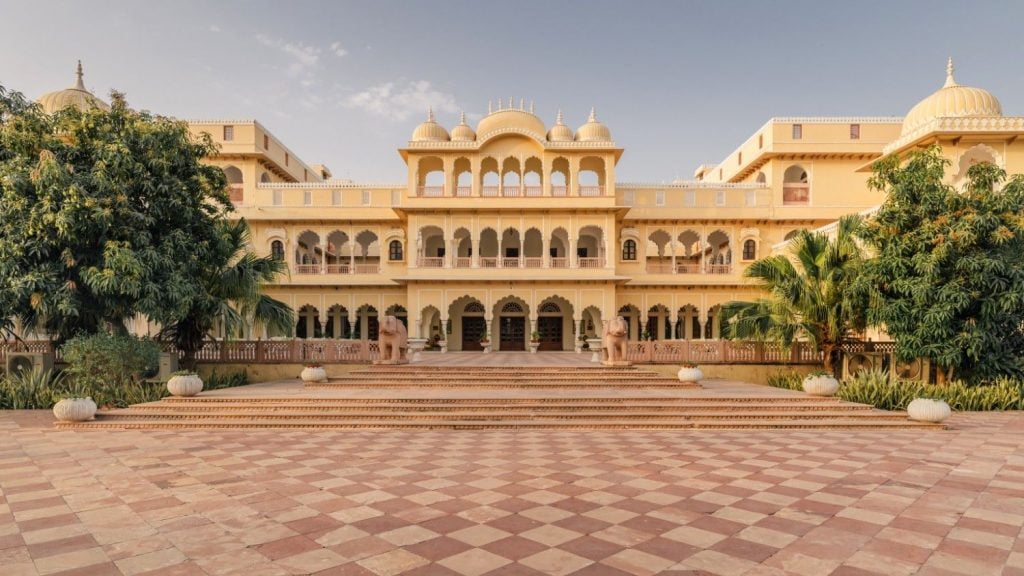
While Jaipur and Jodhpur often dominate the headlines, Laxmi Vilas Palace offers one of Rajasthan’s most charming heritage experiences. Built by the Jat rulers of Bharatpur, the palace combines Rajput grandeur with colonial influences, creating a property rich in both character and history. Its greatest advantage is location. Situated near Keoladeo National Park, one of India’s most celebrated bird sanctuaries, the palace attracts heritage enthusiasts and wildlife lovers alike. The result is a unique blend of royal history and natural beauty rarely found elsewhere in Rajasthan.
For travellers seeking more than just luxury accommodation, these palaces offer something increasingly rare in modern hospitality: authenticity. They are not merely places to stay. They are living monuments to India’s royal past, where every corridor, courtyard and chandelier carries the echoes of a remarkable history.