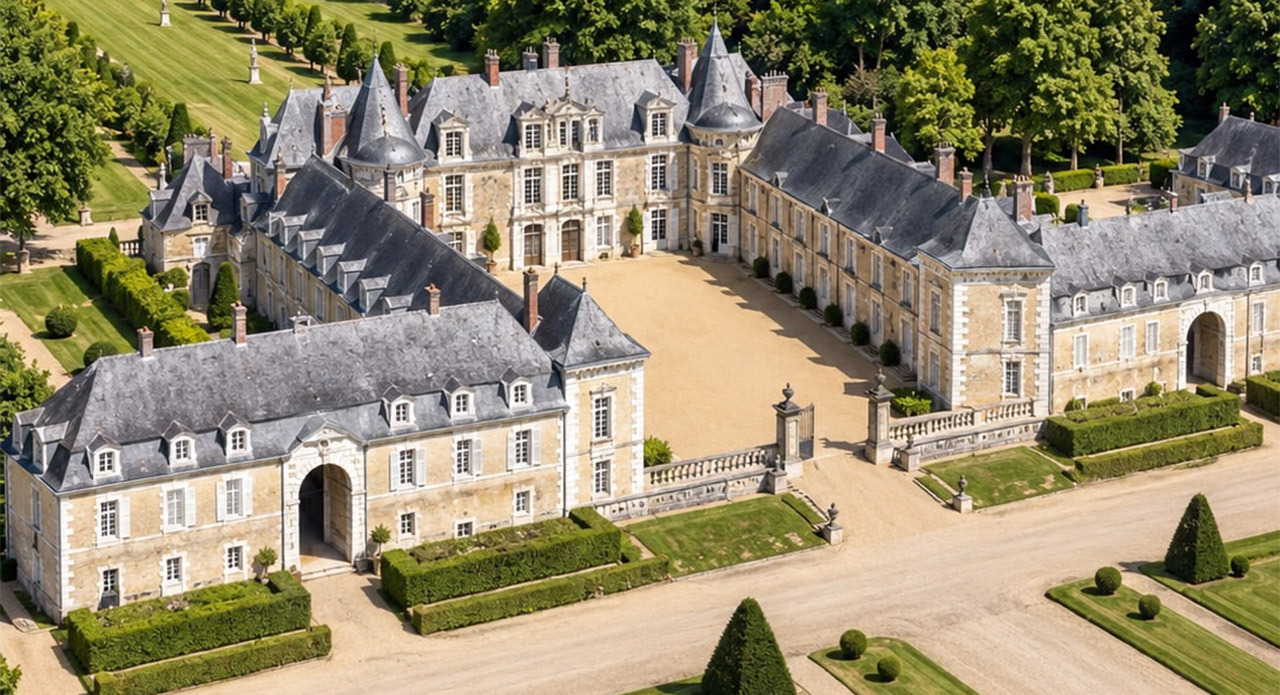


Modern luxury homes are rather obsessed with proving themselves. Glass towers scrape the skies, penthouses advertise infinity pools from every conceivable angle, and developers speak endlessly about lifestyle, exclusivity, and curated experiences as though they have personally invented the concept of comfort. But scattered quietly across India are homes that require none of this exhausting self promotion. They simply exist with the calm authority of history itself. These are residences built long before luxury became an industry. Palaces where chandeliers arrived by ship from Europe while entire nations were still travelling by horse carriage. Tea estate bungalows perched above Himalayan mist where silence remains more valuable than square footage. Portuguese mansions in Goa where family silver has occupied the same cabinets for generations.
What separates these homes from modern mansions is not merely age or architecture. It is permanence. They were not designed for resale value or social media admiration, but for families, dynasties, and legacy. Every fading fresco, weathered staircase, and impossibly high ceiling carries evidence of lives fully lived across centuries. Royal residences like Umaid Bhawan Palace and Falaknuma Palace continue standing not simply as architectural landmarks, but as reminders that true luxury was once built to endure for generations rather than trends. In a world increasingly obsessed with newness, these heritage homes prove that timelessness remains the rarest luxury of all.
Umaid Bhawan Palace, Jodhpur
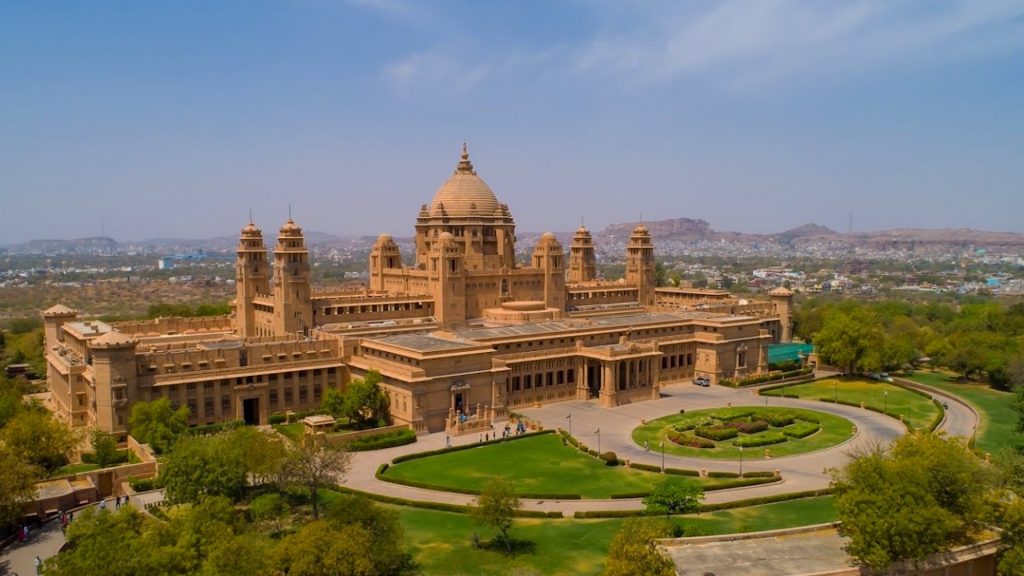
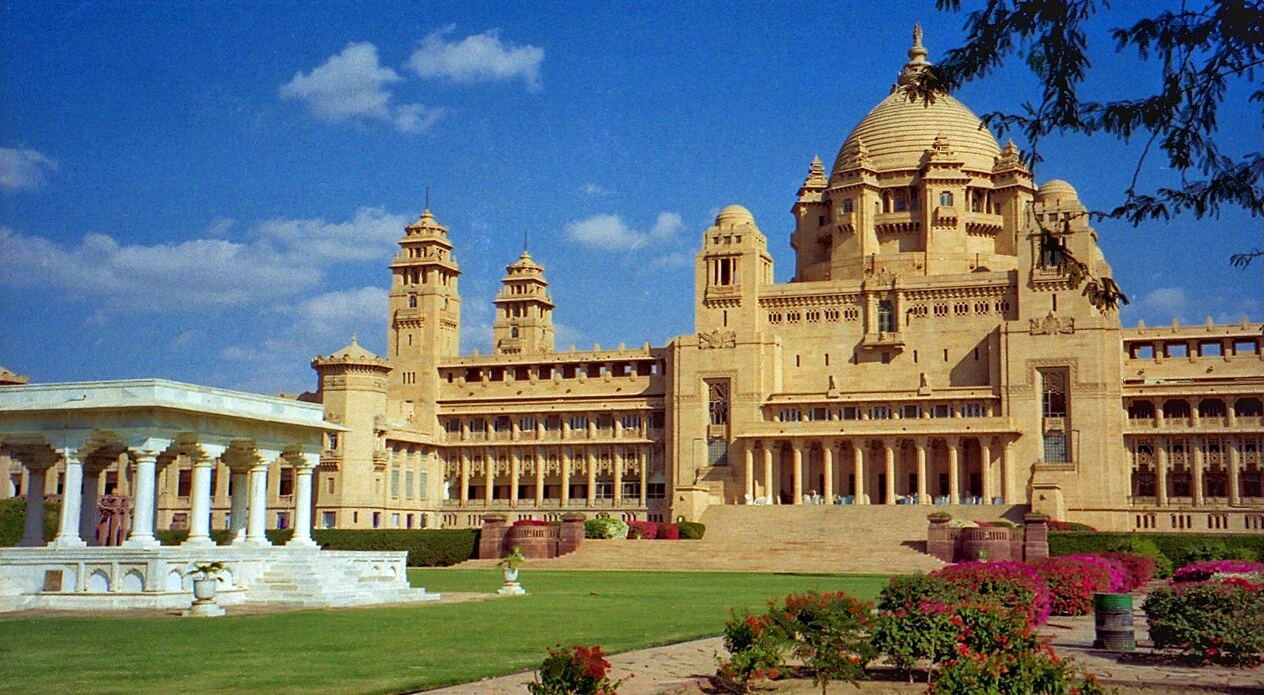
Rising above the blue city of Jodhpur like a sandstone mirage, Umaid Bhawan Palace remains one of the last great royal residences of India still partially occupied by a living royal family. Built between 1928 and 1943 under Maharaja Umaid Singh, the palace blends Art Deco elegance with Rajput grandeur on a scale so vast it feels almost impossible today. Golden sandstone façades, sweeping staircases, polished marble interiors, trophy rooms, and enormous domes create a residence that embodies both royal ambition and architectural confidence. While part of the palace operates as a luxury hotel and museum, the private royal quarters continue housing the Jodhpur royal family, preserving a rare continuity between India’s princely past and present. Unlike modern billionaire mansions designed for visibility, Umaid Bhawan carries the quiet certainty of inherited legacy.
Also Read: The Great Houses of Europe That Still Define Old Money Luxury And Legacy
The Braganza House, Goa
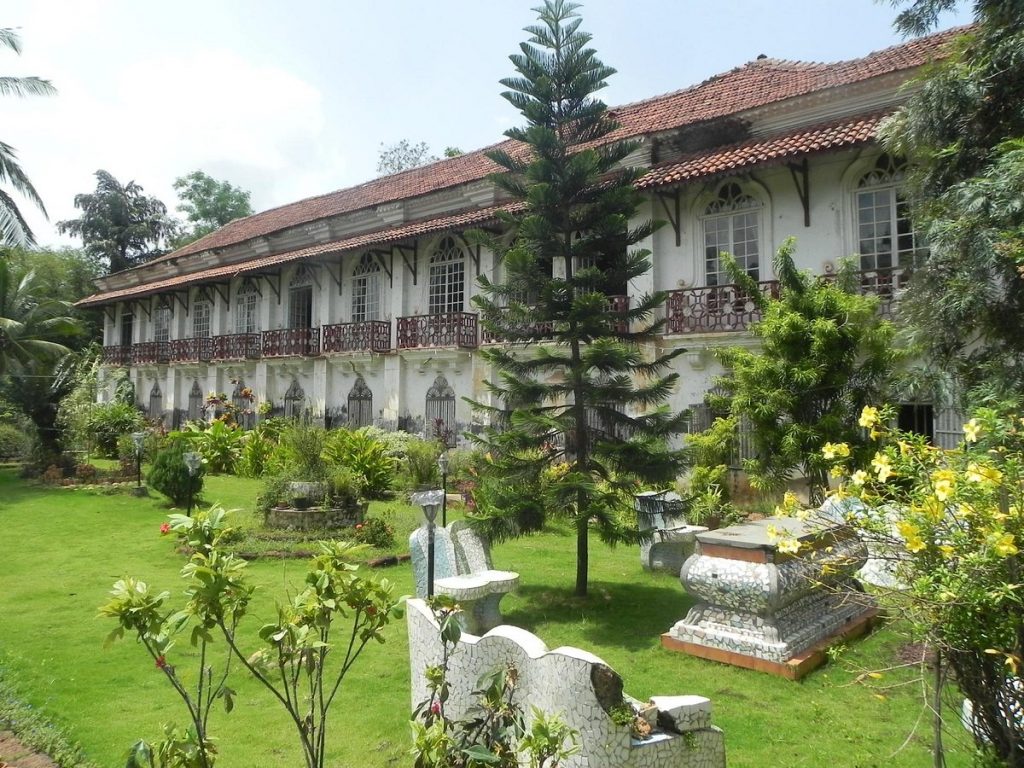
Hidden within the quiet village lanes of Chandor in Goa stands Braganza House, one of India’s largest and most fascinating privately owned Portuguese colonial mansions. Divided into eastern and western wings maintained by descendants of the original family, the estate feels suspended in time. Antique Belgian mirrors, hand painted ceilings, grand ballrooms, rosewood furniture, and private chapels create a world untouched by modern minimalism. There is something gloriously unapologetic about the house. It does not attempt restoration for tourism or social media glamour. Instead, it exists as a living archive of Indo Portuguese aristocratic life, preserving generations of memory behind fading pastel walls and enormous wooden doors.
The Falaknuma Palace Residence, Hyderabad
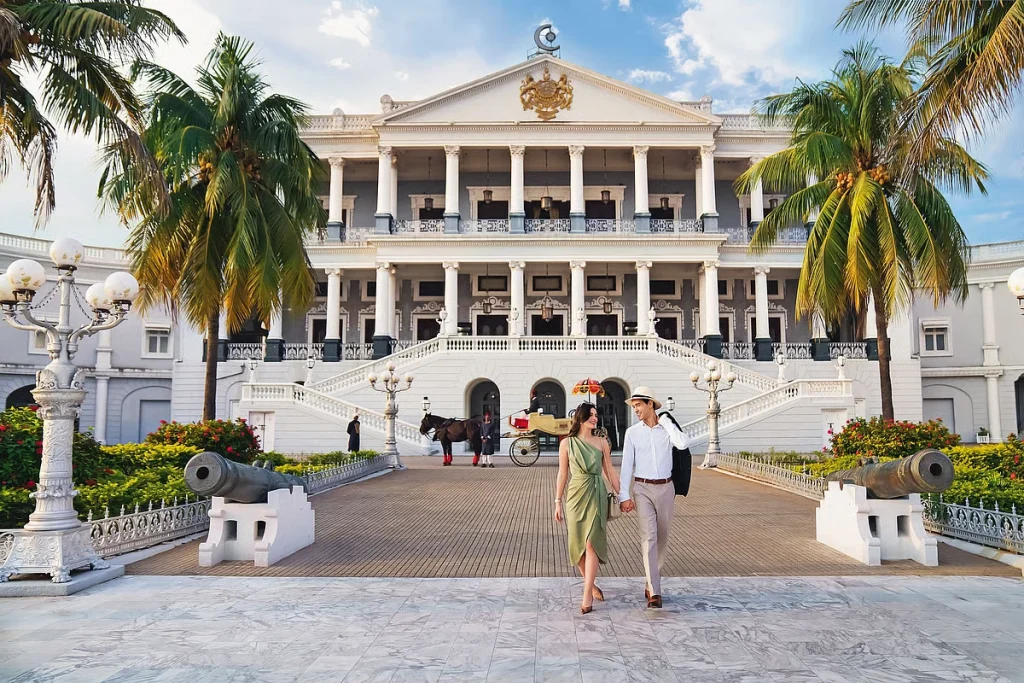
Perched dramatically above Hyderabad, Falaknuma Palace remains one of India’s most extraordinary royal residences. Originally built by Nawab Vikar ul Umra before becoming associated with the Nizam dynasty, the palace combines Italian marble staircases, Venetian chandeliers, walnut libraries, and sprawling halls that feel designed for emperors rather than ordinary royalty. Though part of the property functions as a luxury hospitality landmark today, sections connected to the royal legacy and estate remain deeply tied to private heritage and family history. Every corridor carries the weight of old world aristocracy, where luxury was measured through craftsmanship, ceremony, and impossible scale.
Also Read: Why Billionaires Never Stop Buying Homes In This Timeless Architecture Style
The Chowmahalla Palace Family Quarters, Hyderabad
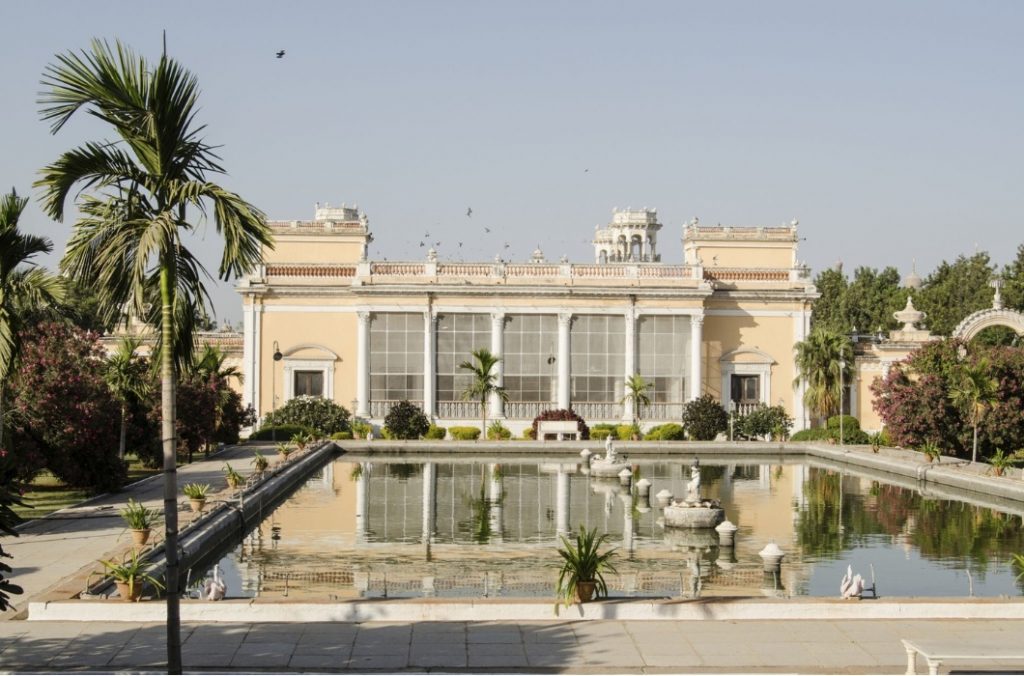
While visitors often admire the ceremonial grandeur of Chowmahalla Palace, parts of the palace complex still remain associated with the descendants of the Asaf Jahi dynasty, preserving one of India’s richest aristocratic legacies. Built over generations by the Nizams of Hyderabad, the palace combines Persian, Mughal, and European architectural influences into a residence that once governed one of the wealthiest princely states in the world. Crystal chandeliers, marble courtyards, carved stucco halls, and regal durbar rooms continue reflecting a lifestyle where refinement mattered more than spectacle. Even today, the palace retains a sense of private dignity rarely found in modern luxury homes.
The Gulma Tea Estate Bungalow, Darjeeling
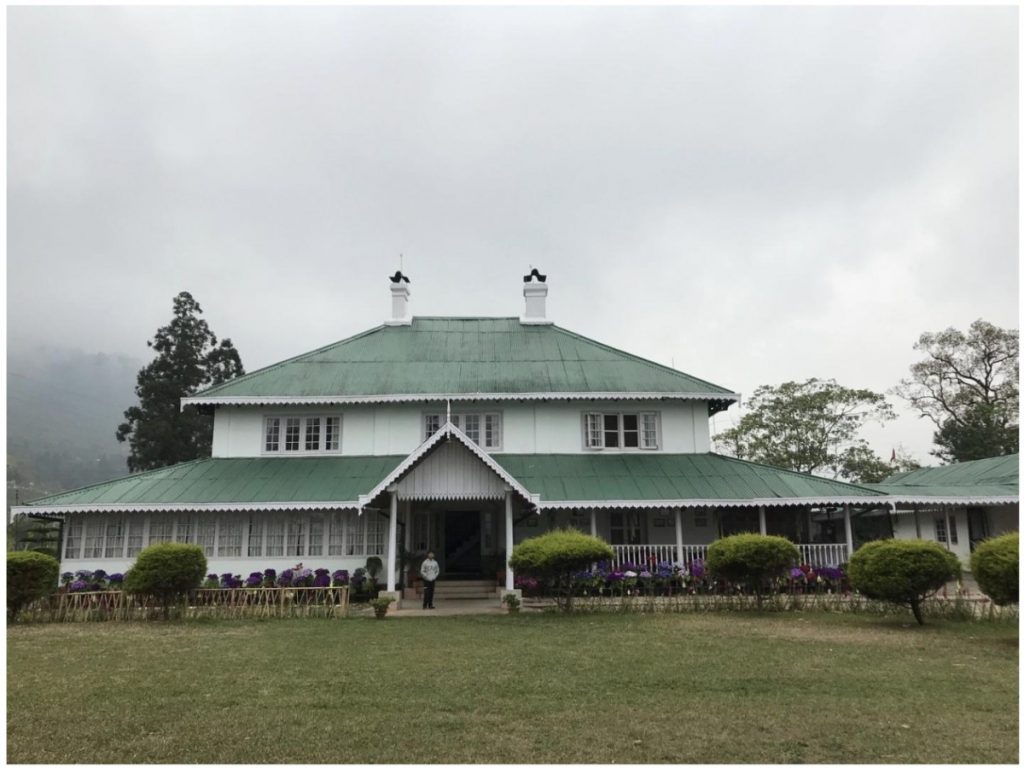
High above the Himalayan foothills near Darjeeling sits the Gulma Tea Estate bungalow, one of the last surviving examples of colonial tea planter architecture still connected to private estate ownership. Wrapped in mist, tea gardens, and towering pines, the residence embodies an entirely different form of Indian luxury. Timber floors creak beneath antique furniture while fireplaces, long verandahs, and sloping roofs create interiors designed for mountain silence and slow living. Unlike palaces built to display wealth publicly, tea estate bungalows represented understated privilege rooted in land, continuity, and isolation. They remain among India’s most poetic heritage homes because they feel deeply connected to the landscape surrounding them.