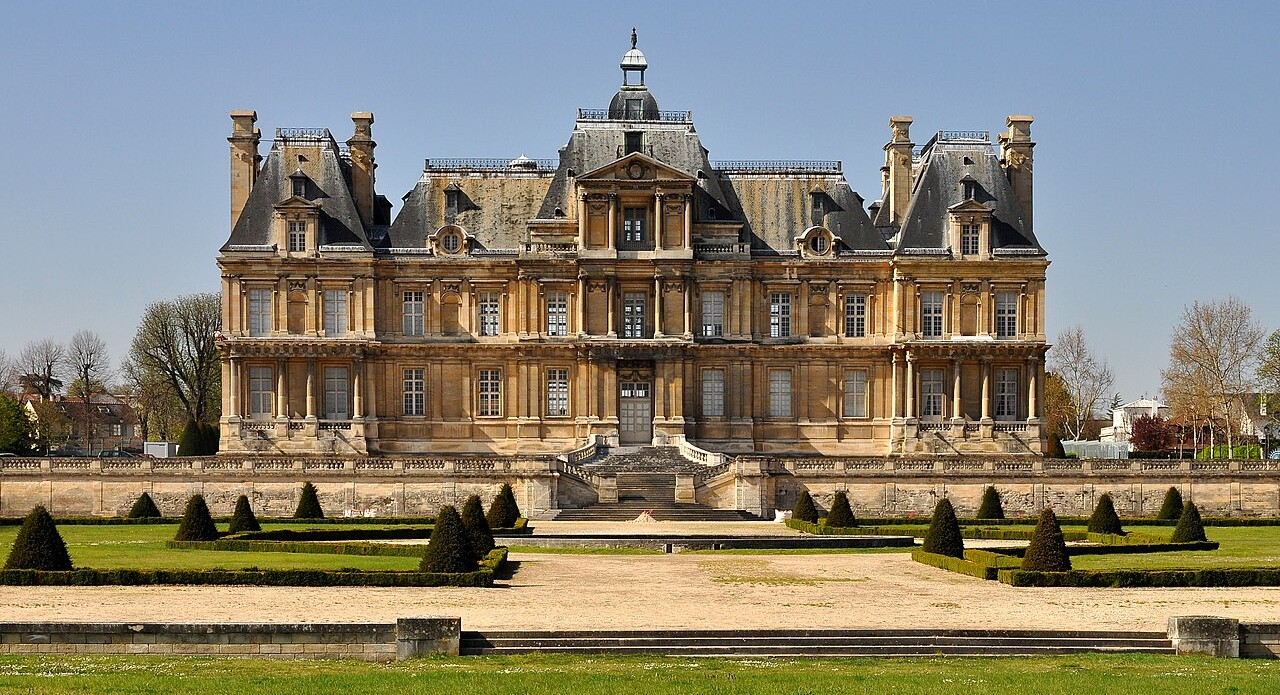


Modern luxury real estate spends an extraordinary amount of time trying to convince people it matters. The great houses of Europe never had to. These are homes built not for resale value or social media visibility, but for dynasties. Houses designed to survive wars, political revolutions, financial collapses, and generations of changing taste without losing their authority. They are places where libraries matter more than home theatres, where stone staircases carry centuries of footsteps, and where gardens are maintained with the patience of institutions rather than individuals.
And that, ultimately, is what separates old money luxury from modern extravagance. Old money does not scream. It settles into leather chairs beneath oil paintings and quietly assumes the world will continue revolving around it. Across Europe, a handful of architectural traditions still embody that philosophy better than anything built today. They remain the gold standard of legacy because they were never designed to impress temporarily. They were built to endure permanently.
The English Country Estate
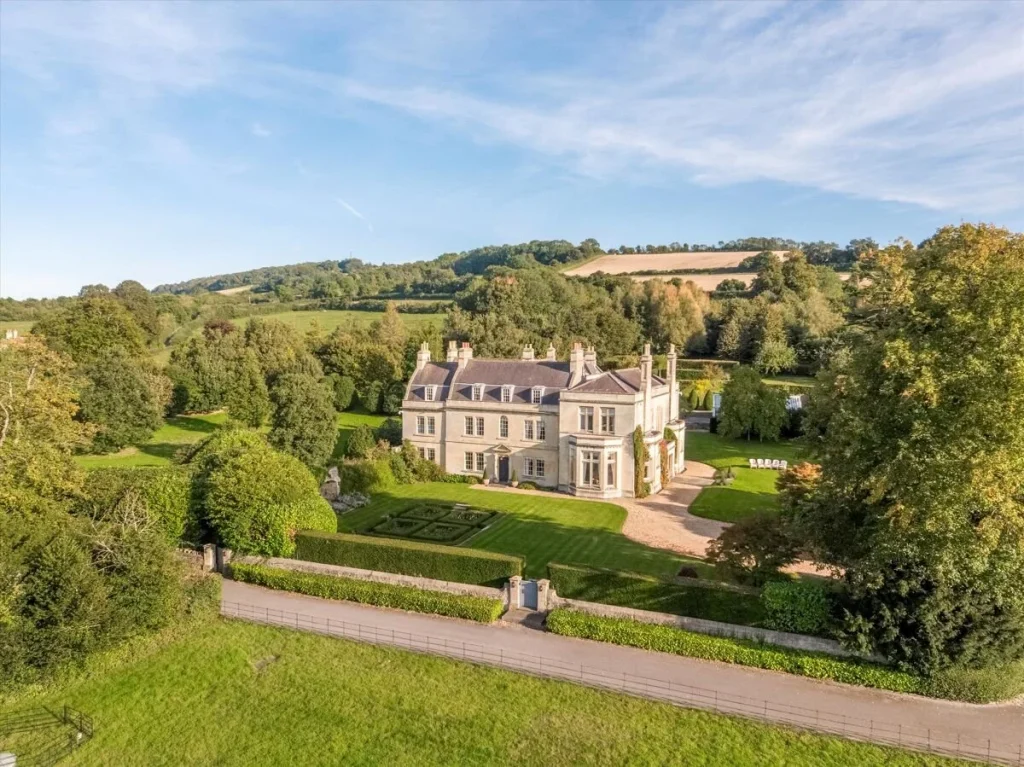
There is something deeply intimidating about a proper English country house. Perhaps it is the endless gravel driveway. Perhaps it is the centuries old oak trees standing like silent witnesses to history. Or perhaps it is the uncomfortable awareness that families have lived there continuously since before most nations existed in their current form.
From the rolling landscapes of the Cotswolds to the aristocratic estates of Yorkshire, these houses remain among the world’s purest expressions of inherited privilege. Georgian façades, private lakes, stables, libraries, and impossibly well maintained gardens create residences that feel less like homes and more like private kingdoms. hat makes them extraordinary is not excess, but continuity. Everything appears designed to age gracefully. Furniture acquires patina rather than replacement. Stone walls weather beautifully. Even silence seems more refined there. The English country estate does not seek relevance because it achieved permanence long ago.
Also Read: Why Billionaires Never Stop Buying Homes In This Timeless Architecture Style
The French Château
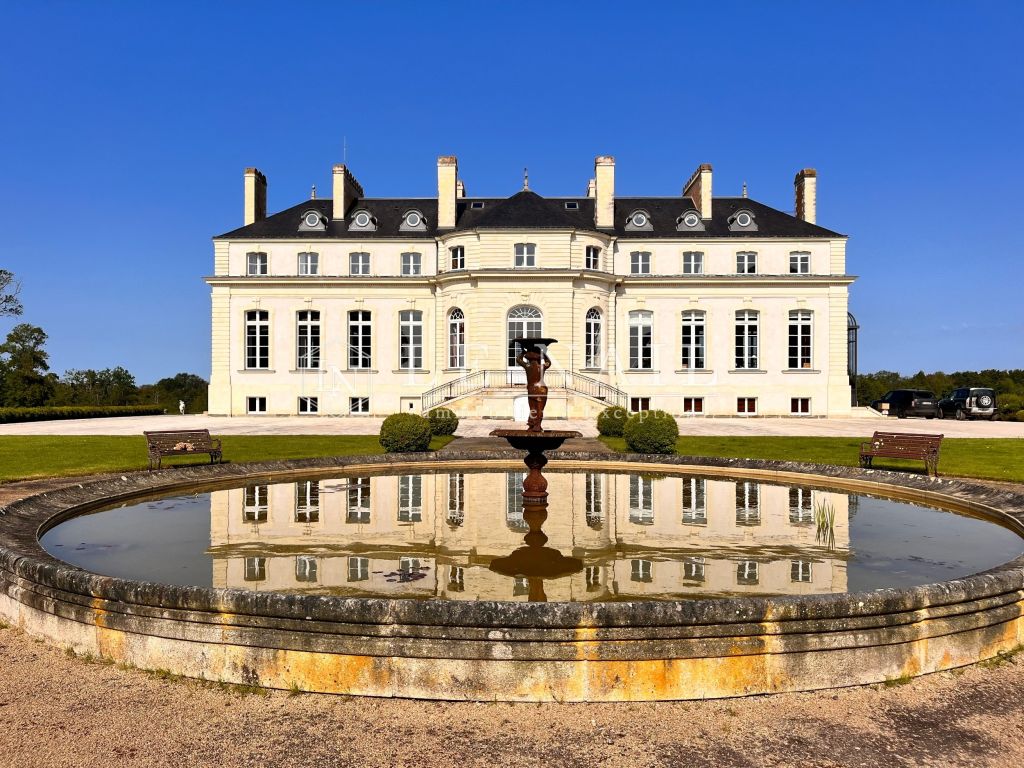
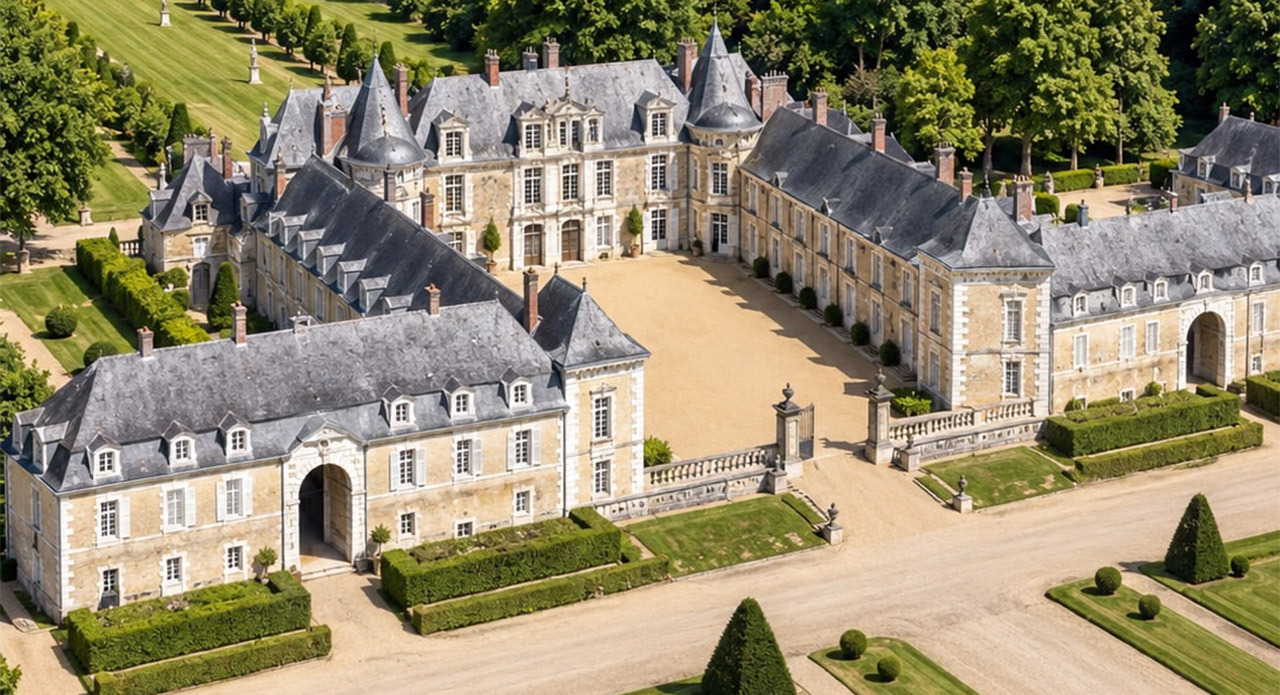
The château is what happens when architecture develops absolute confidence in itself. Across the Loire Valley, Bordeaux, and the French countryside, these estates continue defining aristocratic luxury with extraordinary theatricality. Towers rise above formal gardens, limestone façades glow in late afternoon light, and interiors unfold through salons, galleries, and dining rooms seemingly designed for diplomacy as much as domestic life.
Yet the finest châteaux possess restraint beneath the grandeur. They understand balance. Grandeur is softened by craftsmanship, proportion, and an unmistakable sense of cultural refinement. Wine cellars feel inevitable rather than performative. Antique furniture appears inherited rather than curated. Modern luxury homes often attempt to manufacture character. The château acquired it naturally over centuries. And that difference is immediately obvious the moment you arrive.
The Italian Villa
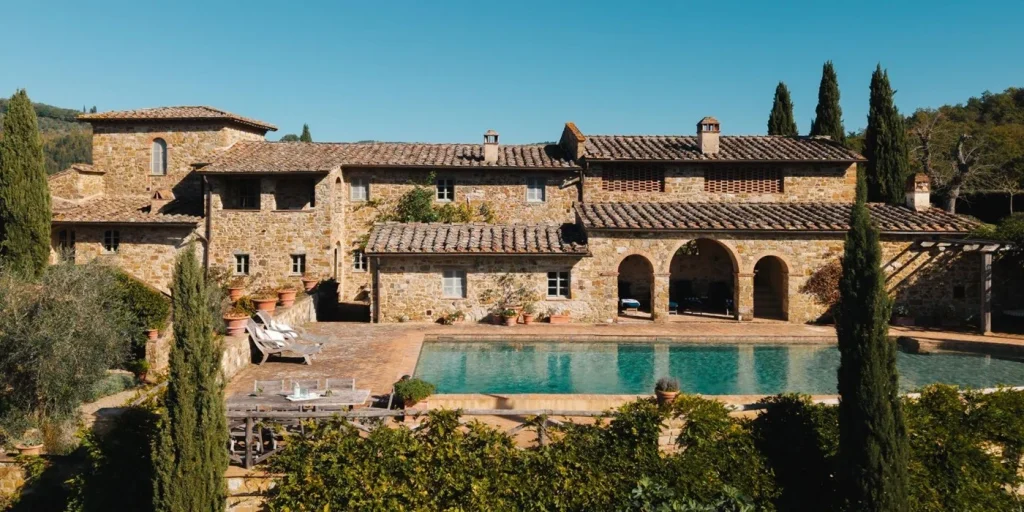
Italian villas possess something many modern mansions completely lack. Soul. Whether overlooking Lake Como, hidden among Tuscan vineyards, or positioned dramatically along the Amalfi Coast, these homes are built around pleasure rather than performance. Sunlight matters. Gardens matter. Lunch matters enormously. Stone terraces open towards landscapes that appear almost impossibly cinematic. Interiors prioritise atmosphere over perfection. Frescoes fade elegantly. Shutters age beautifully. Every room seems designed around the understanding that luxury should feel lived in rather than staged.
The truly wealthy continue buying Italian villas because they offer a lifestyle impossible to replicate inside glass towers or aggressively modern compounds. They slow life down. They encourage conversation, long evenings, and a relationship with beauty that feels entirely unforced. In Italy, architecture does not dominate life. It accompanies it.
The Austrian and Central European Palace
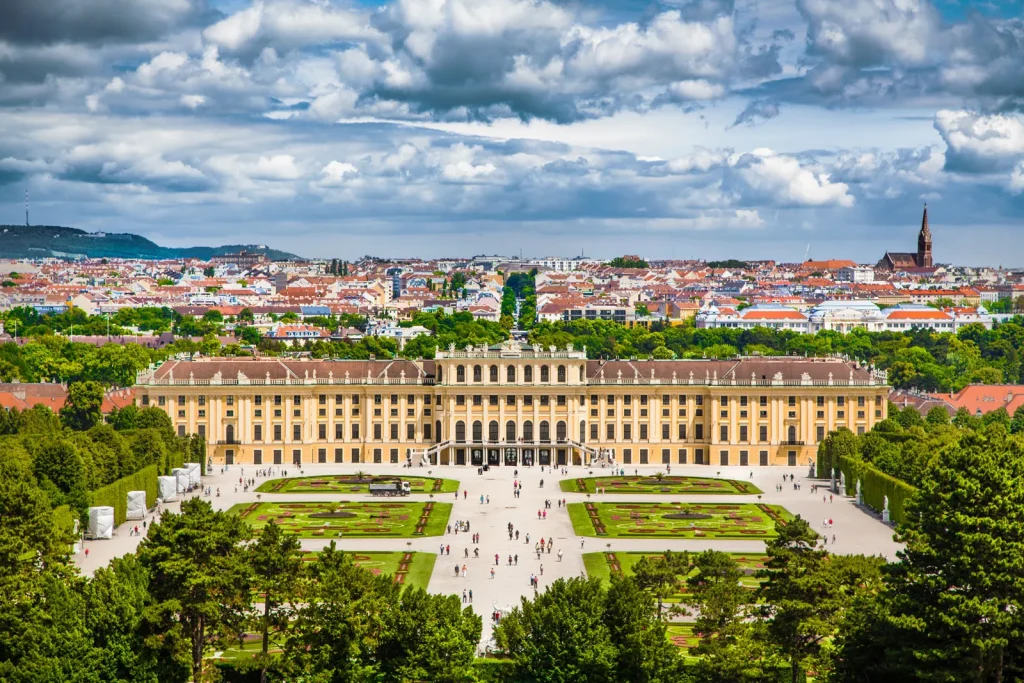
Some buildings politely introduce themselves. Imperial European palaces arrive with orchestral accompaniment. Across Vienna, Salzburg, Prague, and parts of Central Europe, grand residences built during the Austro Hungarian era continue representing one of history’s most unapologetically elegant approaches to architecture. Marble staircases sweep dramatically upward. Crystal chandeliers occupy rooms the size of modern apartments. Ceilings become canvases.
Yet beneath the opulence lies astonishing discipline. Symmetry, craftsmanship, and artistic detail exist in near obsessive harmony. These homes were designed not merely for comfort, but for ceremony, diplomacy, music, and culture itself. Modern luxury often confuses size with sophistication. These palaces remind you the two are not remotely the same thing.
The Swiss Alpine Estate
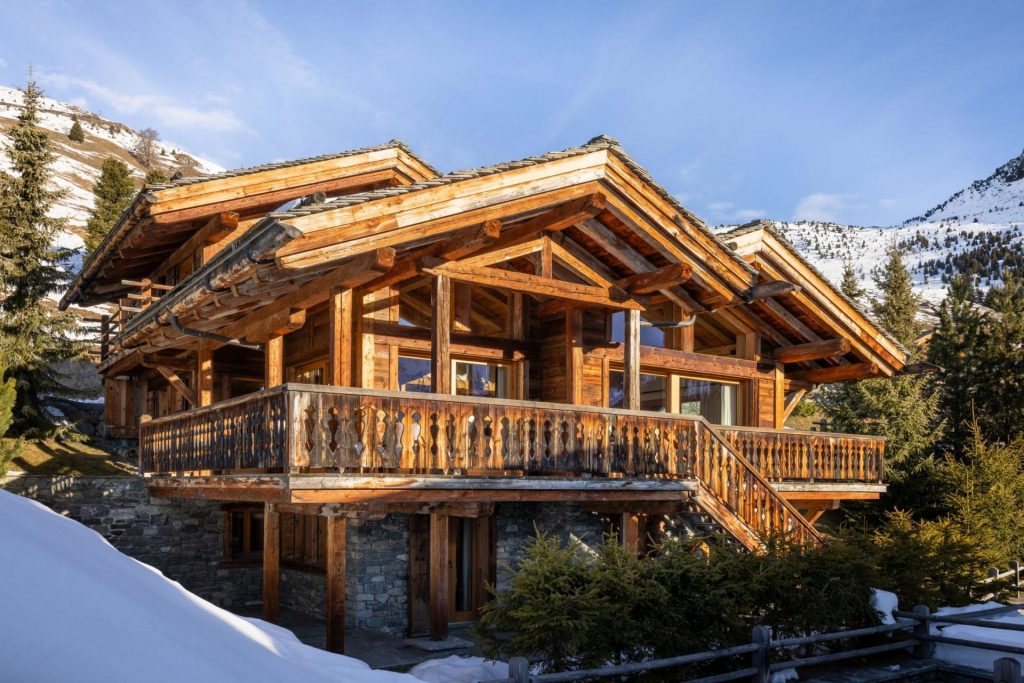
The truly wealthy adore privacy almost as much as they adore beautiful scenery. Which explains Switzerland. Hidden within destinations like St. Moritz, Gstaad, and Verbier are some of Europe’s most extraordinary residences, combining traditional Alpine architecture with extraordinary levels of craftsmanship and discretion. Timber beams, natural stone, roaring fireplaces, wine cellars, and panoramic mountain views create homes that feel both protective and impossibly luxurious.
Unlike urban trophy properties designed to be seen, Alpine estates are designed to withdraw from the world completely. Security becomes invisible. Luxury becomes tactile. Comfort becomes almost ceremonial. And perhaps that is why old money families continue returning to the Alps generation after generation. Not because they wish to display wealth. Because they wish to escape from it.