

There is something rather satisfying about a watch that has been asked to do a job rather than merely attend a dinner. Long before military inspired watches became fashionable accessories for people whose greatest daily danger is missing a reservation, TUDOR was putting its timepieces in the hands of professionals who actually needed them to work. The story began in 1954 with the Oyster Prince Submariner, a purpose built diving instrument designed around durability, reliability, precision and water resistance. Within just a few years, the watch had found its way into military service, most notably with the French Navy and the US Navy. Suddenly, this was no longer simply a watch designed for adventurous civilians. It was equipment. And when your equipment is strapped to the wrist of someone descending beneath the ocean, the usual luxury watch concerns become rather less important.
When The French Navy Came Calling
TUDOR’s relationship with the French Navy began in 1956, when the Toulon based Underwater Study and Research Group, or G.E.R.S., received TUDOR Oyster Prince Submariners for evaluation. The watches were tested in real world conditions and were judged to have excellent water resistance and performance. The relationship quickly developed, and by 1961 TUDOR had become an official supplier to the French Navy. This was not a case of a military organisation asking for something covered in gold and engraved with its crest. The watches were essentially catalogue models selected because they could do the job. Their military identity often came from the engraving on the case back, where Marine Nationale supplied examples carried the initials “M.N.” followed by the year of delivery. It is difficult to imagine a more convincing endorsement. When an organisation whose personnel routinely spend their working day underwater decides your watch is good enough to trust with their lives, you probably do not need another five star review.
Aldo Read: Nirupesh Joshi Interview: The Story Behind Bangalore Watch Company’s New Pocket Watch
The Submariner Learns To Survive
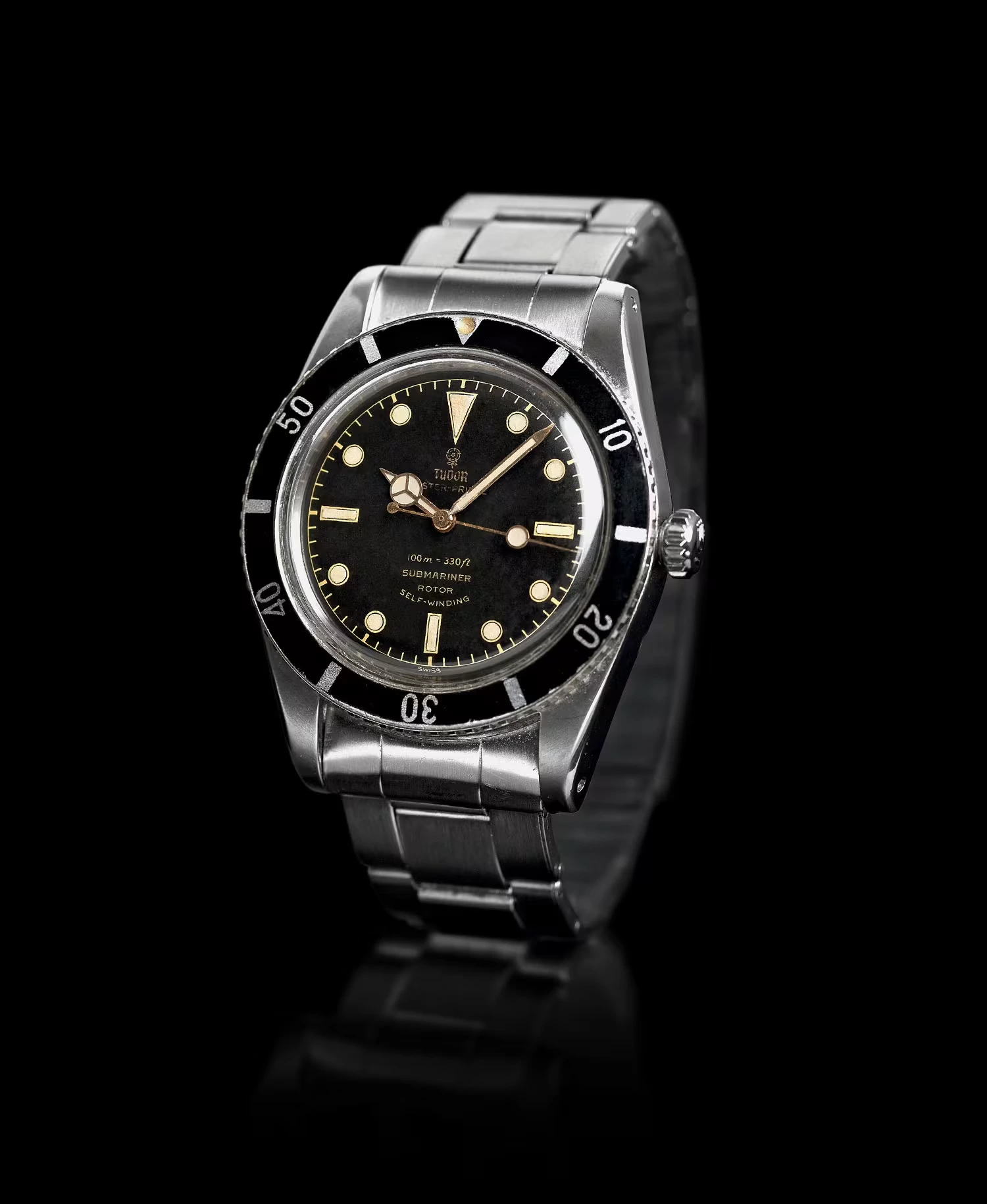
The TUDOR Submariner evolved rapidly because professional diving was evolving rapidly. The first reference 7922, introduced in 1954, offered water resistance to 100 metres, luminous hands and markers for visibility underwater and a rotating bezel for tracking dive times. By 1958, reference 7924 had increased water resistance to 200 metres and gained the oversized crown that collectors would later nickname the “Big Crown”. Then came the reference 7928 in 1959, introducing crown guards designed to protect the winding crown from impacts. These may sound like small details now, but underwater they were the difference between a useful instrument and a very expensive bracelet. TUDOR was gradually discovering what a professional diving watch needed to be, and the Submariner became the testing ground.
Then Came The Snowflake
In 1969, TUDOR introduced one of the most recognisable designs in its history. The reference 7016 brought square hour markers and distinctive angular hands, a combination that collectors would eventually nickname the “Snowflake”. It was not merely a stylistic flourish. The larger luminous surfaces were intended to improve legibility and extend illumination, precisely the sort of detail that matters when visibility is poor and the nearest source of daylight is several metres above your head. The design became closely associated with TUDOR’s military diving watches, particularly those supplied to the French Navy. In 1974, the “TUDOR M.N.” engraving began appearing on these watches, accompanied by the year of issue. For collectors today, those tiny markings have become highly desirable. For the divers who originally wore them, they were simply proof that the watch belonged to the equipment issued for the job.
Also Read: A Legacy in Time: The Blancpain Innovations That Changed Horology
The Blue Watch Of The French Navy
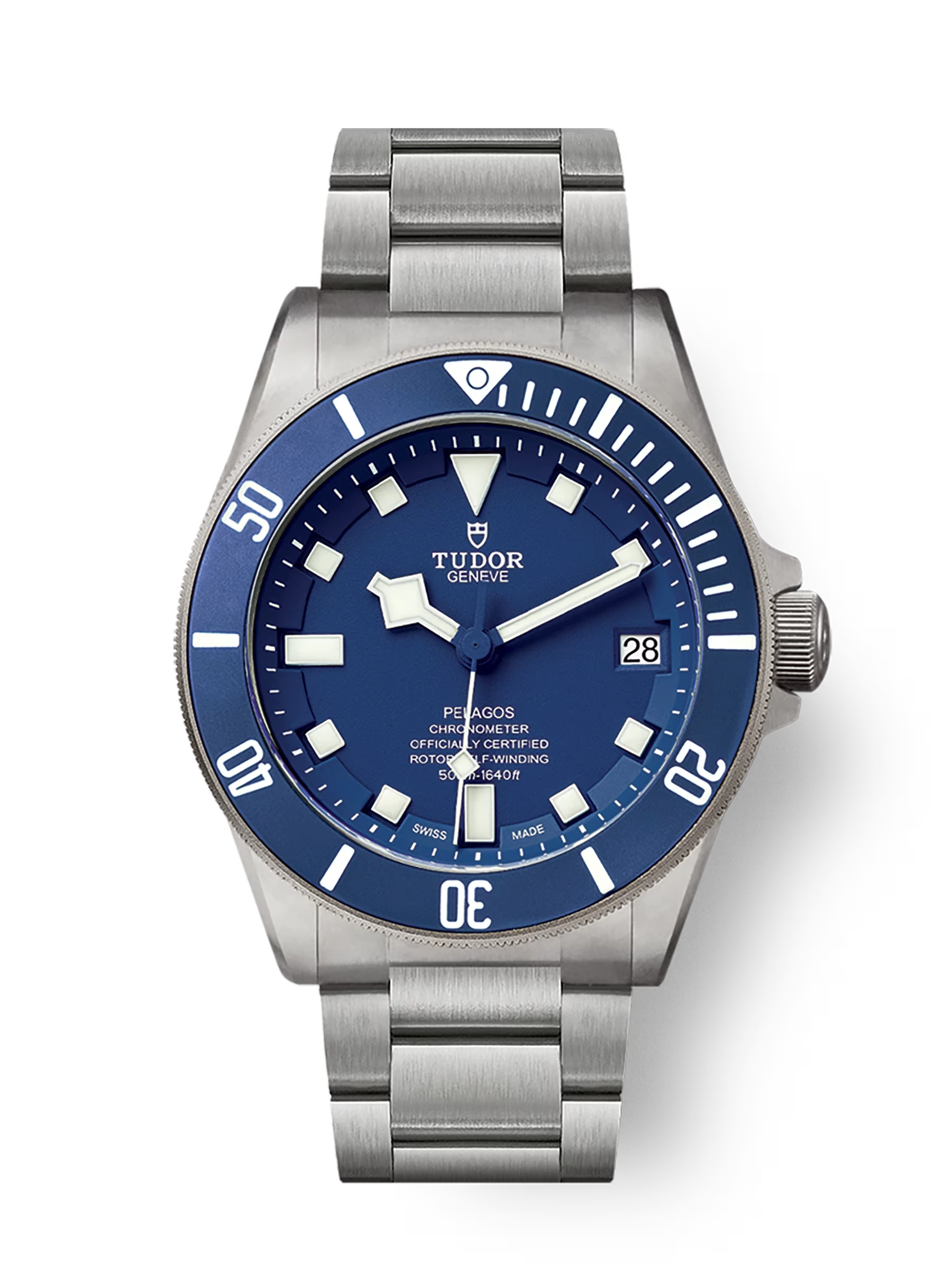
Among the military TUDORs, few have achieved the status of the reference 9401. Supplied to the French Navy from the mid 1970s and into the 1980s, it became famous for its blue dial and blue bezel, now affectionately known as “TUDOR blue”. It was delivered in different configurations, including the Snowflake version, and the case backs carried the familiar “M.N.” designation and year of issue. These watches were typically worn on fabric straps rather than metal bracelets, with some divers even using elastic material recycled from French issue parachutes. It is a wonderfully practical detail. There was no obsession with matching metals or achieving the perfect wrist shot. If a piece of parachute equipment could make the watch easier to wear over a diving suit, then apparently that was good enough. The watches were tools first and watches second.
America Wanted In Too
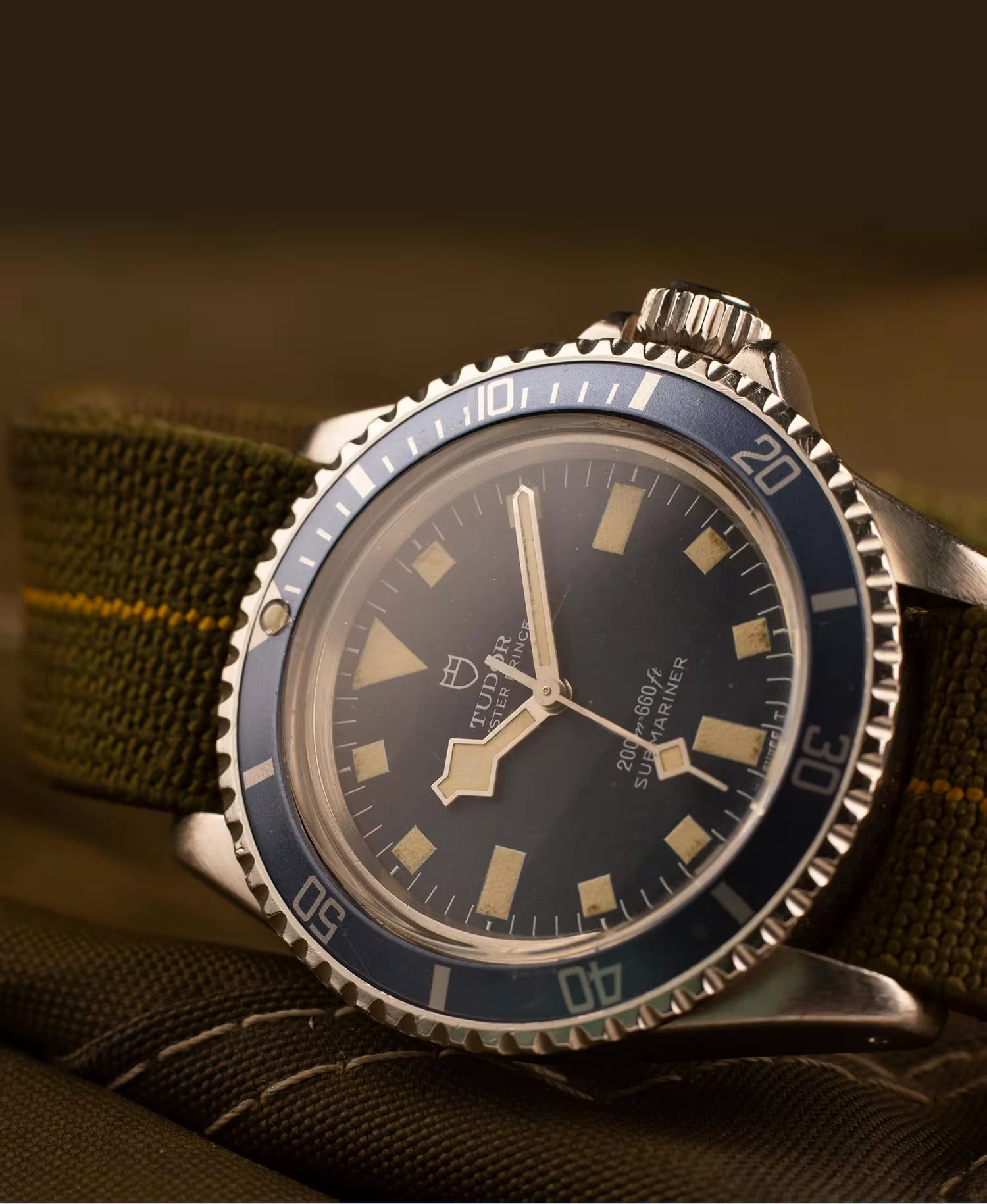
The French Navy was not alone. TUDOR Submariners were also adopted by the US Navy, with examples of the reference 7928 bearing US Navy markings and supply information. The brand’s relationship with American military diving extended into programmes including SEALAB, the US Navy’s experimental underwater habitat project. TUDOR watches were also associated indirectly with the space programme through US Navy frogmen and Air Force Pararescue personnel involved in spacecraft recovery operations. It is an extraordinary chapter in the brand’s history because it shows just how far the humble wristwatch could travel. One minute it is underwater with a military diver; the next it is connected to operations surrounding one of humanity’s most ambitious attempts to leave the planet.
The Legacy Is Still Doing A Job
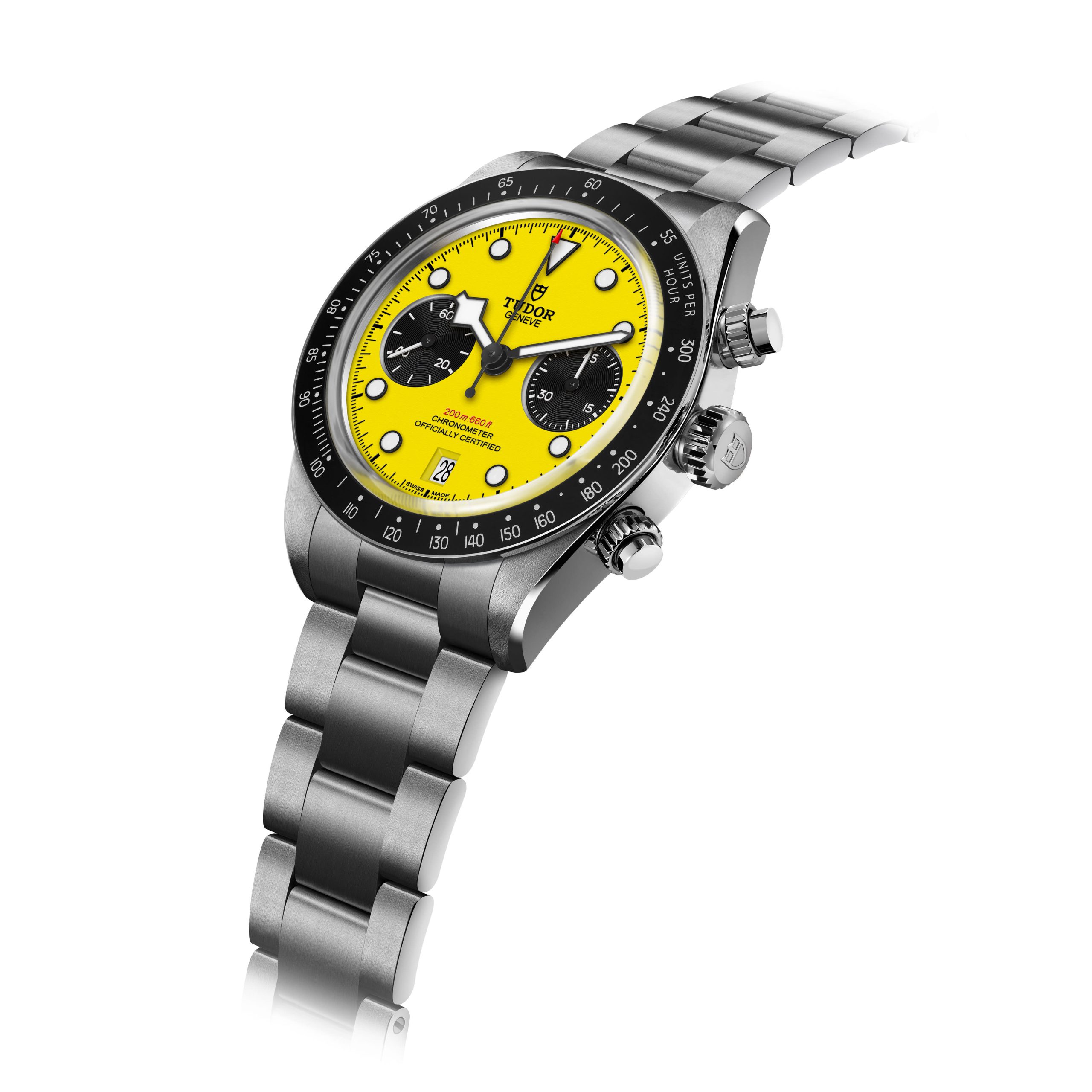
What makes TUDOR’s military history compelling is that it was never really about looking military. It was about being useful. The brand’s watches were selected by organisations that had little interest in whether a watch was fashionable and every interest in whether it would continue working when exposed to pressure, salt water, darkness and physical abuse. That history gives modern TUDOR watches something that cannot simply be manufactured through advertising: credibility. The Pelagos FXD may now sit comfortably in a luxury watch boutique, but its design philosophy still traces a line back to divers operating beneath the surface of the sea. And the Black Bay may look rather handsome over a jacket cuff, but its visual language was born from instruments that had a considerably harder working life.