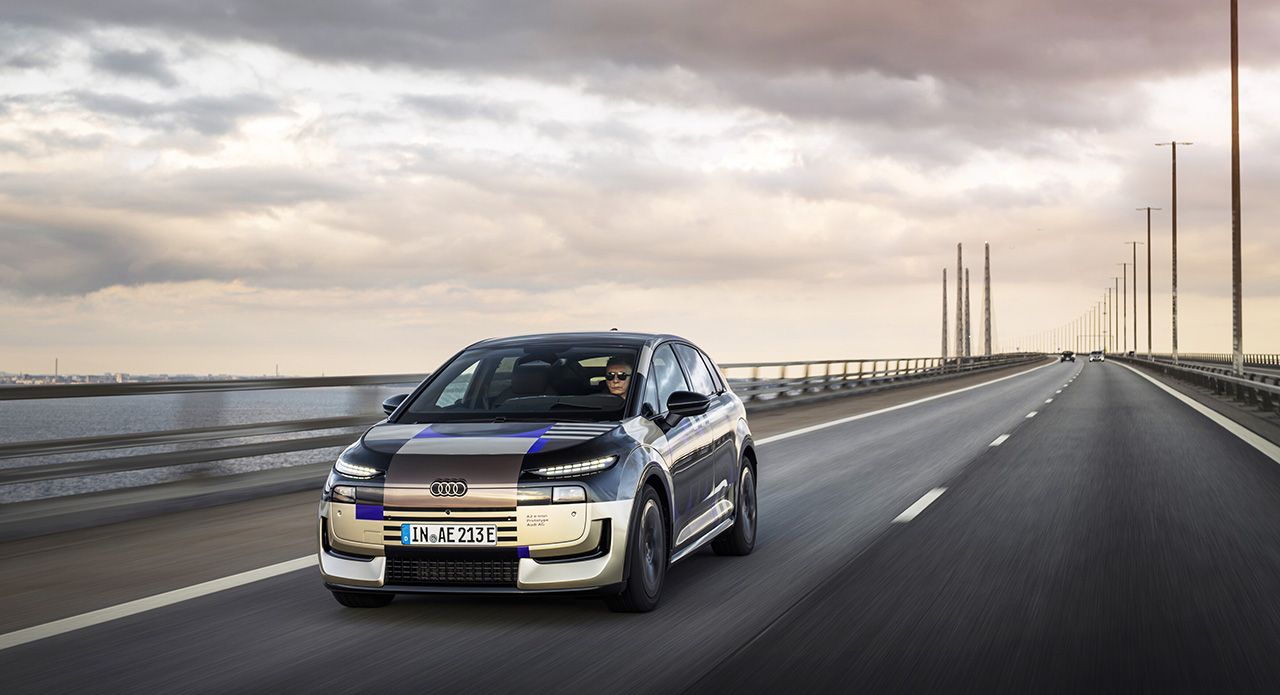


There is something deeply satisfying about a car that understands the assignment. For years, the electric car industry has behaved as though the solution to range anxiety is wonderfully simple: put an enormous battery underneath the floor and hope nobody notices that the resulting vehicle weighs about the same as a small moon. Audi has taken a rather different approach with the A2 e-tron. Instead of simply throwing more battery at the problem, it has gone after the things that make an electric car inefficient in the first place. Air, electricity, heat, friction and even the way the software manages the battery have all been put under the microscope. The result is an electric hatchback with a preliminary WLTP energy consumption figure of just 12.8 kWh/100 km in its 140 kW configuration with the efficiency package. And suddenly the humble art of not wasting energy looks rather more interesting than simply carrying a gigantic battery everywhere you go.
The Air Is The Enemy
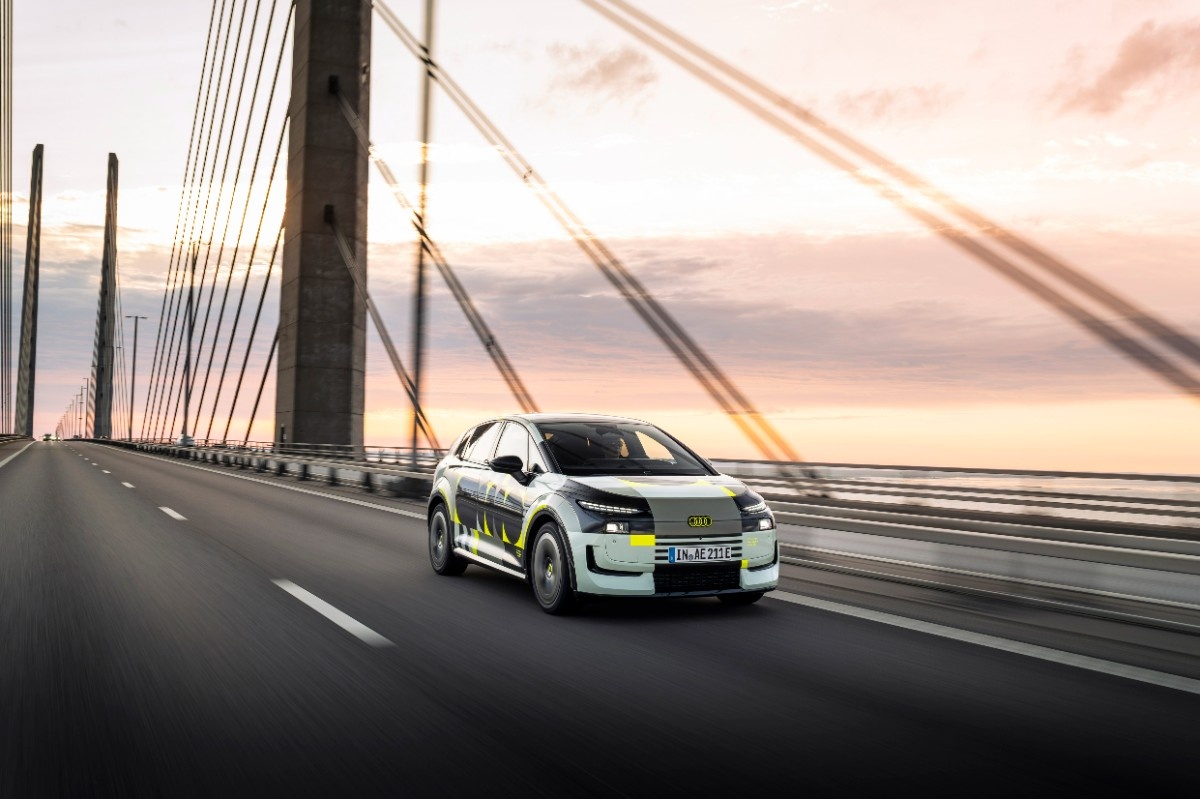
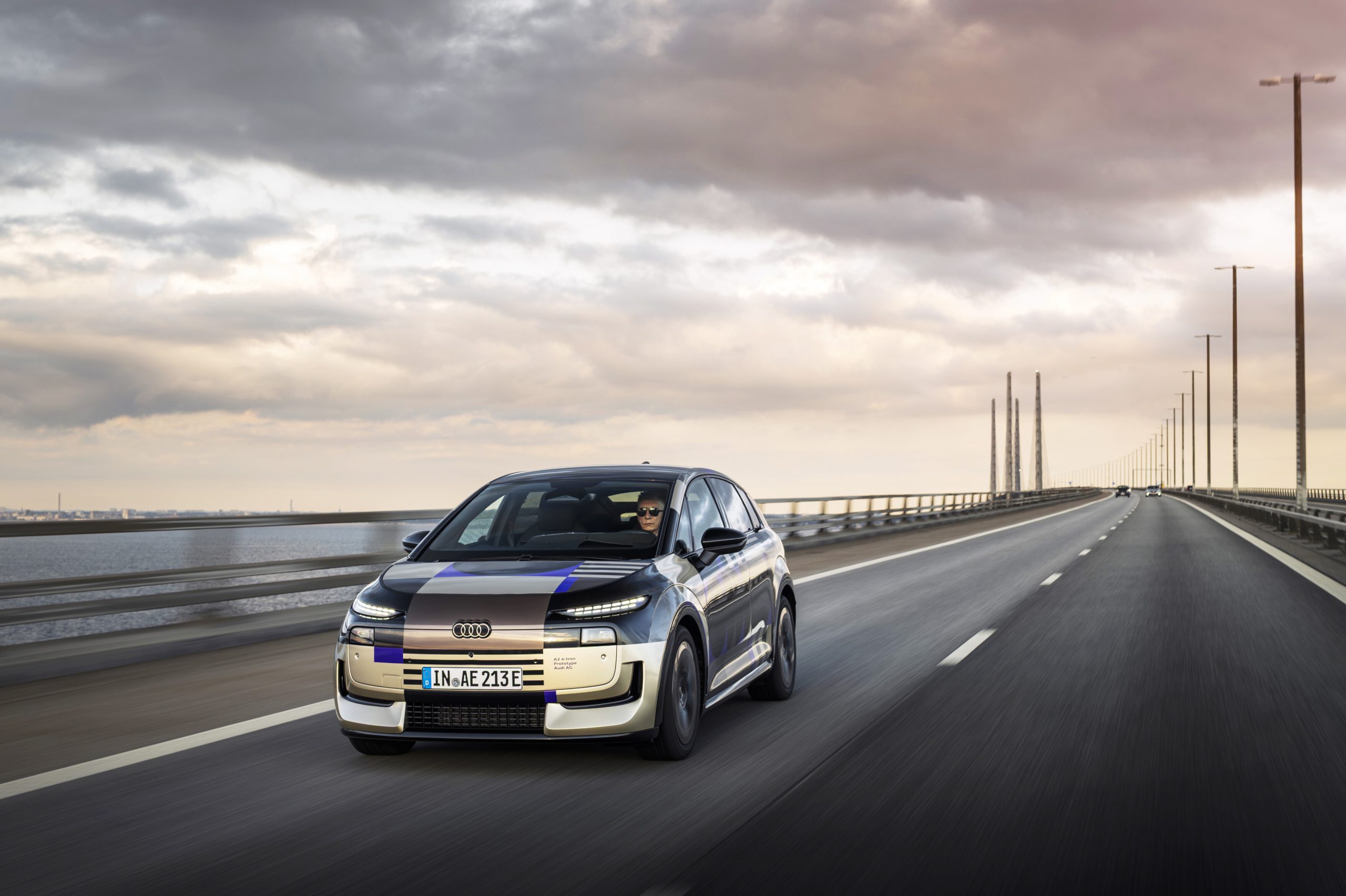
At around 100 km/h and above, aerodynamic drag accounts for more than half of a vehicle’s total energy demand, which means the air is essentially charging you rent every time you drive quickly. Audi has therefore attacked it with considerable enthusiasm. The A2 e-tron’s drag coefficient stands at 0.24, making it the most aerodynamic model in Audi’s compact range. Its body follows the principles of streamlined design, with a rounded front, flowing roofline and sharply defined rear that allows air to move around the car with fewer tantrums. At the front, air curtains redirect airflow around the body to reduce turbulence, while gap reducers and gap breathers calm the air around the wheel arches. The active cool-air intake remains closed during normal driving and at higher speeds to reduce drag, opening only when the battery and electronics need additional cooling during charging, hard acceleration or hot weather. Together, these aerodynamic measures can reduce energy consumption by up to 0.9 kWh/100 km compared with an otherwise identical car without them. It may not sound dramatic, but when you are chasing every last kilometre of range, apparently even the air needs to be managed.
Also Read: Behind the Brands: The Parent Company Powering Automobile Giants
The Motor Gets A Bit Cleverer
Audi has also redesigned the electric drive system, with the upgraded setup delivering efficiency improvements of up to 10 percent. The A2 e-tron uses a permanently excited synchronous motor engineered not only for efficiency but also for the smooth, quiet behaviour expected from an everyday EV. The power electronics now use silicon carbide semiconductors instead of conventional silicon technology, reducing switching losses, particularly under partial load. Variable switching frequency can cut losses by up to 20 watts, while alternative modulation techniques reduce switching losses by up to 33 percent compared with conventional approaches. Inside the motor, thinner laminations of 0.2mm rather than 0.3mm reduce iron losses, while changing the stator winding from a star to a delta configuration allows the motor to operate more efficiently across different speed ranges. Even the transmission has been given attention, with low-friction oil reducing mechanical losses and a tall 10.2:1 gear ratio lowering motor speed at higher road speeds. In other words, Audi has gone through the powertrain looking for energy that was quietly disappearing and told it to stop.
The Battery Is Not Trying To Be A Monster
The A2 e-tron uses a 61 kWh lithium iron phosphate, or LFP, battery built around a cell-to-pack architecture. Rather than placing individual cells inside additional modules, the cells are integrated directly into the battery housing, increasing packing density while reducing the amount of space required. LFP chemistry also avoids rare earth elements, offers strong resistance to ageing and is regarded as particularly stable, while its durability allows routine charging to 100 percent for everyday use. That is important because battery efficiency is not simply about how much energy you can store on day one. It is about how well the battery continues to perform after years of being charged, discharged, heated and cooled. LFP cells also have a relatively flat voltage curve, meaning the battery can maintain a high voltage even as its state of charge falls, helping provide more consistent power delivery as the battery empties.
Also Read: Roman Abramovich’s Car Collection: From Luxury Cars To Rare Rides
Cooling Is The New Performance Upgrade
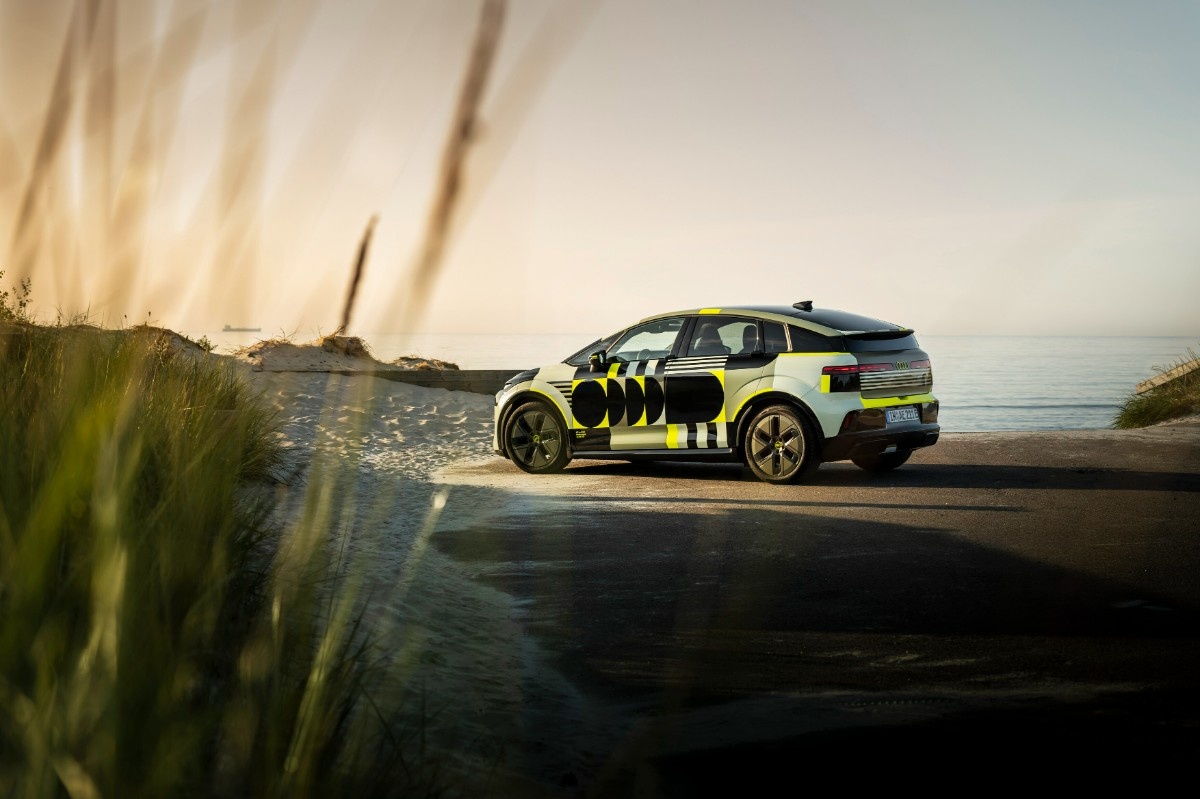
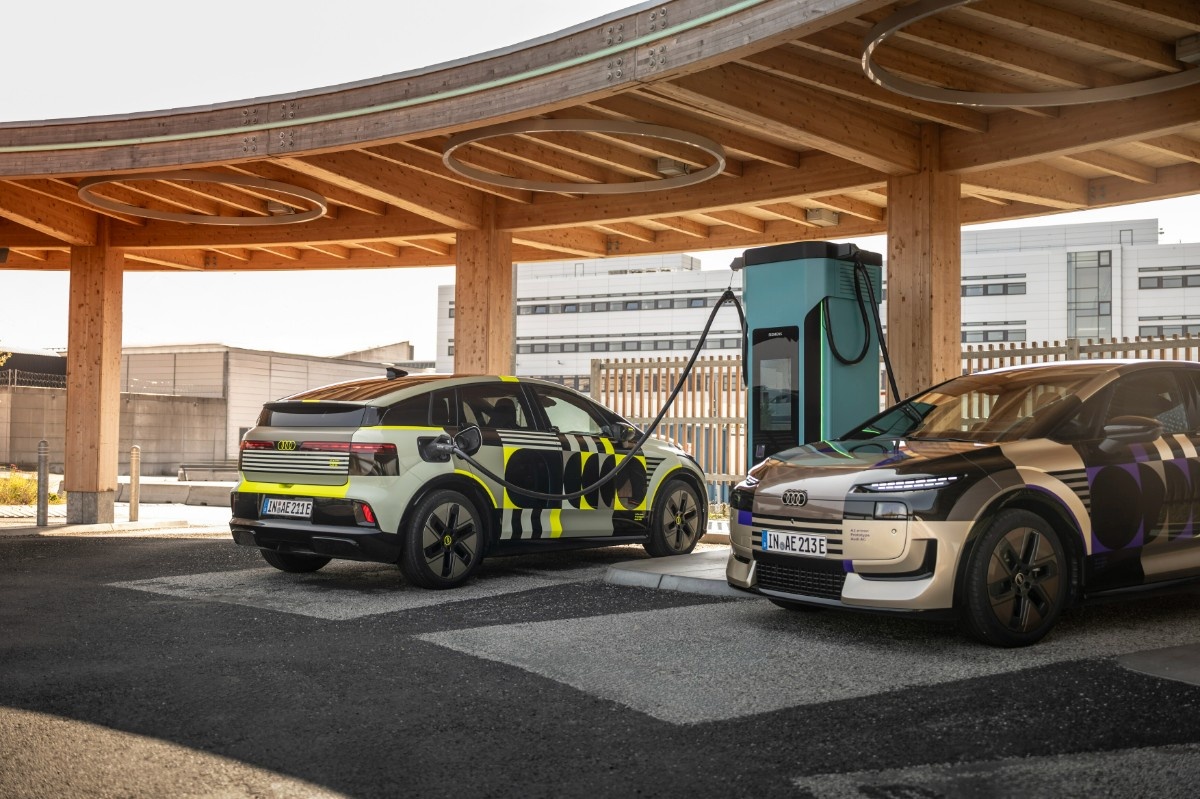
The really clever bit, however, is how all these systems work together. Audi has adapted the battery’s cooling strategy to improve charging efficiency, with the A2 e-tron’s wallbox charging efficiency reaching 89.6 percent. That means less energy is lost during the charging process and more of the electricity entering the system actually ends up where you want it. This is an important distinction because EV efficiency is often discussed as though it is simply a matter of battery size or motor output. In reality, thermal management, charging electronics, software and battery chemistry are constantly interacting. Audi’s control strategy is specifically calibrated for the LFP battery, allowing the system to assess its state of charge and state of health accurately. It is less glamorous than horsepower figures, certainly, but considerably more useful if the objective is to make an electric car genuinely efficient.
Your Car Can Now Give Electricity Back

The A2 e-tron also embraces bidirectional charging, meaning the car does not necessarily have to be a one-way street for electricity. With Vehicle-to-Load, the battery can supply power directly to external devices, allowing the car to act as a portable energy source. Vehicle-to-Home takes the idea further by allowing the vehicle to function as an energy storage system for a home, provided an Audi-recommended charging box is used. Suddenly the car sitting in your driveway is not merely waiting to take you to work. It can potentially become part of the household energy system. It is a rather clever reversal of the traditional relationship between car and electricity: instead of always asking the grid for energy, the car can eventually give some of it back.
The Audi A2 e-tron therefore represents a rather different definition of performance. There is no need for a ridiculous acceleration figure or a top speed that will get you arrested in approximately four seconds. Its achievement is much quieter. A 0.24 drag coefficient, a more efficient motor, silicon carbide electronics, reduced transmission friction, a 61 kWh LFP battery and software that knows exactly how to manage the whole lot are all working towards the same objective. The preliminary WLTP figure of 12.8 kWh/100 km is the result. And that is perhaps the most interesting thing about the A2 e-tron. Audi has not simply tried to make an electric car with more energy. It has tried to make one that needs less of it. Which, when you think about it, is a rather sensible idea. After all, the most efficient kilowatt-hour is the one you never had to use in the first place.