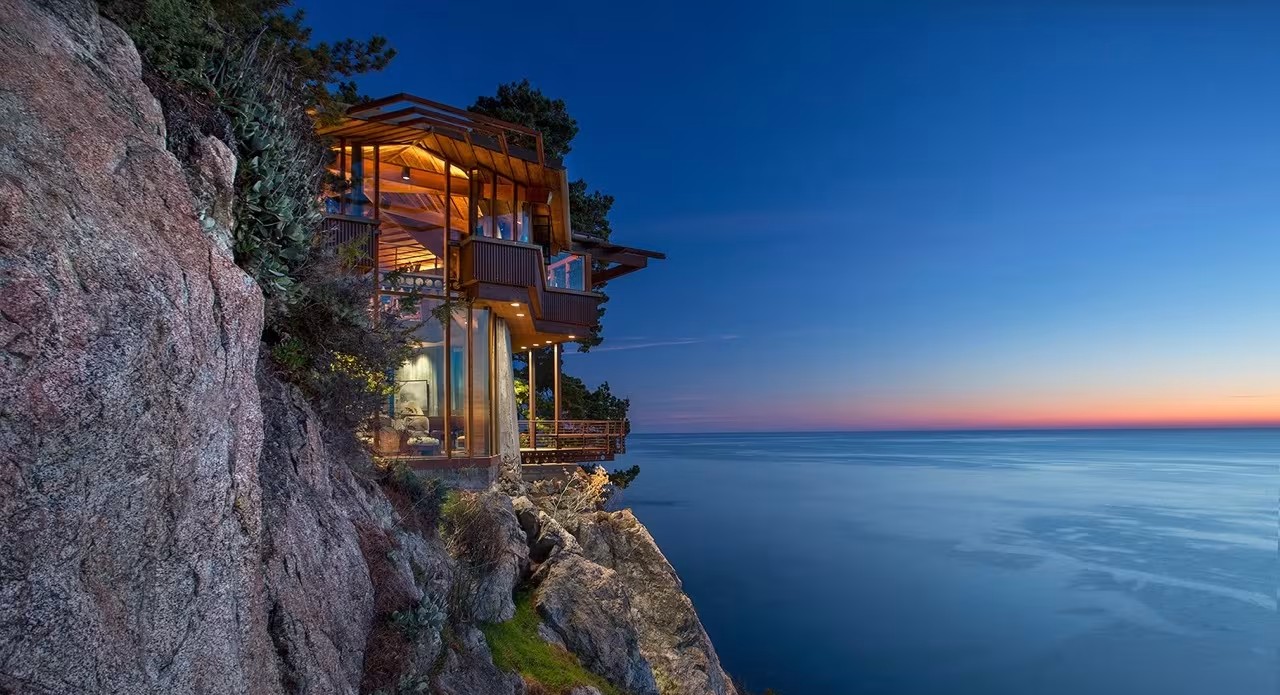


There are houses with nice views, and then there are houses where the view is so spectacular that you begin to wonder why anyone bothered putting walls around it. Cliffside estates belong firmly in the second category. They perch above oceans, lakes and dramatic coastlines with the sort of confidence normally associated with people who own helicopters. The basic idea is wonderfully simple: find a piece of land that looks terrifyingly difficult to build on, throw an obscene amount of engineering at it, add a swimming pool that appears to spill into the horizon, and then charge a fortune. But beneath the glamour is some seriously clever architecture. These homes have to contend with wind, salt, rain, unstable terrain and gravity, while simultaneously ensuring that the owner can drink coffee in the morning without feeling as though the entire kitchen is about to slide into the sea. From the Mediterranean to California, these are the extraordinary cliffside estates where architecture and landscape become one spectacular piece of luxury real estate.
Amalfi Coast, Italy
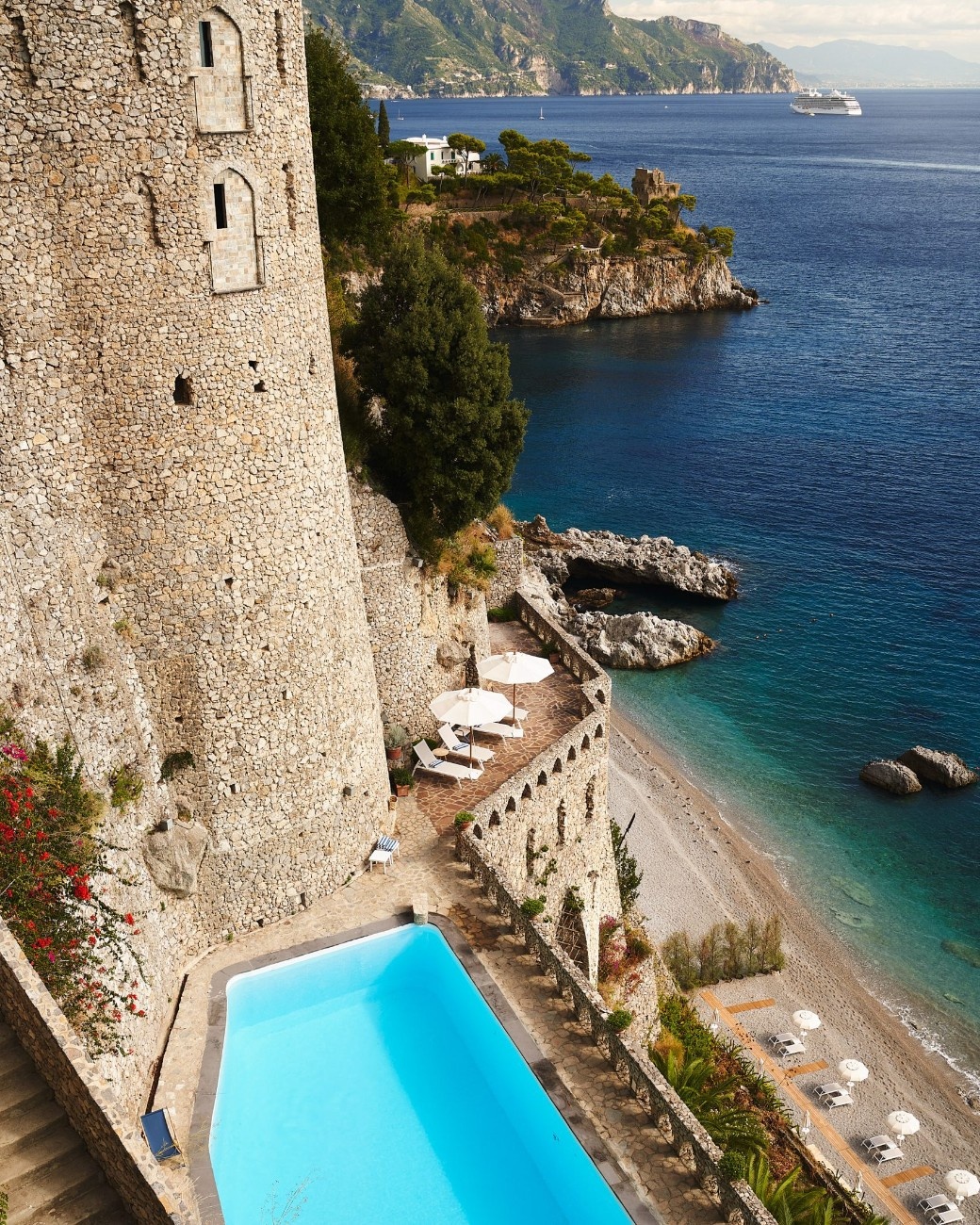
The Amalfi Coast has never really believed in flat land. Houses cling to cliffs, roads snake around mountains and gardens appear in places where a sensible person would expect to find only rock. Luxury estates here take advantage of that natural drama, using tiered terraces, stone walls and expansive glass openings to turn the Tyrrhenian Sea into a permanent piece of interior decoration. The best villas are not simply perched above the water; they descend towards it, creating a sequence of outdoor spaces where dining rooms, pools and gardens seem to float above the coastline. It is difficult to imagine a better place for long lunches, although the drive home does involve a road that appears to have been designed by someone with a personal grudge against straight lines.
Also Read: Why Luxury Garages Have Become The New Status Symbol
Monaco
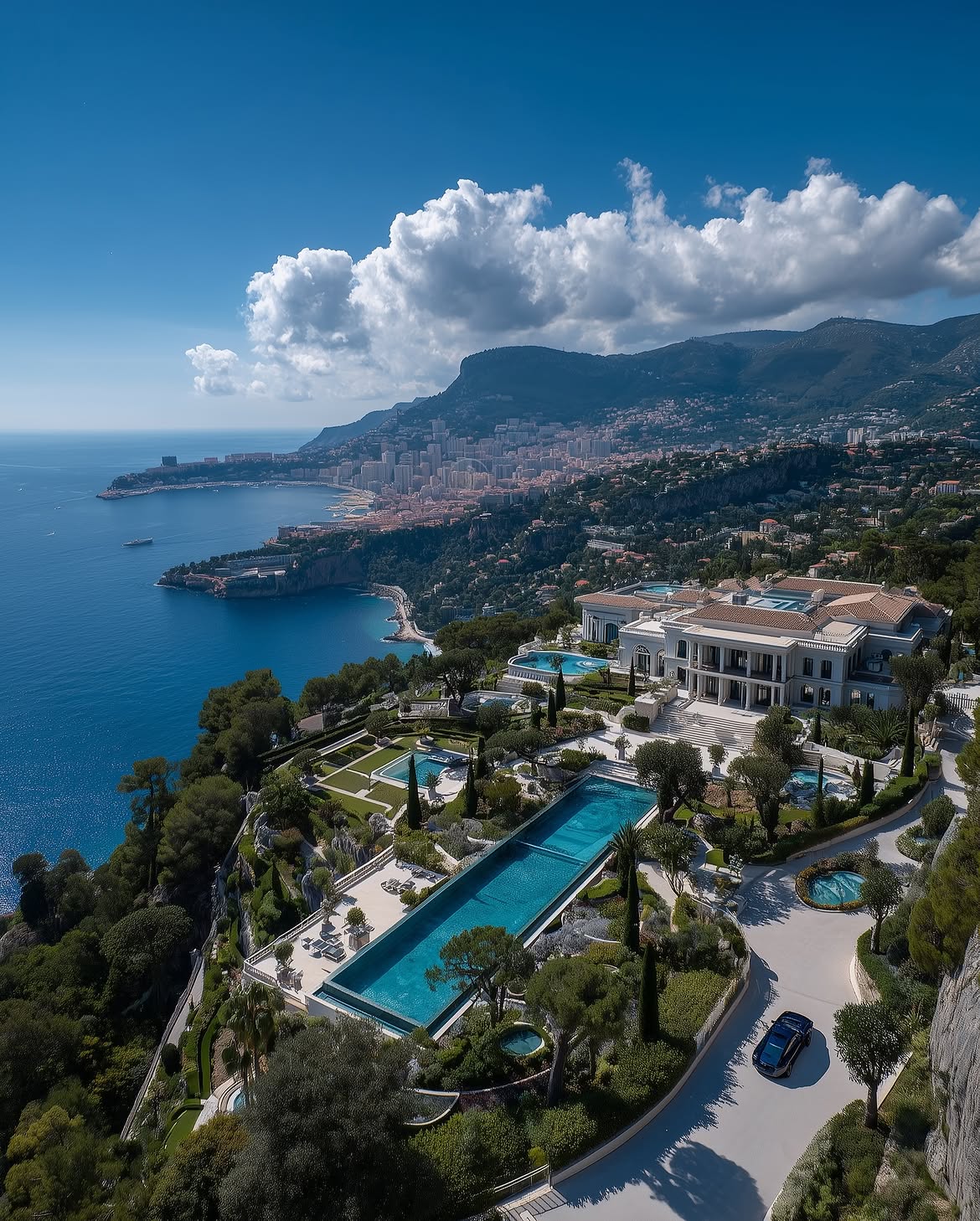
Monaco has almost no land, which is rather inconvenient when everyone wants a mansion. The solution, naturally, has been to build upwards. Its most exclusive residences use elevation as their greatest luxury, with enormous terraces and glazed living spaces overlooking the Mediterranean. Here, the cliffside home becomes less about escaping civilisation and more about observing it from a very expensive distance. Yachts move below, supercars gather along the roads and the principality glitters after dark. The architecture is typically sleek and contemporary, because if you are going to have Monaco as your backdrop, there is little point pretending you live in a farmhouse.
Malibu, California
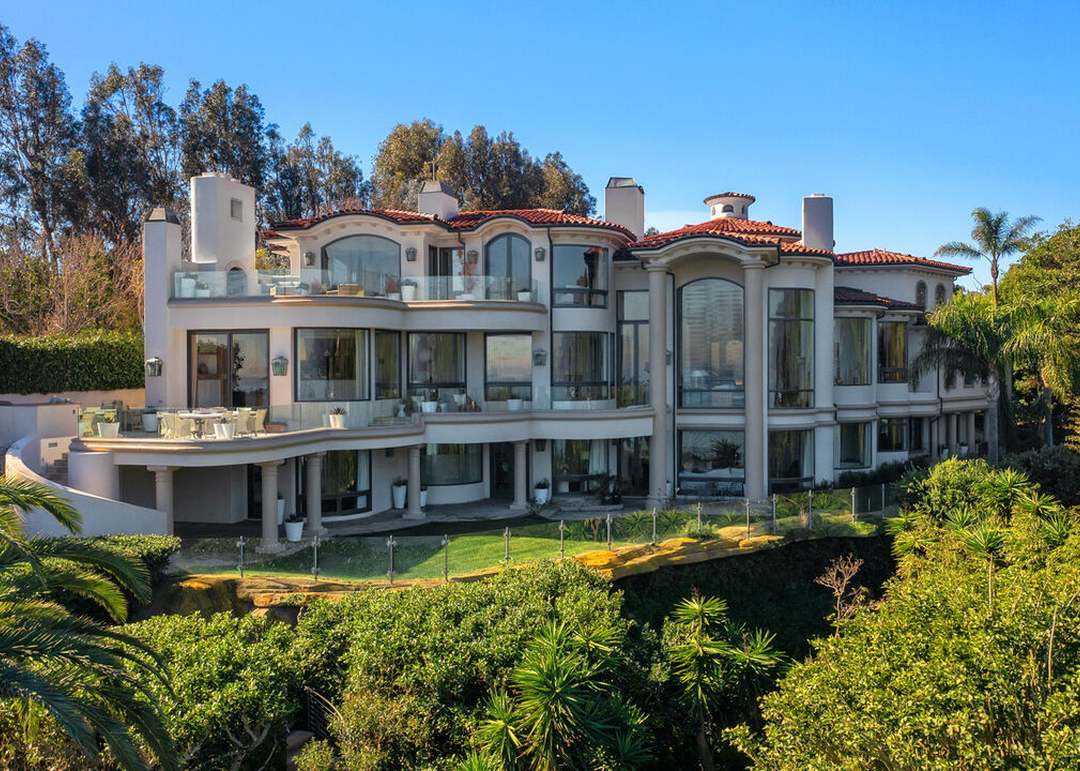
Malibu has perfected the art of selling scenery. Its most desirable estates sit dramatically above the Pacific, with floor to ceiling glass designed to erase the distinction between inside and outside. The architecture tends towards long horizontal forms, generous terraces and infinity pools that appear to merge with the ocean. It is the sort of house where the living room can make a Hollywood film set look slightly underfunded. Yet the real luxury is the changing view: blue water in the morning, golden sunsets in the evening and, if you are particularly lucky, a pod of dolphins providing complimentary entertainment.
Also Read: Climate-Proof Luxury Homes: The Future Of High-End Living
Capri, Italy
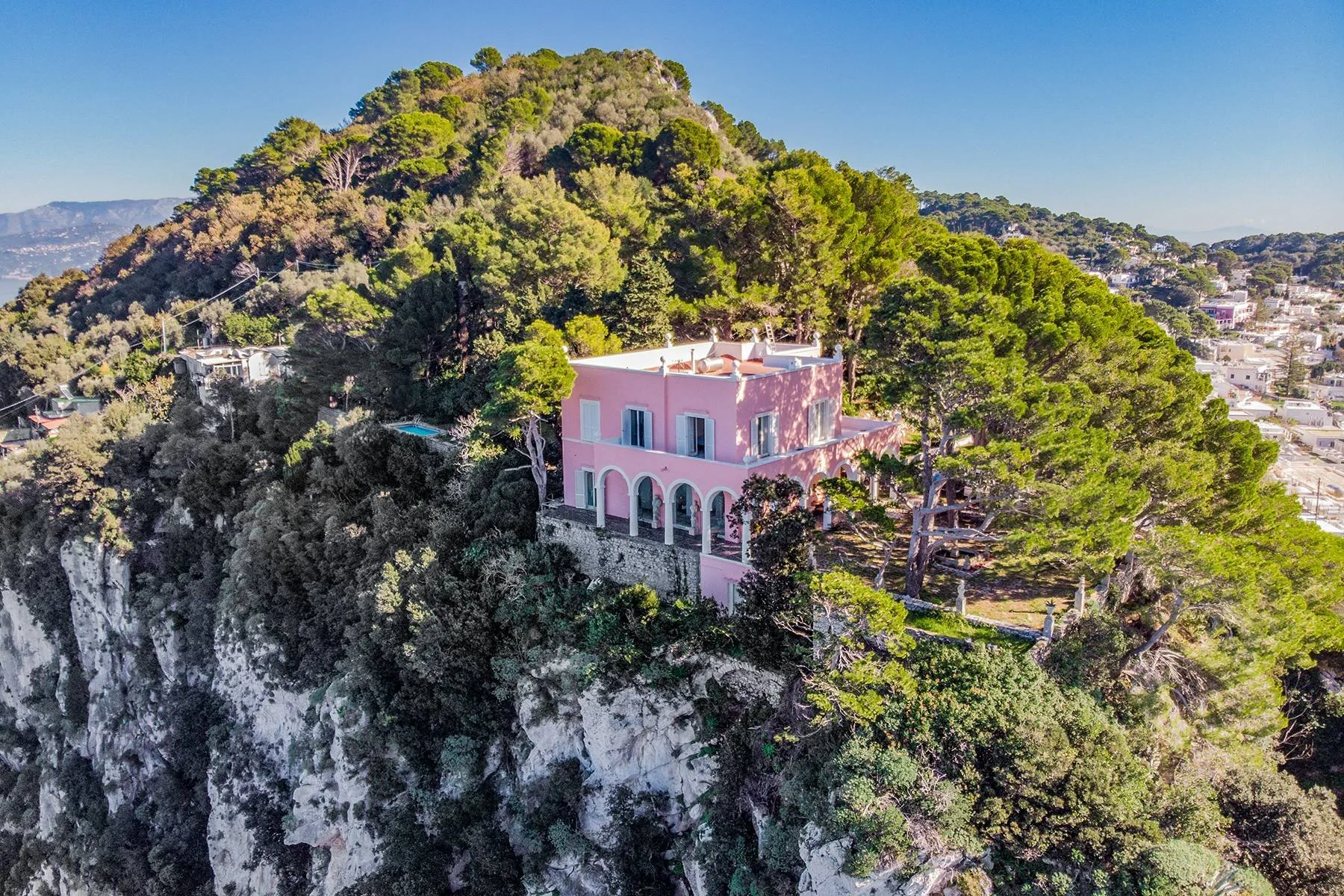
Capri has attracted emperors, artists, actors and people who simply have very good taste. Its cliffside residences combine whitewashed architecture, local stone, arched openings and terraces planted with Mediterranean greenery. Rather than competing with the landscape, the finest homes borrow from it. The result is architecture that feels almost grown from the rock. A terrace overlooking the Faraglioni is the kind of amenity that makes a conventional garden seem rather pointless. Why stare at a hedge when you can stare at the Tyrrhenian Sea?
Santorini, Greece
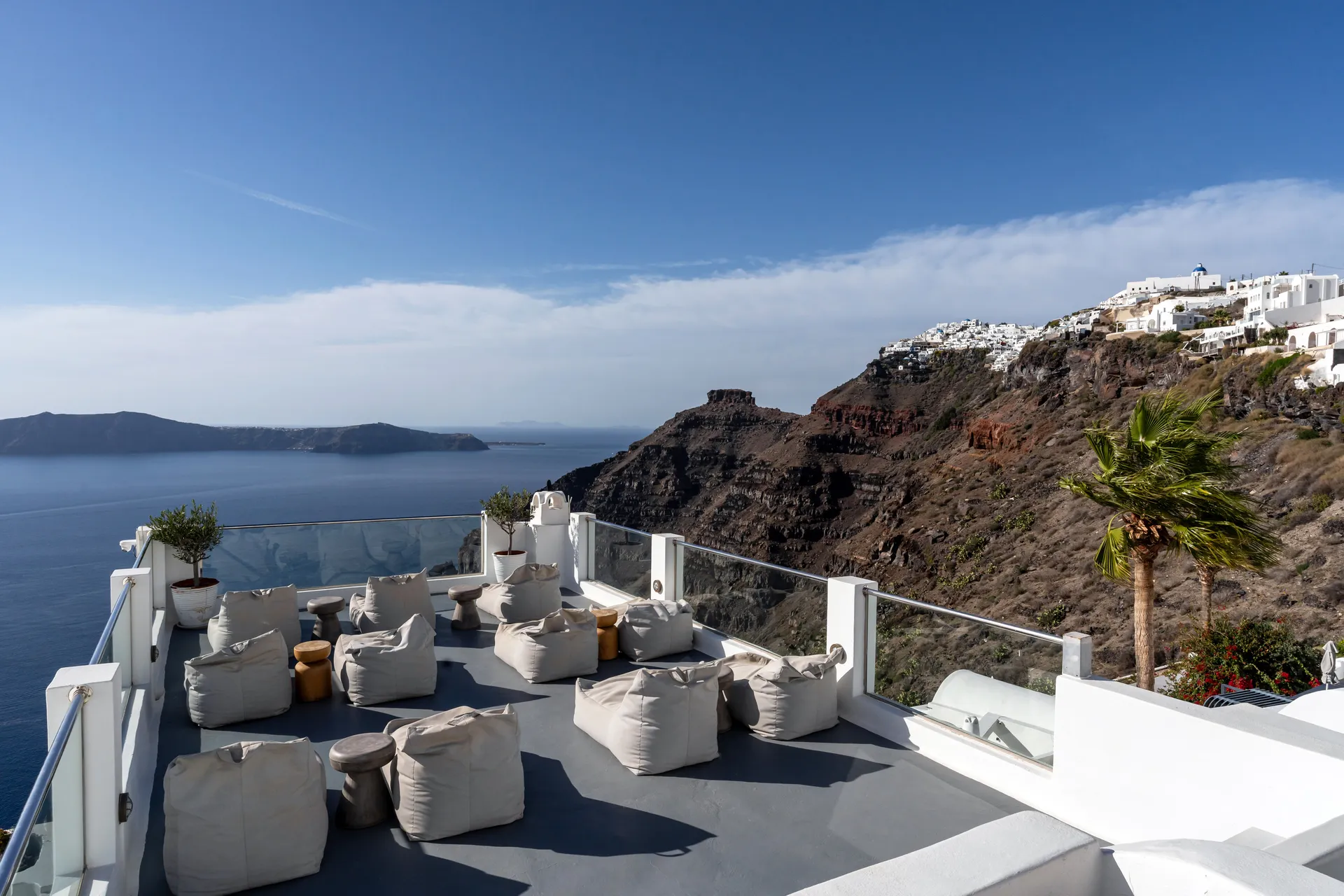
Santorini’s volcanic cliffs provide one of the world’s most recognisable residential landscapes. Traditional cave houses, carved into the volcanic rock, have inspired contemporary luxury properties that combine curved interiors, whitewashed surfaces and uninterrupted Aegean views. The architecture works because it understands something fundamental: you do not need to shout when the scenery is doing all the talking. Pools sit along the cliff edge, terraces step down towards the caldera and interiors remain deliberately restrained. It is minimalist luxury with one enormous piece of artwork outside every window.
Big Sur, California
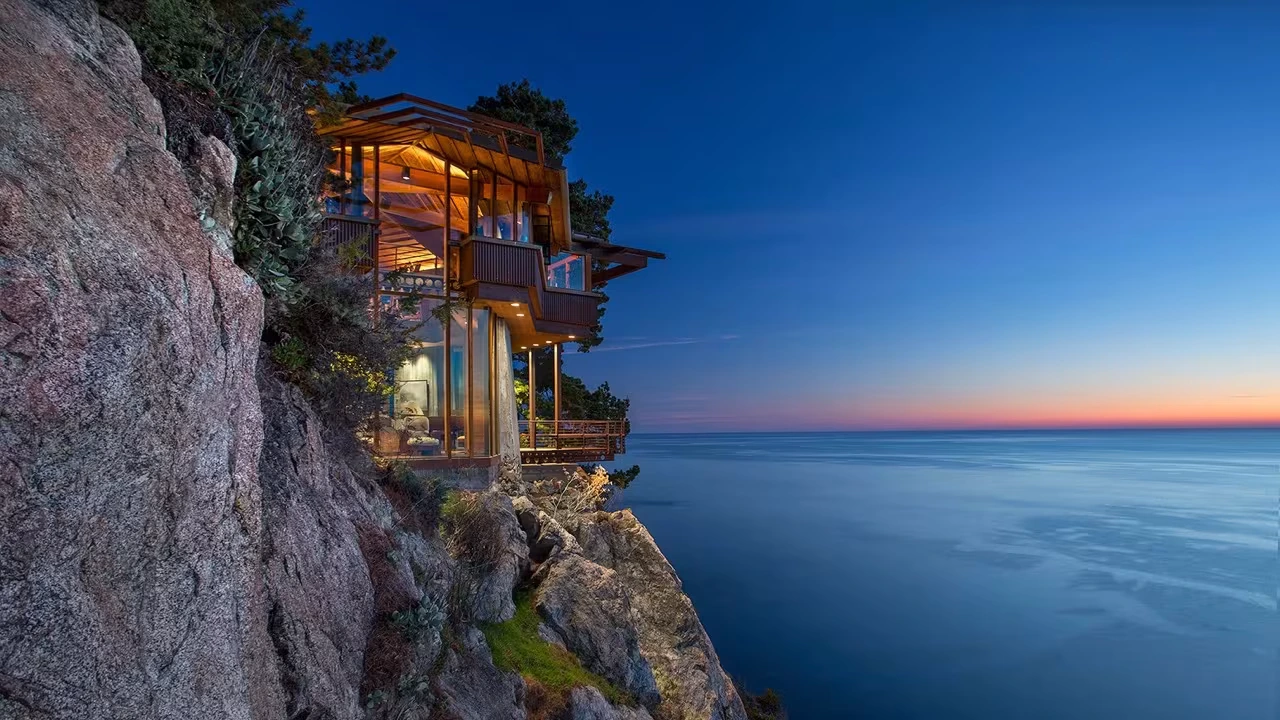
Big Sur takes the cliffside concept and removes the unnecessary bit about neighbours. Its rugged Pacific coastline is home to some extraordinary architectural experiments, where houses are carefully inserted into steep terrain rather than simply sitting on top of it. Timber, glass and concrete are commonly used to create dramatic structures that frame the ocean while remaining connected to the surrounding landscape. Here the appeal is not glittering nightlife or a nearby marina. It is solitude. You get the Pacific, enormous skies and the reassuring knowledge that civilisation is several winding kilometres away.
The French Riviera
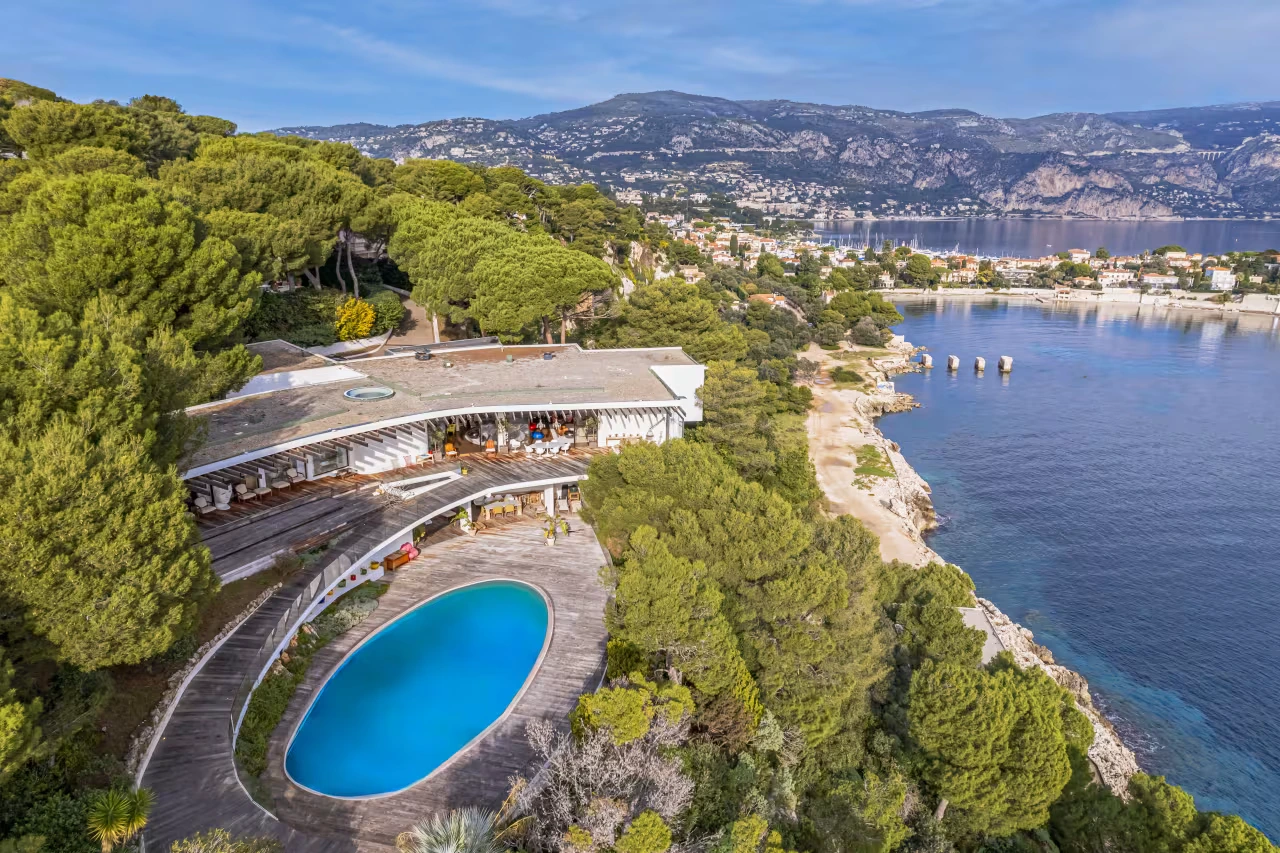
Along the French Riviera, cliffside estates turn elevation into a lifestyle. From Saint Jean Cap Ferrat to Èze and beyond, villas occupy dramatic slopes overlooking intensely blue Mediterranean waters. Historic estates combine gardens, stone terraces and classical architecture, while newer homes favour glass walls, infinity pools and clean contemporary geometry. The result is perhaps the ultimate European expression of cliffside luxury: elegant enough for a grand dinner, but close enough to the sea for a morning swim. Naturally, the important question is whether you can arrive by car without having to fold the mirrors in.
The New Rules Of Cliffside Luxury
The great cliffside estate is ultimately a battle between architecture and gravity. Engineers must anchor buildings into challenging terrain, architects must maximise views without exposing interiors to excessive heat or wind, and designers must somehow make all this technical wizardry look effortless. The best examples achieve precisely that. You do not see the retaining systems, structural reinforcement or drainage infrastructure. You simply see a magnificent house apparently hanging above the sea. And that is the real appeal. A cliffside estate does not merely offer a view; it makes the view the entire point of the architecture. The building becomes a frame, the landscape becomes the artwork and gravity becomes the only neighbour nobody can negotiate with.