

There was a time when watch testing was wonderfully simple. A manufacturer would build a watch, wind it up, splash a bit of water on it and hope for the best. Which, unsurprisingly, sometimes ended with fogged crystals, drowned movements and unhappy owners. Today, however, modern watch testing resembles something closer to a NASA mission than traditional craftsmanship. Watches are frozen, heated, pressurised, submerged and monitored with scientific precision. And rightly so. Because when a luxury brand promises a 70-hour power reserve or 500 metres of water resistance, it cannot rely on optimism, but, here has to be substantial evidence to claim the desired numbers. Hard, measurable, laboratory-grade proof.
Water Resistance Testing Has Become A Science
One of the most misunderstood specifications in watchmaking is water resistance. Many people assume a watch rated to 200 metres can simply survive being dropped into water 200 metres deep. In reality, the testing process is far more complex. Modern manufacturers begin by placing the completed watch inside a sealed pressure chamber. Rather than diving hundreds of metres underwater, engineers simulate those depths by increasing air pressure inside the chamber.
For a 200-metre-rated watch, the case is subjected to pressure equivalent to approximately 20 atmospheres. Sophisticated sensors monitor microscopic changes in case dimensions and detect any potential leakage. After pressure exposure, the watch often undergoes condensation testing. The watch is heated, a drop of cold water is placed on the crystal and technicians inspect for internal moisture. Even the slightest condensation indicates a failed seal. For professional dive watches, testing becomes significantly more demanding.
What Happens During 300m And 500m Water Resistance Testing?
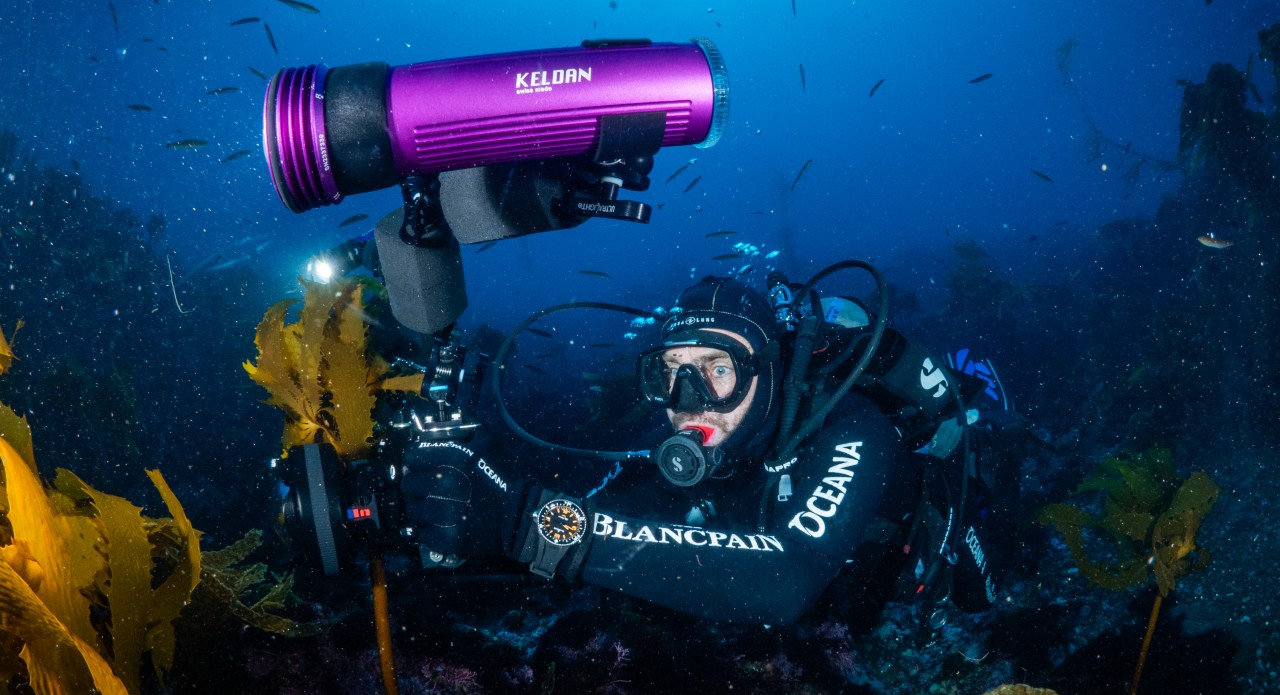
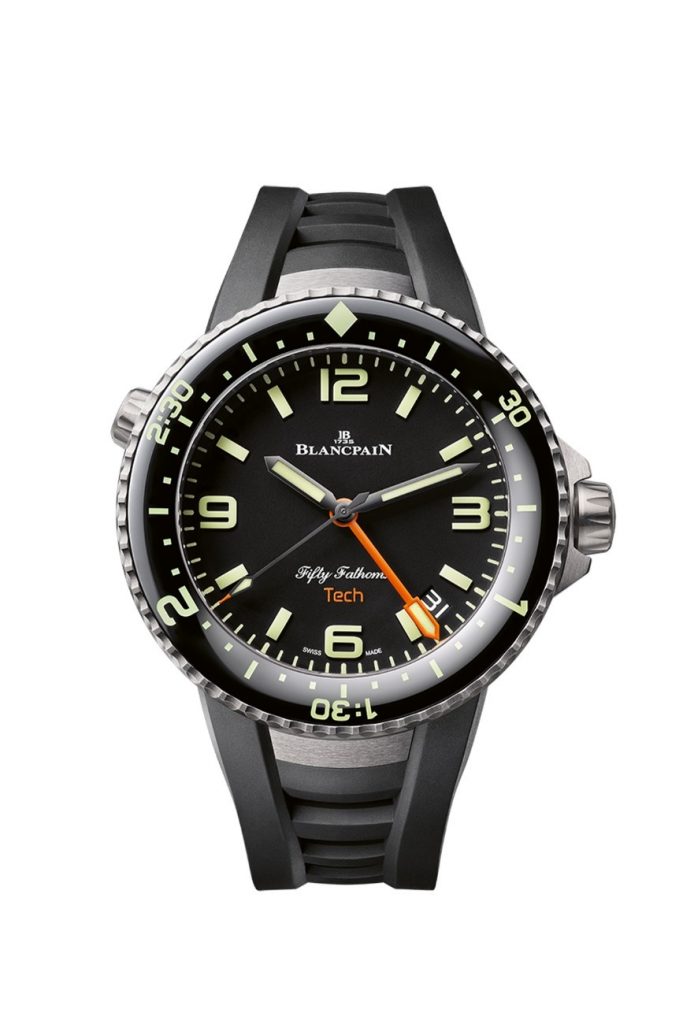
A serious dive watch rated to 300 metres or 500 metres faces much harsher conditions. Many manufacturers deliberately exceed the stated rating during testing. A 300-metre watch may be tested at 375 metres or more. Similarly, a 500-metre-rated watch may undergo pressure equivalent to 625 metres or beyond depending on internal standards and certification requirements.
How Power Reserve Testing Really Works
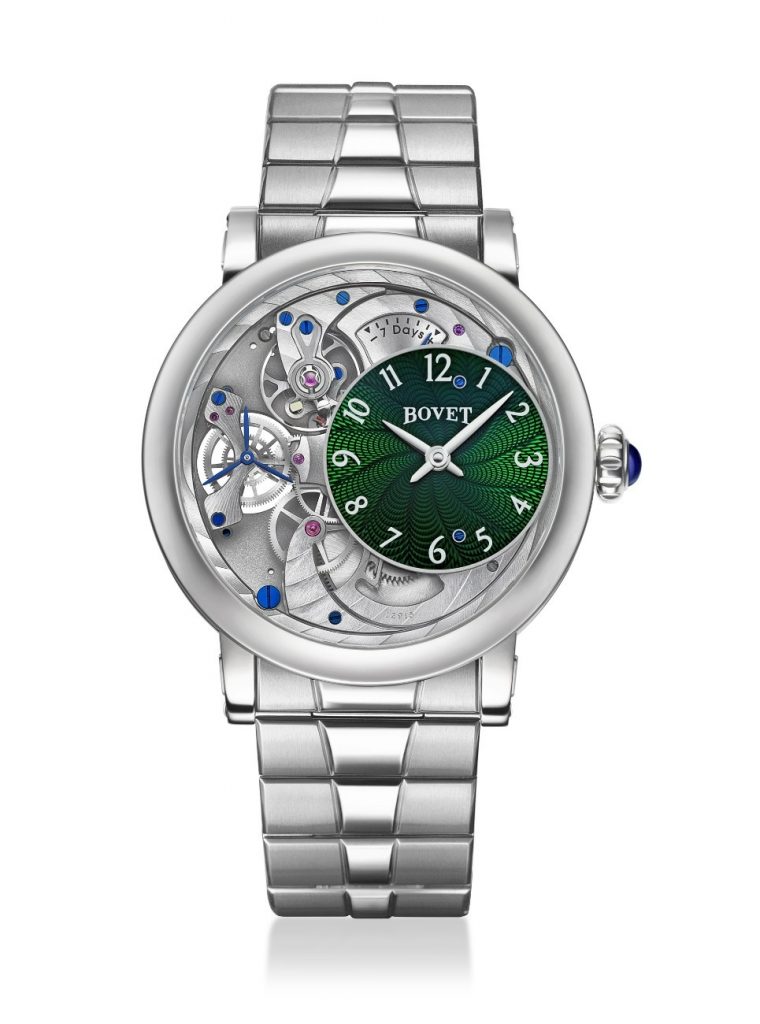
Power reserve testing may sound less dramatic than pressure chambers and deep-sea simulations, but it is equally important. The process begins with a fully wound movement. Whether manual or automatic, the mainspring is wound to maximum capacity under controlled conditions. The watch is then placed on specialised monitoring equipment that continuously tracks accuracy, amplitude and beat rate. From that moment, technicians simply wait. If a movement claims a 72-hour power reserve, the watch must continue running within acceptable performance parameters for at least that duration. Many brands require the movement to exceed its official specification before certification. Throughout the test, engineers record how the movement behaves as stored energy gradually decreases. A well-designed calibre should maintain stable performance even as the mainspring approaches depletion.
Modern Movements Face Tougher Standards
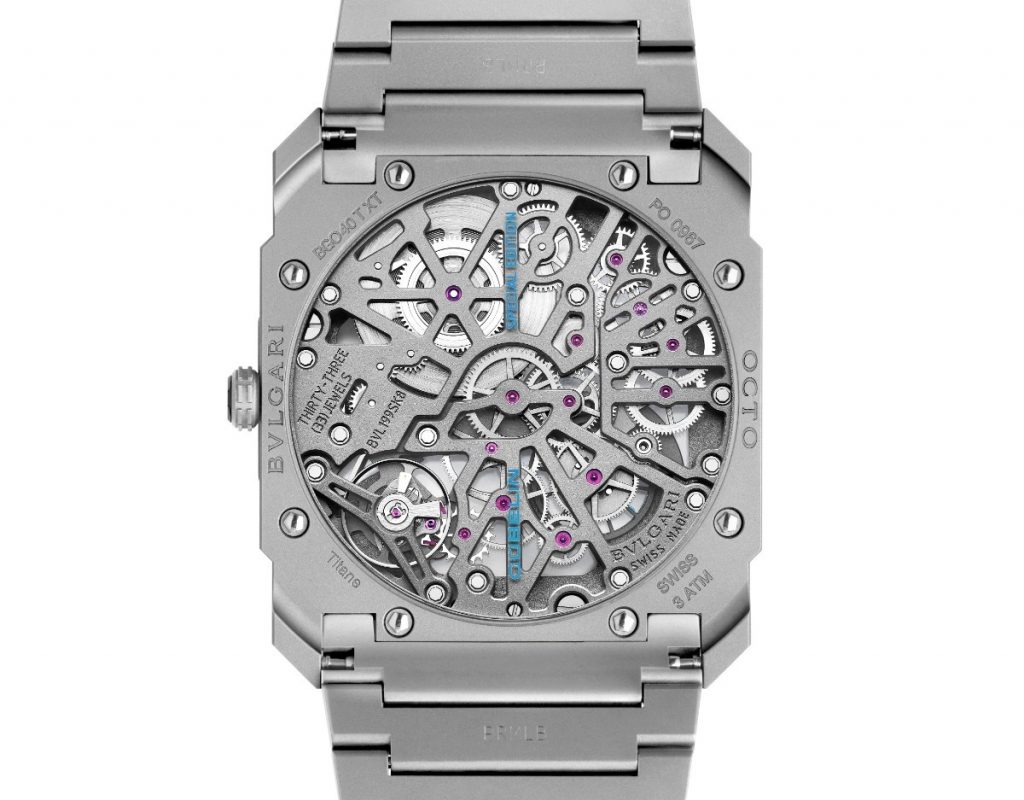
Today’s luxury watch movements are expected to deliver more than simply extended running times. Many modern calibres now offer power reserves exceeding five days, seven days or even ten days. Achieving this requires careful testing of energy delivery, gear train efficiency and escapement performance. Some manufacturers test watches in multiple positions throughout the power reserve cycle to ensure accuracy remains consistent whether the watch is fully wound or nearing the end of its reserve. Others combine power reserve verification with chronometric testing, ensuring precision remains within strict tolerances for the entire duration.
Reliability Is The New Luxury
The fascinating thing about modern watch testing is that most owners will never see it. They will never witness the pressure chambers, climate-controlled laboratories or monitoring systems quietly validating every claim printed on a specification sheet. Yet these procedures have transformed watchmaking. A modern luxury watch is no longer judged solely by its finishing, craftsmanship or complications. It is judged by its ability to perform reliably day after day, year after year. Whether it is a dive watch capable of surviving pressures equivalent to 500 metres beneath the ocean or a movement that continues running accurately for an entire week off the wrist, modern testing ensures those promises are more than marketing. They are measurable facts. And in an industry built on precision, that may be the most important complication of all.