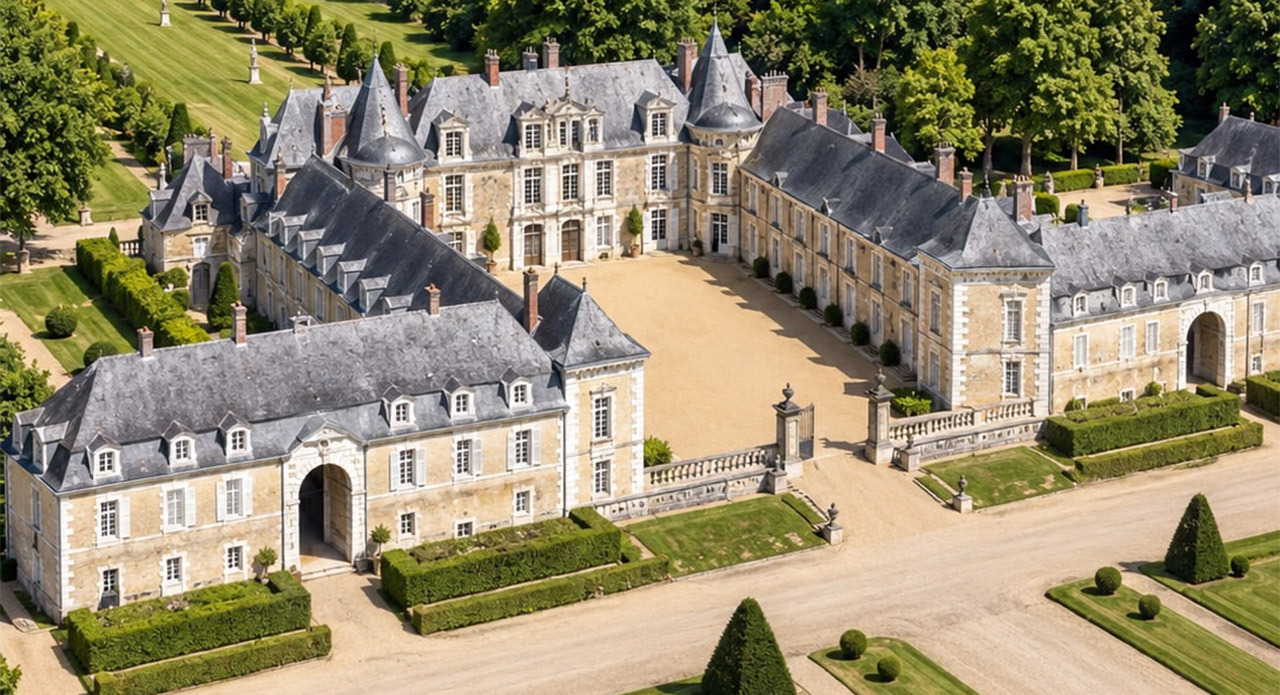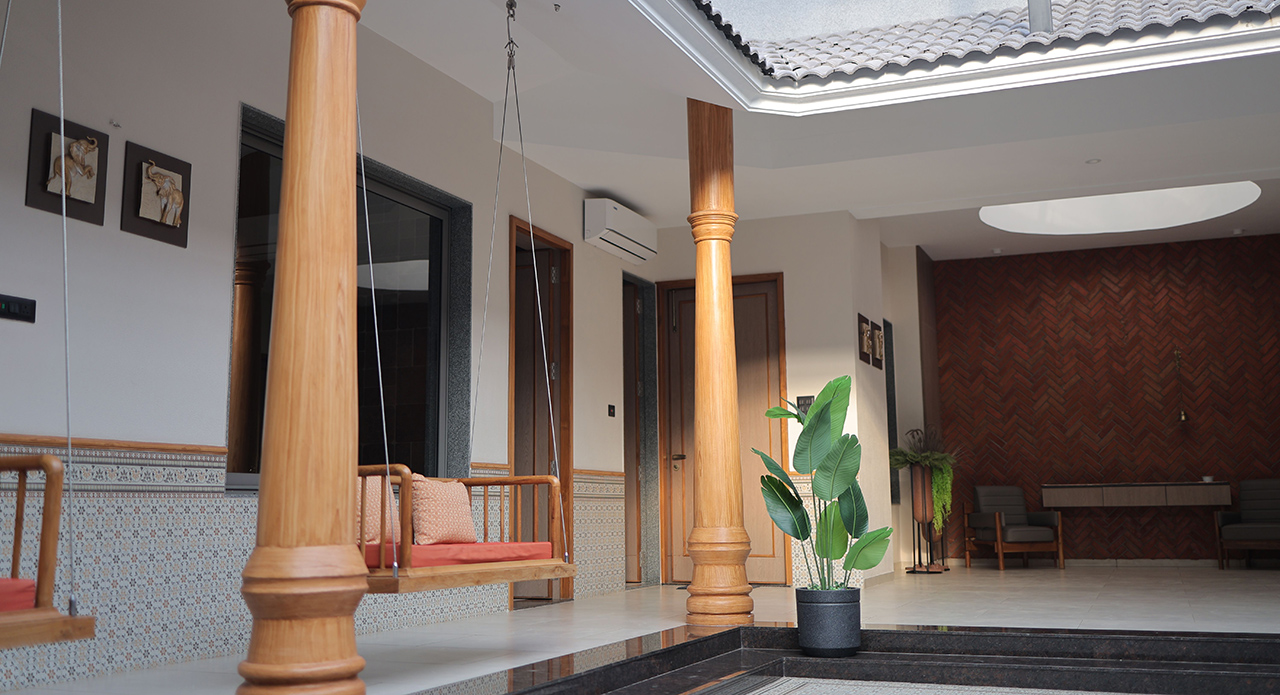


There was once a time when luxury residential homes made heads turn only when they crossed INR 10 crore, INR 25 crore or even INR 100 crore. Today, the conversation that matters isn’t just the price tag or the imported material that goes into the making of the house. Luxury housing in India is evolving into lifestyle statements that house more comfort, better design, security, amenities and, at the core of it, sustainability.
India’s luxury residential landscape is already reflecting this transition. From coastal retreats in Maharashtra to urban residences in New Delhi and Mumbai, architects are integrating elements such as courtyards, jaalis and verandahs to deal with the pressures of extreme climate stress.
Also Read: Why Courtyards Are Making A Comeback In Contemporary Architecture
While India’s climate varies across regions, the increasing frequency of extreme weather events, from intense heatwaves and surging temperatures to erratic rainfall, has underscored the need for homes that deal effectively with local climate conditions. Courtyards improve airflow and create cooler microclimates, jaalis filter sunlight while allowing ventilation and verandahs provide shaded transitional spaces that reduce heat gain. Together, these passive design features help homes remain breathable while reducing dependence on mechanical cooling.
These homes are living examples of the fact that climate-responsive architecture is no longer just a part of heritage sites, it is the reality of the country’s most sophisticated and responsible neighbourhoods. Here are some properties that have already made the shift.
Copper House II, Chondi, Maharashtra — Studio Mumbai
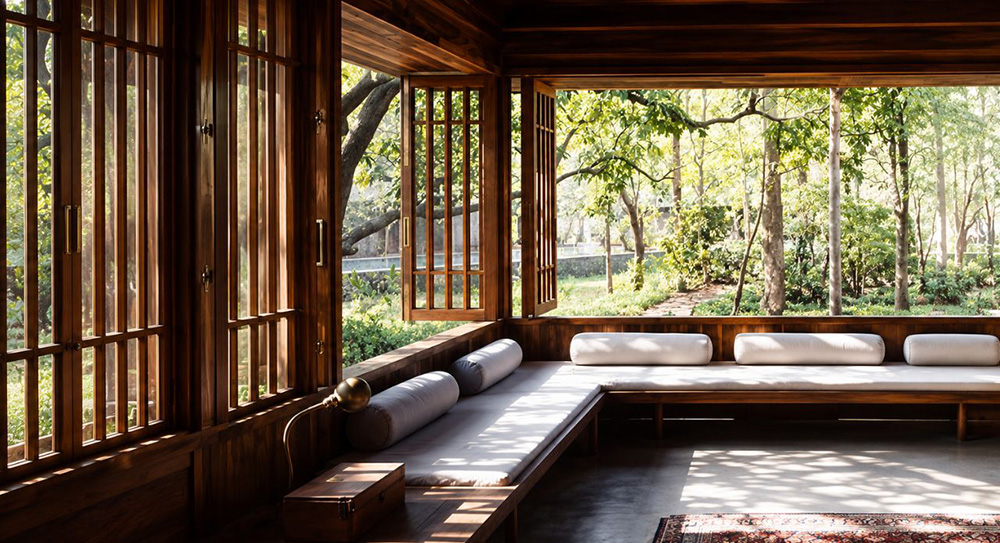
A luxury residence organised around a central courtyard, with layered screens and climate-responsive planning inspired by traditional Indian homes. The courtyard is not decorative; it acts as the spatial and environmental heart of the house.
J-House, Mumbai — Malik Architecture
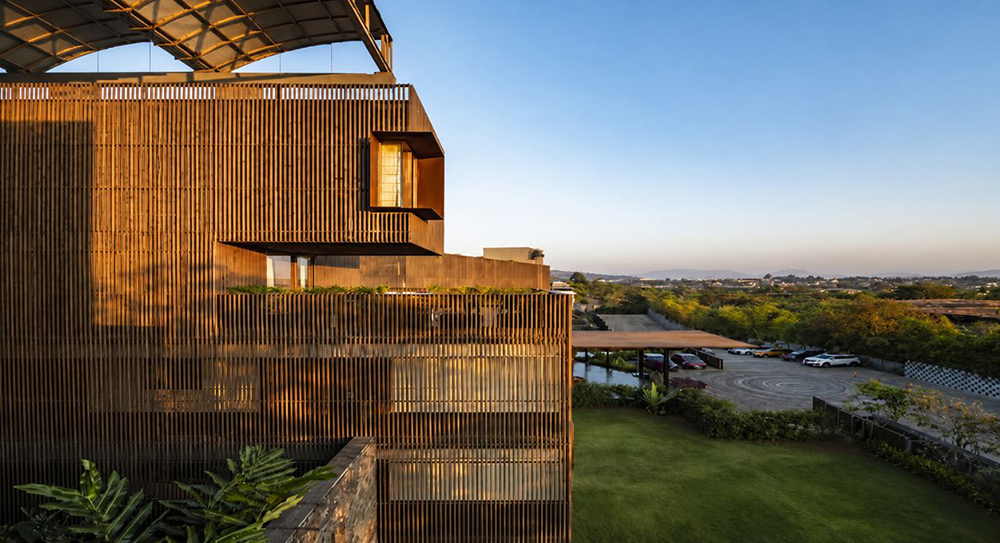
One of the strongest contemporary examples. This luxury multi-generational residence reinterprets the courtyard, verandah and jaali for a dense urban setting. Each residence revolves around a courtyard, while deep verandahs and perforated screens provide shade, privacy and ventilation.
Brick House, New Delhi — RLDA Studio
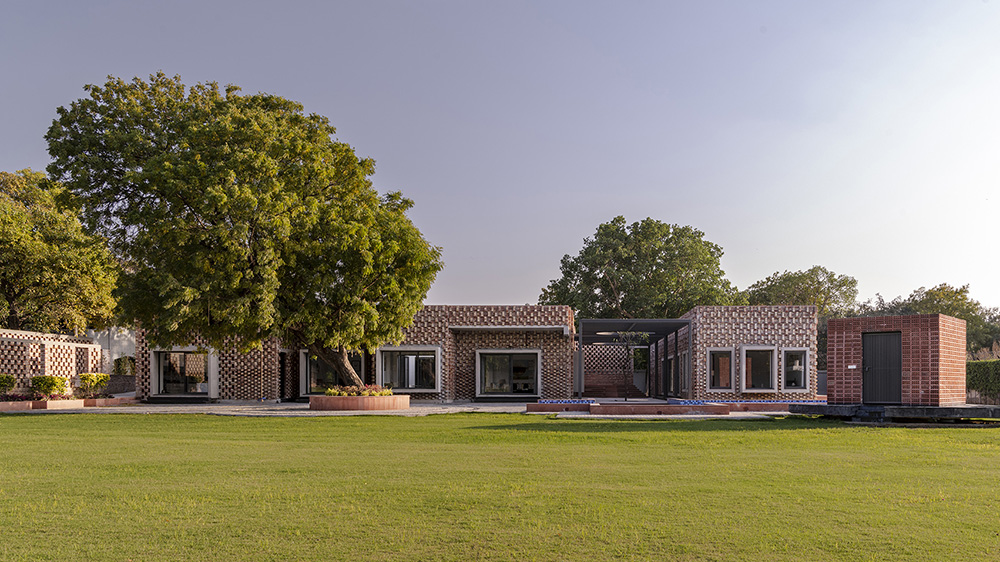
A recent high-end residence that uses four internal courtyards and climate-responsive brick screens functioning much like contemporary jaalis. The project explicitly draws on traditional cooling and shading techniques while presenting a highly contemporary aesthetic.
Jatia House, Malabar Hill, Mumbai
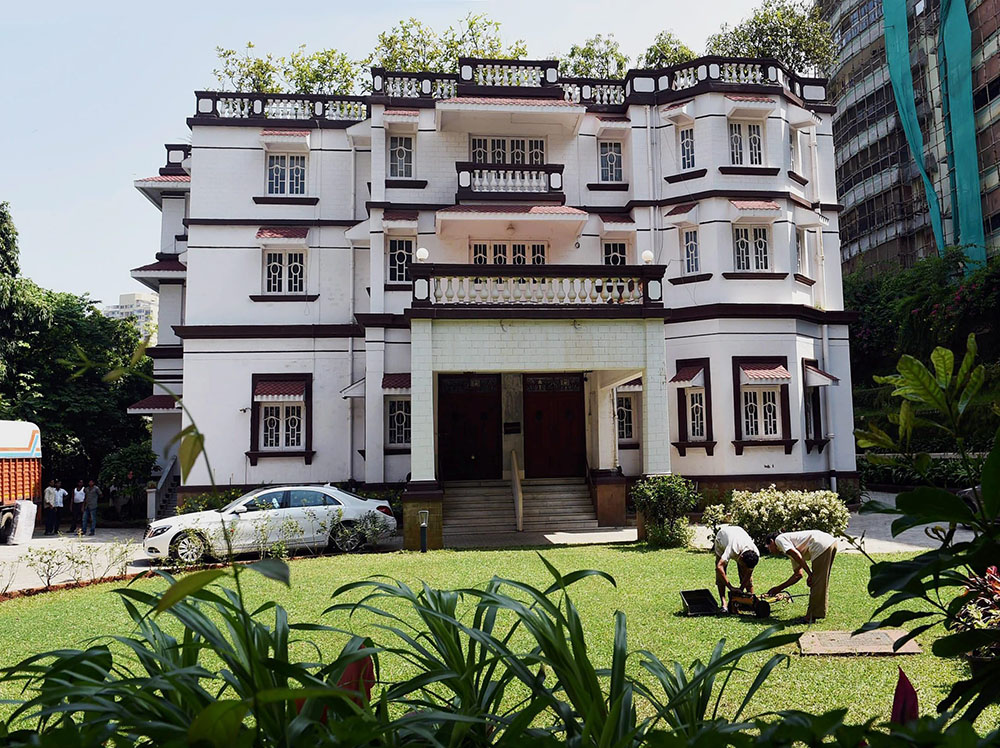
A heritage luxury residence whose planning incorporates a central courtyard, gardens and natural ventilation. It demonstrates that many of India’s most prestigious homes historically relied on passive climatic design long before sustainability became fashionable.
Also Read: What Is Vernacular Architecture? Origins, Key Features And Famous Buildings Explained
The renewed inclination towards these traditional architectural elements indicates that the future of Indian luxury may not lie in imported architectural innovations but in solutions that take you back to the roots, closer to local climate and culture. In rediscovering these time-tested features, contemporary homes are proving that innovation and tradition need not stand poles apart but can coexist within the same design spectrum.