

Some of the world’s most famous “rubies” have been hiding in plain sight. The Black Prince’s Ruby in the British Imperial State Crown, for instance, is actually a colossal red spinel, a reminder that this gemstone has been prized by royalty long before modern gemology gave it an identity of its own. Today, that once-overlooked stone is attracting a new generation of collectors who are drawn to its colour, rarity and fascinating history.
Commenting on what’s causing the trend, Rhea Poddar Loyalka, Creative Director at Deshya, said, “Gemstone collectors seem to have taken a turn from their usual path of the ‘precious stones’ and instead follow the light of Spinel.”
She added that the transition is also being driven by collectors looking for stones with a story, particularly those rooted in heritage and history. Once mistaken for rubies, spinels are now increasingly being appreciated on their own terms.
“What particular catches collector’s eyes is Spinel’s durability, making it a strong contender for wearable pieces, along with its clean, often eye-catching clarity. It has also garnered more attention from auction houses and museums making it more desirable,” she shared.
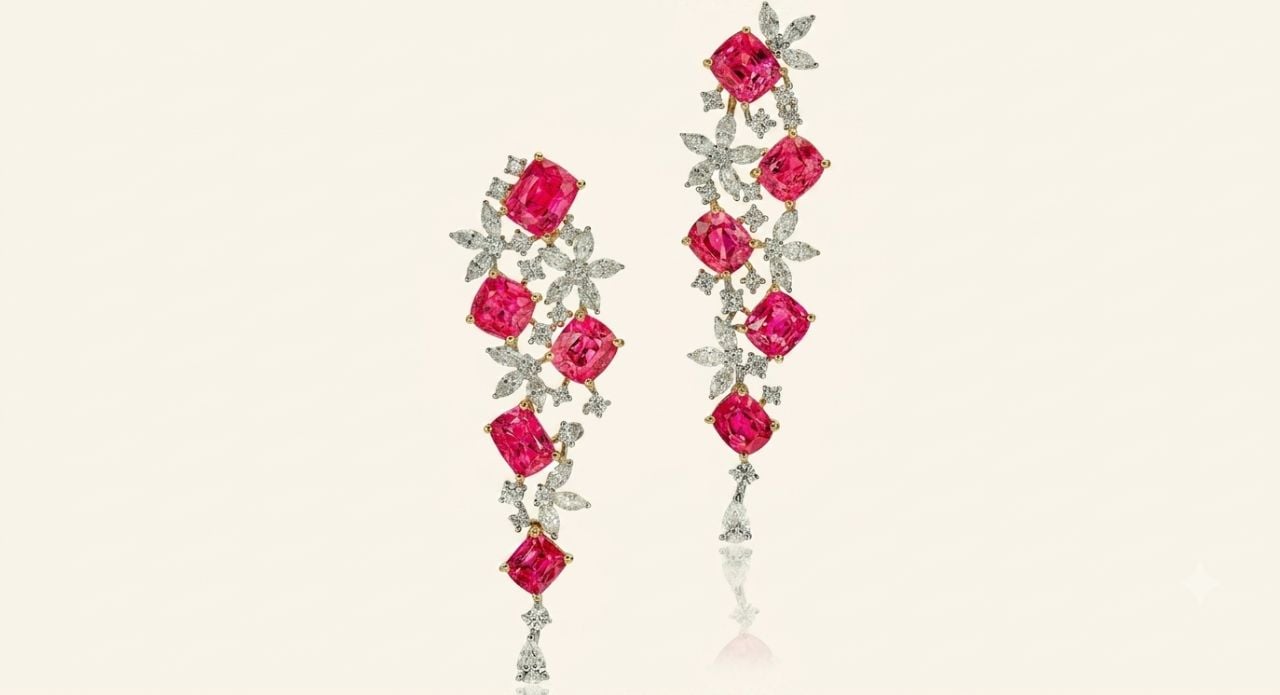
Ruby Rival With History
Spinel is a distinct mineral, not a substitute for ruby, although the two can look remarkably similar. Both can develop vivid red hues through chromium, but spinel has its own optical and chemical characteristics. Unlike ruby, which belongs to the corundum family alongside sapphire, spinel is magnesium aluminium oxide. It also ranks at 8 on the Mohs scale, giving it the durability required for fine jewellery.
Also Read: Ruby Jewellery Is Back: Why Collectors and Connoisseurs Are Investing in Red Gems
Its greatest appeal lies in colour. Red remains the most coveted variety, particularly stones displaying an intense, pure to slightly purplish red. Fine cobalt-blue spinel follows closely, while vivid pink, orange, violet and lavender varieties offer collectors an unusually broad palette. Certain blue spinels can even evoke the depth associated with fine sapphire, making them especially compelling for those looking beyond the traditional coloured-stone hierarchy.
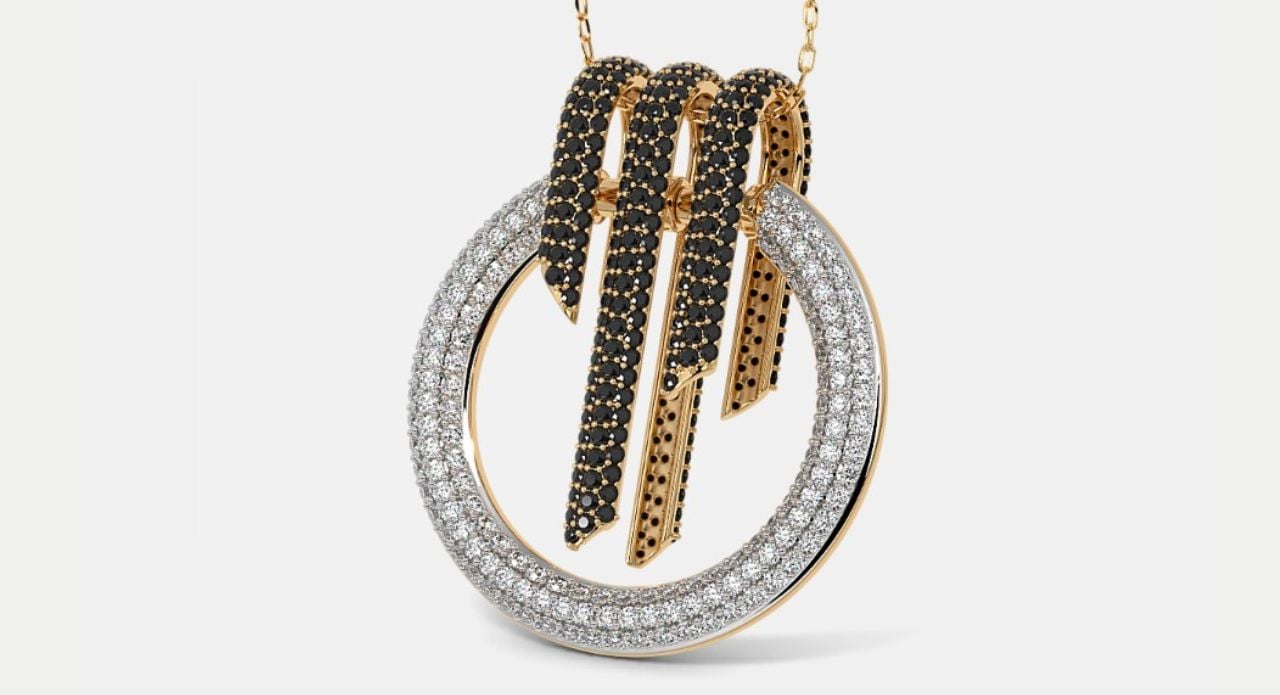
Rarity Is Raising Its Profile
The collector interest is not simply about finding an alternative to ruby or sapphire. Fine natural spinel itself can be difficult to source, particularly in strong colours and larger sizes.
Value depends heavily on colour, clarity, cut and carat weight. A vivid red stone with excellent transparency can command a significant premium, while rare cobalt-blue examples have their own collector following. Importantly, spinel’s uniqueness also comes from its relative scarcity in fine natural qualities rather than sheer size alone.
Also Read: Why Paraiba Tourmaline Is the World’s Most Coveted Coloured Gemstone
That distinction is increasingly relevant in 2026, when coloured gemstones are having a stronger moment in luxury jewellery. Current jewellery trends are favouring expressive colour and distinctive stones, creating space for less conventional gems to compete for attention.