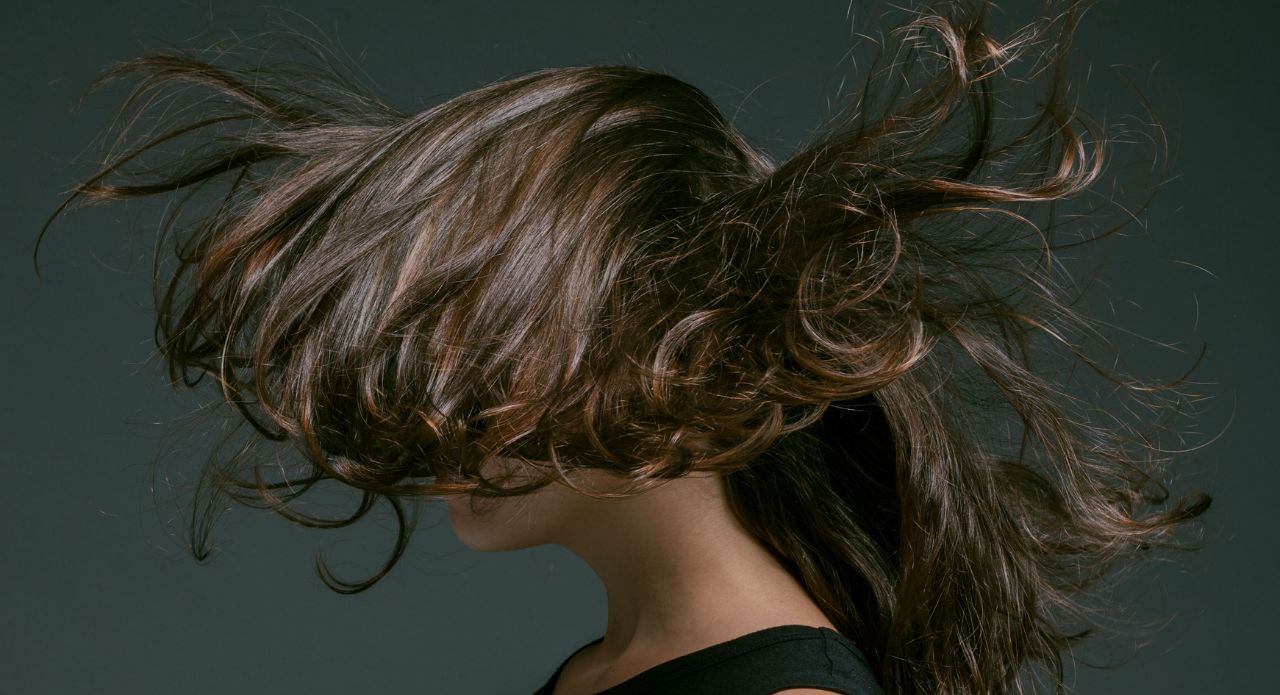


Monsoon rains have picked up pace as it is raining almost on a daily basis in Delhi now. And so has the persistent frizziness of hair that gets tamed if you apply a generous amount of hair serum but does not last long no matter what you do.
Going bald might be one of the probable solutions during this season, but not everyone can sport that look. For those still looking for tips for frizz-free hair, Outlook Luxe spoke to Dr. Geetika Mittal, Founder and Medical Director, Isaac Luxe, and Kavya Nair, Associate Design Manager, Dyson, to understand why hair behaves differently during the rainy season and what can actually help keep it manageable.

Why Humidity Changes Hair
The battle with frizz begins before a strand even starts looking unruly. Humidity changes the amount of moisture present around the hair, which can alter the structure of the hair shaft and make carefully styled lengths harder to control.
“During the humid weather, the humidity gets absorbed in the hair shaft. The hydrogen bonds tend to get mismanaged and that’s why the swelling of the hair shaft causes hair humidity or the fizz,” explained Dr Mittal.
The effect is not limited to appearance either. According to her, hair can absorb as much as 30% of its own body weight in moisture. That can leave it heavier and weaker, making breakage more likely. Seasonal hair shedding, however, should not automatically be blamed on the monsoon. The natural hair cycle can also influence how much hair is shed at a particular time.
Also Read: How to Protect and Restore Your Skin Barrier During Monsoon Season
Nair pointed to the same moisture-related shift from a styling perspective. “Humidity is styling’s biggest challenge because hair naturally absorbs moisture from the environment,” she said. As the hair fibre swells, its alignment can change, resulting in frizz, flyaways and a loss of style definition.
That is why simply smoothing the surface with serum may offer only temporary relief. The weather continues to work against the hairstyle once you step outdoors. A more considered routine starts with keeping the scalp clean, drying the hair properly and choosing styling techniques that do not place unnecessary stress on already vulnerable strands.
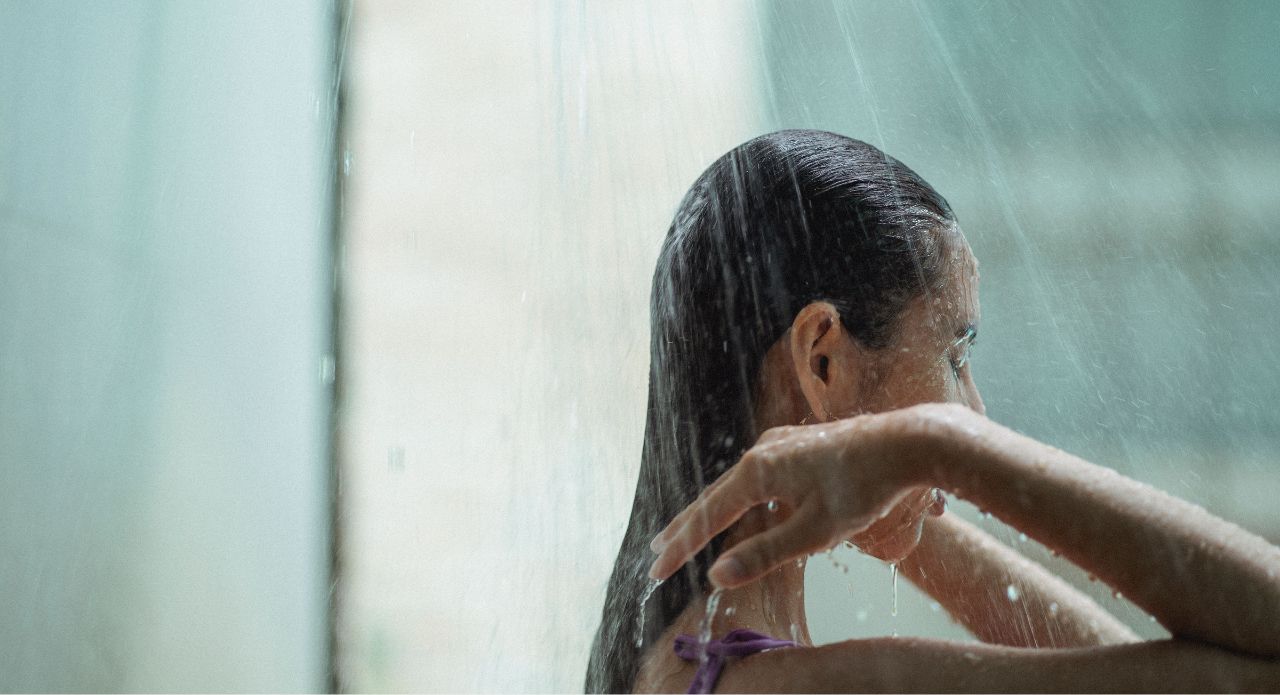
Keep Your Scalp Clean
A polished hairstyle is only part of good monsoon haircare. The scalp deserves equal attention, particularly when the weather leaves the skin warm and damp for longer periods.
Dr Mittal does not recommend allowing moisture to linger around the scalp after washing. “Why air drying is not suggested is the reason because it leads to leaving your hair more damp. The moisture or dampness which is left in the scalp leads to more yeast infection, more seborrheic dermatitis, more breakage,” she added.
That makes the familiar advice to simply let hair dry on its own less straightforward during the rainy season. The concern is not that air itself is damaging, but that a damp scalp can remain in a moist environment for too long.
The same principle applies to washing. An oily scalp should not be left unwashed simply because of the belief that frequent shampooing is harmful. Dr Mittal advised keeping the scalp clean and preventing buildup. She also suggested not leaving oil on the scalp for more than half an hour for those who oil their hair.
There is also a simple distinction worth remembering: shampoo belongs primarily on the scalp, while conditioner should be applied to the strands. Conditioning after every rinse can help the lengths remain more manageable, particularly when humidity is already making them prone to roughness and tangling.
Hair should also be dried rather than left soaking wet for long periods. Sleeping with damp hair is another habit best avoided.
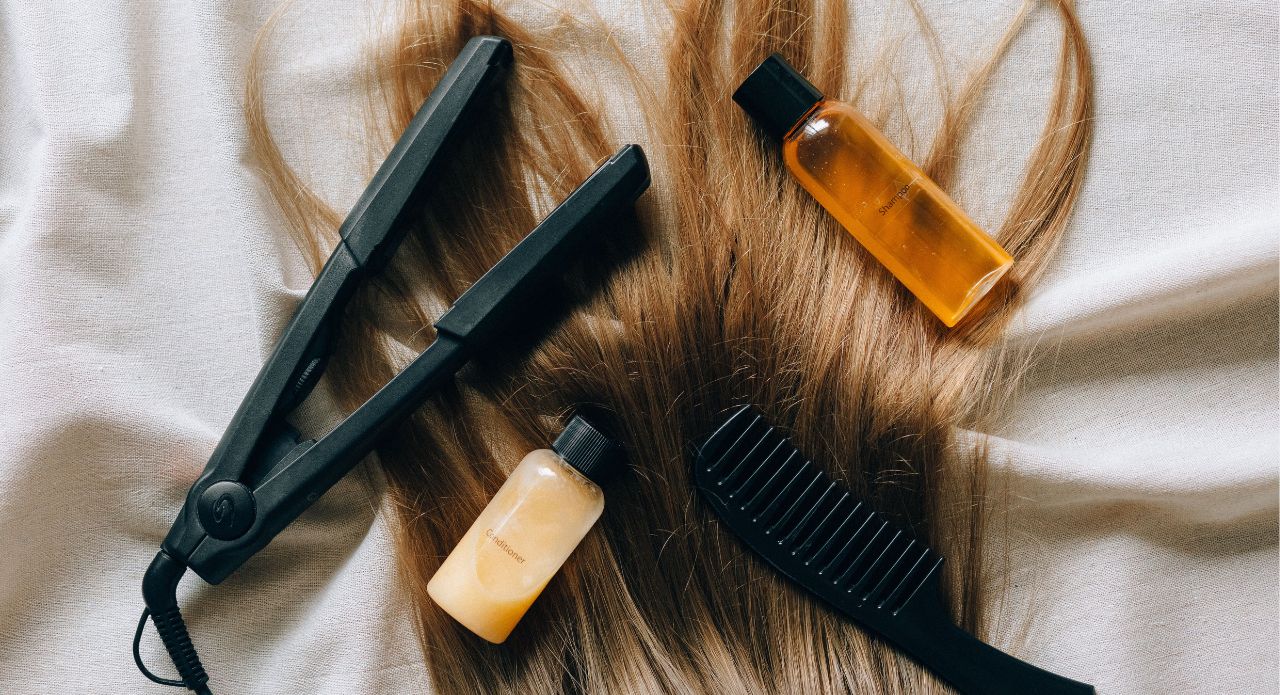
Style Without Excess Heat
Once the scalp and hair are properly dried, styling becomes a question of technique rather than simply using more heat. The temptation during humid weather is often to turn up the temperature or repeatedly run a straightener over sections that have started to frizz. That can create a short-lived smooth finish while putting additional stress on the hair.
Nair challenges another common assumption in the process. “One of the biggest myths in hair care, amongst both men and women is that air drying is always healthier,” shared Nair.
Her point is particularly relevant during the monsoon, when hair can remain damp for longer. A controlled drying routine can be more practical than allowing moisture to sit on the scalp and strands indefinitely.
Also Read: How to Build a Luxury Curly Hair Routine for Beautiful, Healthy Curls
The answer, however, is not to use the hottest setting available. Dr Mitta l advised against very hot plates and excessively hot air dryers, describing the resulting damage as essentially “frying or cooking” the hair. Her recommendation is to use heat protectants and choose tools that can regulate temperature intelligently or be operated at a safe distance from the hair.
That is where newer styling technologies are attempting to change the relationship between heat and hair. The Dyson Airstrait uses high-pressure shear airflow to straighten hair from wet to dry without conventional hot plates, while the Dyson Supersonic Nural combines powerful airflow with Intelligent Heat Control and Scalp Protect mode. The Dyson Airwrap uses the Coanda effect to create curls, waves and smooth styles using air rather than extreme heat.
For Nair, the larger principle is to understand what the hair needs instead of treating every texture and styling goal in exactly the same way. Dyson tests its products across Type 1 to Type 4 hair, covering straight, wavy, curly and coily textures, while also considering the user’s routine, styling goal and skill level.
A monsoon hair routine, then, need not mean surrendering to frizz or piling on products every morning. It can be as simple as keeping the scalp clean, not allowing dampness to linger, conditioning the lengths, protecting the hair before heat styling and choosing a tool that does the work without excessive temperature.
The rain may have its own plans for your hairstyle, but understanding what humidity does to the hair gives you a better chance of keeping it smooth, healthy and presentable long after the serum has worn off.