

There are Swiss watchmakers, and then there is Jaeger-LeCoultre, the sort of company that makes you wonder whether the rest of the industry occasionally borrowed its homework. While brands such as Audemars Piguet, Patek Philippe and Vacheron Constantin built some of horology’s most celebrated names, Jaeger-LeCoultre was quietly developing the mechanical architecture that helped make many of those watches possible. With more than 1,200 calibres, an extraordinary catalogue of patents and the ability to manufacture virtually every component under one roof, the manufacture has earned its nickname as the “watchmaker’s watchmaker”. And frankly, that is rather more impressive than simply having a famous logo on the dial.
Supplied Movements To Horology’s Greatest Names
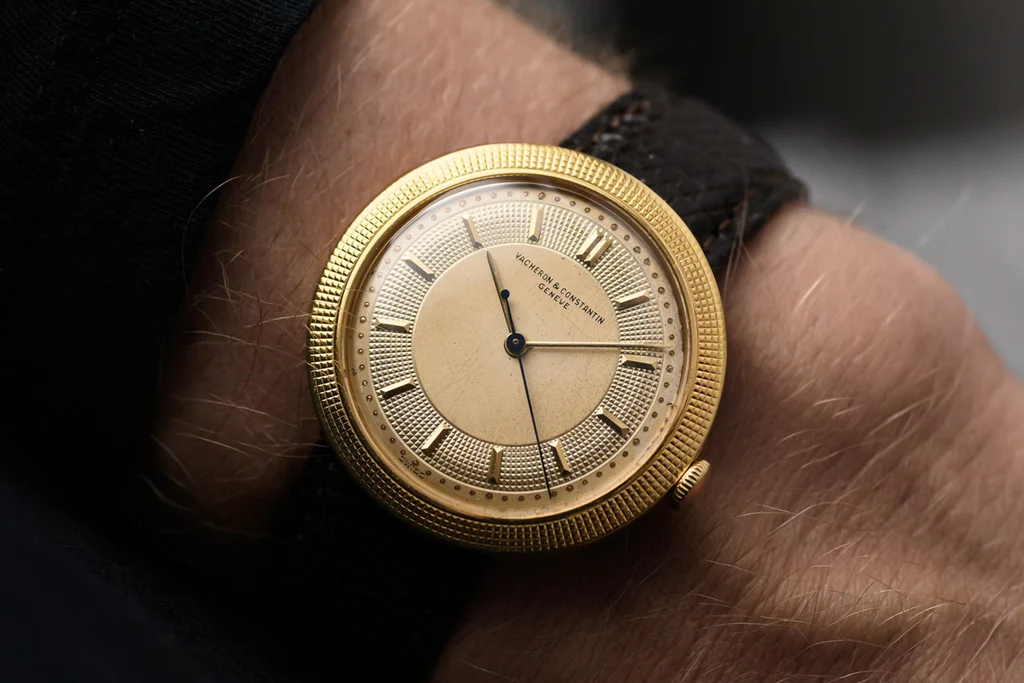
Jaeger-LeCoultre’s influence extends far beyond watches carrying its own name. Over the years, the manufacture supplied movements to some of Switzerland’s most prestigious maisons, including Audemars Piguet, Patek Philippe and Vacheron Constantin. This behind-the-scenes role is one of the less glamorous but more consequential chapters of its history. While consumers were admiring beautifully finished watches from famous brands, Jaeger-LeCoultre was developing and producing the mechanical engines that powered them. It is rather like discovering that the quiet fellow backstage was actually responsible for half the performance.
Also Read: Franck Muller: The Innovations That Changed Modern Watchmaking
More Than 1,200 Calibres
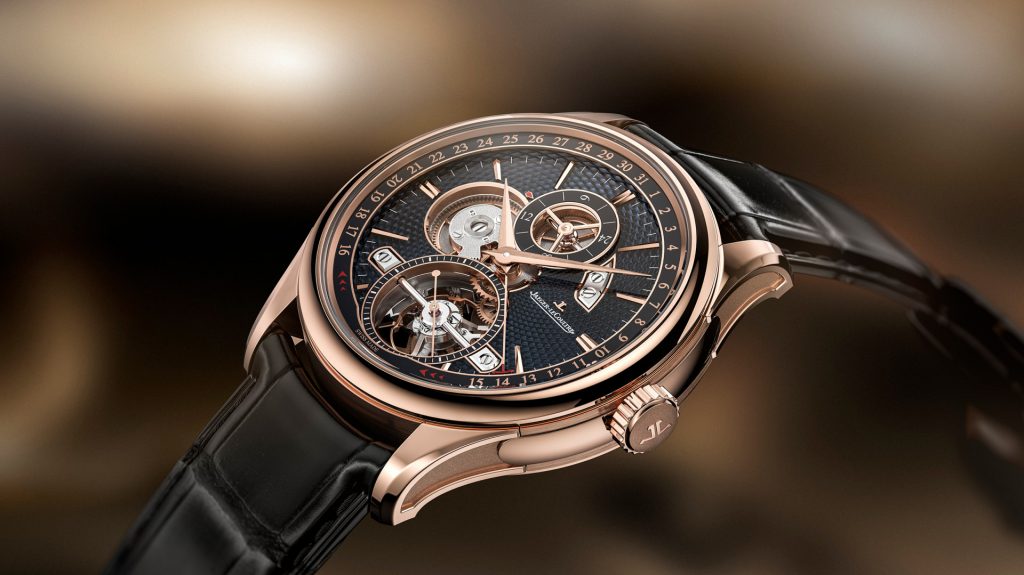
Few numbers explain Jaeger-LeCoultre’s engineering culture better than its catalogue of more than 1,200 calibres. Over generations, the manufacture has developed movements spanning simple time-only mechanisms, automatic systems, alarms, ultra-thin constructions and highly complicated tourbillons. This extraordinary variety reflects an approach in which movement development is not treated as a supporting department but as the foundation of watchmaking itself. Every calibre represents another experiment in making something smaller, thinner, more precise or simply more ingenious.
Turned Innovation Into Everyday Watchmaking
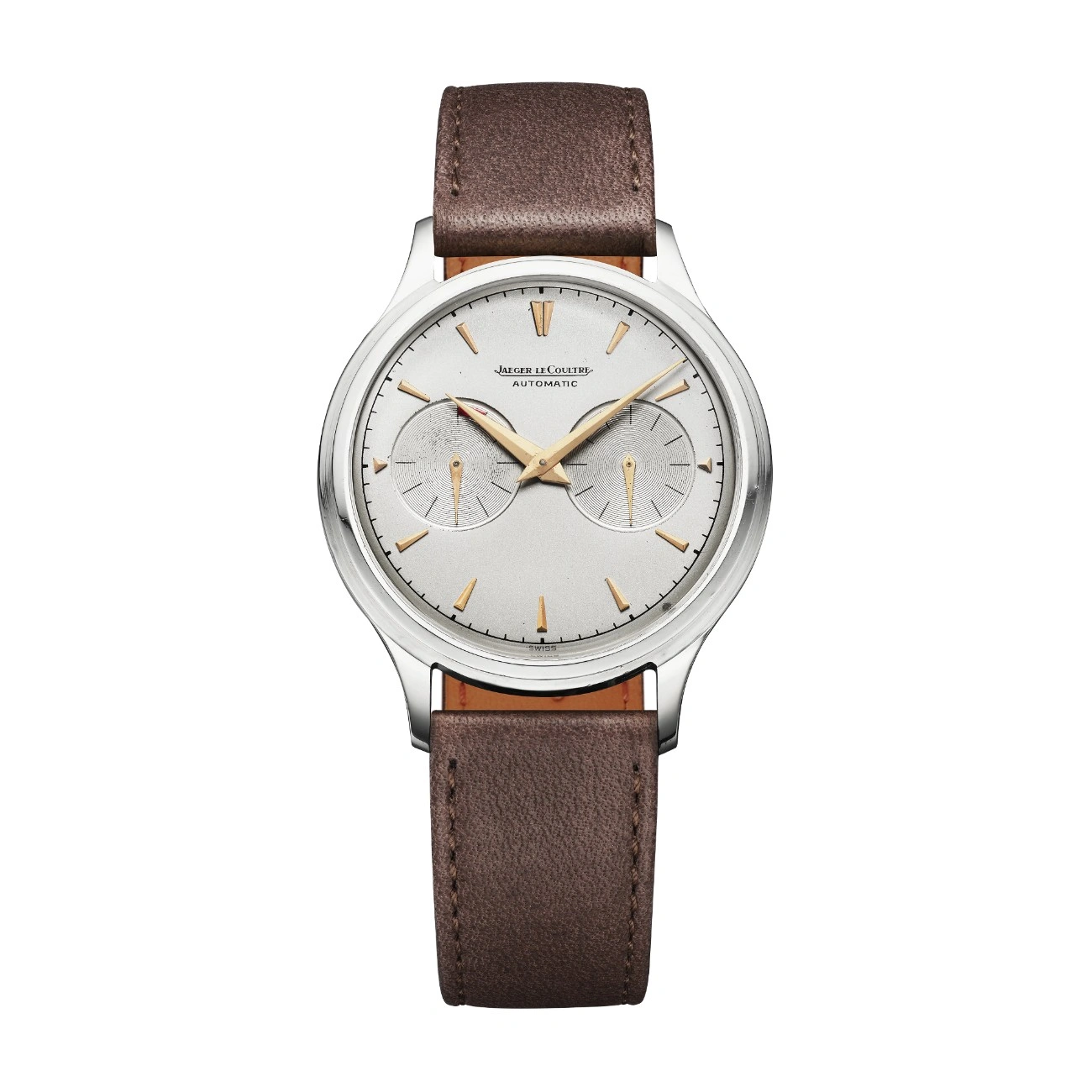
Jaeger-LeCoultre’s patent history reads almost like a list of milestones in modern mechanical watchmaking. The Futurematic introduced an innovative automatic winding system, while the Memovox brought the alarm function to the wrist in a particularly memorable way. These were not complications created merely to impress collectors. They demonstrated the manufacture’s ability to take sophisticated mechanical ideas and turn them into useful features for everyday wear. It is one thing to build a complicated watch. It is quite another to make complicated engineering genuinely practical.
Also Read: Piaget’s Horological Legacy: Ultra-Thin Movements, Design And Craftsmanship
The Tourbillon Into Three Dimensions
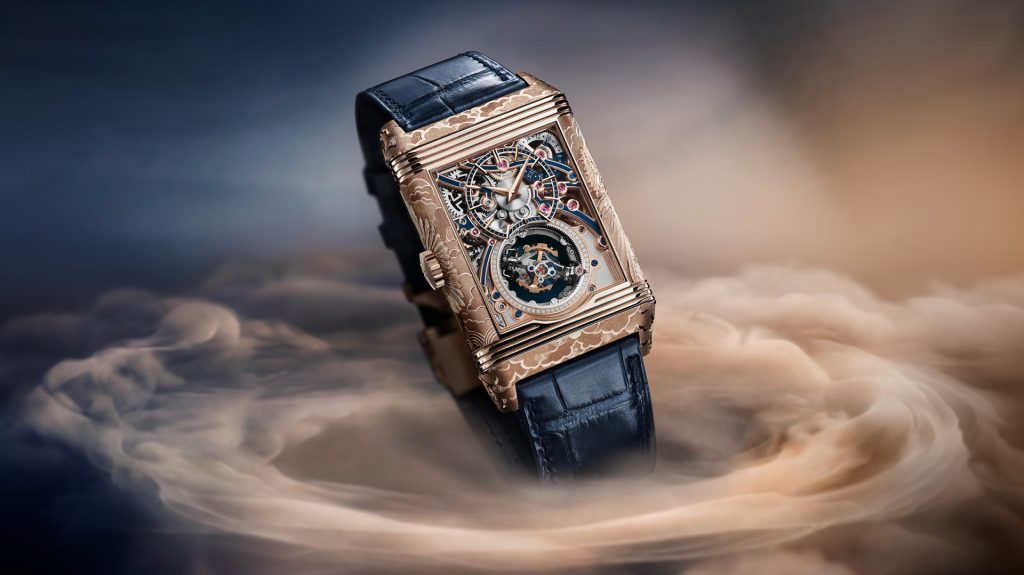
Then came the Gyrotourbillon, which took the traditional tourbillon and effectively asked why it should be condemned to rotating in only one plane. The multi-axis construction allows the regulating mechanism to rotate through different orientations, creating a spectacular three-dimensional display while addressing the effects of gravity on the movement’s precision. It is the kind of mechanism that exists at the intersection of engineering and theatre, where technical purpose and visual spectacle become almost impossible to separate.
Movements Proved That Complexity Does Not Have To Mean Bulk
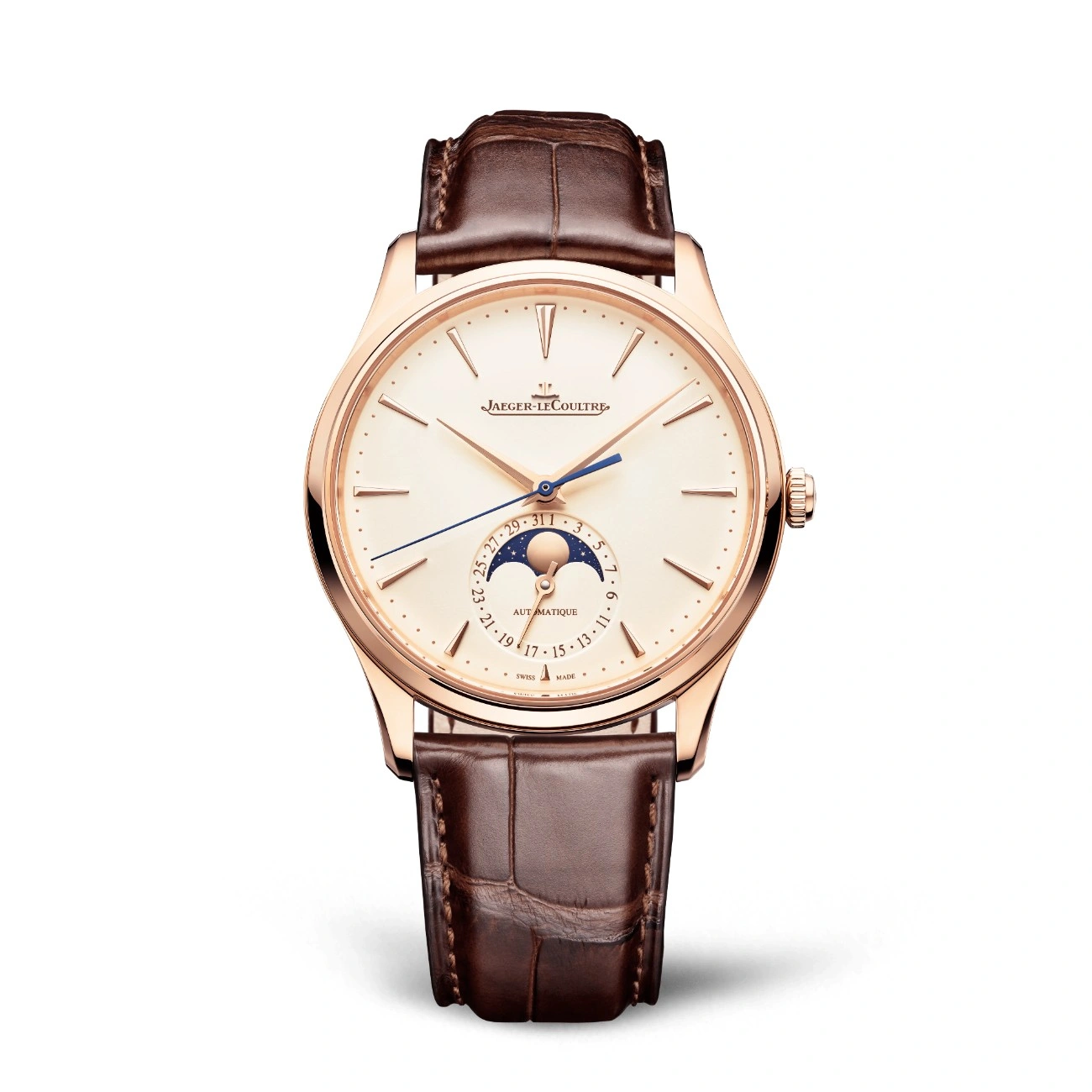
Jaeger-LeCoultre has also repeatedly demonstrated that mechanical sophistication does not necessarily require a watch to become enormous. Its work with ultra-thin movements has helped establish the manufacture’s reputation for combining technical ingenuity with elegant proportions. Reducing the thickness of a mechanical movement is not simply a matter of shaving material away. Components must be redesigned, tolerances carefully controlled and the entire architecture reconsidered without compromising reliability. The result is horology that hides an extraordinary amount of engineering behind remarkably slender dimensions.
In-House Watchmaking Means Building The Machinery Behind The Machinery
Perhaps the most important part of Jaeger-LeCoultre’s legacy is its extraordinary level of vertical integration. The manufacture’s ability to create the components of its watches in-house gives it control over development, production, finishing and assembly. Rather than depending entirely on external suppliers for the mechanical heart of its watches, Jaeger-LeCoultre has developed the expertise and infrastructure required to manufacture its own components and calibres. That control is particularly important when dealing with complicated or highly specialised mechanisms, where even the smallest component can determine how the entire movement performs.