

Wine may begin with picking the choicest of grapes in a vineyard but its real taste unlocks inside the glass it gets served in. According to widely accepted oenology principles used by sommeliers and glassmakers like Riedel and ISO tasting standards, glass shape directly influences aroma, temperature and texture perception.
On the surface, what looks like a mundane mandated choice for consuming wine is, in reality, a carefully engineered tool of taste. From bold reds to delicate sparkling wines, each style demands its own structure to express itself fully. Understanding your wine glasses can ultimately turn every pour into a more intentional, sensory experience.
Where Form Meets Flavour
The wine glass is composed of three parts, the bowl, the stem and the base. The bowl is the main body of the glass where the wine rests. The shape and size of the glass are critical as they influence the wine’s exposure to air (aeration) and concentrate the aromas at the top of the glass. Larger bowls are more suited for red wines, allowing them to breathe and enhance the wine’s aromatic character.
While the stem acts as the handle of the wine glass, it is more than just a holder. It allows you to hold the glass without transferring your body’s warmth to the wine, maintaining the wine’s optimal temperature. It also provides a sturdy support to swirl the wine, which enhances aeration and aroma release without smudging the bowl with fingerprints.
Also Read: The Best Wine Regions In The World Written In The Stars For Every Zodiac Sign
The entire upper structure is supported by the foundation of the wine glass, the base. It helps in keeping the glass stable enough to support the glass when it is filled with wine and during swirling. The base’s size and weight can vary, contributing to the glass’s overall balance and feel.
The rim of the wine glass might seem like a simple edge, but its thickness plays a significant role in the tasting experience. A thinner rim is less obtrusive, making the wine flow more smoothly onto your tongue, enhancing the drinking experience. Some glasses come with a slightly tapered rim, directing the flow of wine and focusing the aromas.
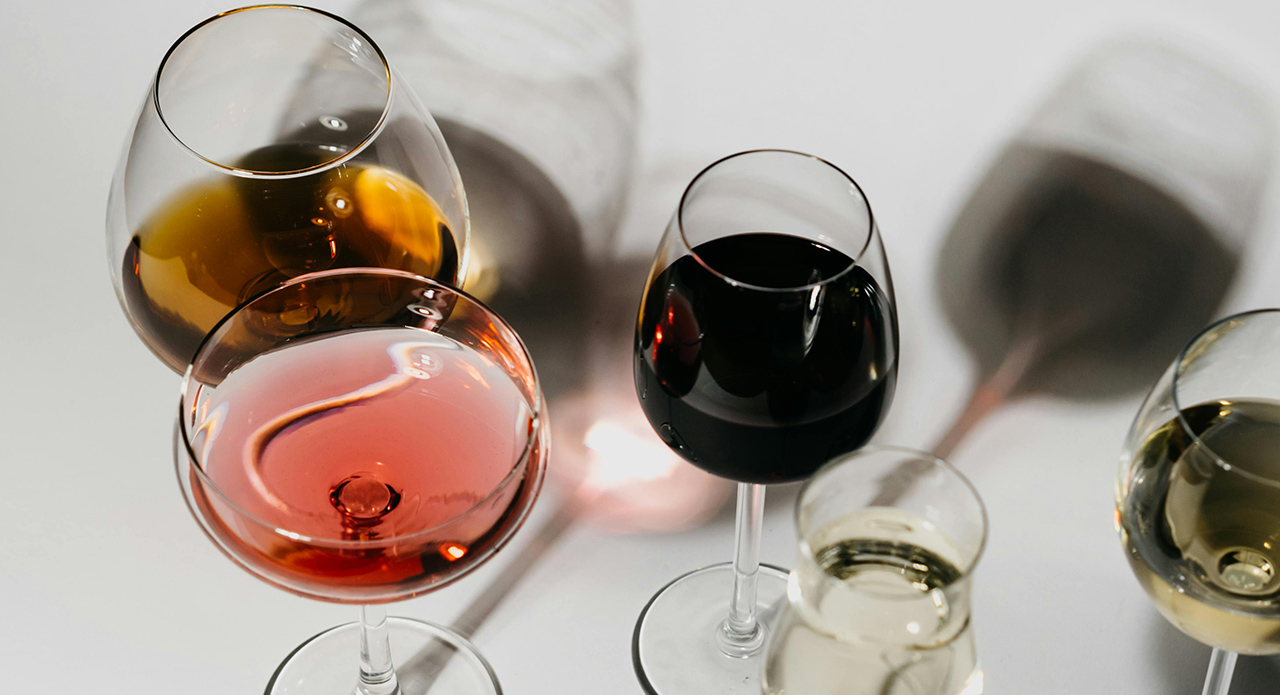
What’s important to know here is that the diversity of glass shapes isn’t merely aesthetic; it mirrors the diversity within the wine itself. Red wines flourish in glasses with ample bowls to aerate and develop their complex aromas, while whites thrive in slightly narrower glasses to concentrate delicate floral and fruit notes. Sparkling wines and champagnes sparkle brightest in flutes that celebrate their effervescence, and dessert wines find their sweet spot in smaller glasses to accentuate richness and sweetness.
Here are the essential wine glasses that every connoisseur should know.
Also Read: Form And Function: The Two Pillars Of A Great Sipping Experience
Bordeaux Red Wine Glass
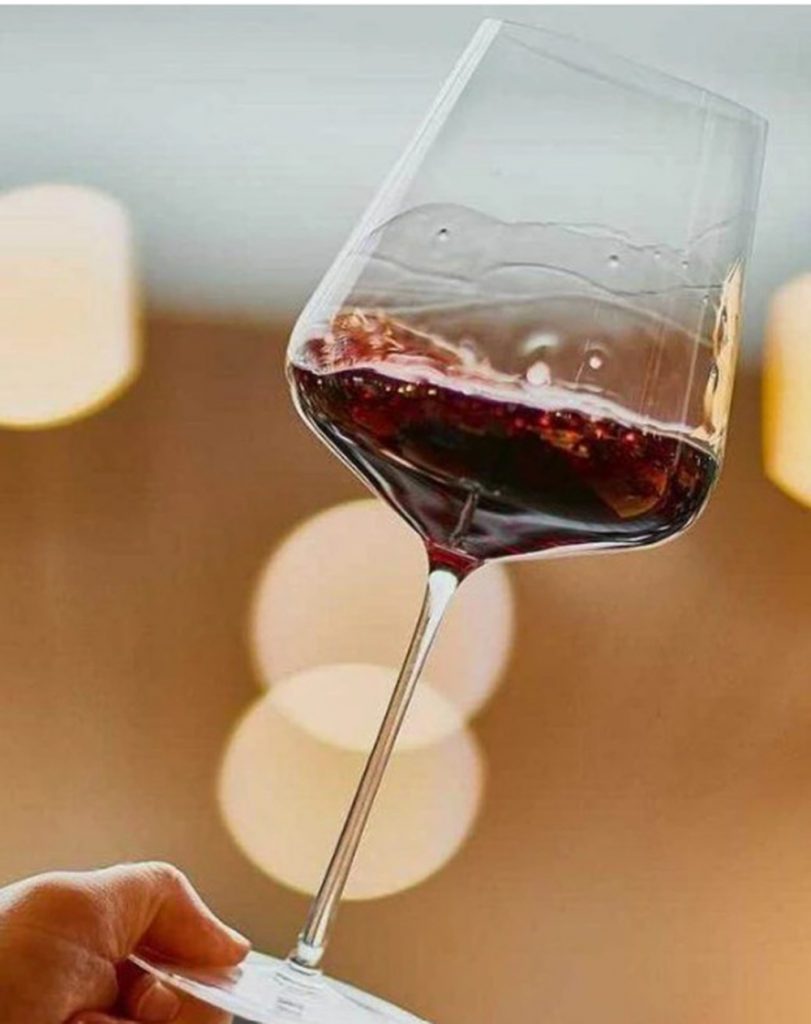
The Bordeaux glass is tall with a broad bowl, designed for full-bodied red wines like Cabernet Sauvignon and Merlot. Its height allows aromas to develop while the wider opening directs wine to the back of the palate, softening tannins. It’s the go-to glass for structured, bold reds that need breathing space.
Burgundy Red Wine Glass
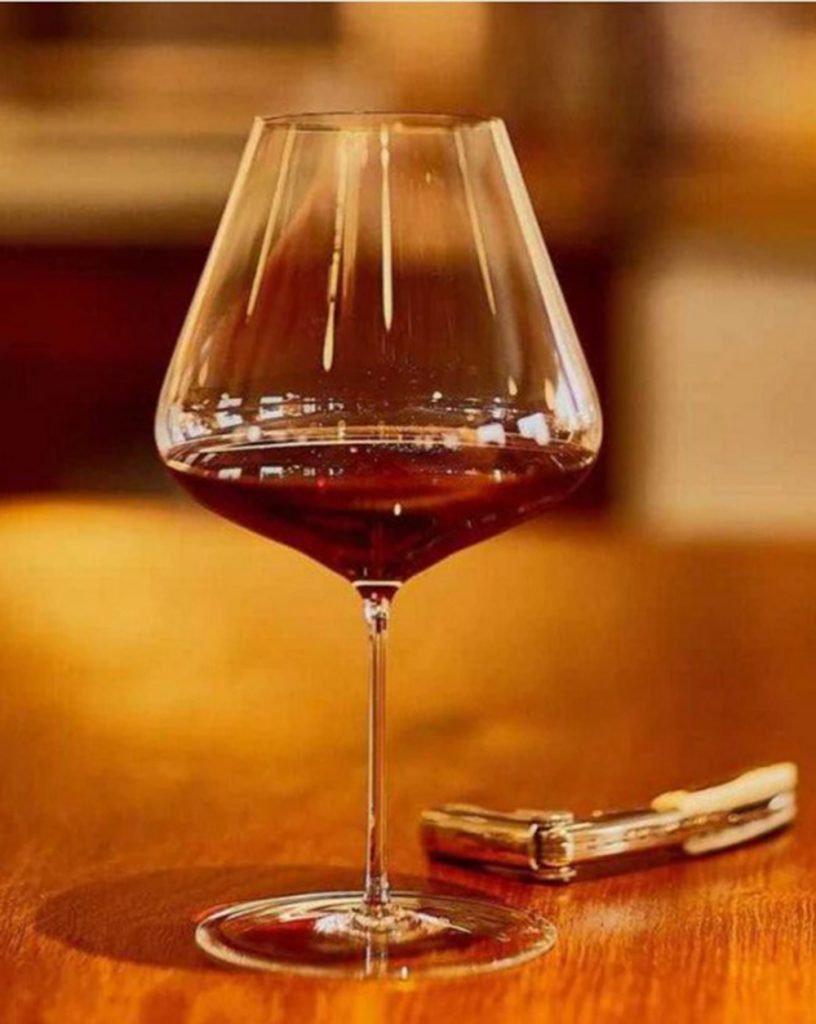
Shorter but wider than Bordeaux glasses, Burgundy glasses are made for delicate reds like Pinot Noir. The large bowl captures subtle aromas and directs wine to the tip of the tongue, enhancing fruit-forward notes. Its design prioritises fragrance over structure, making it ideal for nuanced, aromatic wines.
White Wine Glass
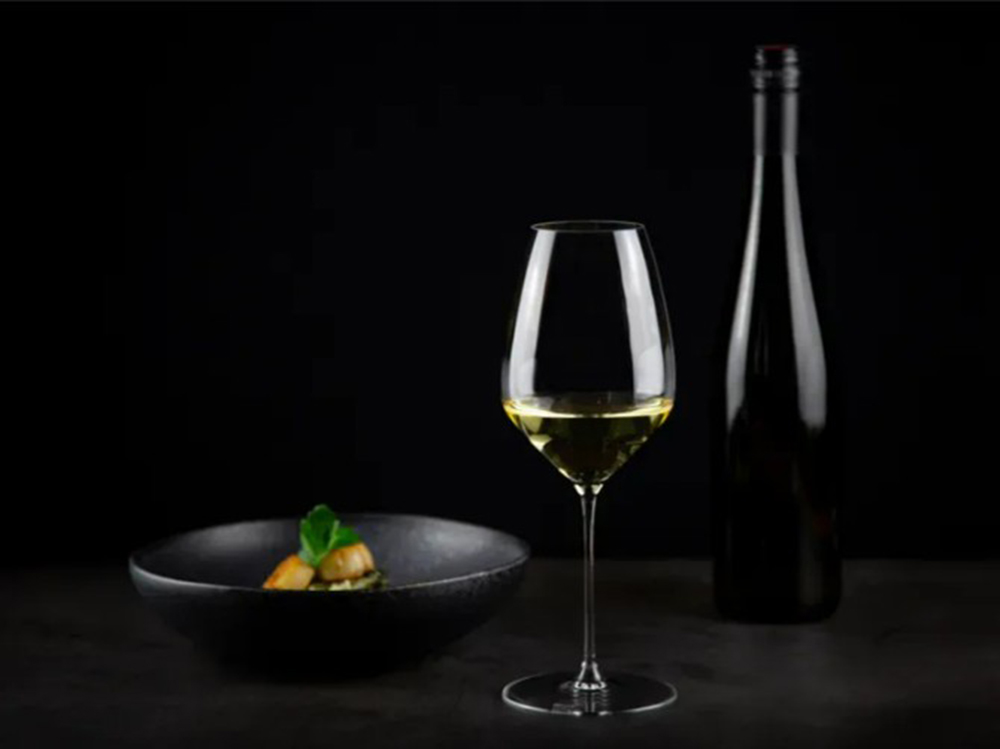
White wine glasses are smaller and narrower to preserve acidity and maintain cooler temperatures. The restrained bowl limits oxidation, keeping flavours crisp and fresh. Ideal for Sauvignon Blanc, Riesling and Chardonnay, this glass ensures that floral and citrus notes remain sharp rather than overly softened by air exposure.
Champagne Flute
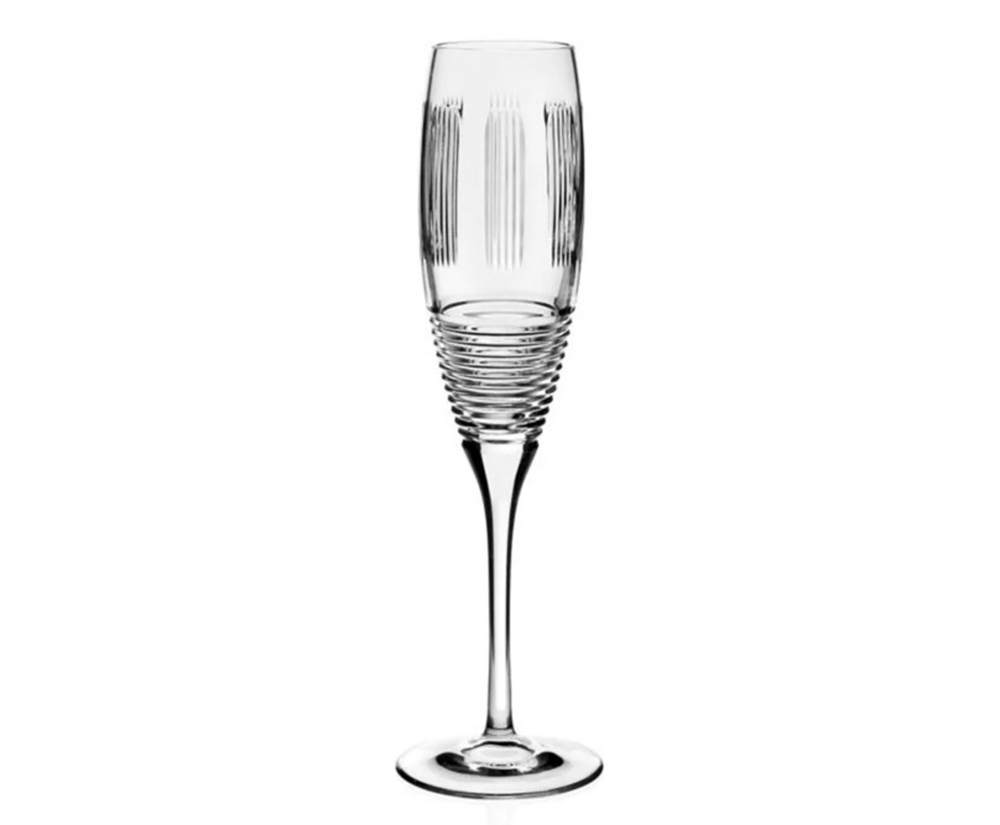
The champagne flute is tall and slender, designed to preserve carbonation and showcase rising bubbles. Its narrow shape slows the release of aromas while maintaining effervescence for longer. Perfect for Champagne and sparkling wines, it enhances visual elegance while keeping the drink lively, crisp, and celebratory in character.
Universal Wine Glass
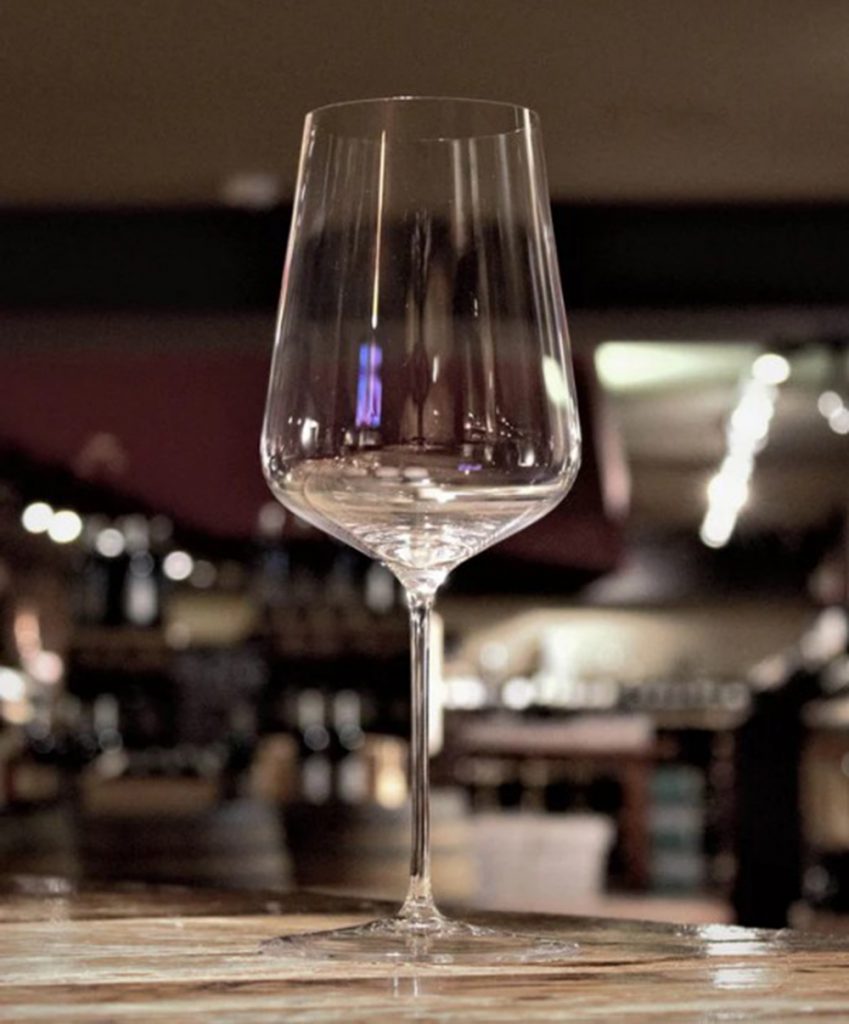
The universal glass is a modern all-rounder designed for versatility across reds, whites, and even light sparkling wines. With a medium bowl and balanced shape, it offers a compromise between aroma expression and temperature control. Favoured for casual drinking and smaller collections, it simplifies wine service without compromising too much on experience.
Rosé Wine Glass
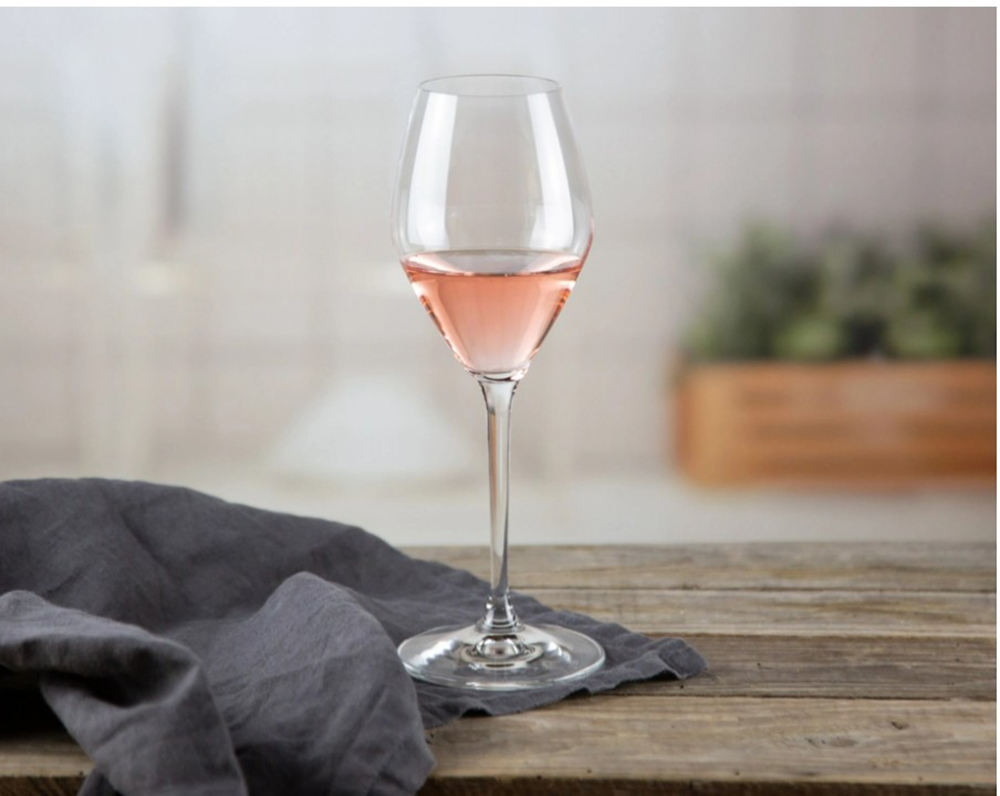
Rosé glasses are typically tulip-shaped with a slight inward curve at the rim. This design balances freshness and aroma concentration, enhancing fruity and floral notes while keeping the wine crisp. Some styles have a slightly wider bowl for richer rosés, especially Provence-style wines.
Dessert Wine Glass
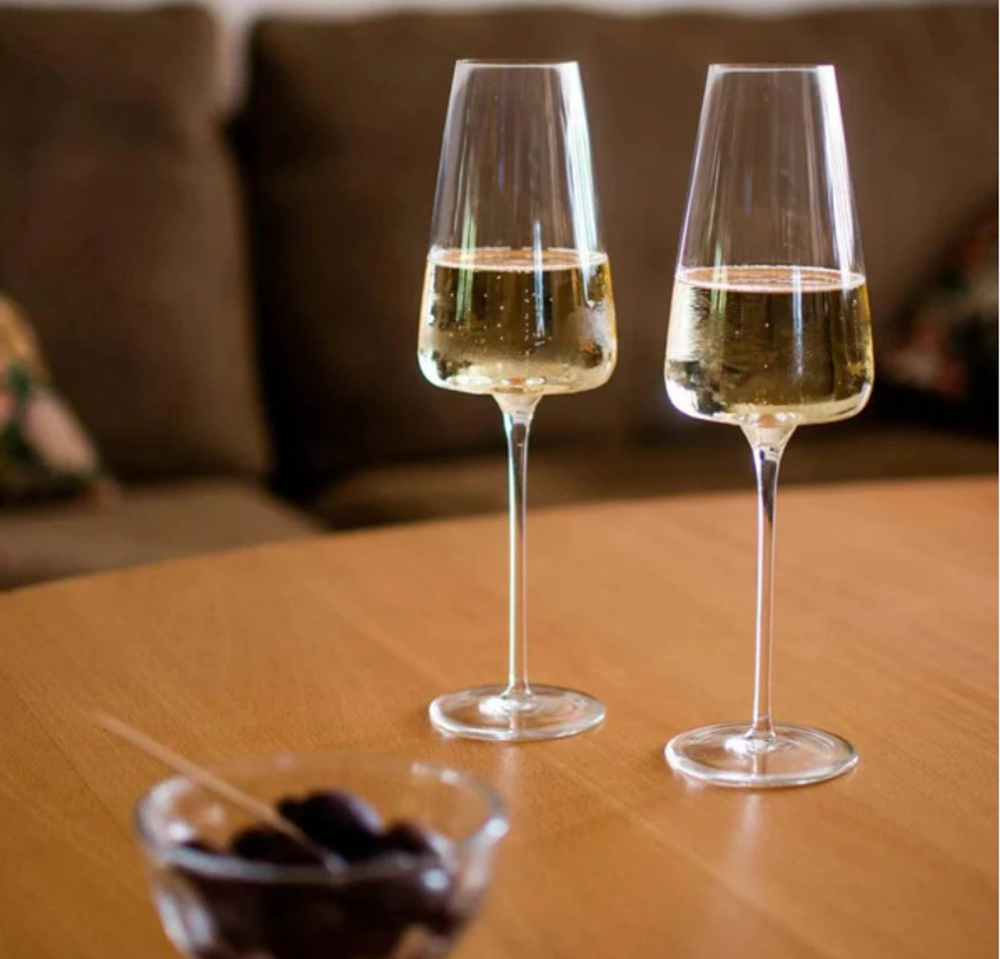
Smaller in size, dessert wine glasses are designed for sweet, concentrated wines like Sauternes, Ice Wine and other dessert-style wines. The reduced bowl controls portion size and directs intense sweetness to the palate in measured sips, ensuring richness doesn’t overwhelm the senses.
Port Glass (Fortified Wine Glass)
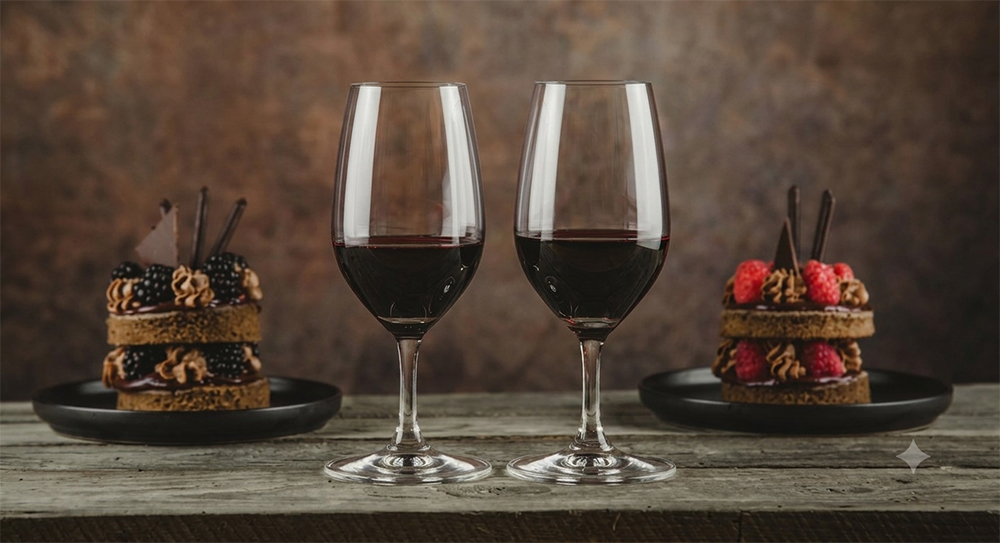
Even smaller than dessert wine glasses, port glasses are built for fortified wines with higher alcohol content. The compact shape helps moderate alcohol perception while highlighting deep, complex flavours like dried fruit, spice, and caramel.
Sparkling Wine Coupe (Vintage Style)
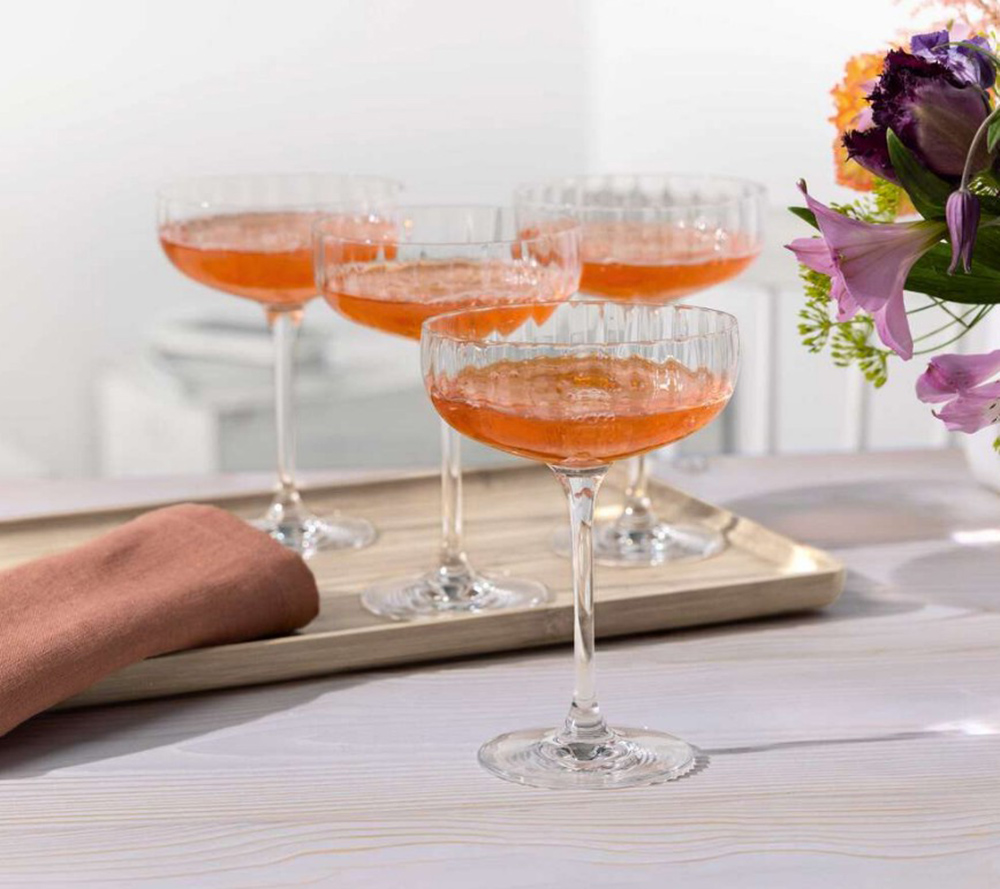
The coupe is a shallow, wide-bowled glass often associated with classic glamour. While less effective at preserving bubbles than a flute, it’s still used for aesthetic appeal in cocktails and vintage-style champagne service.
Stemless Wine Glass
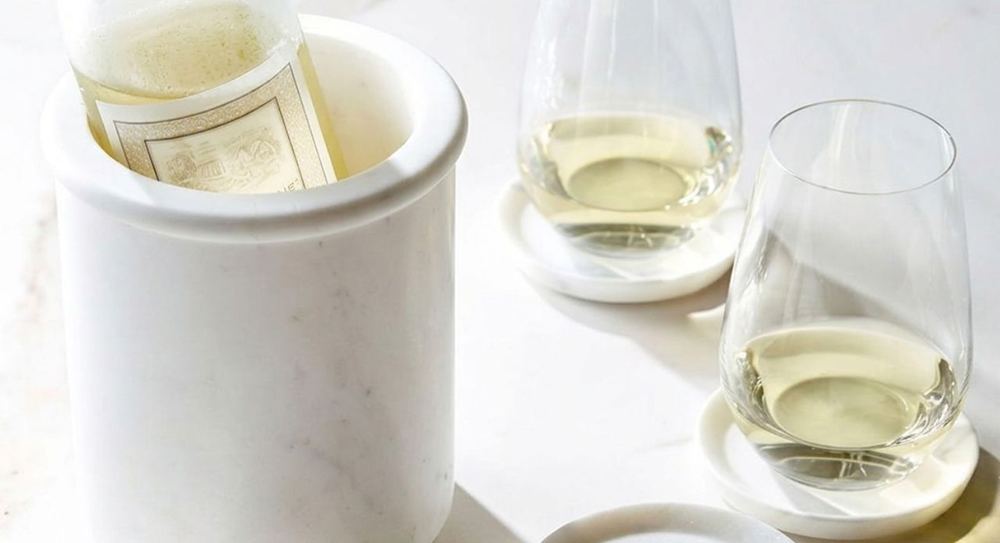
A modern alternative, stemless glasses are versatile and casual. They’re easier to handle and store, though they offer less control over temperature since hand contact warms the wine more quickly. Popular for informal gatherings and contemporary home settings.
Ultimately, wine glasses are not just vessels but quiet enhancers of experience. Whether it’s the structure of a Bordeaux glass or the sparkle of a flute, each shape fine-tunes how wine is perceived. Choosing the right glass isn’t about rules—it’s about elevating every sip with intention and pleasure.