

In an era marked by extreme weather and renewed attention to place, Tropical Modernism has emerged as one of contemporary architecture’s most inspiring and humane movements. Rooted in modernist ideals yet deeply responsive to climate and culture, this architectural approach blends innovation with intuition — rethinking the relationship between buildings, environment, and human comfort.
Origins: Modernism Meets the Tropics
Tropical Modernism took shape in the mid-20th century, as architects trained in modernist principles began working across equatorial regions of Asia, Africa, and Latin America. Modernism, with its emphasis on functionalism, geometric purity, and new technologies, initially struggled in hot, humid climates where buildings needed shade, ventilation, and connection to the outdoors. Tropical Modernism emerged as an answer — a synthesis of progressive design and deep climatic understanding.
Pioneers such as Geoffrey Bawa in Sri Lanka and Charles Correa in India started asking new questions: How can sun, wind, rain, and landscape become part of design rather than obstacles to comfort? The result was architecture that was light, open, and generous — cool without mechanical air conditioning, socially engaging, and visually effortless.
Design Principles: Sensory, Sustainable, Site-Sensitive
At its core, Tropical Modernism is an architecture of intelligent adaptation. Buildings are carefully oriented to harness prevailing winds and shield interiors from harsh sunlight, often through deep overhangs, brise-soleil screens, and expansive verandas that create protective buffers between indoors and outdoors. Rather than sealing occupants inside climate-controlled boxes, the design encourages natural ventilation, allowing air to circulate freely through open plans, courtyards, and breezeways. Spatial boundaries are intentionally porous, dissolving walls into gardens, terraces, and shaded pavilions so that nature becomes an extension of the living environment. Materials are chosen not only for aesthetic appeal but also for their thermal performance, with local stone, brick, timber, and concrete left exposed to celebrate texture and authenticity. Water bodies, reflective pools, and landscaping are frequently integrated to cool surrounding air and enhance sensory comfort. Above all, Tropical Modernism prioritizes human scale and social interaction, creating spaces that feel generous yet intimate — architecture that breathes, responds, and belongs to its place rather than dominating it.
Also Read: Indian Architects Who Redefined Global Architecture
Why It’s Trending Today
Tropical Modernism is enjoying a powerful resurgence because its philosophy aligns seamlessly with the defining concerns of our time. As global temperatures rise and energy consumption becomes a pressing issue, architects and developers are turning back to passive design strategies that minimize reliance on mechanical cooling systems. The movement’s emphasis on cross-ventilation, shading devices, and climate-responsive orientation offers practical solutions that feel both elegant and responsible. At the same time, there is a growing cultural shift toward biophilic design — a desire for homes and public spaces that foster deeper connections with nature. Tropical Modernism delivers this instinctively, dissolving boundaries between interior and exterior while integrating water, greenery, and natural light as central design elements rather than decorative afterthoughts. In rapidly urbanizing regions across Asia, Africa, and Latin America, the style also represents a confident assertion of local identity, moving away from anonymous glass towers toward architecture that respects geography, craft, and tradition. Ultimately, its renewed popularity stems from a simple yet profound truth: Tropical Modernism creates buildings that are sustainable, culturally rooted, and sensorially rich — qualities that feel less like trends and more like necessities in the twenty-first century.
Top 5 Iconic Tropical Modernism Buildings & Their Architects
Kandalama Hotel (Sri Lanka) – Geoffrey Bawa
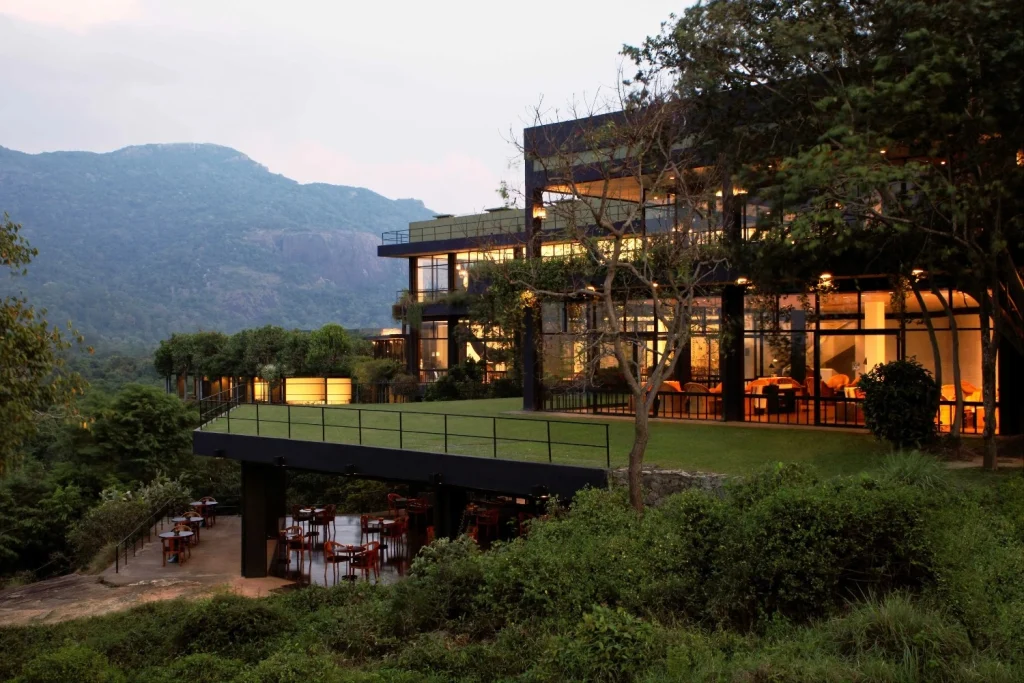
Perched into the cliffs near Dambulla, this hotel blurs the line between built form and jungle. Bawa’s masterstroke was to embed the structure into the landscape, allowing nature — rainforests, birds, and water bodies — to animate every space. It has become a pilgrimage site for architects inspired by site-based design.
Jawahar Kala Kendra (Jaipur, India) – Charles Correa
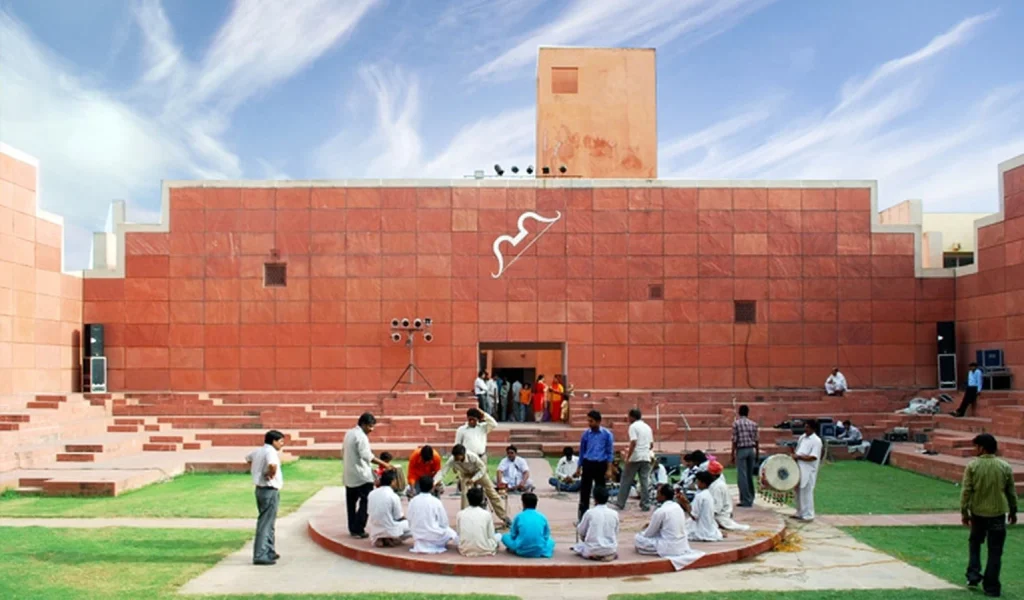
A cultural center conceived around traditional Indian spatial planning and climatic logic. Correa’s design marries courtyards, shaded arcades, and interlocking volumes to facilitate social interaction while mitigating Rajasthan’s sweltering sun.
National Parliament House (Dhaka, Bangladesh) – Louis Kahn
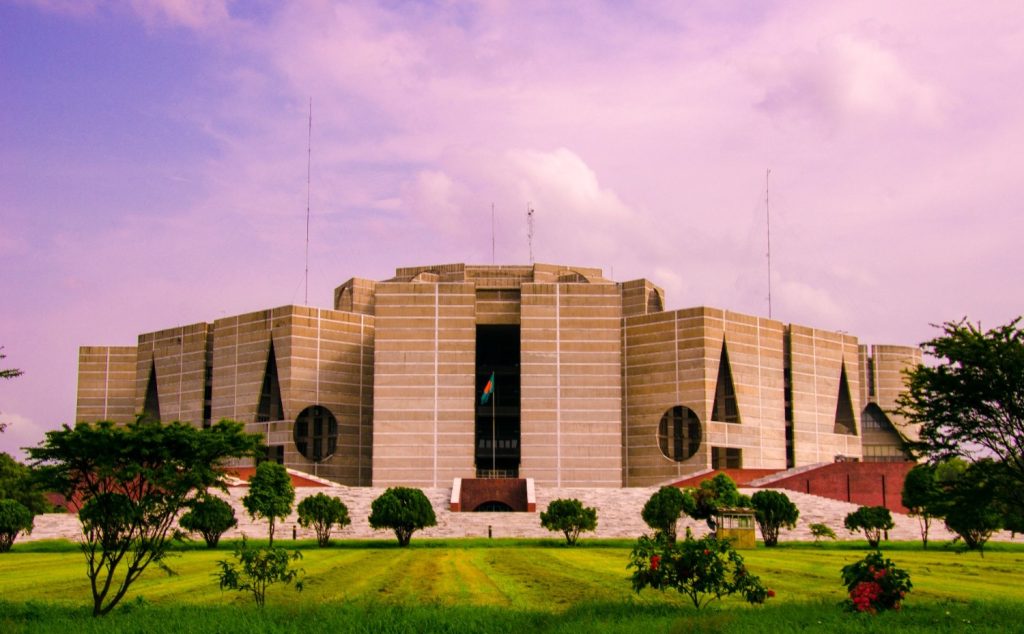
While not strictly tropical regionalist in the local vernacular sense, Kahn’s monumental parliament building responds powerfully to Bangladesh’s climate, using massive geometric forms, shaded apertures, and water elements to temper heat and create contemplative spaces.
Sri Lankan Parliament (Sri Jayawardenepura Kotte, Sri Lanka) – Geoffrey Bawa
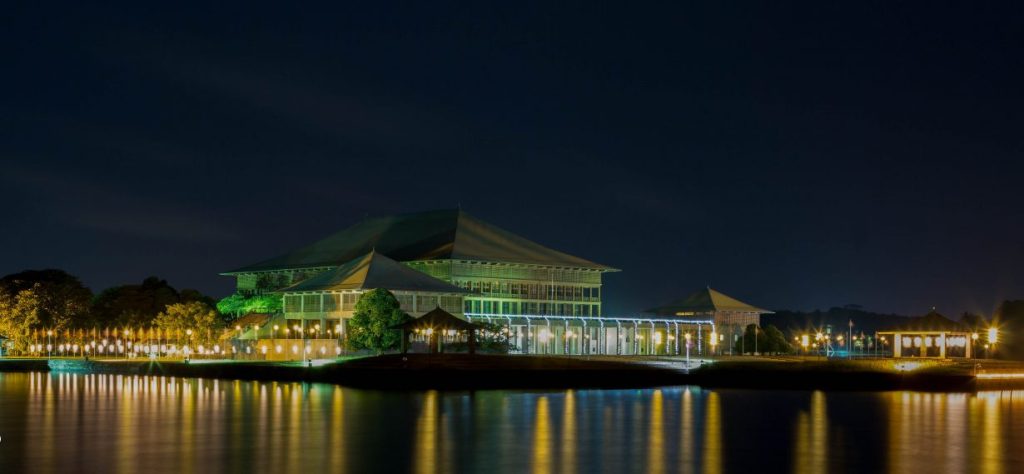
Another of Bawa’s masterpieces, this building floats like a pavilion amidst a man-made lake, embracing cross-ventilation, shaded walkways, and lush landscaping to achieve serenity and climate comfort.
SESC Pompéia (São Paulo, Brazil) – Lina Bo Bardi
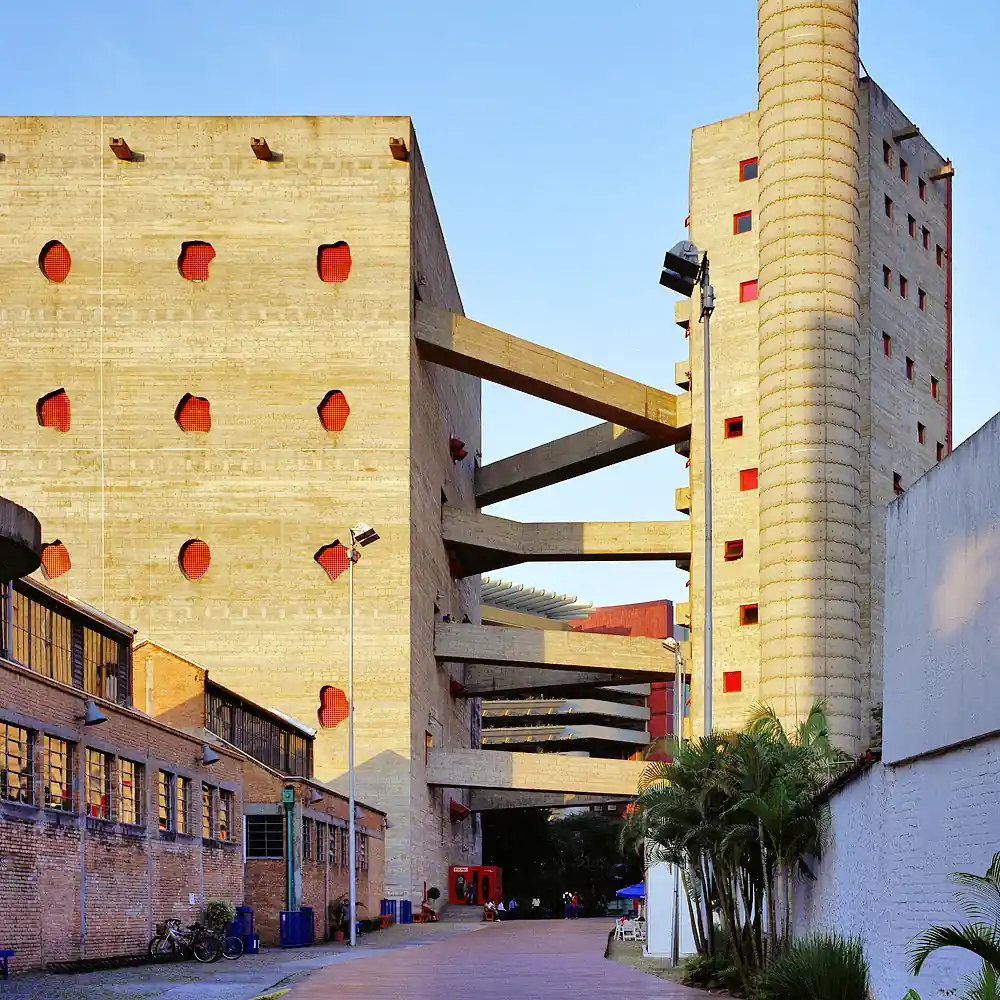
A landmark of socially responsive Tropical Modernism, SESC Pompéia transformed a former factory into a vibrant cultural and community complex. Lina Bo Bardi preserved the industrial shell while introducing bold concrete towers connected by dramatic aerial walkways. Designed for São Paulo’s tropical climate, the project incorporates shaded courtyards, cross-ventilation, and open communal spaces that encourage public interaction. More than a building, it is a democratic urban organism — raw, climate-aware, and deeply human — embodying Tropical Modernism’s belief that architecture should serve both environment and society.