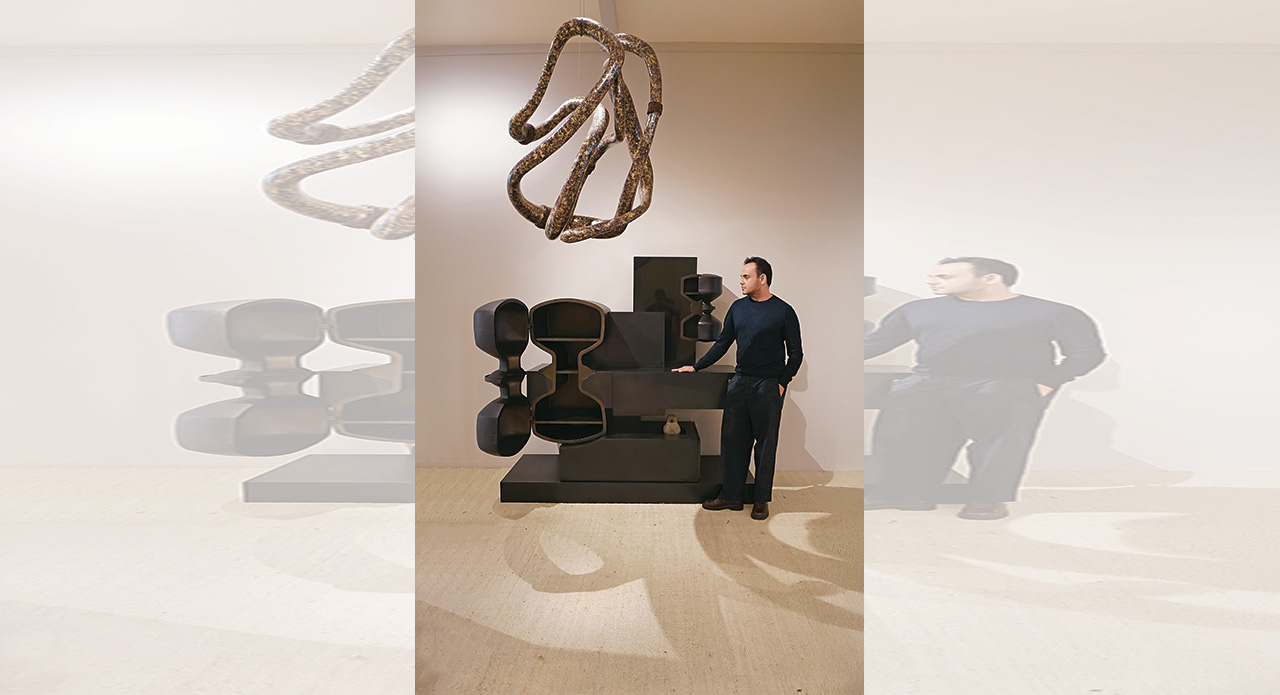


Can a chair appreciate like a painting? Can a table hold cultural value?
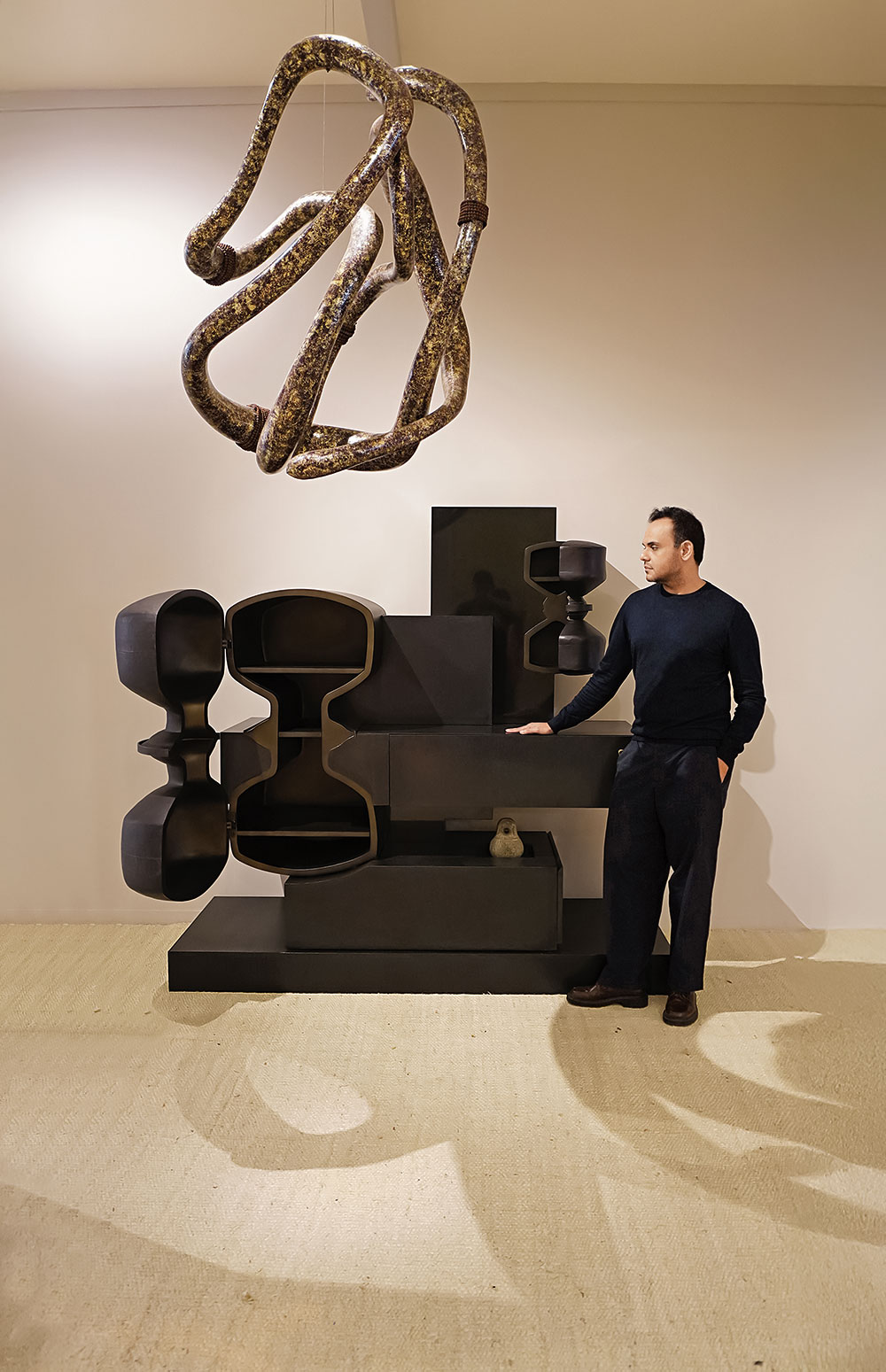
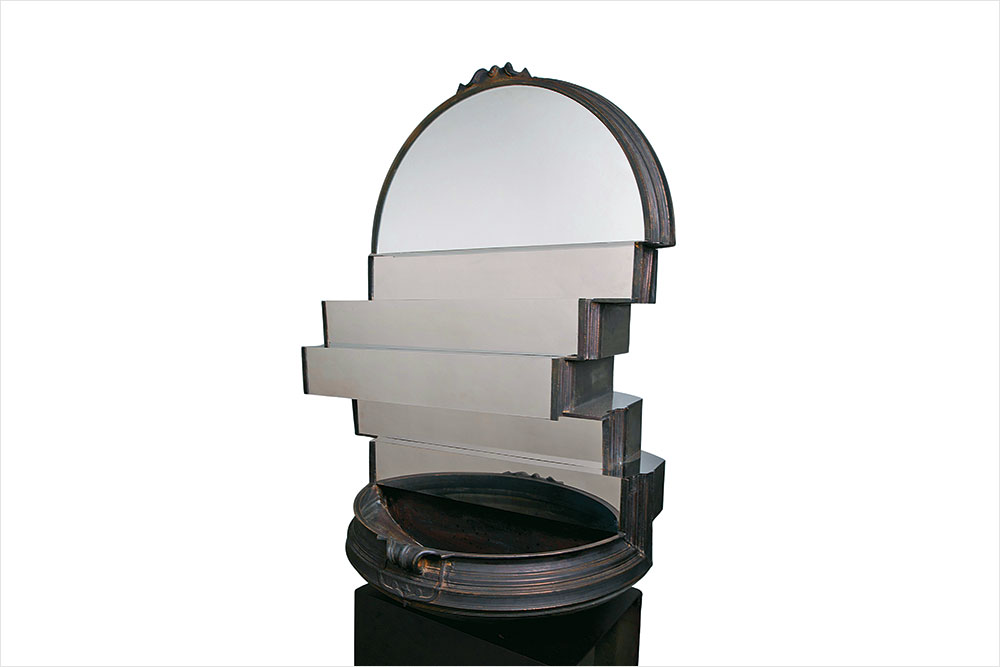
“Furniture stops being décor when it carries a clear conceptual intention and when the maker’s voice becomes central to the object. At that point, the piece moves beyond function and begins to operate as a work of thought and expression,” says Mumbai-based Ashiesh Shah, principal and founder of Atelier Ashiesh Shah. His pieces are not just functional furniture. They are conceived as limited-edition, gallery-worthy works, often shown alongside art.
Shah is among the few Indian designers represented by international galleries such as Carpenters Workshop Gallery, placing Indian design within a global collectible context.
For decades, luxury furniture in India existed within the framework of interiors—objects to be admired, commissioned, and consumed. But today, furniture has entered the blue-chip collectible market much as art, gold, real estate etc. Few designers embody this transition as distinctly as Shah who is shaping India’s collectible design movement.
Can furniture be investment rather than pure function. Says Shah- “Yes, increasingly collectors approach design in a similar way to art. They look for authorship, narrative, and rarity. Many of the collectors we work with are deeply engaged in the cultural ecosystem of art and design. They are not just acquiring an object for utility, but for the ideas it carries. What they respond to most is a clear point of view and the sense that the work comes from a thoughtful and rigorous process.”
For Shah, however, this journey did not begin in a design studio. It began in a dental clinic. “I come from a family of doctors, so dentistry was a natural path,” he says. “But quietly, there was always a creative current I couldn’t ignore.”
It is a telling starting point. Dentistry, after all, is a discipline defined by precision, proportion and an almost obsessive attention to detail. Shah credits it for shaping his approach. “I was the child who drew instinctively, who noticed form and proportion long before I had words for either. Dentistry gave me discipline and a deep intimacy with detail, the precision of working at close range, of getting things exactly right. But my imagination kept pulling elsewhere, toward space, material, light, and atmosphere. Stepping into design wasn’t a departure. It felt more like a return, to something I had always been. An artist at heart, who had simply been waiting for the right medium.”
When Indian Design Enters the Global Conversation
For decades, India’s craft traditions have been admired, but often positioned within a nostalgic or heritage lens. What is changing now is the framing. “This is about Indian materiality and craft entering a global dialogue as something contemporary,” Shah explains. “Not as something preserved, but as something evolving.”
Shah is among a small group of Indian designers represented by Carpenters Workshop Gallery, a platform known for shaping the global discourse around collectible design. The significance of that association extends beyond individual achievement. “The gallery has played a critical role in defining what collectible design means globally,” Shah says. “To be included in that context is an acknowledgement of the direction we have been pursuing.”
Craft as Contemporary Language
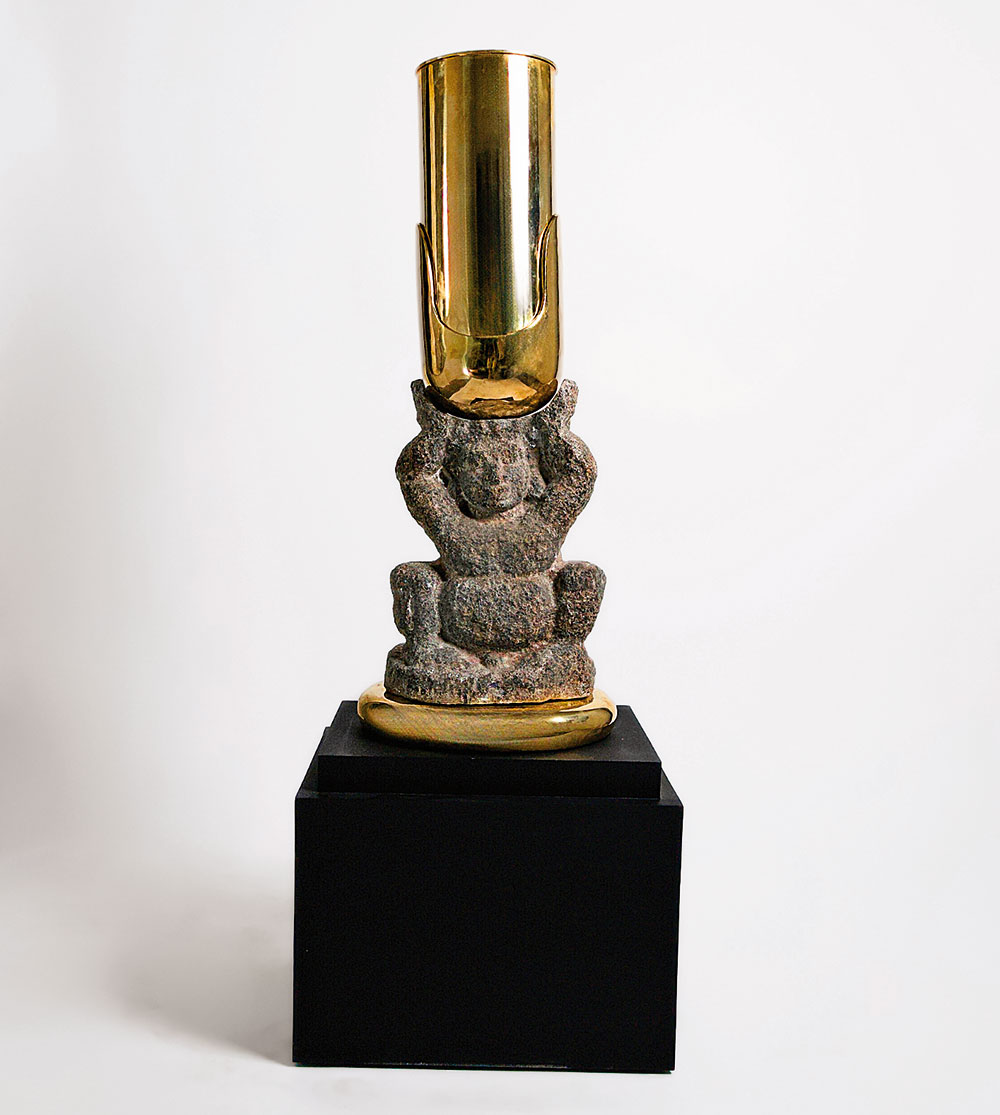
India’s design vocabulary has always been rooted in craft — from stone carving and metalwork to weaving and woodcraft. What has changed is how these traditions are being interpreted. “Global collectors today are drawn to authenticity,” Shah says. “They are interested in material integrity and cultural depth.”
At Atelier Ashiesh Shah, this translation from tradition to contemporary form is neither literal nor decorative. It is exploratory. “The process always begins with dialogue,” he explains. “The idea is not to replicate tradition, but to extend it.”
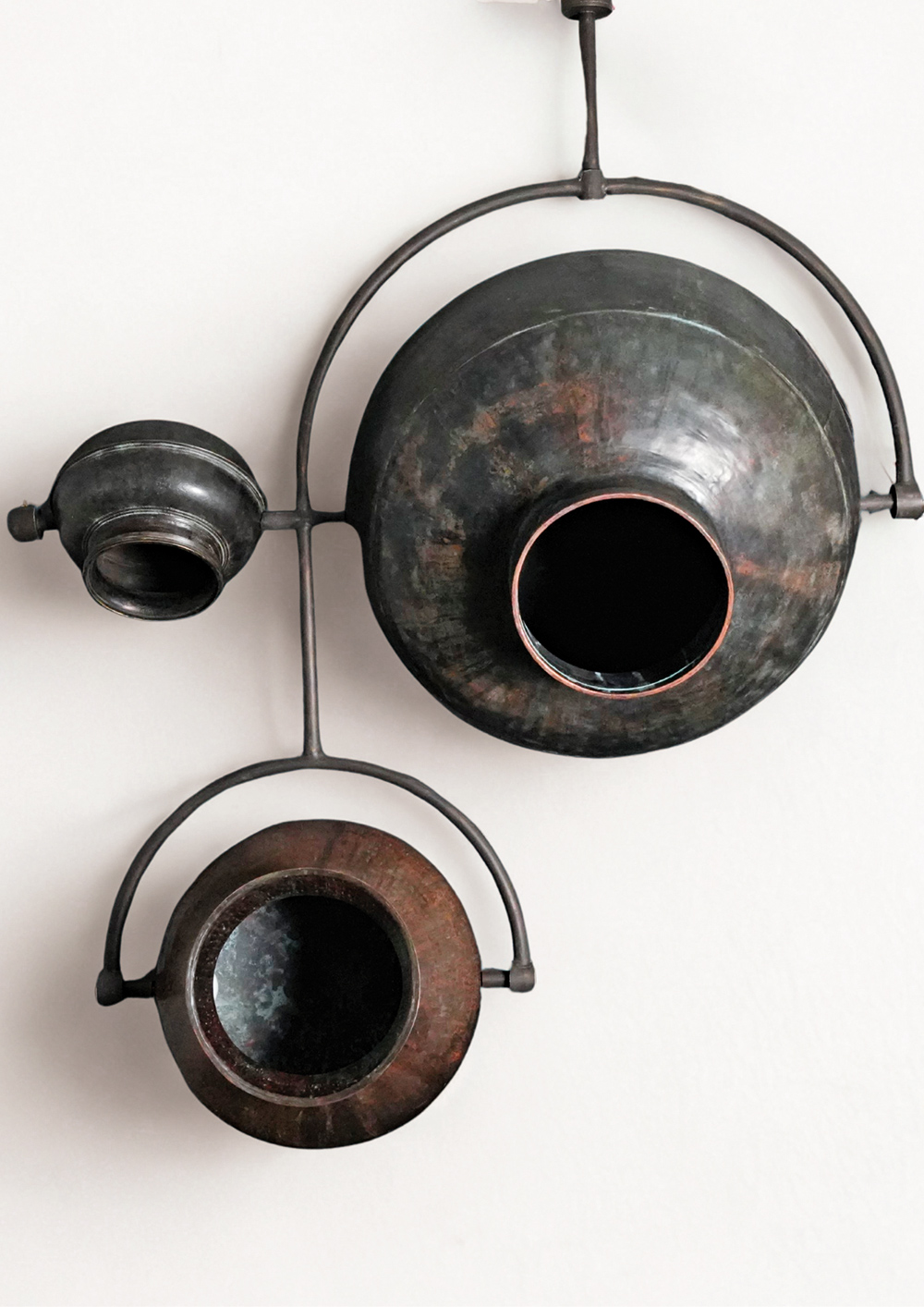
This might mean reworking scale, introducing new geometries or pushing materials beyond their conventional use. The result is not craft in its original form, but craft reimagined. The atelier works closely with artisans across India — from Longpi pottery in Manipur to Channapatna woodcraft in Karnataka and Dhokra metal casting in Chhattisgarh. These are not just techniques; they are living systems of knowledge. What makes them relevant today is not preservation, but evolution.
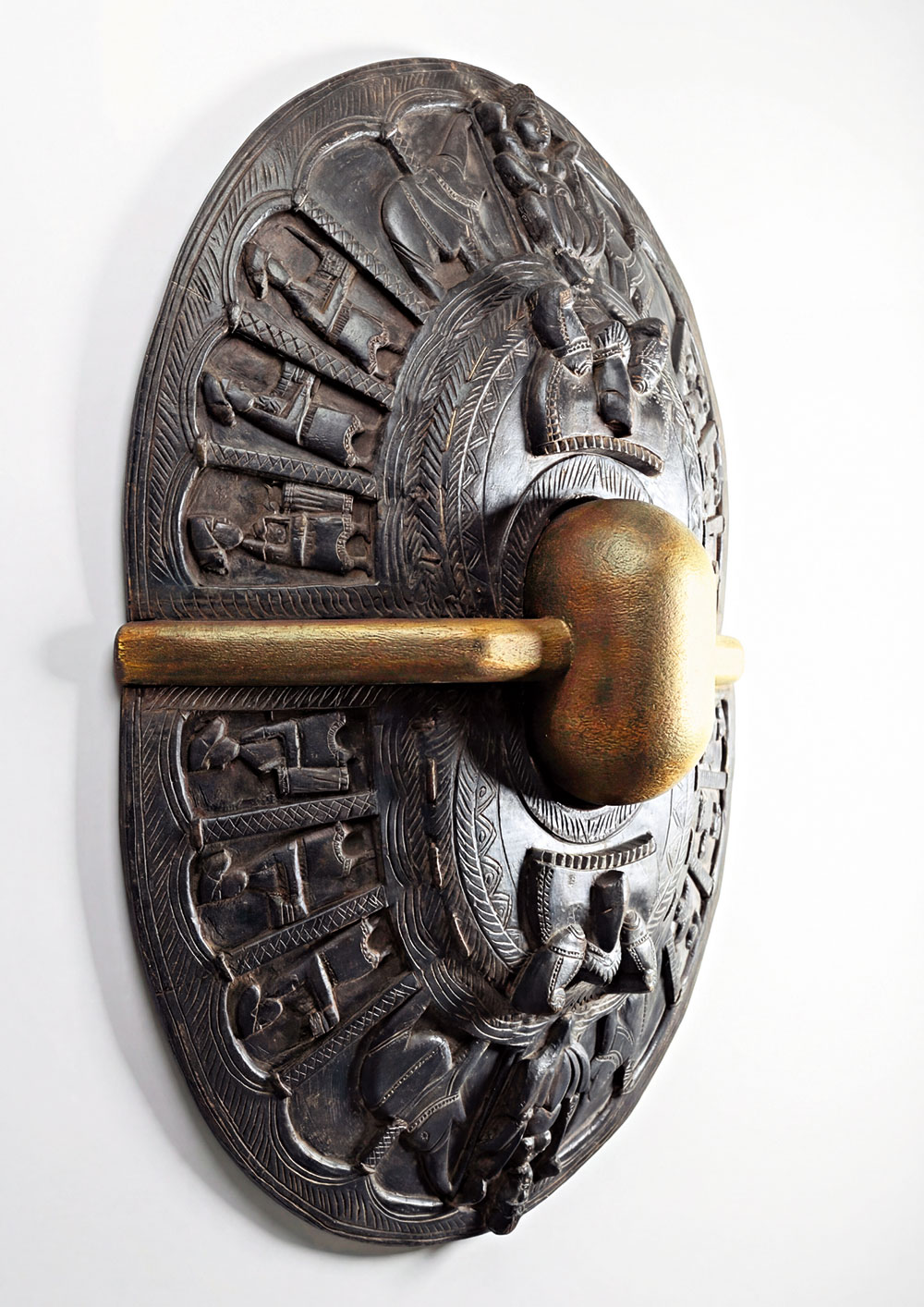
Can Design Appreciate Like Art?
This naturally raises another question: can design objects appreciate in value the way artworks do? Globally, the answer is already visible.
“Objects with strong authorship and limited production do acquire value over time,” Shah says. “We have seen this across the collectible design market.”
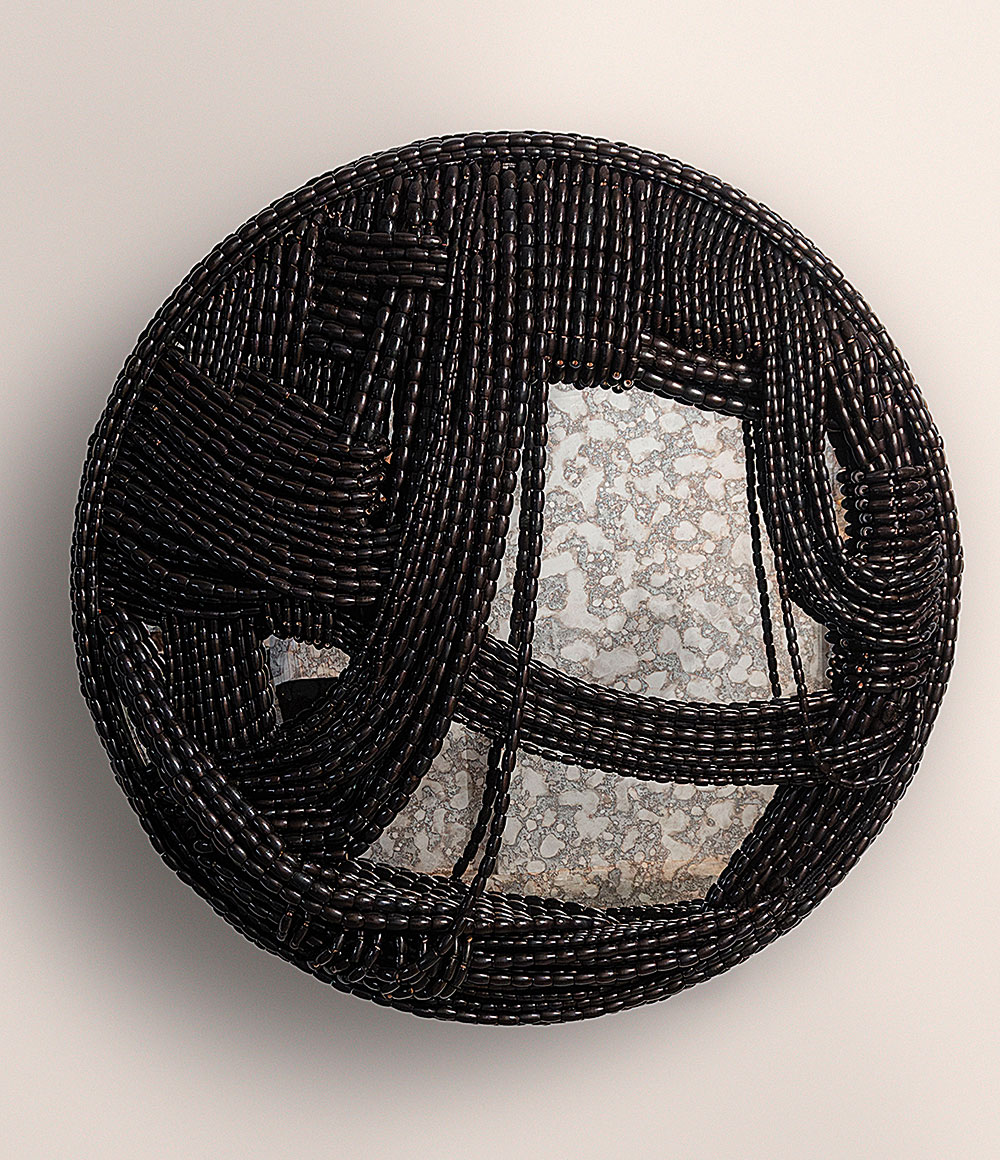
In India, this space is still emerging, but the fundamentals are in place. The value of such objects lies not only in their physical form, but also in what they embody — labour, knowledge, cultural lineage and time. A handcrafted object, especially one rooted in traditional technique, carries layers of meaning that extend beyond its immediate use. In that sense, it’s worth is not just as an accessory but as an asset which stands for legacy.
Building a Global Design Voice
For Indian designers aspiring to enter the global circuit, Shah’s advice is both simple and demanding. “Develop an authentic voice,” he says. “Global audiences respond to clarity of thought, not imitation.” Equally important is patience.
Design, particularly collectible design, is not built overnight. It requires sustained engagement with material, process and context. “When you engage deeply with craft and culture, your work begins to stand apart,” Shah says. This is perhaps the most critical takeaway in a market often driven by trends. Authenticity is not a style. It is a position.
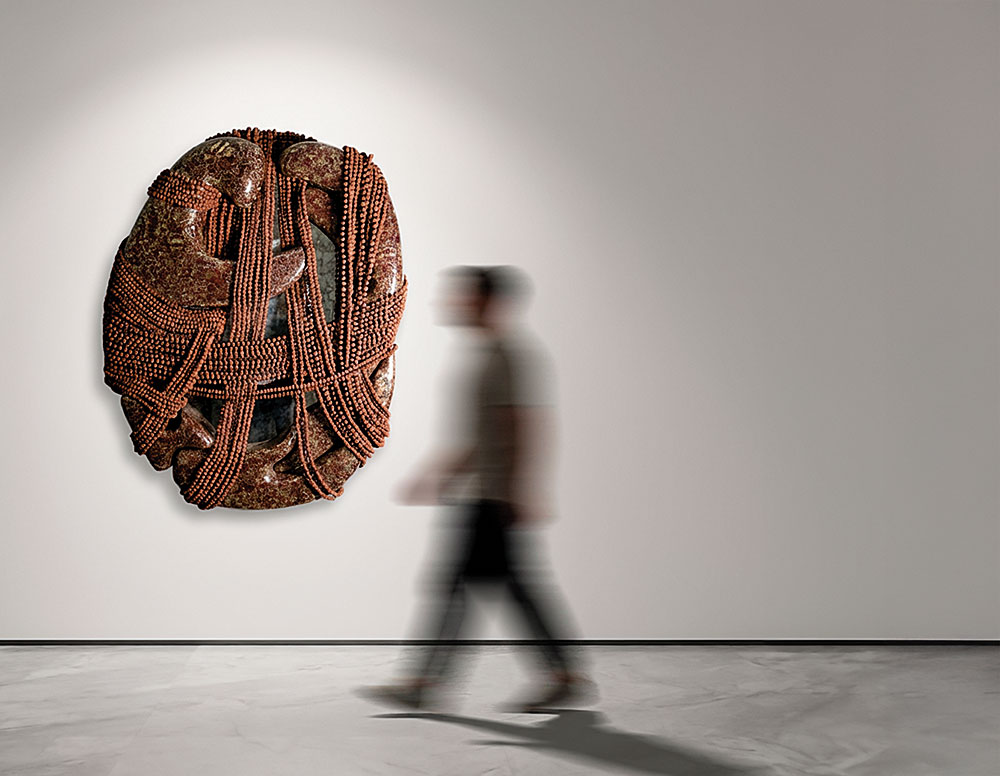
So what exactly does one acquire when buying a piece by Ashiesh Shah? “Something that sits between function and narrative,” he says. The object must exist within a space. It must serve a purpose. But it must also carry a story that extends beyond its use. “If the work is successful, it becomes part of a larger conversation,” Shah adds. “About design, craft and cultural identity.”
This is where the idea of cultural capital enters. A collectible design object is not just owned. It is referenced, discussed and contextualised. It reflects the sensibility of the collector as much as the vision of the maker.
The Atelier as Ecosystem
Founded in 2017, Atelier Ashiesh Shah was conceived as more than a design studio. It is, in Shah’s words, a space to “blur the boundaries between art and design.”
The atelier brings together artists, craftsmen and designers into a collaborative ecosystem. Its aesthetic is deeply influenced by the Japanese philosophy of Wabi-Sabi — an appreciation of imperfection, material honesty and the passage of time.
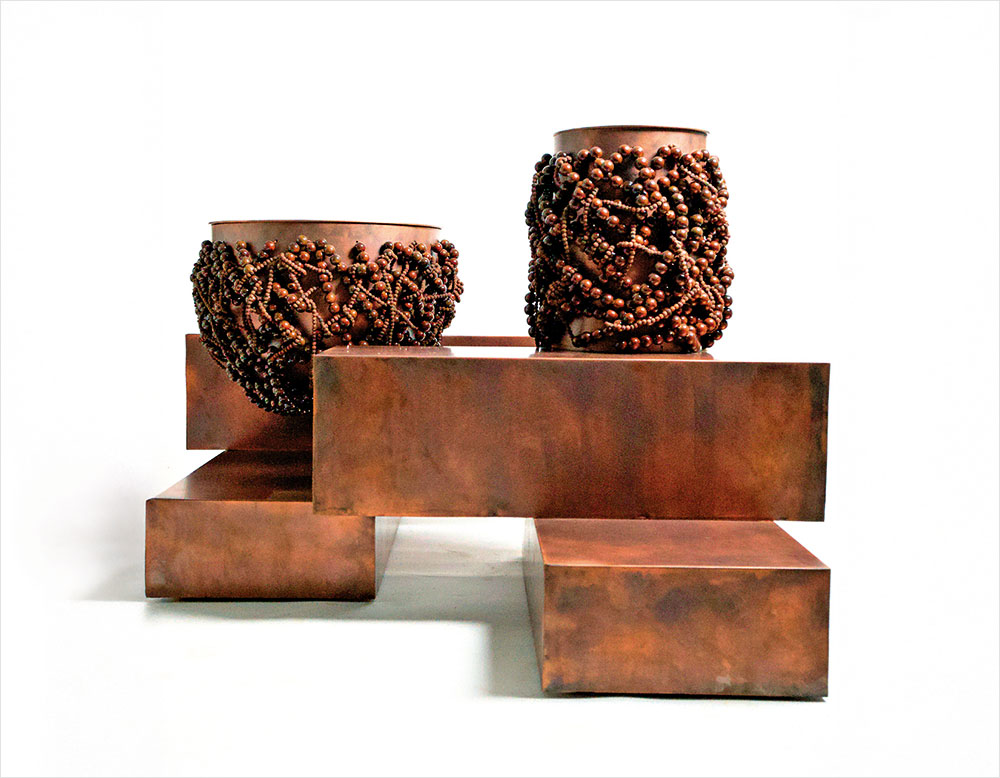
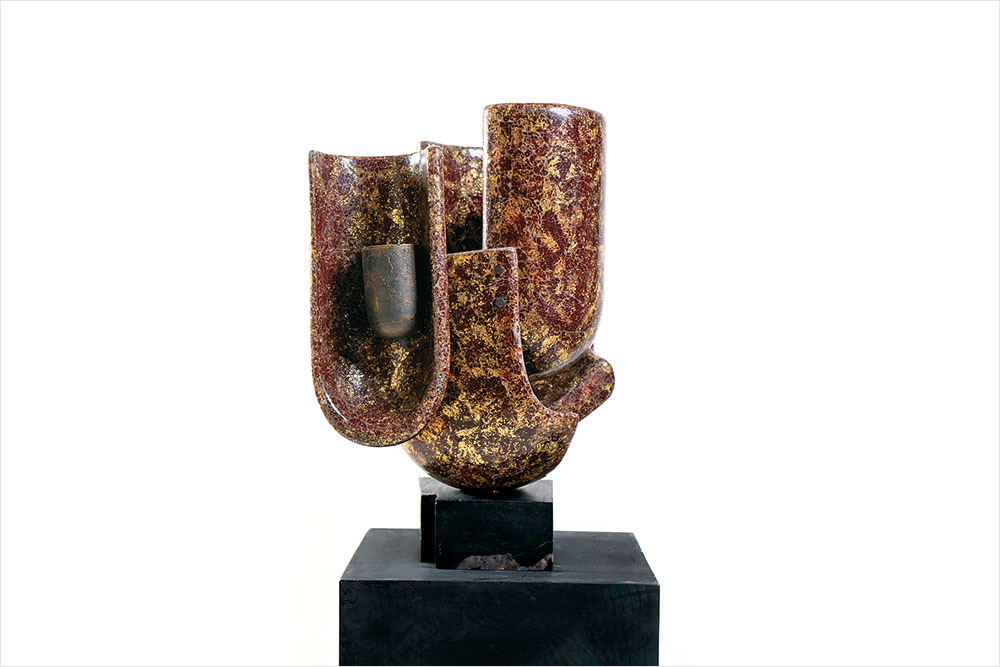
This is evident in the work. Surfaces are not always polished. Forms are not always symmetrical. There is an intentional restraint. The result is a body of work that feels both grounded and contemporary — rooted in Indian craft, yet aligned with global design sensibilities.
A Larger Moment for Indian Design
Shah’s trajectory reflects a broader shift within Indian design. There is increasing institutional recognition — from participation in global exhibitions to representation at international galleries. Initiatives such as the India Design Fund and curated showcases at platforms like the G20 Culture Working Group signal a growing alignment between design, policy and cultural positioning.
At the same time, artisanship is being seen not just as tradition, but as innovation. For years, luxury in India was about size, finish and price. That is now changing.
Collectible design is less about how something looks, and more about what it represents. The most valuable pieces are often the quietest ones — but with the strongest stories. As craft, contemporary design and global exposure come together, a new space is emerging — where India is not just part of the design conversation, but helping shape it.