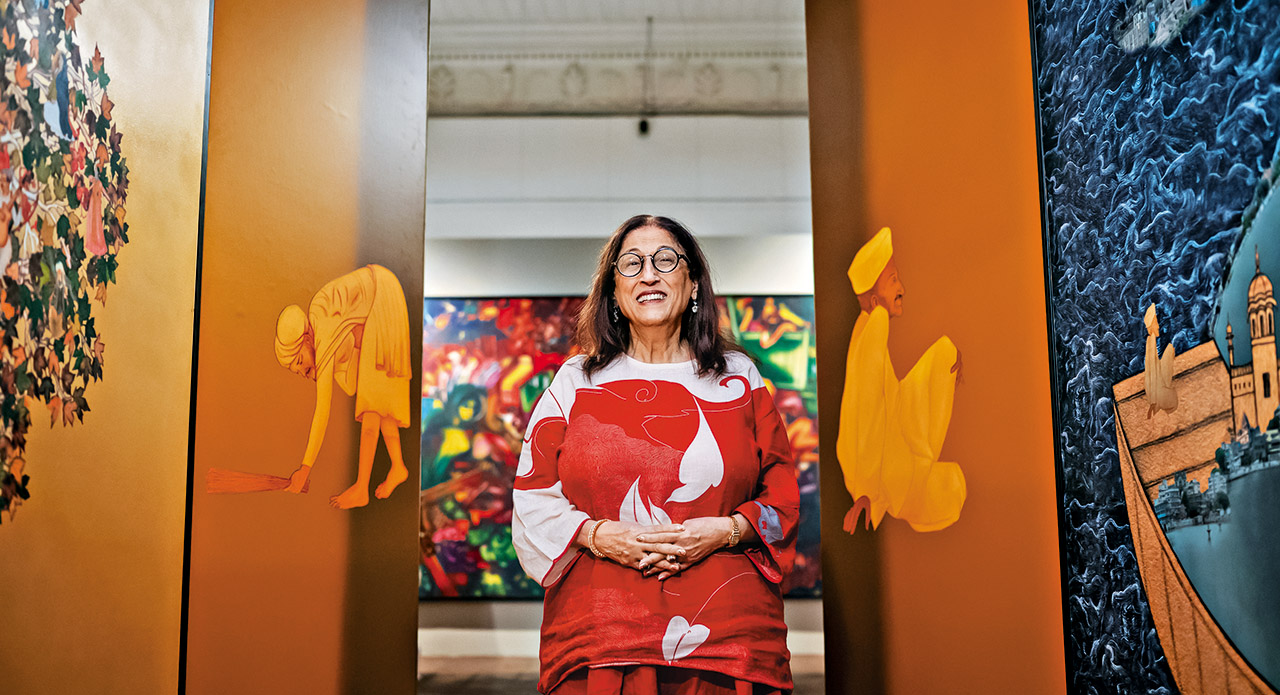


There are moments in a country’s cultural journey that feel less like events and more like inflection points. For decades, India has had artists, collectors. What we did not have at scale was the institutional framework that could hold all of this together. Museums that could sustain memory, archives that could build scholarship, spaces that could make art part of public life rather than private privilege. That gap, today, is beginning to close. And at the centre of that shift is the Kiran Nadar Museum of Art (KNMA).
The Instinctive Beginning
What makes Nadar’s journey interesting for me is not just what she has built, but how she arrived at it. “I did not come to art through any formal training,” she tells me. Her relationship with art began not in classrooms, but in observation – in time spent in galleries, in artists’ studios, in conversations, and in the quiet act of living with works at home. It is a sensibility shaped not by theory, but by instinct.
Among the earliest works she acquired were pieces by M. F. Husain, S. H. Raza, Manjit Bawa and Rameshwar Broota. “I was responding purely to feeling then, without analysis,” she recalls. Husain’s work carried “an extraordinary energy and immediacy”, while Broota’s Runners became one of her earliest and boldest acquisitions. And that decision “we decided to live with it” reveals something fundamental. Art, in her world, is not meant to be admired from a distance but is meant to be lived with, to unsettle, engage and evolve over time.
As her collection grew, so did a quiet uneasiness. Many of the works she had acquired remained in storage. That is where the shift began. “I began collecting from a deeply personal place,” she says. “But as the collection grew, so did a discomfort that was difficult to ignore. The majority of these works remained in storage, unseen.”
It was from that practical frustration, rather than any grand design, that the idea of a museum first took shape, she shares. “The work existed. The artists existed. But the infrastructure to show, sustain and contextualise that work simply was not there.” The Kiran Nadar Museum of Art, then, was not a departure from collecting. It was its continuation—anchored in a larger sense of obligation to artists, history and audiences. It was from practical frustration rather than any grand design that the idea of a museum first took shape
Feeling First, Then Scholarship
What is striking about Nadar is that she does not dismiss instinct. She protects it. “Instinct is always where it begins,” she says. “There has to be an immediate emotional connection.”
At the same time, she is clear that institutional collecting demands something deeper. “When you are building a collection for an institution, instinct alone is not sufficient,” she explains. “The work has to earn its place not just through feeling, but through understanding.”
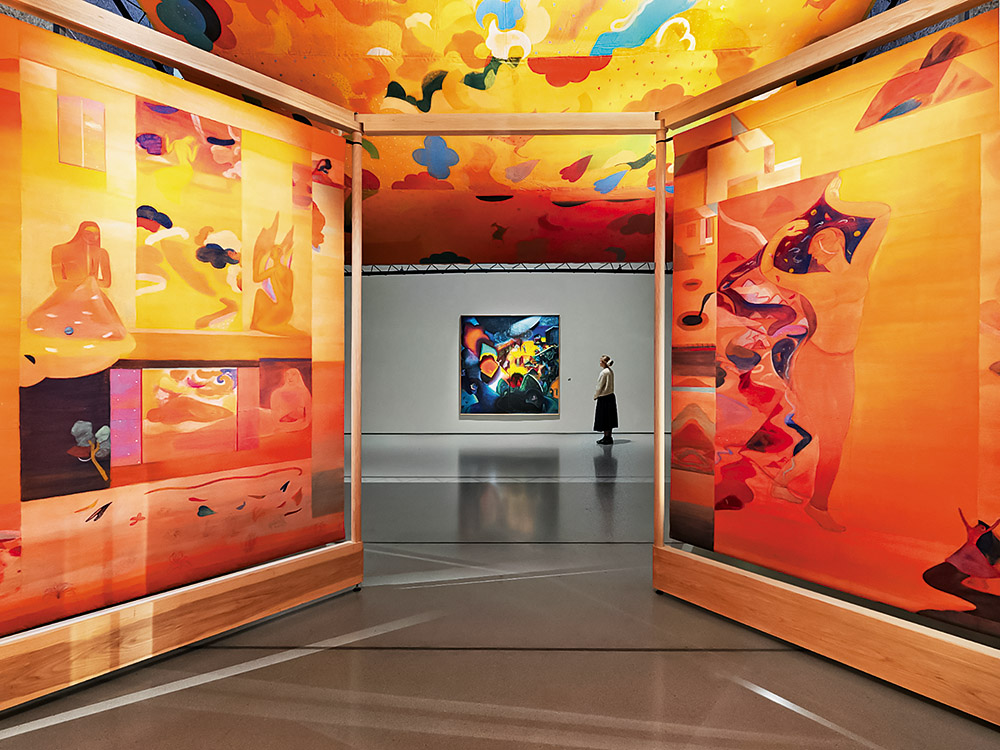
That process involves scholarship, historical context and curatorial rigour. Acquisition decisions at KNMA are rarely taken in isolation. “The best acquisitions tend to be those where instinct and scholarship arrive at the same answer,” she says.
The New Museum
Location of the upcoming third KNMA museum (apart from Saket-Delhi and Noida ones) is central to its ambition of art becoming mainstream. “Finding a space of this scale within the city was not straightforward,” Nadar says adding, “The site on NH-8, between Delhi and Gurugram and close to the airport, felt like the most considered solution. But the location is not incidental. That corridor carries much of the new energy of the city, and accessibility has always been core to what KNMA stands for. An institution of this ambition has to be reachable, both for the communities it serves and for the international visitors and collaborators it hopes to engage.”
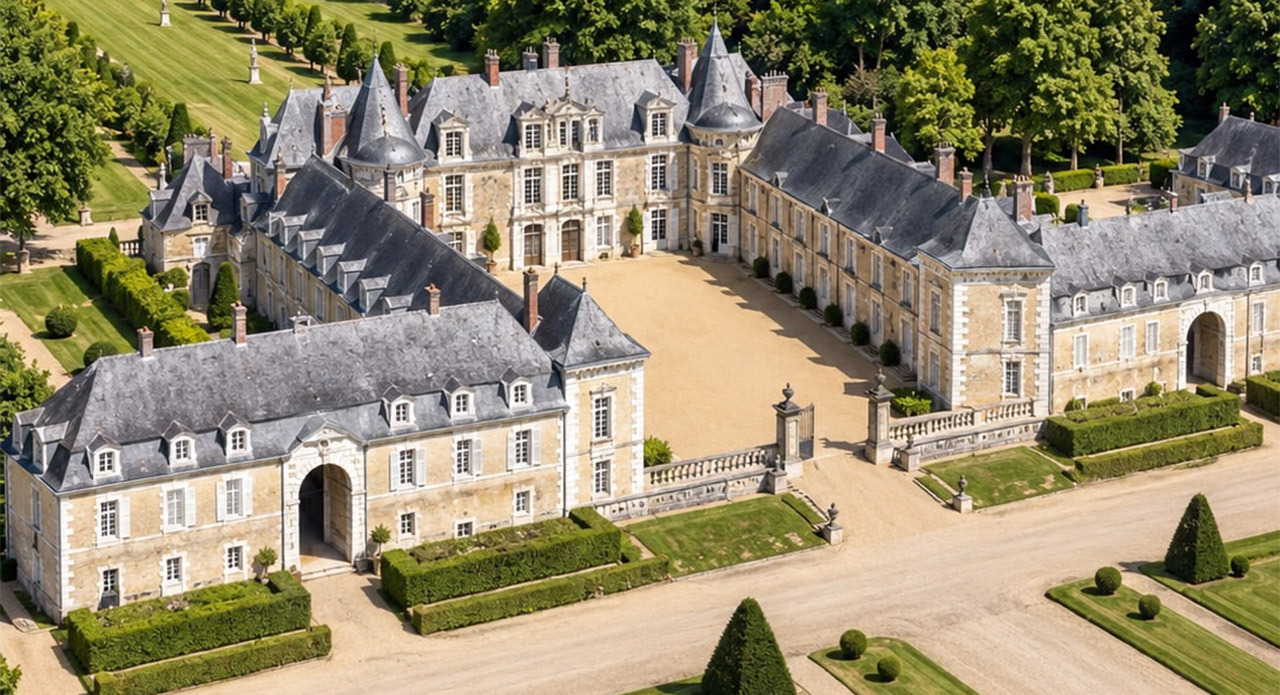
The museum, expected to open in the next couple of years, is spread across nearly a million square feet and envisioned as one of South Asia’s largest cultural centres. But Nadar is careful not to reduce the ambition to sheer scale. “Size is not the point,” she says firmly. “What we are trying to build is continuity: for artists, for scholarship, and for audiences who deserve a permanent, serious home for this work.”
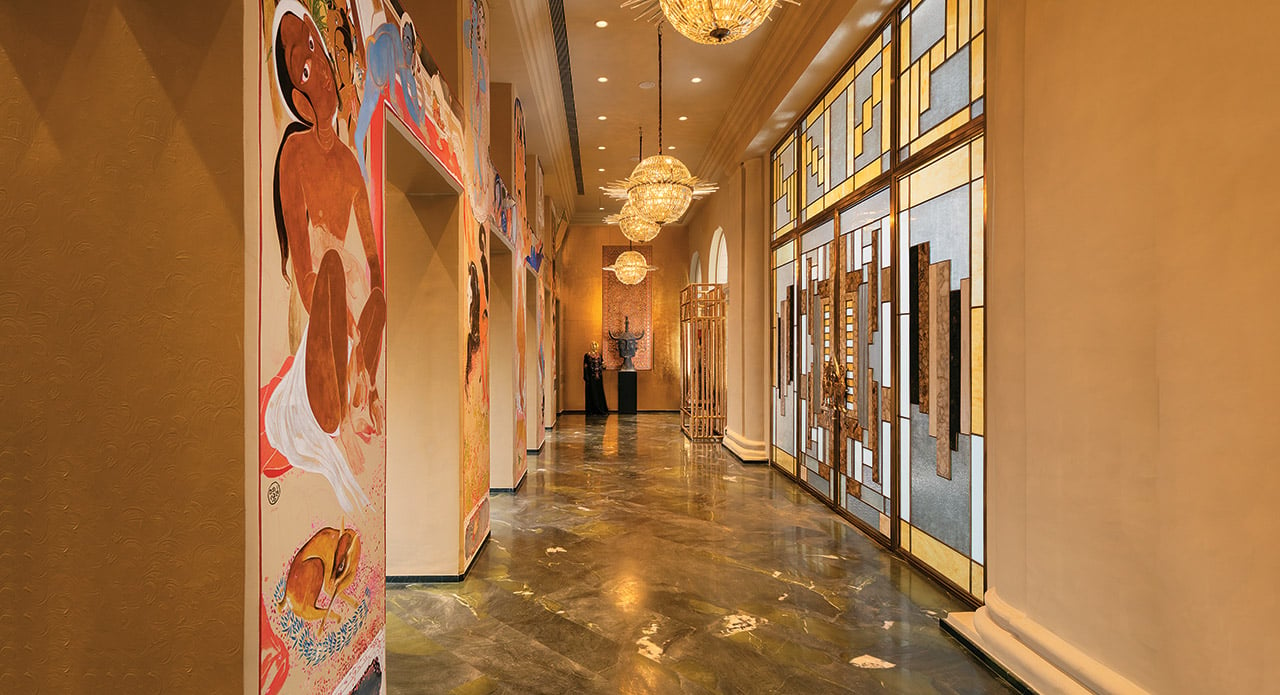
The museum will bring together visual art, performing arts, education, research, archives and public programming within one integrated space. There will be galleries, auditoriums, libraries, archives and public areas intentionally designed to feel welcoming rather than intimidating.
“What we are building is not simply a larger museum,” she says. “It is an attempt to create the kind of institution that places culture at the centre of public life.”
A Fuller Story of Indian Art
Over time, her understanding of Indian art itself has expanded. “I have developed a deep interest in classical Indian art, court paintings, temple sculptures, the visual traditions that preceded and shaped the modernists I had been collecting for decades,” she says. That shift altered how she saw the collection itself. “It is no longer a set of individual practices,” she reflects. “It becomes a continuous conversation across centuries.”
For Nadar, expanding the lens of what constitutes art has become increasingly important. “Folk and tribal art is an area we have been paying serious attention to,” she says. “These traditions carry extraordinary visual intelligence and a relationship to material and narrative that is entirely their own.” What unsettles her is how they have been historically positioned. “They have often been treated as craft rather than art, as ethnographic interest rather than aesthetic achievement,” she points out. “That distinction has always troubled me.” Culture communicates what policy and commerce often cannot. Nuance, complexity, identity, the interior life of a civilisation
At KNMA, that thinking is now shaping the collection itself. “What we are trying to build is a narrative of Indian art that is genuinely comprehensive,” Nadar adds. “One that does not privilege certain practices over others. The depth and diversity of this country’s visual culture deserves to be seen whole, and the new space will finally allow us to attempt that.”
India in Global Art Spaces
The conversation naturally moves to India’s place in the global art world. “I do believe we are at a significant moment,” Nadar says. Indian artists today are entering international conversations with greater consistency and confidence. Major exhibitions, museum acquisitions and biennales no longer feel like isolated breakthroughs. There is momentum now.
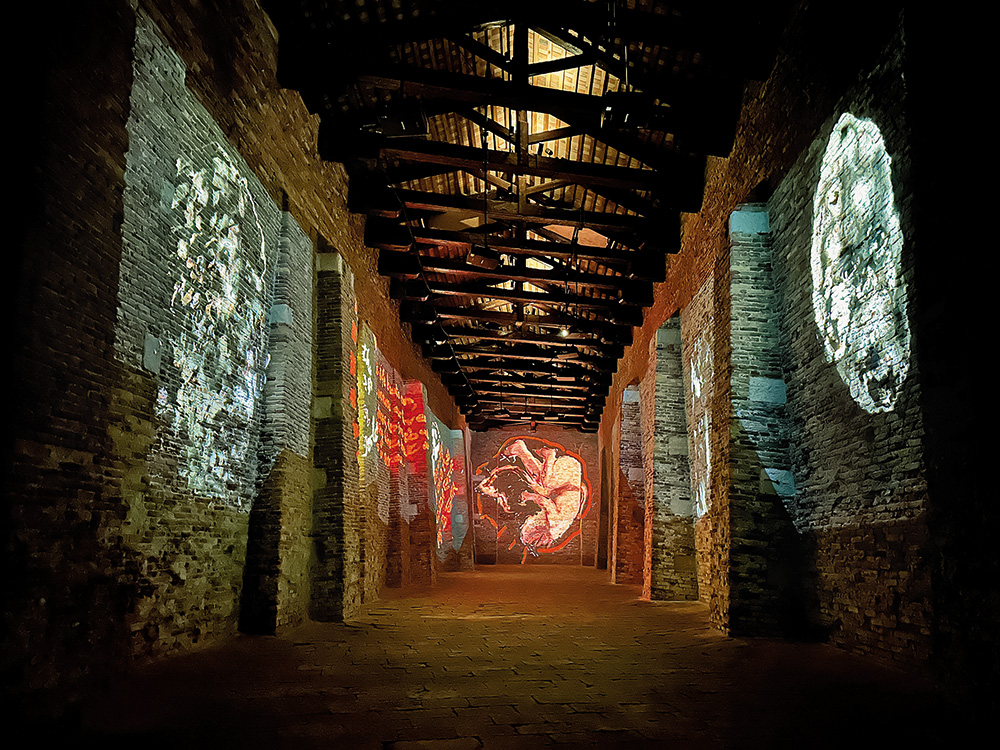
At the Venice Biennale, KNMA returned this year with an Official Collateral project presenting Nalini Malani’s Of Woman Born. Dayanita Singh is showing at the State Archives while Amar Kanwar is at Palazzo Grassi. For Nadar, these are not standalone achievements but signs of a larger Indian visibility. KNMA’s collaborations with institutions such as the Barbican Centre, Qatar Museums, Public Art Fund and Museum of Modern Art are equally significant. “It has never been about seeking validation,” she says. “It has been about positioning Indian and South Asian art as a critical, necessary and present voice within international conversations.”
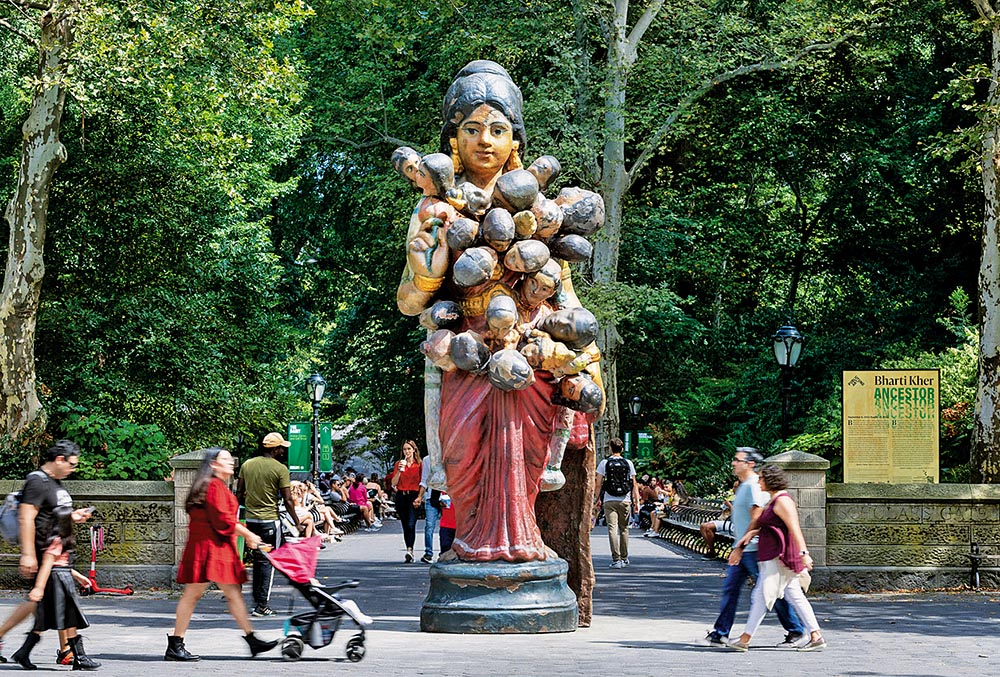
She pauses briefly before adding something that perhaps captures the larger significance of this moment. “Strong institutions are how civilisations hold their complexity over time.” And that, ultimately, is what makes this story larger than one museum.
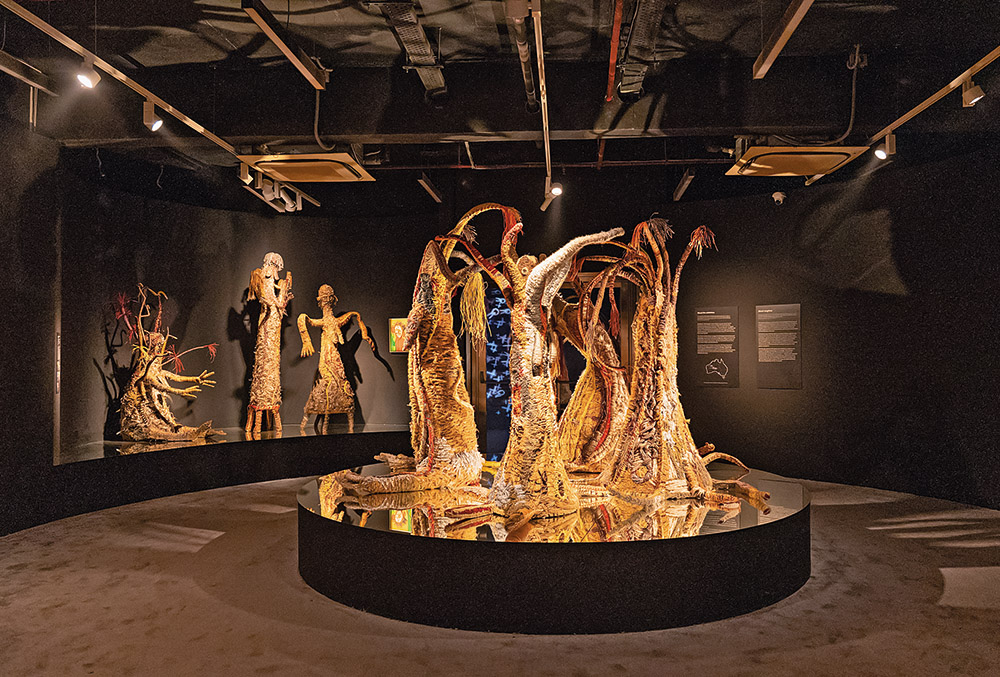
The same philosophy extends to exchanges within India. “These are not gestures of goodwill alone,” she says, referencing collaborations such as bringing Caravaggio to India or presenting Songlines: Tracking the Seven Sisters with the National Museum of Australia. “Cultural exchange has to move in both directions to have meaning.”
If this is India’s MoMA moment, it is not because KNMA seeks to imitate Museum of Modern Art in New York. It is because India is finally beginning to build institutions with the seriousness, scale and confidence that its art has always deserved.
Culture as India’s Next Voice
For Nadar, culture carries a different kind of power altogether. “Culture communicates what policy and commerce often cannot,” she says. “Nuance, complexity, identity, the interior life of a civilisation.”
But she is careful about reducing culture to the language of soft power. “I would frame it differently from the conventional understanding of soft power, which can imply a kind of strategic projection,” she explains. “What I believe in is something more reciprocal than that.”
“The legacy is not in question,” she says. “What has been missing is the institutional infrastructure to ensure these practices are properly represented, properly contextualised, and in genuine dialogue with the rest of the world.” For this to sustain, she believes, the commitment has to be long term. “It requires investment in artists, in scholarship, and in serious global partnerships,” she says. “When that commitment is present, cultural institutions do not just showcase art. They reshape how a country is understood,” she concludes.