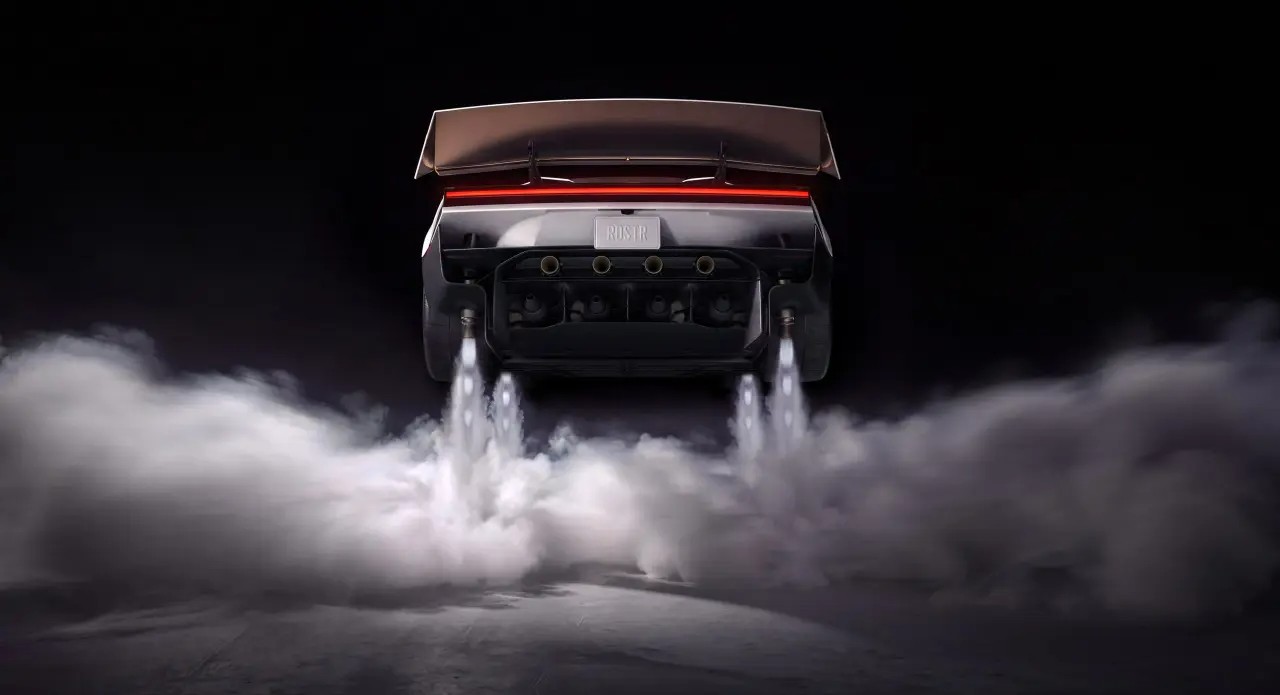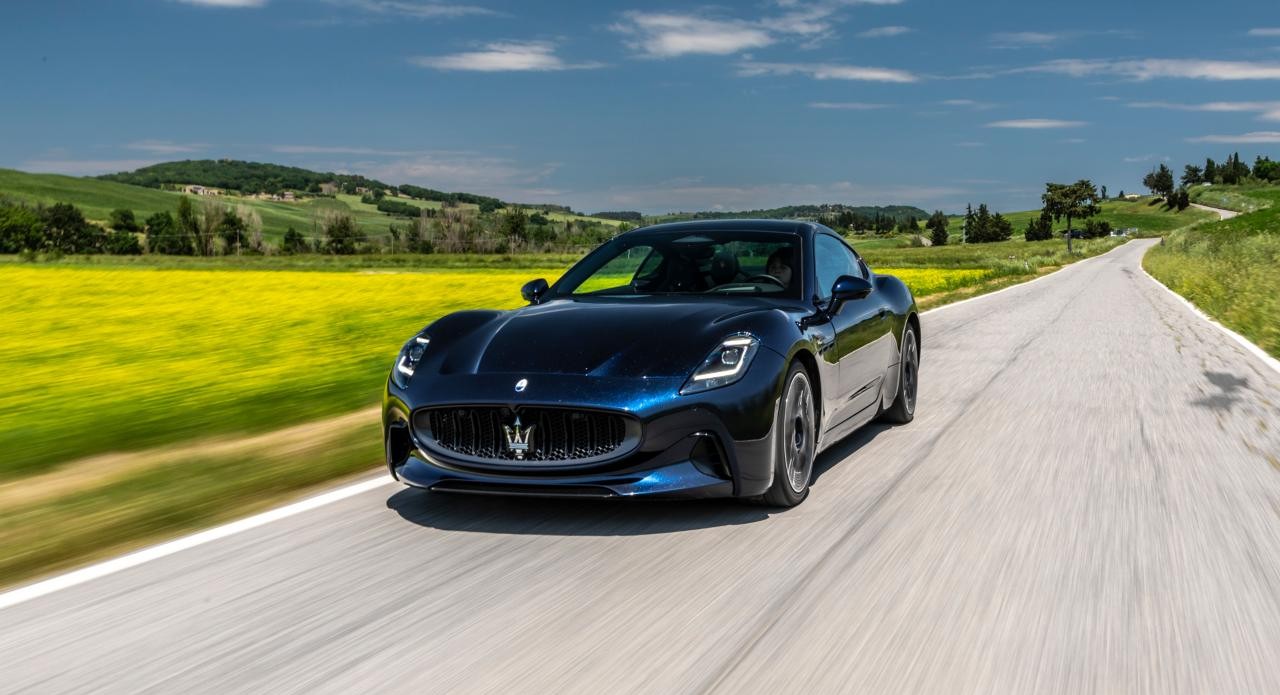


There are few automotive inventions more misunderstood than all-wheel drive. Mention those three letters—AWD—and people immediately imagine a machine capable of climbing mountains, crossing flooded roads, conquering snowstorms and cornering like a rally car driven by a caffeinated Scandinavian. Somewhere along the way, an entire generation of motorists began believing that sending power to all four wheels somehow granted immunity from the laws of physics.
It doesn’t. In fact, all-wheel drive is a bit like giving a man four spoons instead of two. Yes, he might eat his dessert faster, but if the floor beneath him suddenly disappears, he is still falling. And that is the crucial point most drivers forget. AWD improves traction. It does not create grip out of thin air. Yet every winter, every monsoon, and every rainy commute, roads fill with drivers who genuinely believe their all-wheel-drive SUV has become a road-going superhero. Moments later, many discover that Mother Nature does not care how many wheels are powered. She only cares about friction.

Traction and Grip Are Not the Same Thing
This is where things become interesting. Traction refers to a tyre’s ability to transfer engine power to the road. Grip is the total amount of friction available between tyre and surface. All-wheel drive improves traction by distributing power across multiple wheels. Instead of two tyres struggling to move the vehicle forward, four tyres share the workload. That is why AWD vehicles often launch harder from traffic lights, accelerate more confidently on wet roads and pull away more effectively on loose surfaces. But once the vehicle is already moving, grip becomes the dominant factor. And grip comes primarily from tyres. Not differentials, not transfer cases, not clever electronic wizardry. But tyres. A worn-out all-wheel-drive SUV running on cheap rubber can have less real-world grip than a well-equipped front-wheel-drive hatchback wearing premium tyres. It is not glamorous, but it is true.
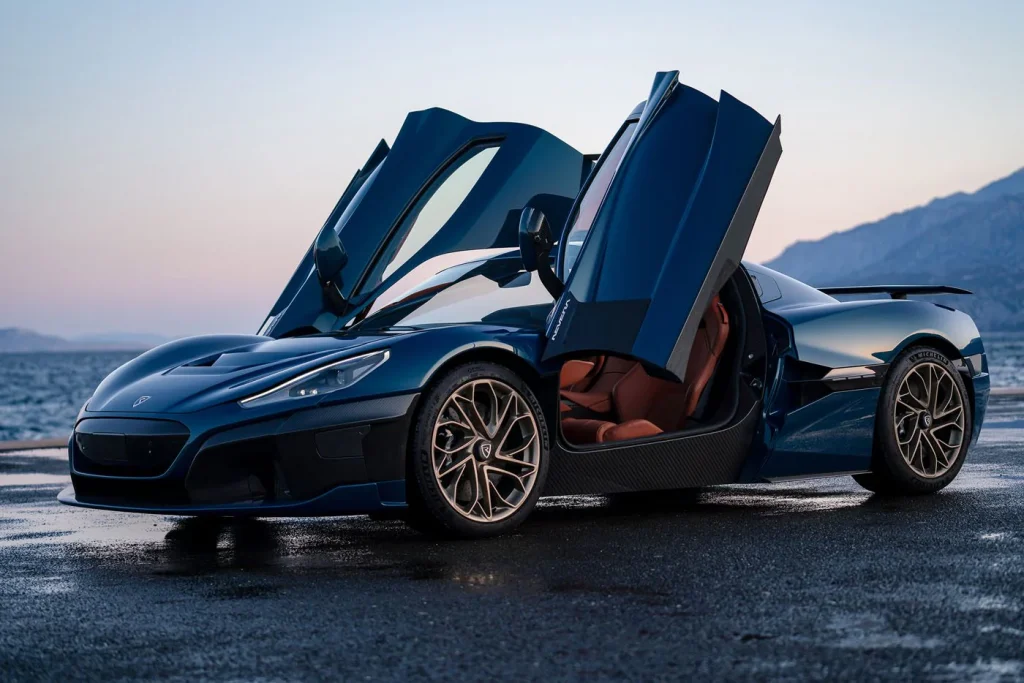
The Braking Reality Nobody Wants to Hear
Here is the uncomfortable truth. All-wheel drive helps you accelerate. It does absolutely nothing to shorten stopping distances on slippery surfaces. Nothing. The moment you hit the brakes, every vehicle becomes essentially a four-wheel braking machine regardless of whether power normally goes to two wheels or four. If the road is covered in rain, ice, gravel or mud, your AWD system cannot magically increase available friction. This explains why so many all-wheel-drive vehicles end up in ditches during winter. Their drivers successfully accelerate beyond conditions that their tyres can safely handle, only to discover that stopping requires exactly the same grip limitations as everyone else. The ability to go is meaningless if you cannot stop.
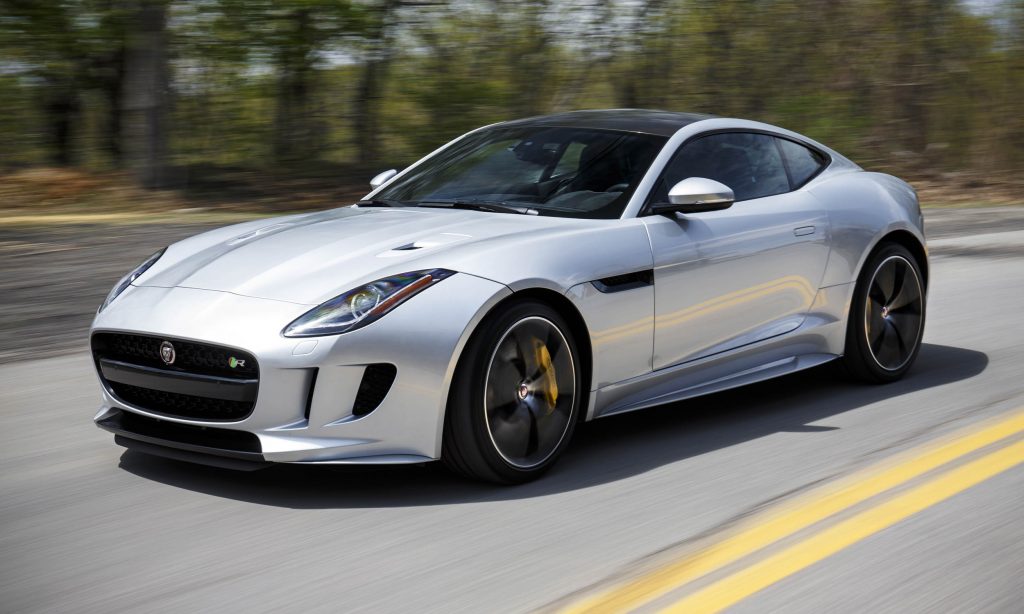
Corners Are Where Physics Collects Its Debt
Acceleration impresses people. Cornering exposes them. An all-wheel-drive system can help distribute torque during a turn and improve stability when exiting corners. Modern performance systems are remarkably sophisticated, capable of shifting power instantly to maximise traction. But there remains one stubborn limitation.
The tyre contact patch. Every tyre has a finite amount of grip available. Use too much of it for acceleration, braking or turning and the tyre begins to slide. At that point, your expensive AWD system becomes little more than a spectator. The laws of physics do not negotiate. They simply arrive with an invoice. Enter a corner too quickly on a wet road and all four driven wheels will slide together just as enthusiastically as two.
Also Read: What Makes AWD Feel Different? A Complete Guide To Driving Dynamics
Why Tyres Matter More Than Drivetrains
If there is one lesson every driver should learn, it is this: The most important performance upgrade on any car is not more horsepower, a bigger engine or an advanced all-wheel-drive system. It is better tyres. Tyres determine how effectively a vehicle accelerates, brakes and changes direction. They dictate wet-weather confidence, emergency manoeuvres and overall safety. A superb set of tyres can transform an ordinary car. A poor set can make an extraordinary car feel dangerous. That reality remains unchanged whether you drive a family crossover, a luxury SUV or a 500-horsepower performance machine.