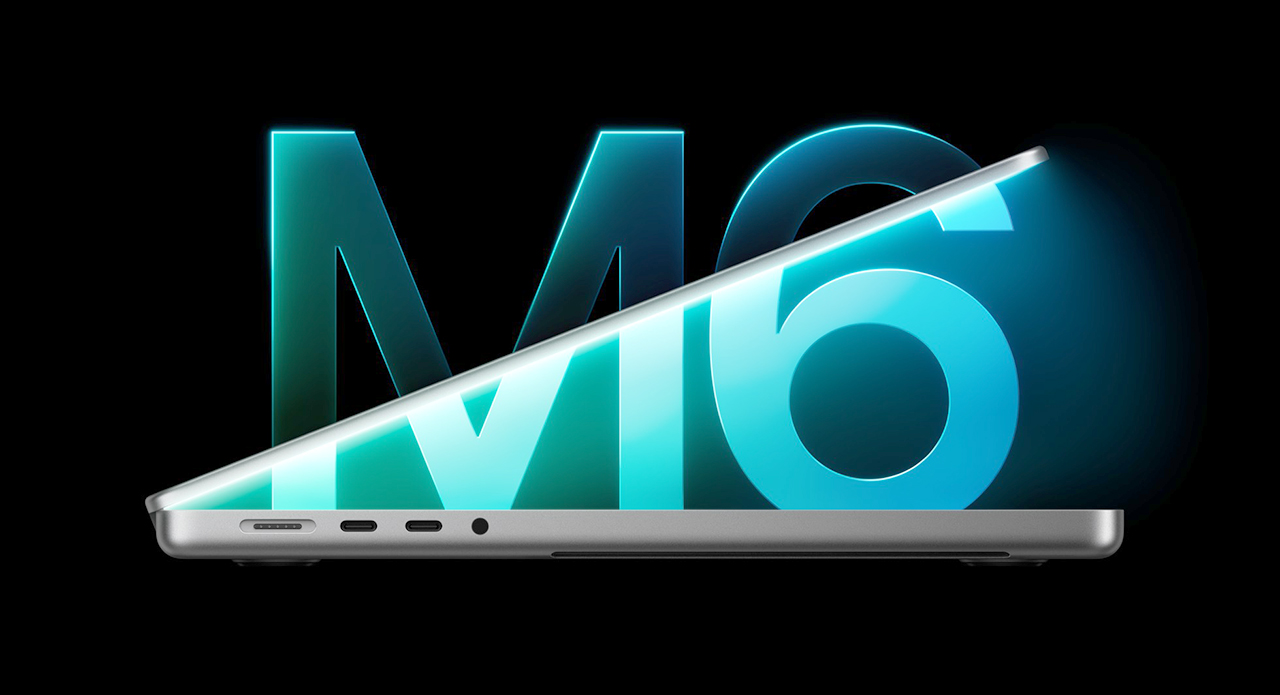


There was a time when buying a powerful computer meant accepting a rather miserable bargain. You could have performance, certainly, but you would also get a machine that sounded like a small aircraft preparing for take off, ran out of battery before you had finished your coffee and became distinctly unhappy whenever you asked it to do anything complicated. Thankfully, technology has moved on. Apple’s latest 14 inch MacBook Pro, equipped with the new M6 chip, wants to prove just how far.
Announced on October 28, the new MacBook Pro promises more processing power, improved graphics, faster artificial intelligence workloads and up to 24 hours of battery life. It is aimed at everyone from university students and business professionals to developers, photographers and filmmakers who would rather spend their time creating something than watching a progress bar crawl across the screen. And while the familiar aluminium body remains, the interesting changes are happening beneath the surface.
The M6 Chip Is The Main Event
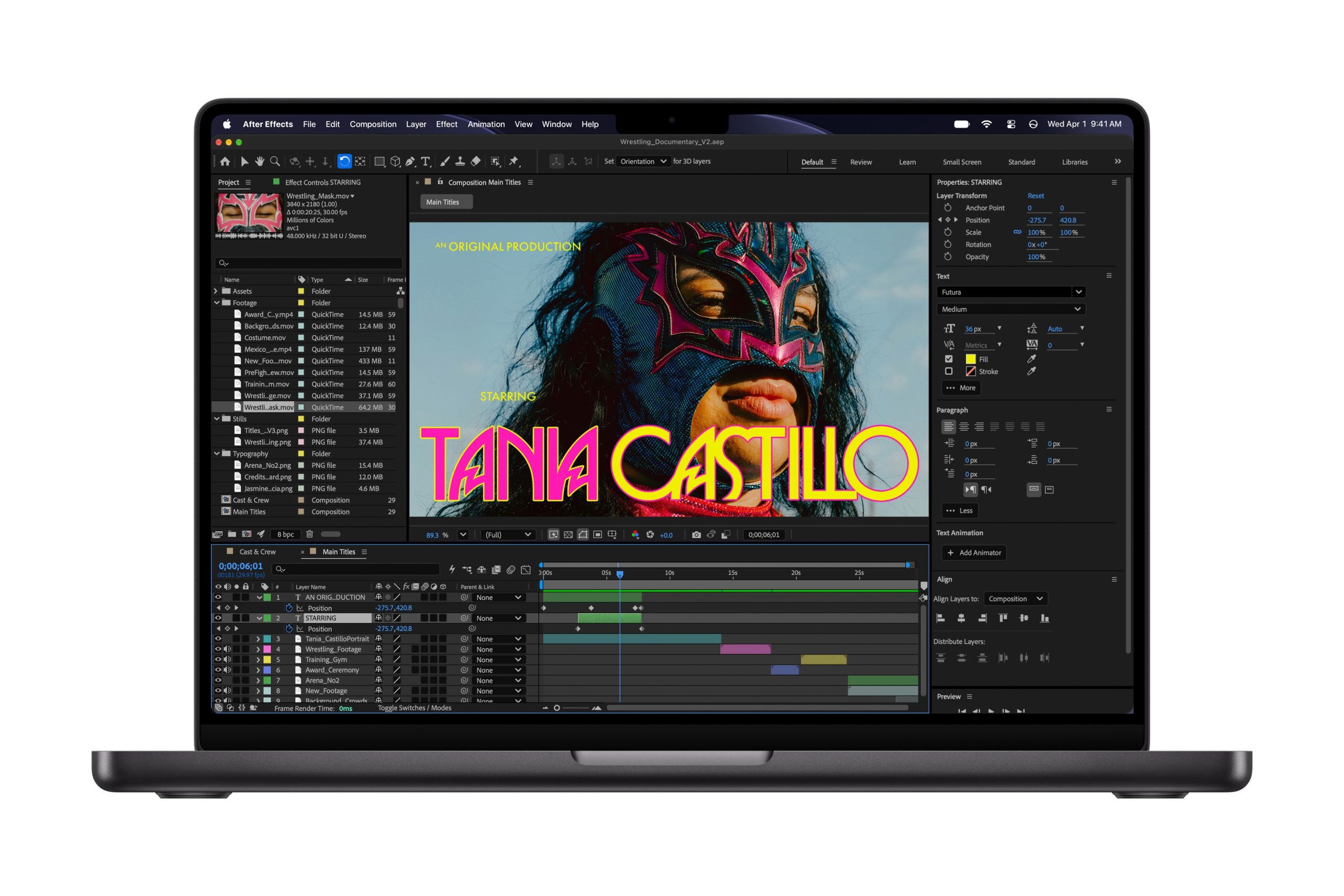
The heart of the new MacBook Pro is Apple’s M6 chip, featuring a 12 core CPU, a 12 core GPU and a Dual 16 core Neural Engine. In less technical language, it is designed to make everything feel quicker, whether you are juggling a dozen applications, compiling code, editing photographs or rendering complicated 3D projects. Apple claims the CPU features the world’s fastest CPU core, while the GPU delivers up to 30 per cent faster graphics performance and up to 25 per cent faster on device AI workloads compared with the previous generation M5. The Neural Engine, meanwhile, offers up to 1.9 times faster performance than M5.
For anyone upgrading from an M1 MacBook Pro, the numbers become even more eye catching. Apple cites up to 11 times faster graphics performance and up to 13 times faster performance for certain AI tasks. These are manufacturer performance claims, naturally, but they indicate the scale of the intended leap. The benefits extend beyond impressive figures on a specification sheet. Motion designers can work on complex visual effects, photographers can process images more quickly, and developers can compile projects with less waiting around. The machine is also designed to handle large language models locally, allowing compatible AI workloads to run on the computer itself rather than relying entirely on remote servers.
Artificial Intelligence Without Sending Everything Away
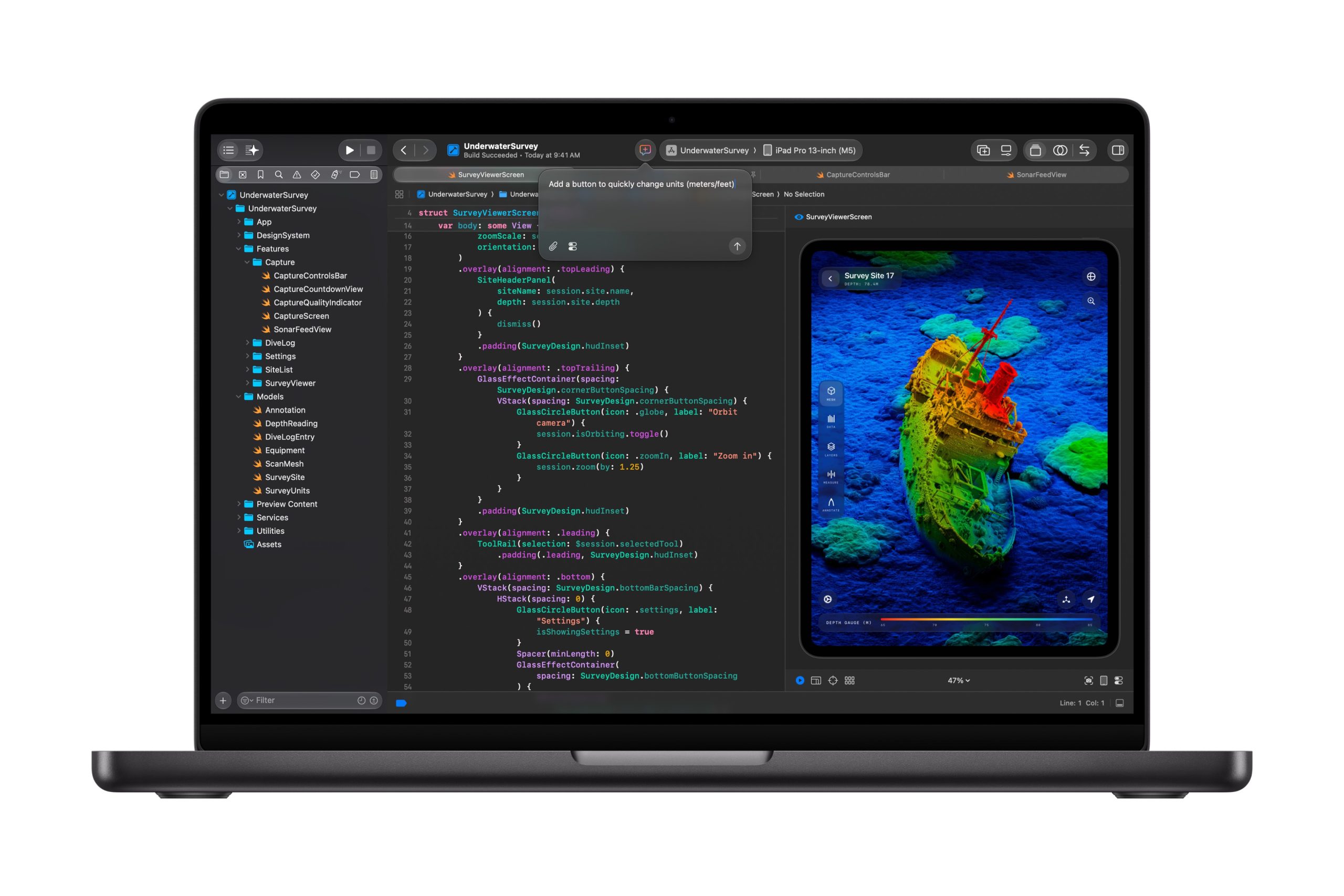
Artificial intelligence has become the latest obsession in technology, and Apple is making it a central part of the M6 experience. Additional Neural Accelerators within the GPU and the Dual 16 core Neural Engine are designed to accelerate tasks such as image generation, image upscaling and AI assisted processing.
With macOS 27, Apple also promises a more capable Siri AI, alongside Apple Intelligence features integrated across everyday applications. Siri can use personal context to help locate information across messages, emails and photographs, while system wide tools are intended to make writing, editing and completing tasks more convenient. The emphasis on on device processing matters because it can help preserve privacy while reducing dependence on cloud based computing. It is a useful reminder that a computer need not outsource every clever trick to a distant server farm.
Also Read: Apple’s Foldable iPhone: Why It Could Become Apple’s Next Luxury Tech Accessory
A Screen Worth Looking At
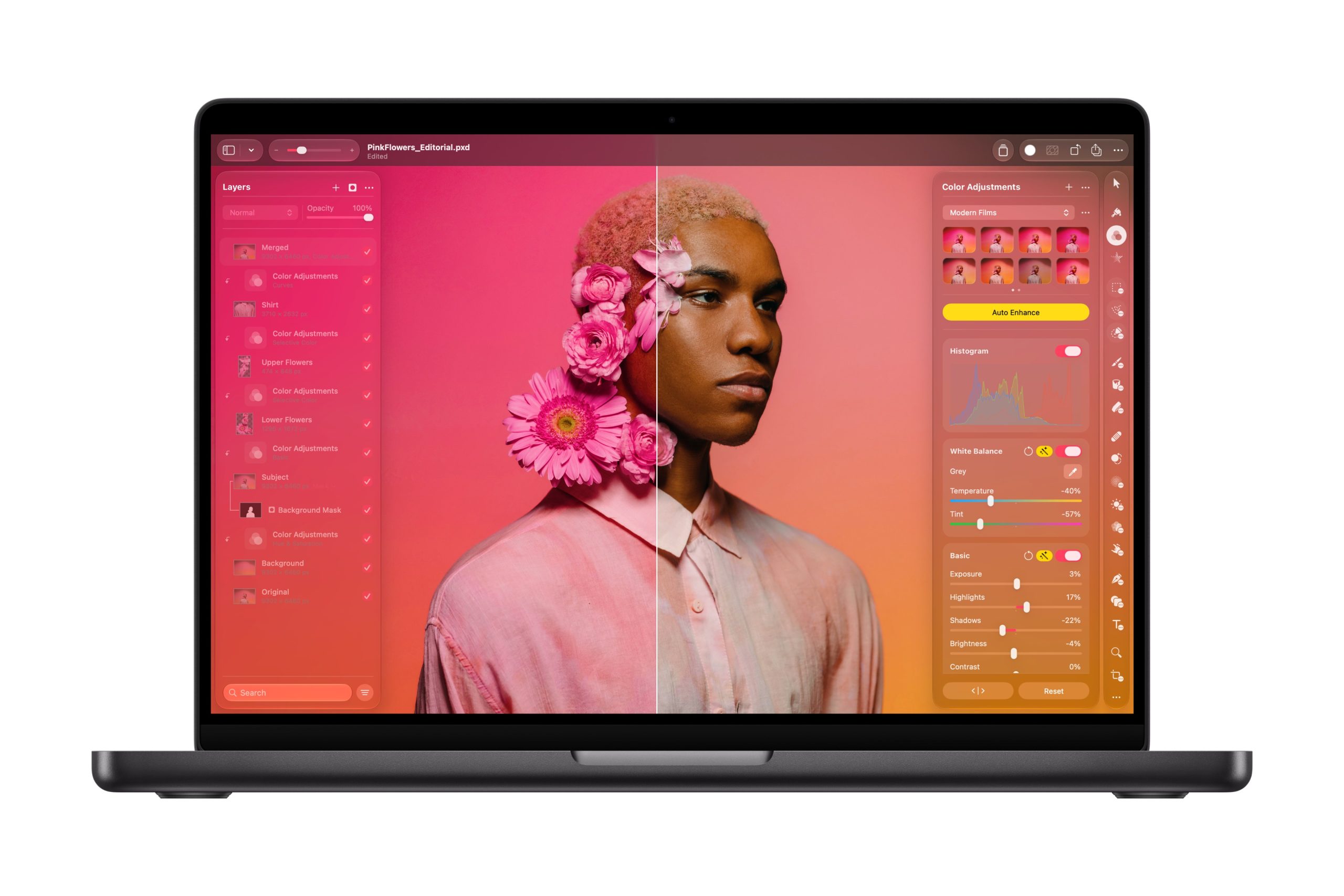
Power is pointless if the screen makes everything look like it has been left out in the rain. Fortunately, the MacBook Pro retains its Liquid Retina XDR display, offering up to 1,600 nits of peak HDR brightness and a 1,000,000:1 contrast ratio. Deep blacks, bright highlights and vibrant colours should appeal particularly to photographers, filmmakers and other creative professionals. There is also an optional nano texture finish designed to reduce reflections and glare in difficult lighting conditions.
The rest of the package is similarly practical. A 12 megapixel Center Stage camera keeps users framed during video calls, while a six speaker sound system with Spatial Audio provides an immersive listening experience. Three Thunderbolt 4 ports, HDMI, MagSafe 3, an SDXC card slot and a headphone jack mean users are not forced to carry a small museum of adapters just to connect their equipment. Wi Fi 7 and Bluetooth 6 bring faster wireless connectivity, while support for up to two external displays helps expand the workspace.
Battery Life For The Long Haul
Perhaps the most useful improvement is the battery. Apple claims up to 24 hours of battery life, its longest ever in a Mac, with up to four additional hours for users upgrading from M1 and up to 14 additional hours for those moving from Intel based systems. Fast charging can restore up to 50 per cent battery in approximately 30 minutes with a compatible higher wattage USB C power adapter. The aluminium enclosure also uses 100 per cent recycled aluminium, and Apple says the machine contains 45 per cent recycled content overall.
The Price Of Progress
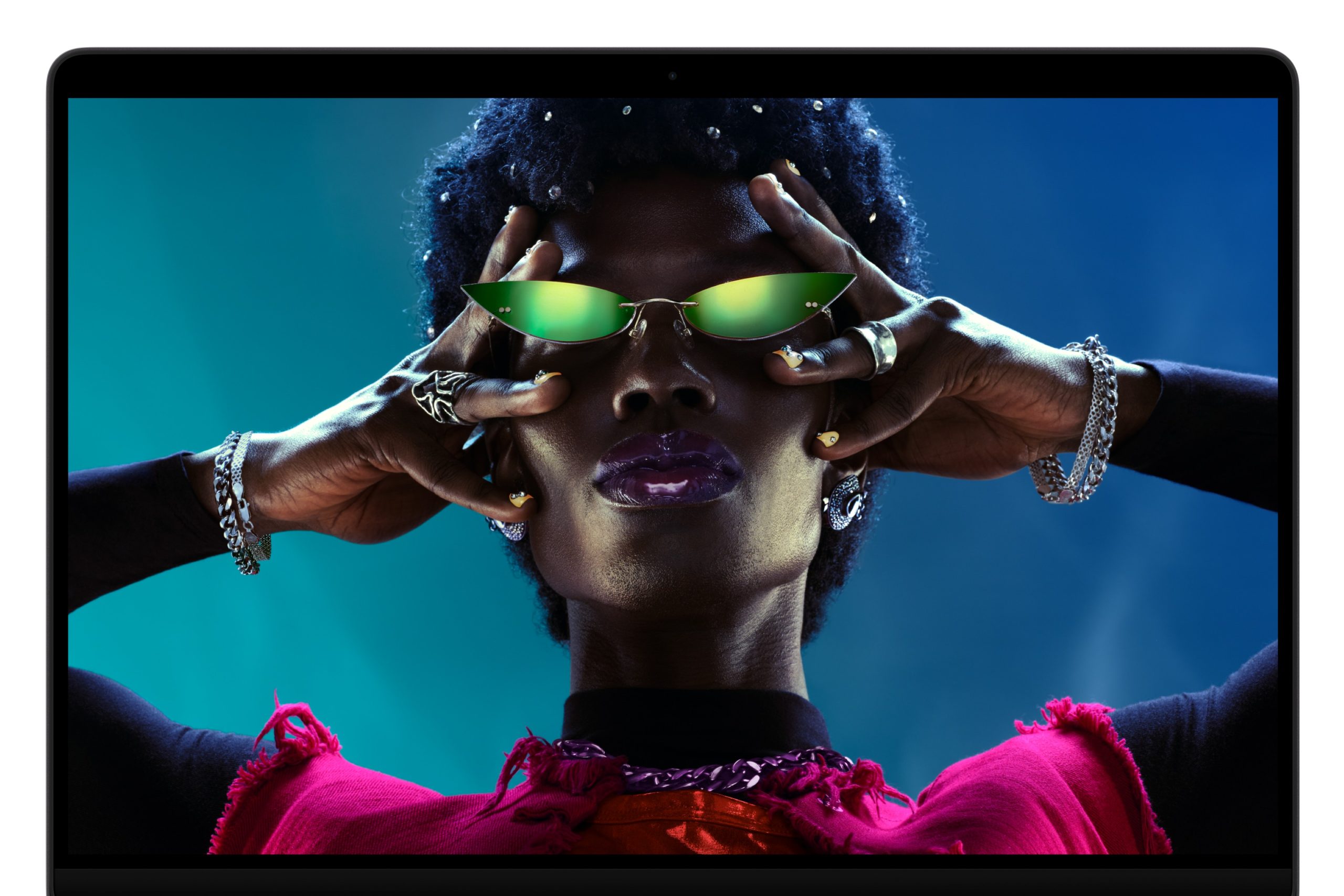
Available in space black and silver, the 14 inch MacBook Pro with M6 starts at ₹2,39,900 in India, with education pricing beginning at ₹2,27,900. Pre orders begin on October 28, with availability scheduled for November 6. This is not a machine designed merely to answer emails and browse the internet, although it will manage both without breaking a sweat. Its real appeal lies in combining serious computing power, advanced AI capabilities, a superb display and long battery life in a portable form.
For existing MacBook Pro owners, the decision will depend on how demanding their work has become and which generation they currently use. For creators and professionals who regularly push their machines to the limit, the M6 looks like a compelling step forward. The computer, after all, should be the tool that makes your work easier, not the obstacle standing between you and finishing it. With the new MacBook Pro, Apple is betting that more power, less waiting and a little intelligence built into the machine itself remain a rather persuasive combination.