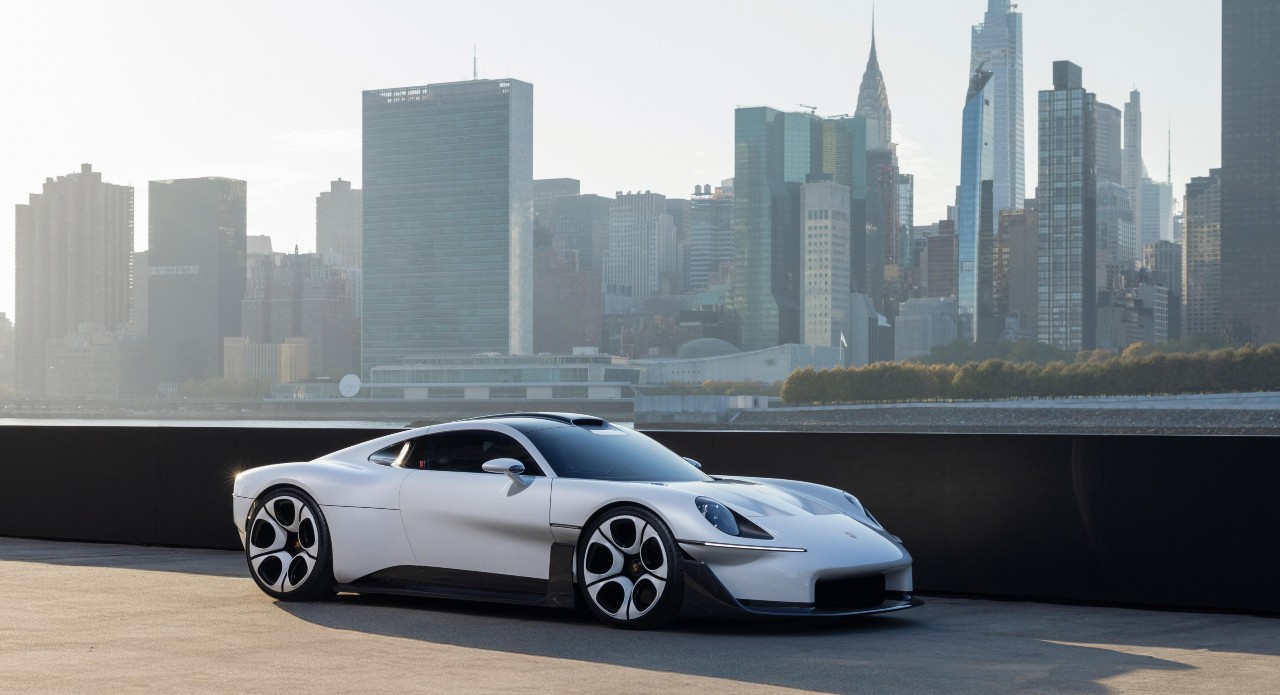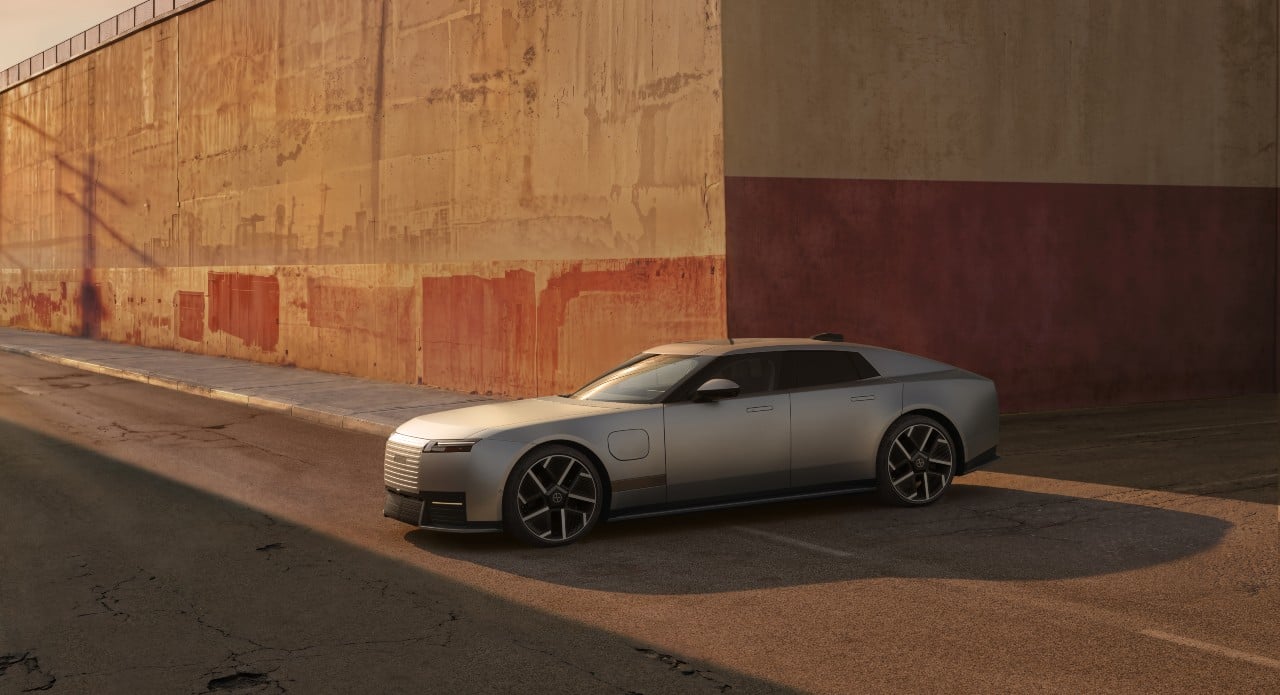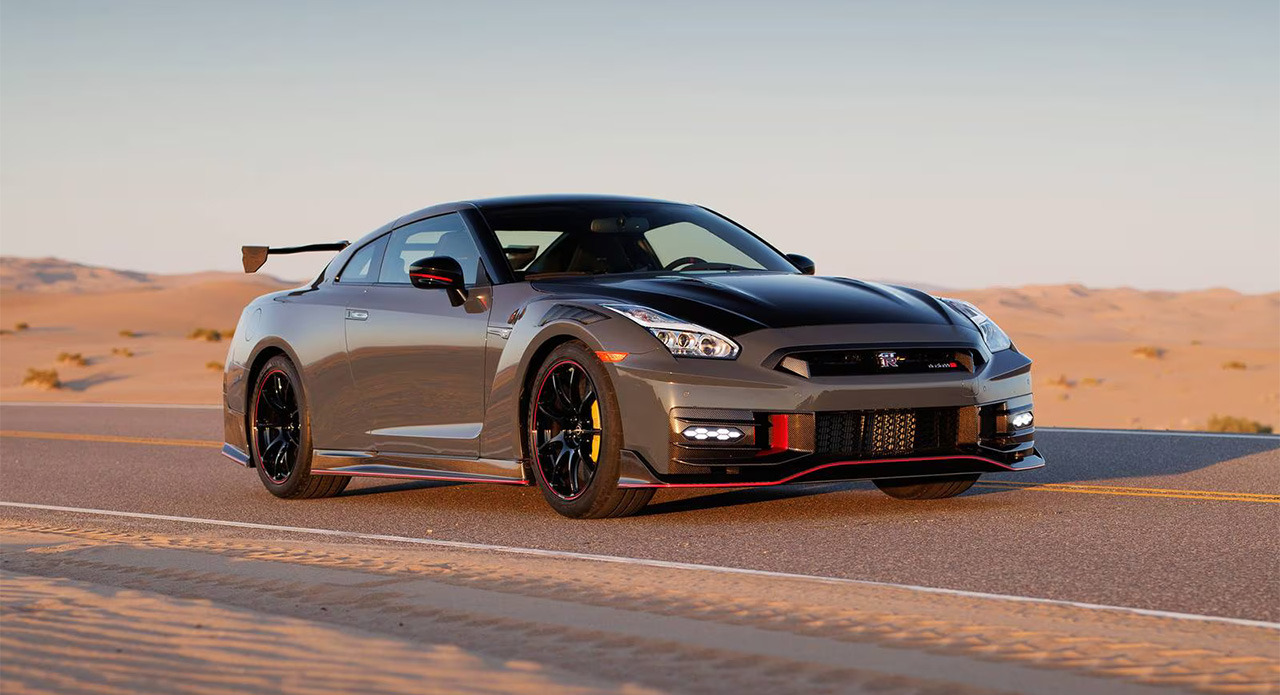


There is something faintly unsettling about the first proper experience in an all wheel drive car. The sort of unsettling that arrives not with drama, but with an eerie lack of it. Corners that should provoke caution are dismissed with indifference. Wet roads lose their menace. Acceleration feels less like a gamble and more like a certainty. It is not louder. It is not necessarily faster. But it is different. All wheel drive does not simply add grip. It rewrites the rules by which a car behaves. And once experienced properly, it becomes rather difficult to forget.
Where The Power Actually Goes
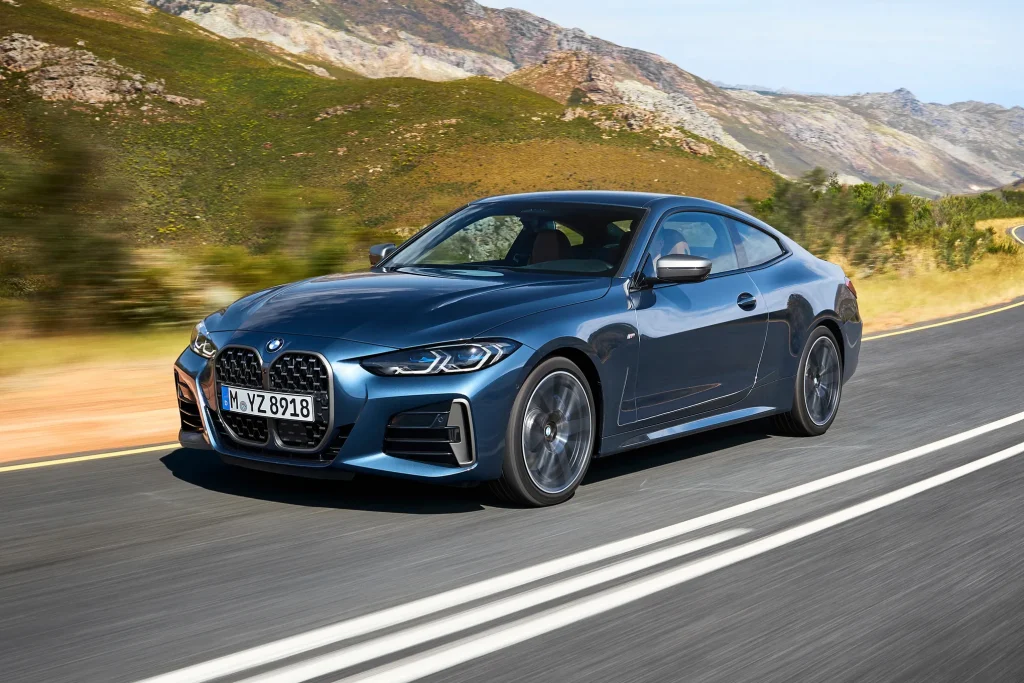
In a traditional two wheel drive car, power is sent either to the front wheels or the rear wheels. Simple, predictable, and occasionally problematic. Too much power, and those driven wheels lose traction. The result is wheelspin, instability, and a general sense of things not quite going to plan. All wheel drive changes this equation entirely. Instead of relying on a single pair of tyres, it distributes power across all four. The exact distribution varies depending on the system. Some favour the front, others the rear, and many constantly adjust in real time. This ability to shift power where it is needed most is what defines the all wheel drive experience. It is not brute force. It is intelligent allocation.
Grip That Feels Almost Unfair
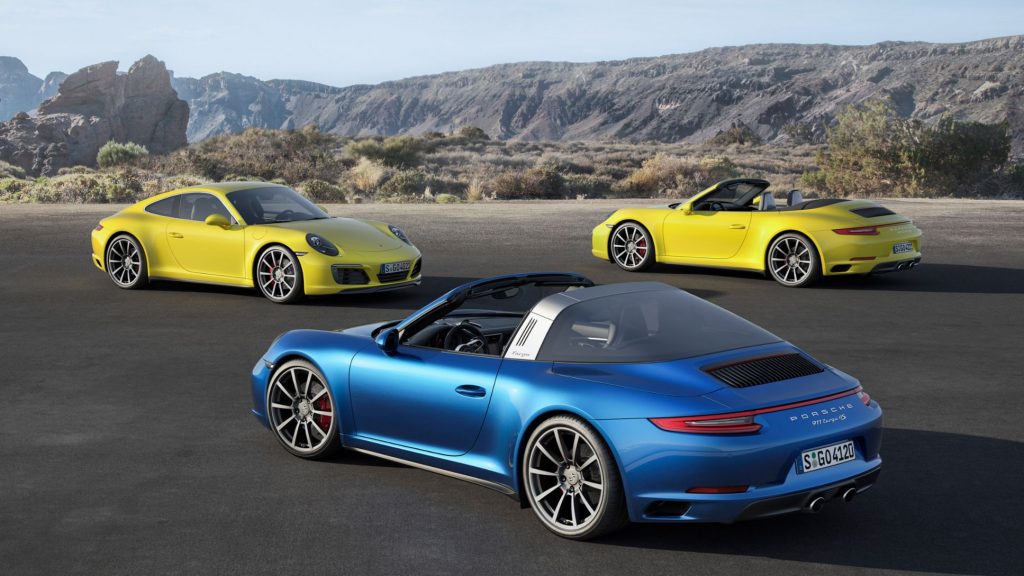
The most immediate sensation in an all wheel drive car is grip. Not the ordinary sort, but a level of traction that feels almost excessive. Accelerating from a standstill, the car does not scramble for purchase. It simply goes. No wheelspin, no hesitation, just a clean, decisive launch. On slippery surfaces, where other cars might struggle, all wheel drive maintains composure with an almost smug confidence. This is because each tyre is asked to do less work individually. Instead of two wheels handling all the power, four share the burden. The result is improved traction and reduced strain on any single contact patch. It feels secure. Reassuringly so.
The Cornering Revelation
Then comes the cornering, and this is where things become truly interesting. In a front wheel drive car, pushing too hard into a corner results in understeer. The front tyres lose grip, and the car drifts wide. In a rear wheel drive car, enthusiasm can lead to oversteer, where the rear steps out with theatrical flair. All wheel drive sits somewhere in between, yet feels entirely different. As the car enters a corner, power can be distributed to maintain balance. If the front begins to lose grip, torque can be sent rearward. If the rear becomes unsettled, the system can compensate. The result is a car that feels planted, composed, and remarkably forgiving. It does not eliminate physics, but it manages it rather cleverly.

Stability In The Unpredictable
Real world driving is rarely perfect. Roads are uneven, surfaces change, and weather has a habit of complicating matters. This is where all wheel drive truly earns its keep. On wet roads, it reduces the likelihood of wheelspin. On gravel, it provides additional traction. In snow, it can transform a potentially hazardous journey into something far more manageable. This added stability is not just about performance. It is about confidence. The car feels more secure, more predictable, and less prone to sudden surprises. It inspires trust, which in turn encourages a more relaxed and controlled driving style.
The Subtle Trade Offs
Of course, nothing comes without compromise. All wheel drive systems add weight and complexity. More components, more moving parts, and inevitably, more things to consider. This additional weight can affect fuel efficiency and, in some cases, blunt the sharpness of a car’s responses. There is also the matter of feel. Some purists argue that all wheel drive isolates the driver slightly, smoothing out the raw edges that make driving engaging. There is some truth to this. The very systems that enhance stability can also reduce the sense of unpredictability that enthusiasts often enjoy. But for many, the benefits far outweigh the drawbacks.
Different Flavours Of AWD
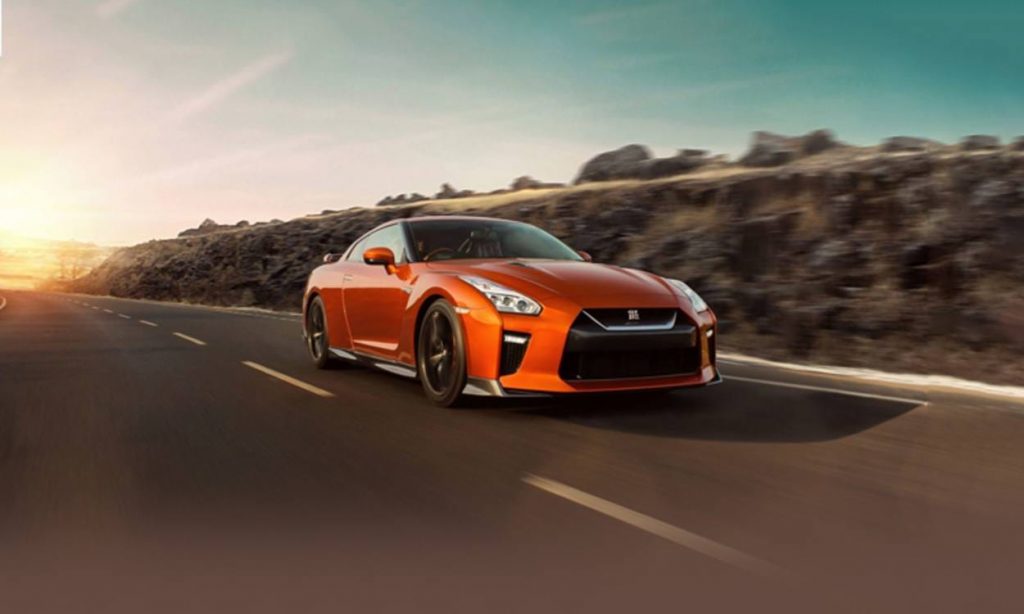
Not all all wheel drive systems behave in the same way. Some are permanent, constantly sending power to all four wheels. Others are part time, engaging additional wheels only when required. There are systems that prioritise efficiency, operating primarily as two wheel drive until conditions demand otherwise. And there are performance focused setups that actively distribute torque to enhance handling and cornering dynamics. Each approach offers a slightly different character. Some feel neutral and composed, others more dynamic and playful. The underlying principle remains the same, but the execution varies.
The Feeling Behind The Wheel
What ultimately defines all wheel drive is not the technology itself, but the sensation it creates. There is a sense of effortlessness in the way the car accelerates. A confidence in the way it corners. A composure in conditions that would unsettle lesser machines. It feels planted. Assured. Almost unflappable. And yet, beneath that calm exterior lies a complex system constantly adjusting, calculating, and responding to ensure that everything remains under control. It is a quiet kind of brilliance.