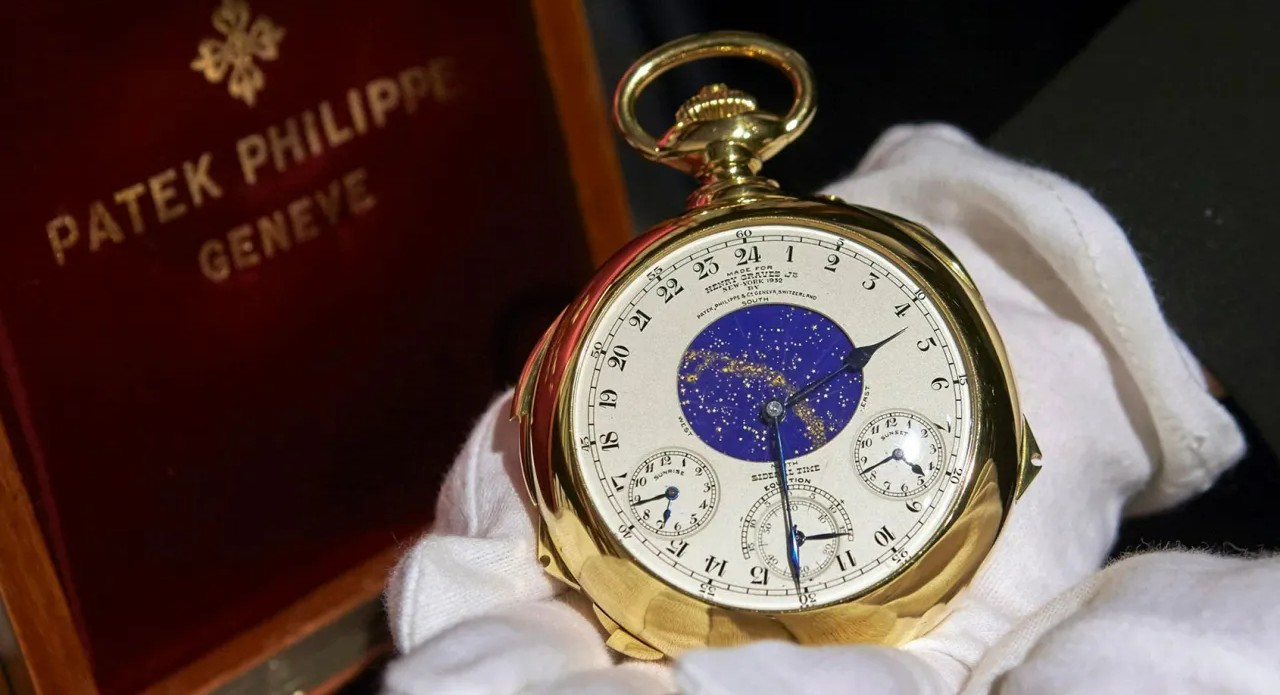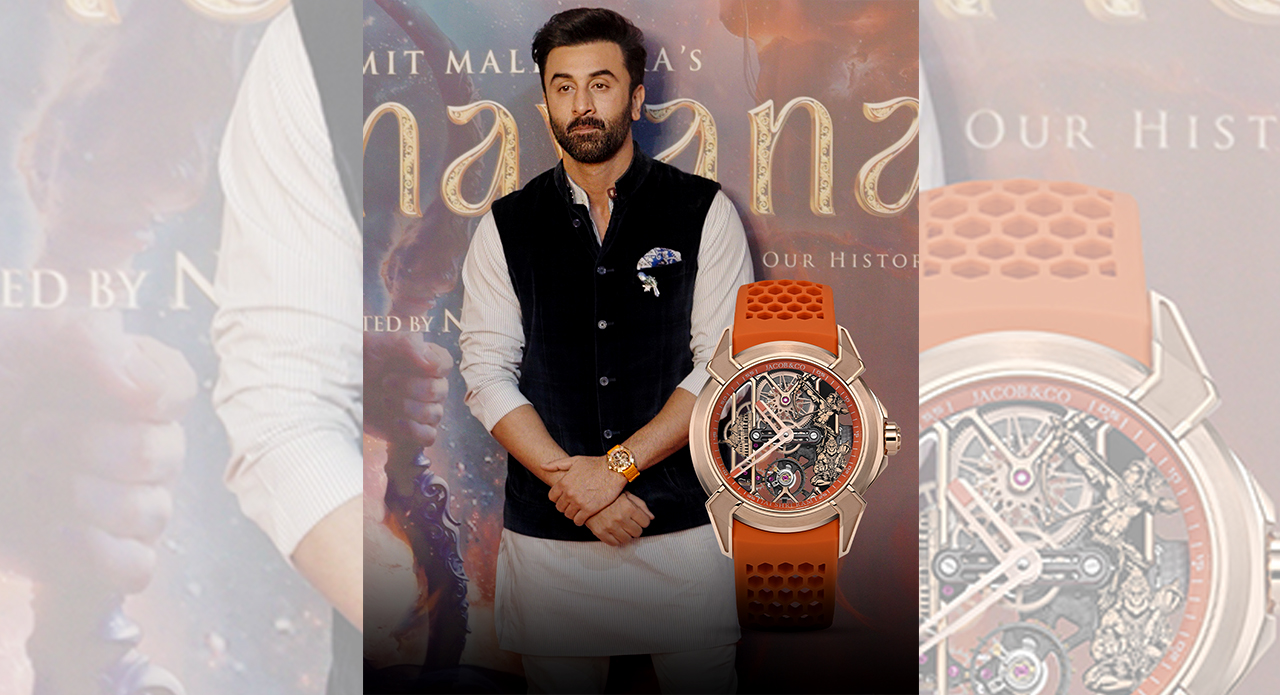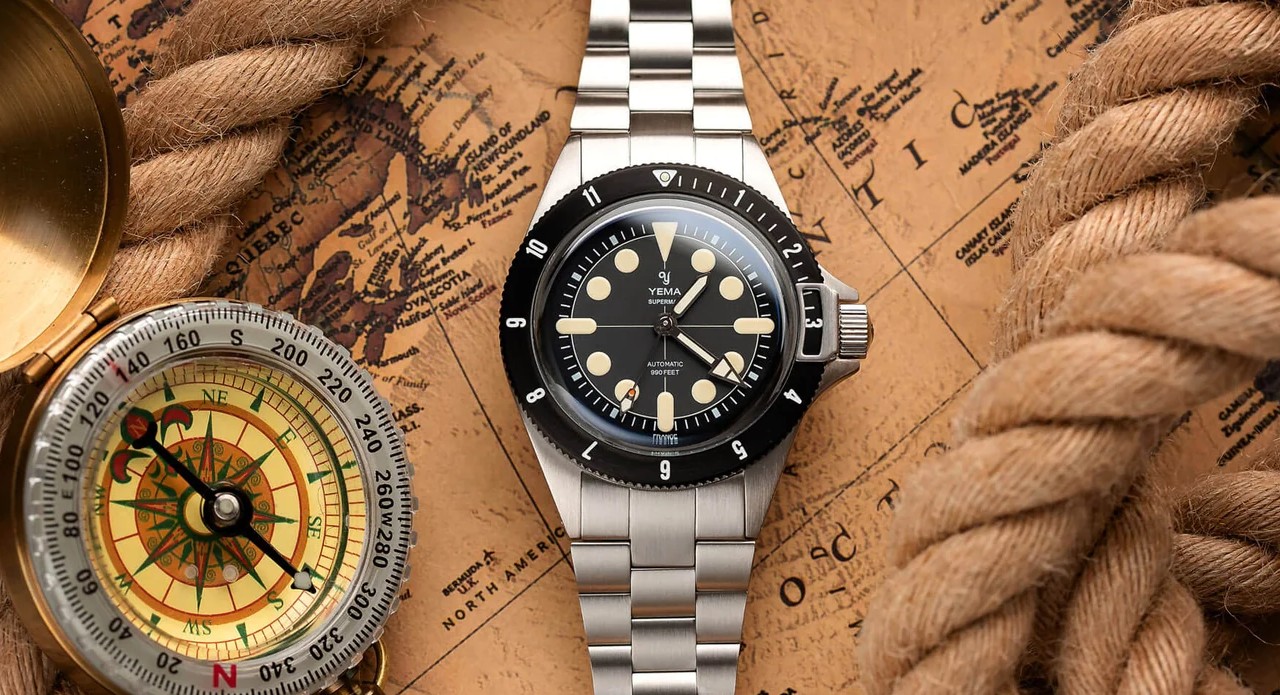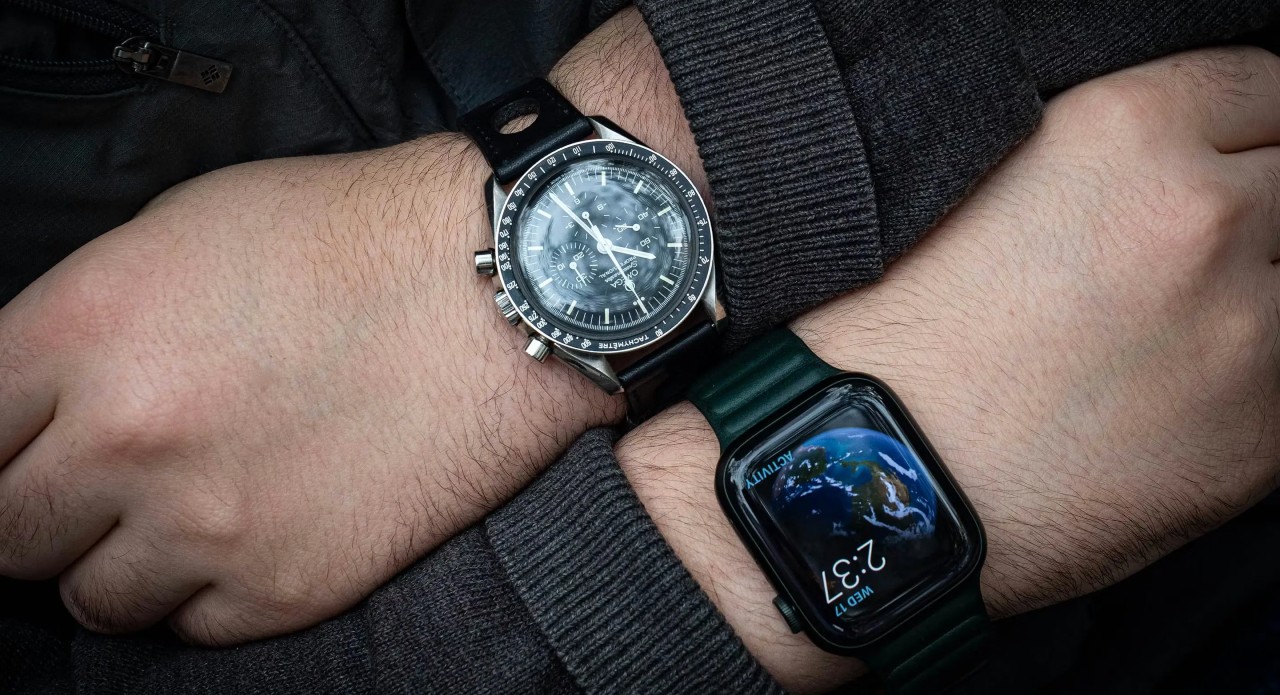


There was a time when wearing two watches at once would have earned you strange looks, much like arriving at a black-tie dinner in racing overalls or bringing a chainsaw to a gardening club. It seemed excessive, unnecessary and perhaps slightly ridiculous. Then something unexpected happened. Collectors stopped caring. Today, double wristing has evolved from an eccentric habit into one of the most fascinating trends in modern watch culture. From technology executives and frequent flyers to seasoned enthusiasts with safes full of Swiss masterpieces, more people are choosing to wear two watches simultaneously.
One wrist may carry a smartwatch tracking every heartbeat and calendar notification imaginable, while the other proudly displays a beautifully crafted mechanical timepiece. Others go even further, wearing two analogue watches at once, turning their wrists into a travelling exhibition of horology. What appears unusual at first glance actually reveals a great deal about how modern collectors think about watches.
The Rise of Practical Luxury
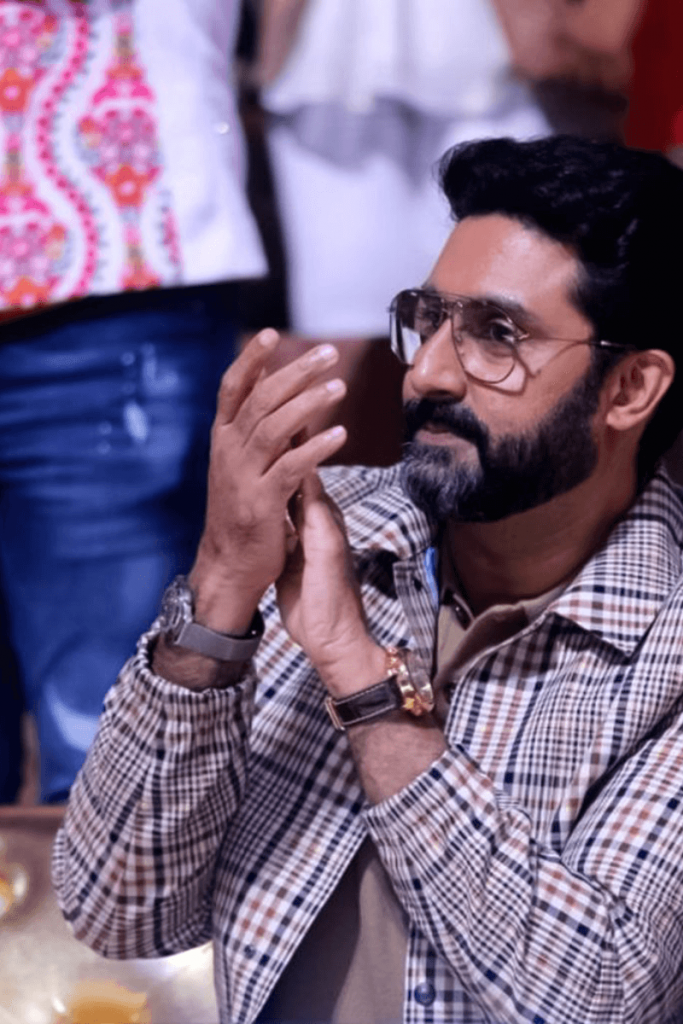
The biggest catalyst behind the double wristing phenomenon is surprisingly simple: technology. Modern smartwatches have become incredibly useful. They monitor health metrics, deliver messages, track workouts, provide navigation and even warn users about irregular heart rhythms. For many people, abandoning these conveniences entirely is difficult.
Yet watch collectors face a dilemma. Mechanical watches are not merely tools for telling time. They are objects of craftsmanship, engineering and emotional attachment. A collector who has spent years hunting down the perfect chronograph or perpetual calendar is unlikely to leave it in a drawer simply because a smartwatch counts steps more efficiently. The solution is obvious. Wear both. One wrist handles the practical demands of daily life while the other carries the mechanical watch that represents personal taste, heritage and passion. It allows collectors to enjoy modern technology without sacrificing traditional horology.

The Smartwatch and Mechanical Watch Combination
Perhaps the most common form of double wristing today pairs a smartwatch with a luxury analogue watch. On one wrist sits a smartwatch recording activity levels, managing notifications and monitoring health data. On the other rests a finely finished mechanical watch powered by springs, gears and craftsmanship that may trace its lineage back more than a century.
The contrast is fascinating. One device measures your sleep quality. The other showcases hand-finished bridges and polished bevels through a sapphire caseback. One requires software updates. The other may continue functioning for generations with proper servicing. Together, they represent two very different interpretations of timekeeping existing side by side. Rather than competing with each other, they complement one another.
Also Read: Top 6 Summer Watches To Wear In 2026: The Ultimate Luxury And Dive Watch Guide
Why Some Collectors Wear Two Analogue Watches
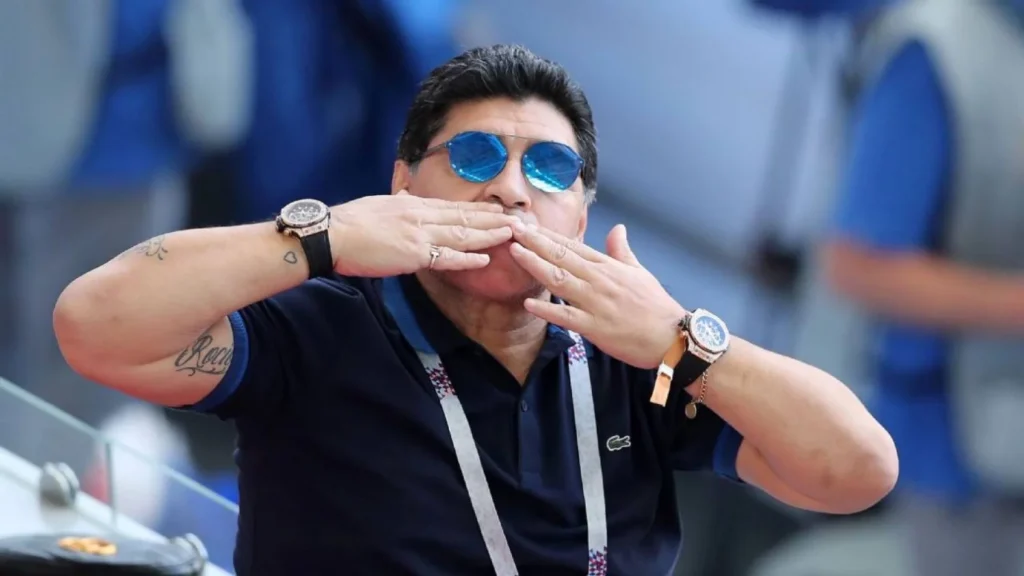
The more intriguing version of double wristing involves wearing two traditional watches simultaneously. At first glance this seems completely unnecessary. After all, one watch already tells the time. But collectors rarely think in purely practical terms. For international travellers, dual analogue watches can display different time zones without requiring adjustments.
One watch may remain set to home time while the second tracks local time abroad. Others use double wristing as a way to enjoy more of their collection. Enthusiasts often own dozens of watches but can only wear one at a time. Wearing two allows them to rotate through pieces more frequently and enjoy different designs simultaneously. There is also a deeper emotional element. One watch might commemorate a milestone achievement while another serves as a family heirloom. Wearing both creates a personal narrative that extends beyond simple functionality.
A Statement of Confidence and Individuality
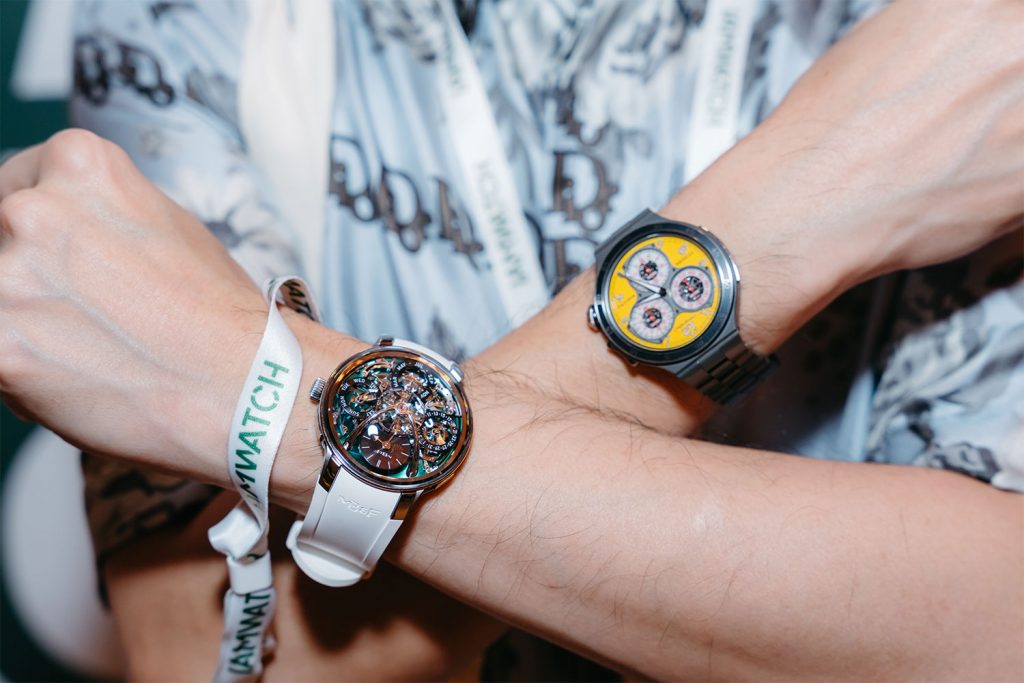
Modern collecting has become increasingly personal. Collectors no longer feel obligated to follow traditional rules regarding case sizes, dial colours or even what should be worn on each wrist. Individual expression now matters more than convention.
Double wristing fits perfectly into this mindset. It signals confidence. It tells the world that the wearer values their own preferences more than established etiquette. Whether pairing a vintage dress watch with a contemporary sports model or combining digital technology with mechanical artistry, the choice reflects individuality rather than conformity. In many ways, it mirrors broader shifts across luxury culture, where personal storytelling increasingly outweighs rigid traditions.
Also Read: Omega Seamaster Diver 300M Chronograph 007 First Light: Features And James Bond Design
The Future of Double Wristing
Will everyone start wearing two watches? Probably not. Most people remain perfectly content with a single watch or no watch at all. Yet among collectors, double wristing continues to gain momentum because it solves a uniquely modern problem. It allows technology and tradition to coexist without compromise. The smartwatch delivers convenience. The mechanical watch delivers emotion. Two analogue watches deliver variety, functionality and storytelling. And perhaps that is why double wristing continues to grow. It is not really about wearing two watches. It is about acknowledging that in modern horology, practicality and passion no longer have to compete for wrist space. They can simply share it.