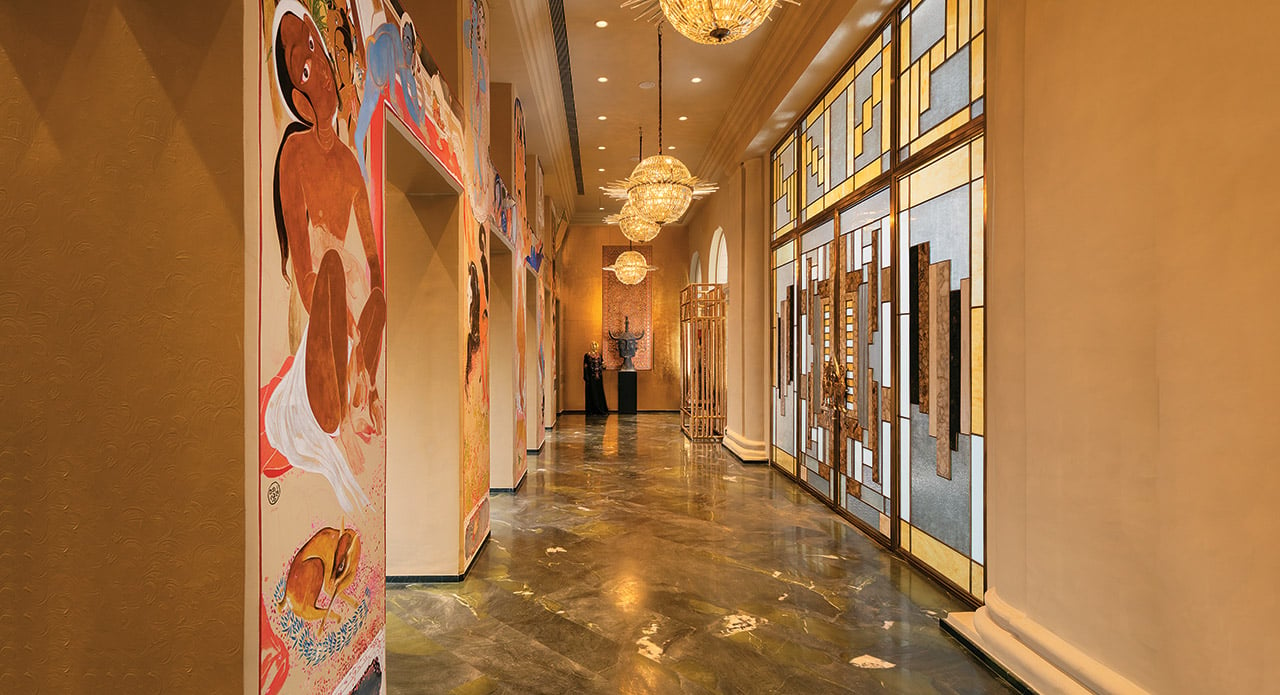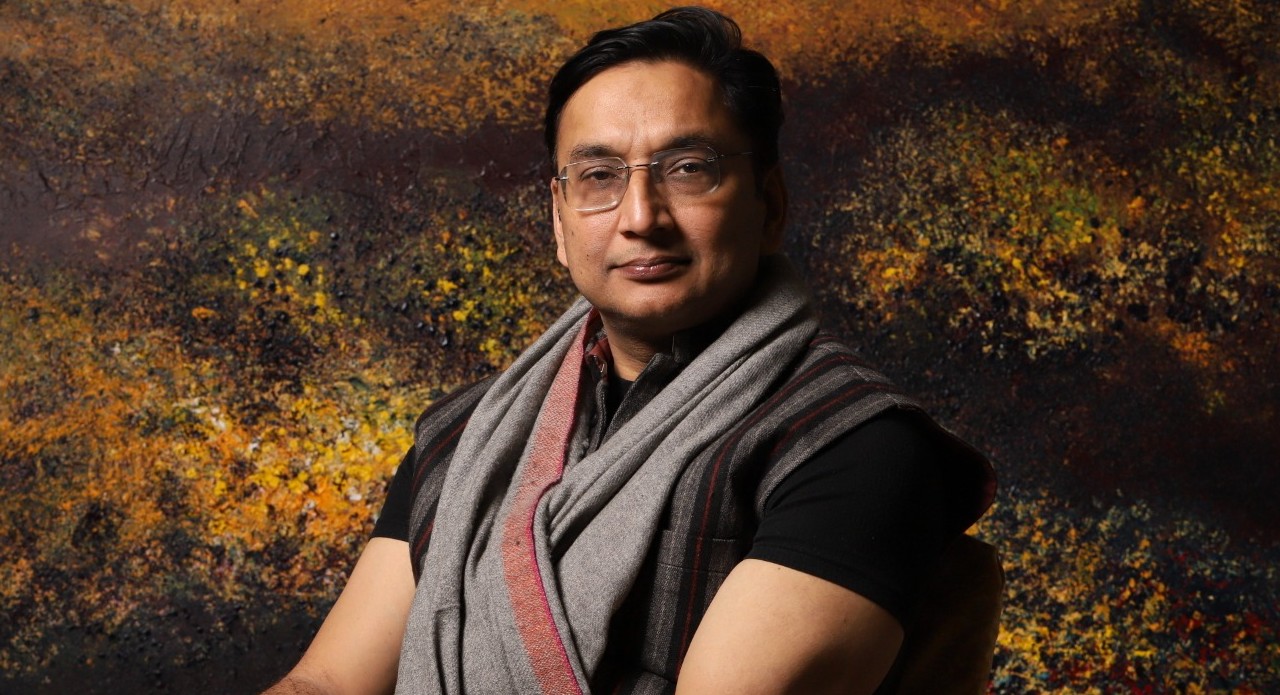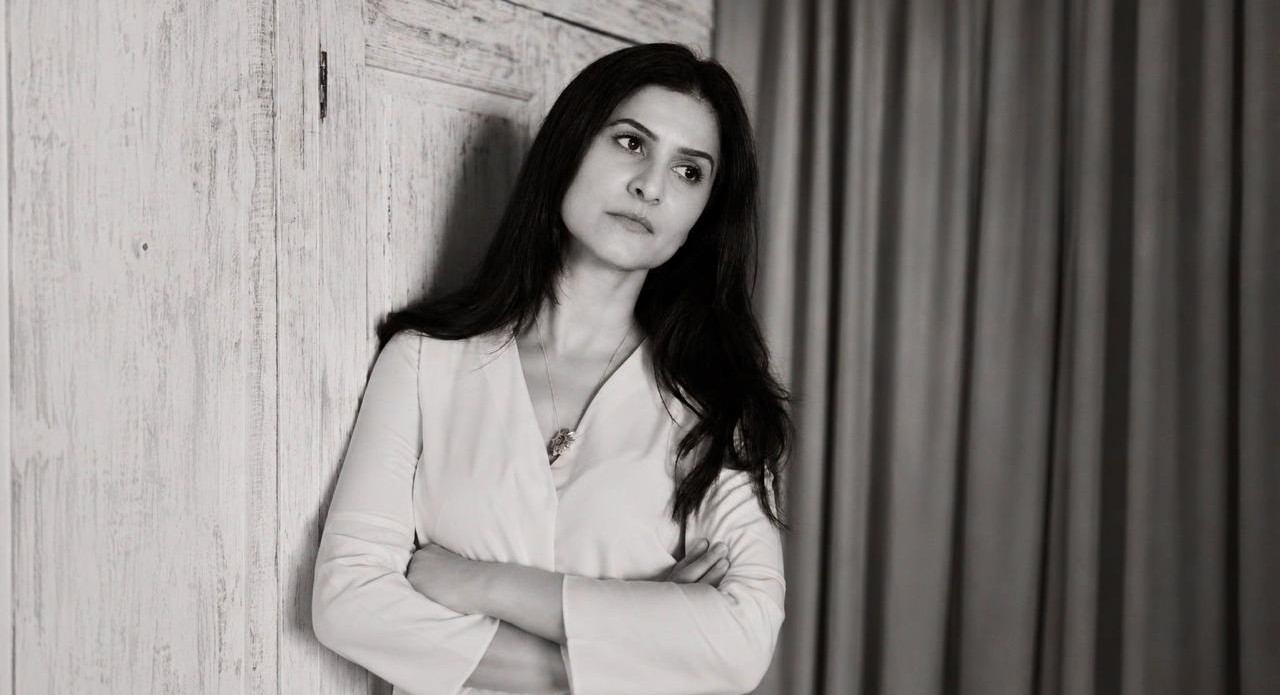


Most art galleries feel a bit like expensive airports. White walls, polished silence, and the quiet pressure to pretend you understand everything in front of you. Bougainvillea does not do that. Hidden inside a restored family home in Gulbai Tekra, it feels less like entering a gallery and more like being invited into someone’s beautifully opinionated living room, where every object has a story and every corner seems to have survived several generations of excellent taste. This is not a place built for quick admiration or social media drive-bys. It asks you to slow down, to notice texture, process, and the kind of craftsmanship that cannot be rushed. At the centre of it all is Ishita Parikh, whose journey from fashion to craft curation has been guided less by trends and more by instinct, integrity, and a belief that culture should be lived rather than framed behind glass. In a world obsessed with scale and spectacle, Bougainvillea feels refreshingly stubborn—choosing intimacy over noise, and depth over display. Outlook Luxe had a one-on-one interaction with Ishita Parikh on heritage spaces, conscious creativity, and how Indian craft transforms into art when given the right story.
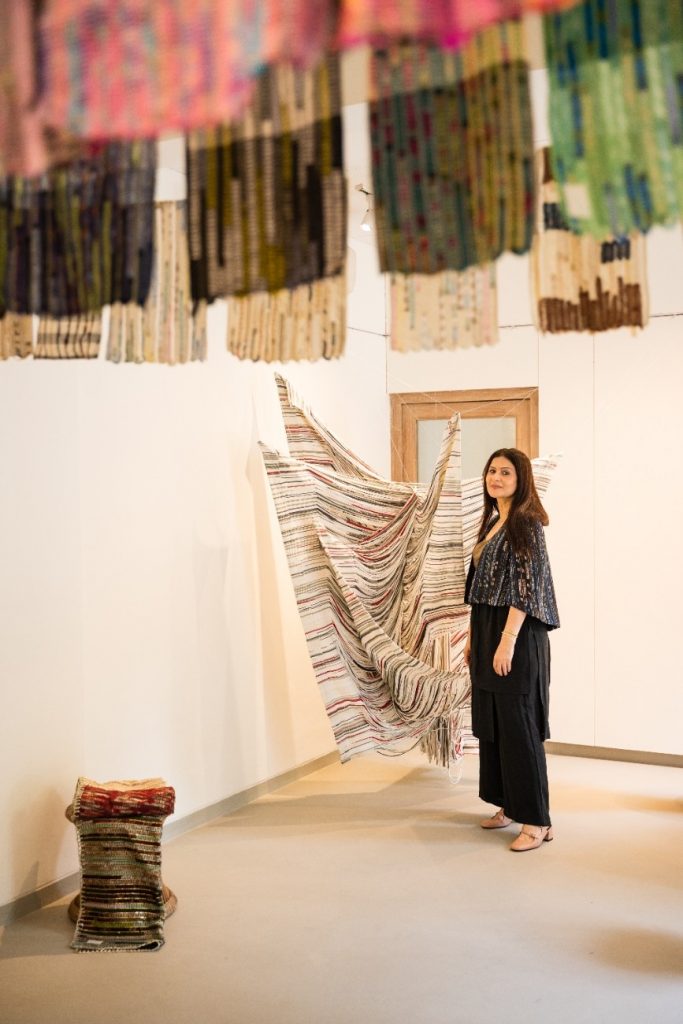
Bougainvillea operates out of a restored family home in Gulbai Tekra. How has that personal, inherited space shaped the gallery’s identity and the kind of experiences you create for visitors?
Ishita Parikh: Bougainvillea has always felt deeply personal to me because it operates from a restored family home rather than a conventional white-cube gallery. The space already carried memory, texture, and a lived sense of continuity, and I wanted to preserve that feeling rather than neutralise it. I see culture as something lived rather than fixed, and the house naturally reflects that philosophy. It allows visitors to experience craft in a more intimate, domestic way—closer to how these objects might actually exist in life rather than as isolated displays. The atmosphere encourages slower engagement and conversation, which is important to the way we curate experiences at the gallery.
I see culture as something lived rather than fixed. Heritage informs it, current discourse shapes it, but what I respond to most is instinct..work that carries honesty, continuity, and a clear point of view. At Bougainvillea, it’s about holding all of that together without making it feel defined or static.
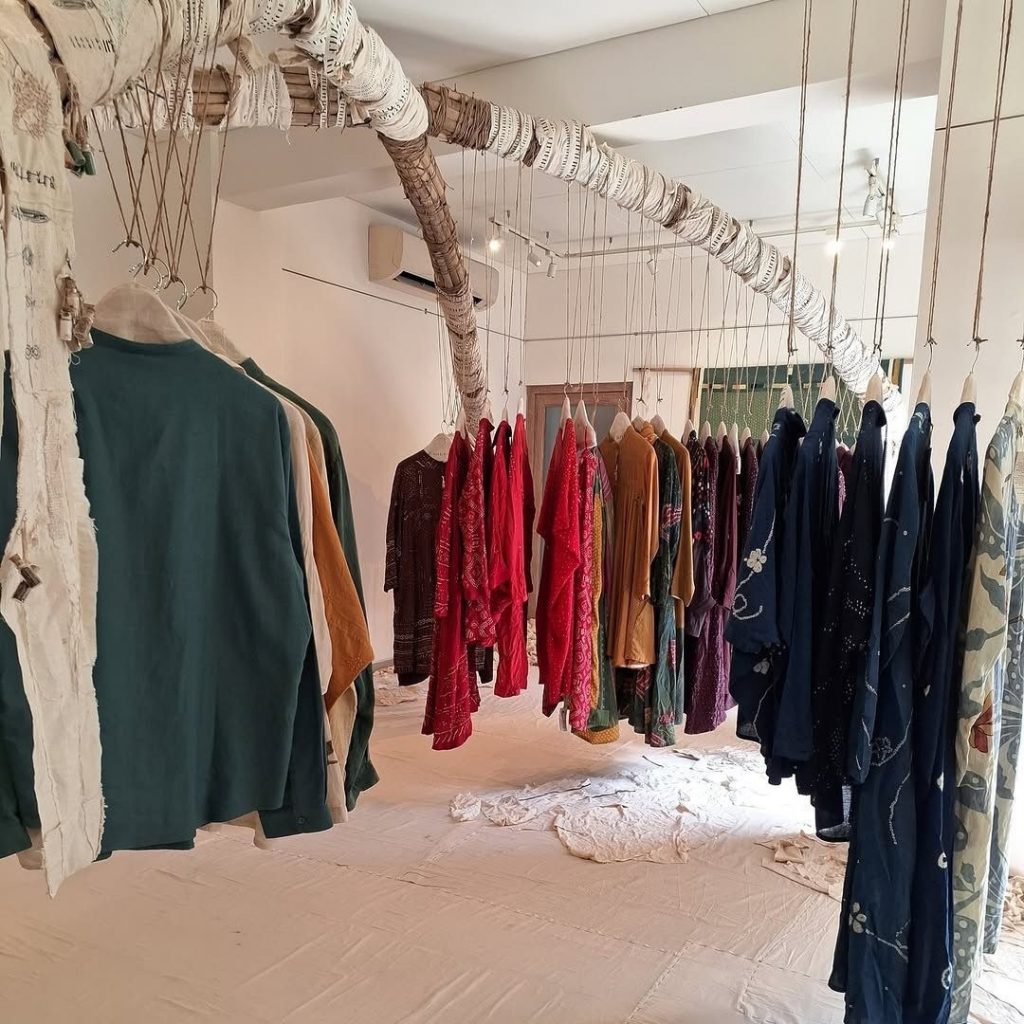
You transitioned from running a fashion label to curating a craft and design gallery. What gaps in the market or in your own creative journey prompted that shift?
IP: Beyond the aesthetic, I’m drawn to the integrity of process. How something is made, the rigour of craftsmanship, and the relationship a maker has with their material and practice..these are what signal depth to me. Authenticity reveals itself in that quiet consistency, in work that isn’t trying to perform but simply holds its ground. It’s this honesty, more than anything, that gives a brand its staying power.
For me, the shift isn’t a fixed line..it’s a change in perception. Craft already holds skill, time, and uniqueness, but it becomes art when it is framed with intention. The way a piece is presented, the context it is given, and the narrative around its making allow it to be seen beyond its function. When a viewer or collector begins to understand the process..the material, the discipline, the story..it moves from being a utilitarian object to something they value more deeply. The same piece, in another setting, may remain just that—an object. But when it is thoughtfully curated and its story is shared, it acquires a different presence. That, for me, is where craft begins to transform into art.
Also Read: Raghu Rai’s Best Photographs: Magnum Photographer’s Quest For Soul In Every Frame
As a self-taught designer, how has learning through hands-on practice influenced your curatorial decisions compared to a more formally trained approach?
IP: It usually begins with instinct..there has to be an immediate, almost quiet pull. From there, it becomes a process of listening and understanding. I spend time with the maker, their practice, their material—how they work, what informs their decisions, what they choose to hold on to and what they let evolve. It’s less formal research and more an ongoing dialogue. The idea is to absorb the spirit of the practice so that when it’s presented, it feels true to them and not imposed from the outside.
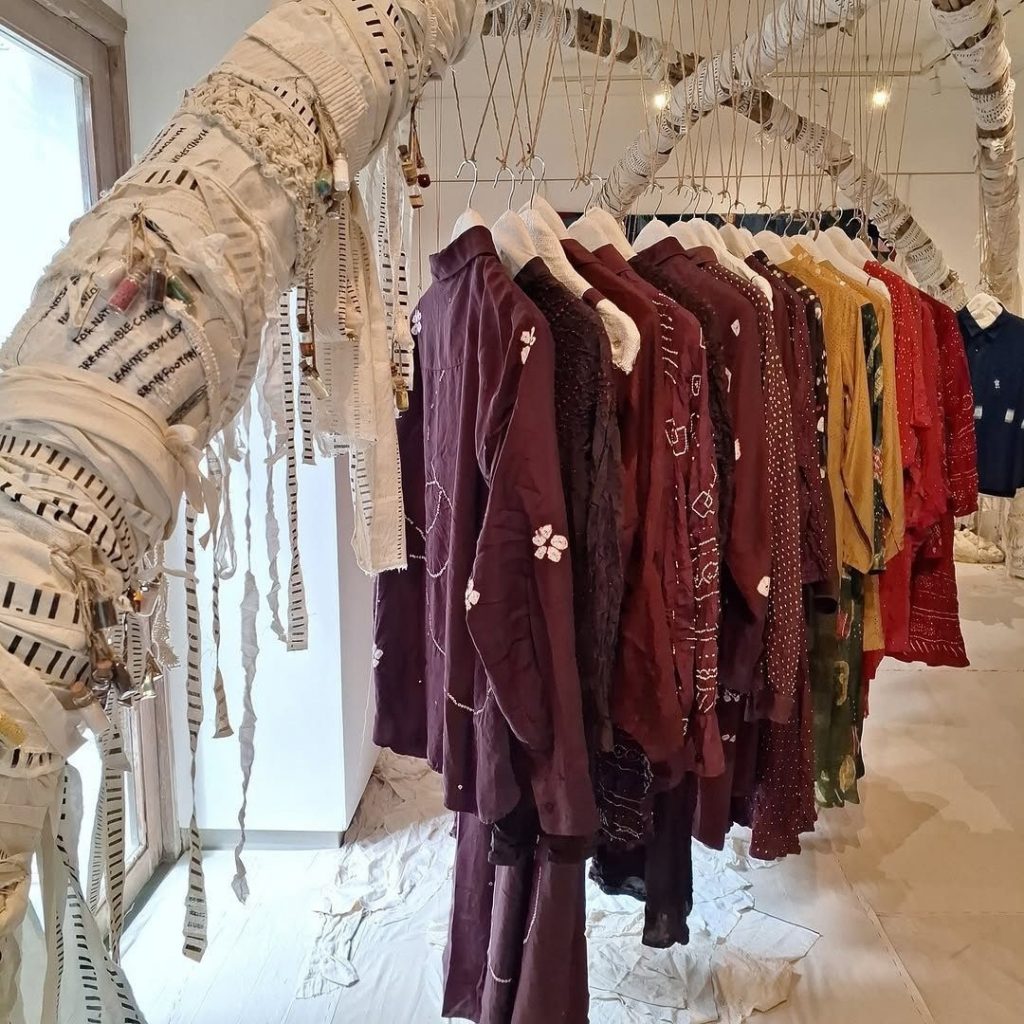
You often speak about “conscious creativity.” How do you define this in the context of contemporary Indian craft, and how do you identify designers or artisans who embody it?
IP: To me, conscious creativity is about creating with awareness and integrity rather than simply producing for visibility or scale. In the context of Indian craft, it means respecting the logic of the material, the discipline of the hand, and the cultural knowledge embedded within a practice while still allowing it to evolve. I’m drawn to makers who are deeply engaged with their process—people who are not trying to perform authenticity but whose work naturally carries it. Usually, there’s an instinctive pull first, and then I spend time understanding their practice more deeply: how they work, what informs their decisions, what they preserve, and what they choose to reinterpret. It’s through that dialogue that I understand whether a practice embodies conscious creativity.
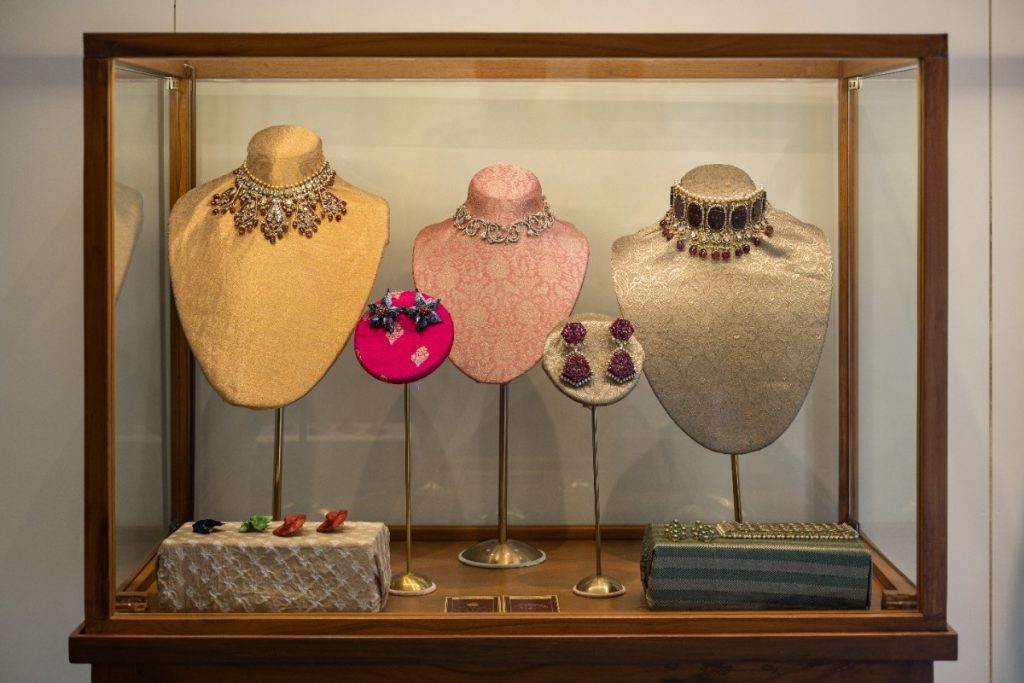
Bougainvillea focuses on single-artist or single-brand exhibitions rather than multi-designer showcases. What has this format allowed you to achieve that conventional retail or gallery models do not?
IP: Early on, I worked with a brand where the show was very successful commercially, but over time I felt a clear misalignment. The process, material, and intent didn’t fully resonate with my understanding of craft or with what I wanted the gallery to stand for. That became a turning point. It made me more intentional about who I choose to work with. Today, I gravitate towards practices that are craft-led and rooted in conscious creativity. Even if something promises strong results, I would step away if it doesn’t feel aligned..because for me, integrity has to come before scale. Rather than presenting objects in isolation or as part of a broader retail mix, it gives us the space to build a complete world around the work. We can explore the material, the process, the philosophy, and the emotional context in a much more layered way. It also allows visitors to truly understand the evolution and integrity of a practice rather than consuming it superficially. For the artist or maker, it creates a sense of authorship and clarity that conventional retail models often dilute.
Also Read: Interview: How José Lévy Blends French Aesthetics With Indian Influence in New Sculptural Works
Narrative plays a central role in your exhibitions, from films to installations. How do you balance storytelling with commercial viability, especially when working with traditional craft forms?
IP: Storytelling is central because it creates emotional connection and context. Craft becomes far more meaningful when people understand the process, discipline, and human presence behind it. Through films, installations, and spatial design, we try to create an environment where visitors can experience the work rather than simply view it. At the same time, the storytelling can never feel imposed or overly theatrical. It has to emerge naturally from the practice itself. Interestingly, when people connect more deeply with a narrative, the commercial aspect often follows more organically because they begin to value the object beyond its surface.
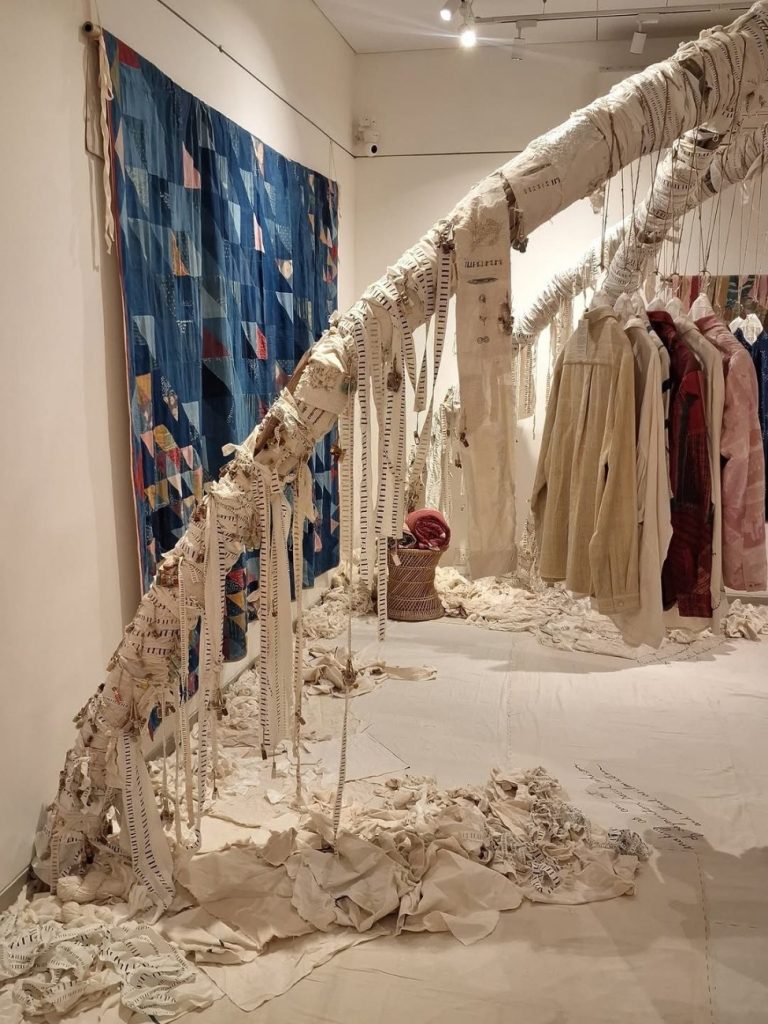
You’ve worked with a range of practices—What criteria guide your selection process when deciding which craft traditions or designers to platform?
IP: For me, meaningful evolution happens when a practice expands from within, when a deep understanding of the craft allows it to move into new forms without losing its integrity. I’ve worked with brands that have taken traditional techniques historically used for smaller, more ornamental objects and reimagined them at a completely different scale or context—whether that’s translating them into furniture, lighting, or more architectural pieces. That kind of shift requires not just design intent, but a real engagement with process, material, and the limits of the craft itself. What distinguishes it is that the innovation feels earned. It builds on the logic of the craft rather than overriding it. Surface-level reinvention, on the other hand, often stays at the heart.
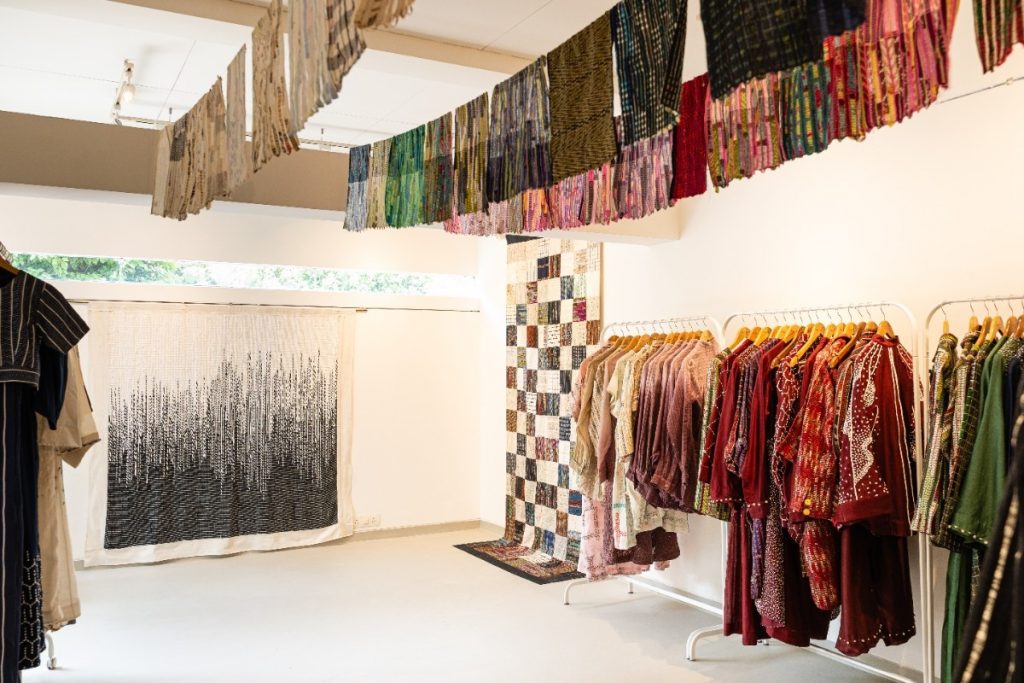
As you look to expand Bougainvillea into other cities and potentially international platforms, how do you plan to scale without losing the intimacy and integrity that define the gallery today?
IP: Growth is important, but for me it can never come at the cost of integrity. One of the biggest lessons in my journey came from recognising misalignment, even in commercially successful situations. It made me very intentional about the kind of practices and collaborations I want Bougainvillea to represent. As we expand into other cities or international contexts, the focus will remain on maintaining the same depth of engagement, intimacy, and curatorial honesty that define the gallery today. Scaling, for me, isn’t about becoming larger for the sake of visibility—it’s about creating meaningful contexts for craft while staying rooted in the values that shaped the gallery in the first place.