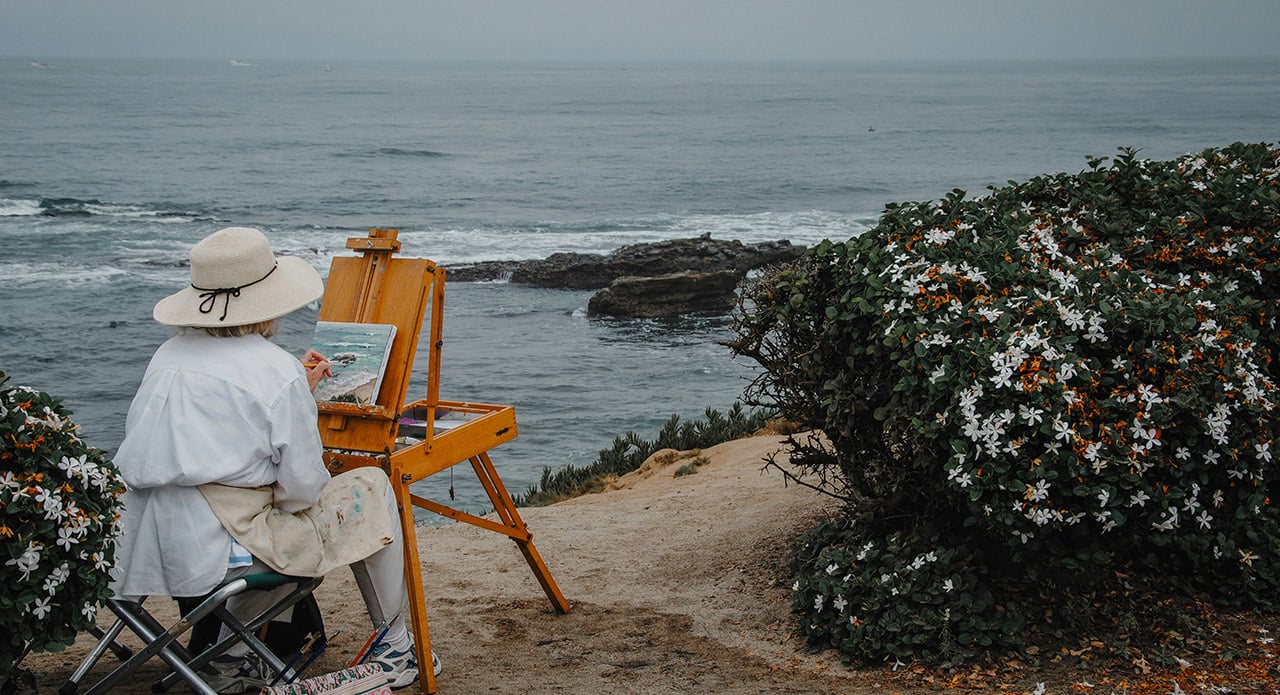


Remember that one artist friend who seems to have struck a secret deal with time. While the rest of us are panic-buying anti-ageing serums and booking hair colour appointments at the sight of a single grey strand, he’s out there ageing like fine wine; glowing, carefree, and somehow frozen in time since college days. The silver streaks in his hair don’t betray his age. In fact, they suit his artistic personality. Every reunion with the friend circle inevitably circles back to the same question: “How has he still not aged?”

Or think of that aunt who still shows up every evening teaching music to her students. At 72, her voice hasn’t lost its melody, and neither has her face lost its radiance. She wears the years lightly, almost as if music itself has turned back the clock for her. Turns out, delving into art may actually do more than feed the soul. A new study suggests it could slow down ageing.
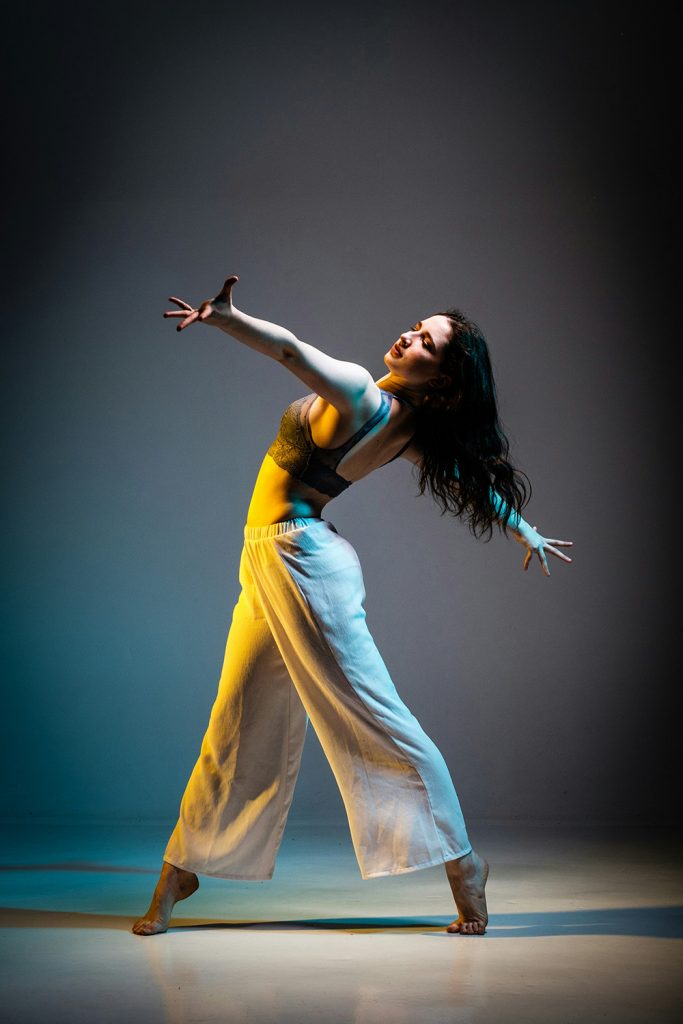
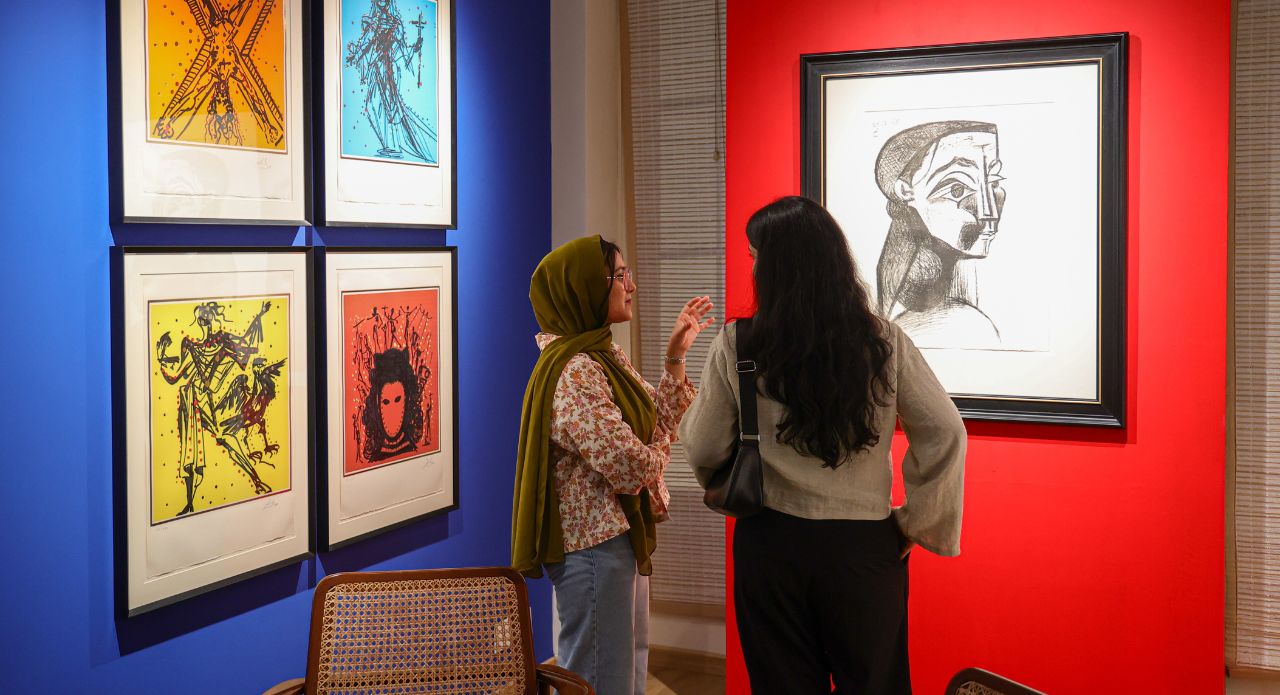
Recently, researchers at University College London have found that engaging in arts and cultural activities may help slow biological ageing. Published in the journal Innovation in Aging on 11 May, the research suggests that activities such as singing, painting, dancing, crafting, visiting museums, heritage sites, libraries, and attending exhibitions can help people remain biologically younger. The study is believed to be the first to establish a direct link between arts engagement and slower biological ageing.
The Findings
The study examined 3,556 adults in the UK and used blood samples to analyse epigenetic clocks, which track age-related changes in DNA to find out biological age rather than chronological age. Researchers also analysed survey responses to understand how frequently participants engaged in cultural and creative activities.
The findings revealed notable differences in biological ageing based on participation levels in art activities. Individuals who took part in cultural activities once a month had biological ages that were approximately 0.8 years younger than those who participated only once or twice annually. Meanwhile, participants engaging in such activities weekly showed biological ages that were 1.02 years younger.

“Our study found that it’s not just about doing arts regularly, but also about doing a range of different arts activities,” says Daisy Fancourt, the lead author of the study and head of the Social Biobehavioural Research Group at UCL. “Each type of arts activity—reading, making music, going to cultural performances, visiting heritage sites etc—has different effects on us cognitively, emotionally and physiologically. So engaging in a diverse range of activities—just like having lots of different plants in our diets—is most beneficial for our health.”
Benefits of art therapy
The study further observed that the relationship between arts participation and biological ageing becomes increasingly significant with age. According to the researchers, creative engagement may offer benefits comparable to, or even more than, physical activities such as running, skiing, or yoga when it comes to healthy ageing.

“This research highlights that arts engagement is a health-promoting behaviour. As such, it’s important that we don’t just treat it as a luxury in our lives but an essential,” Fancourt says. “Regular—ideally daily—creative engagement is important to promote, just like we promote 10,000 steps a day or five-a-day of fruits and vegetables.”
Such studies are a sign that you need to pick up that paintbrush, musical instrument, or put on your dancing shoes that you’ve been planning to do for a long time.