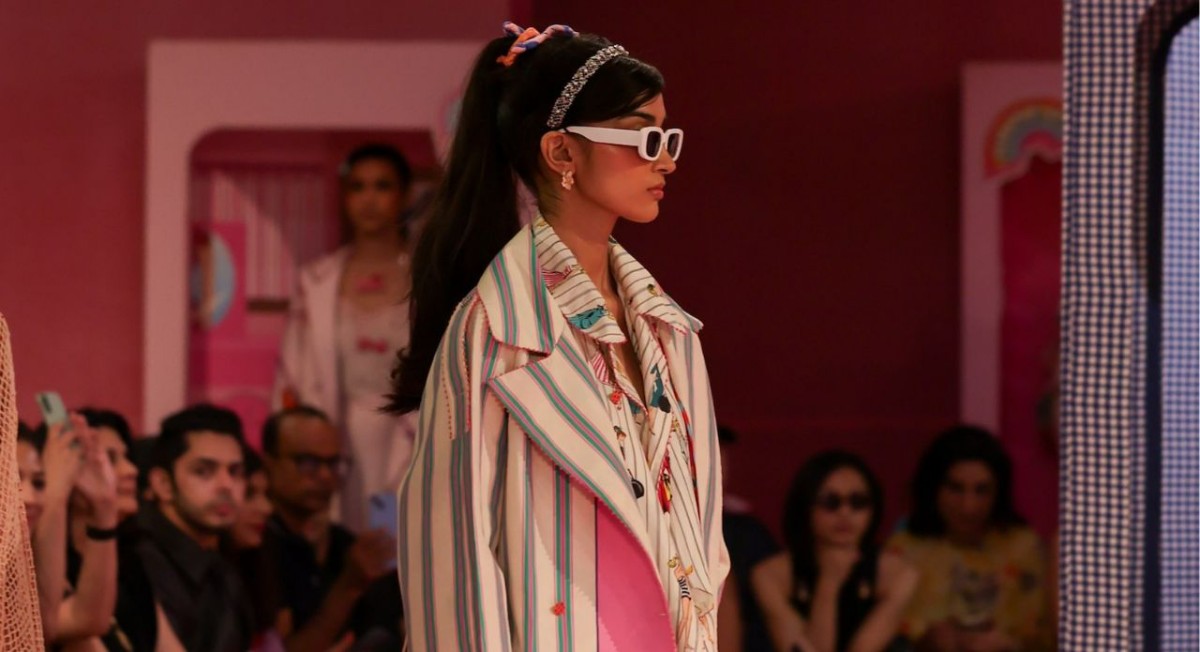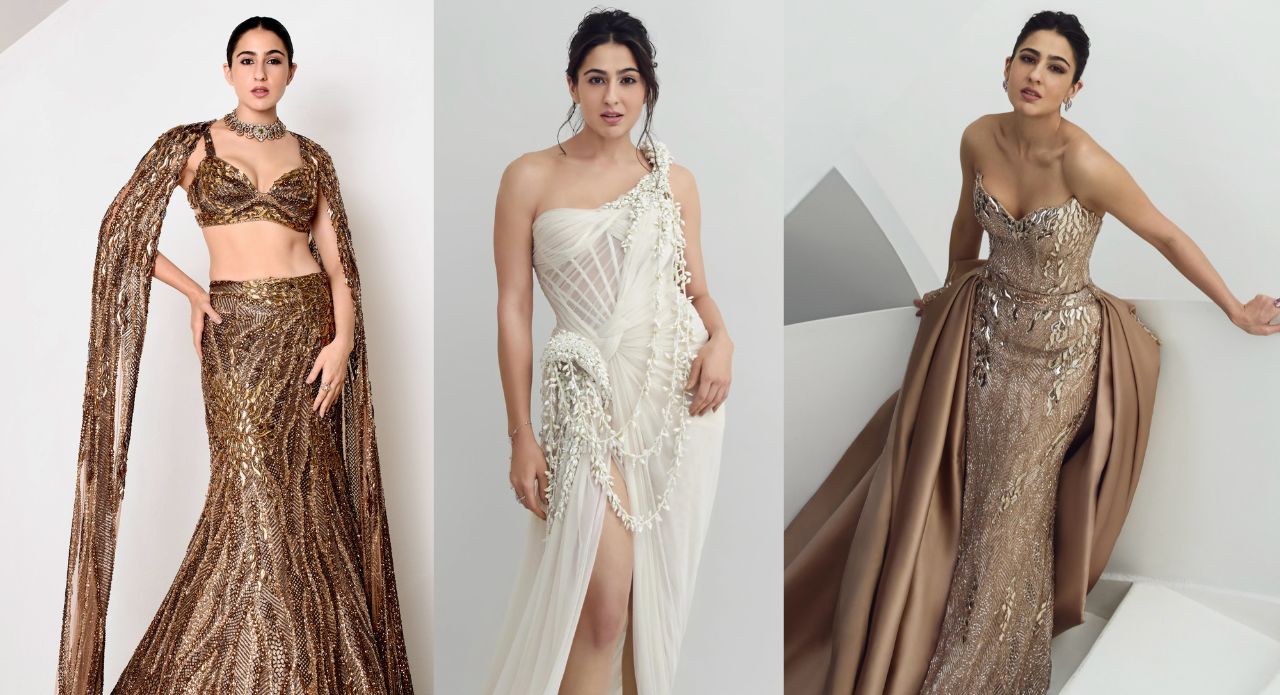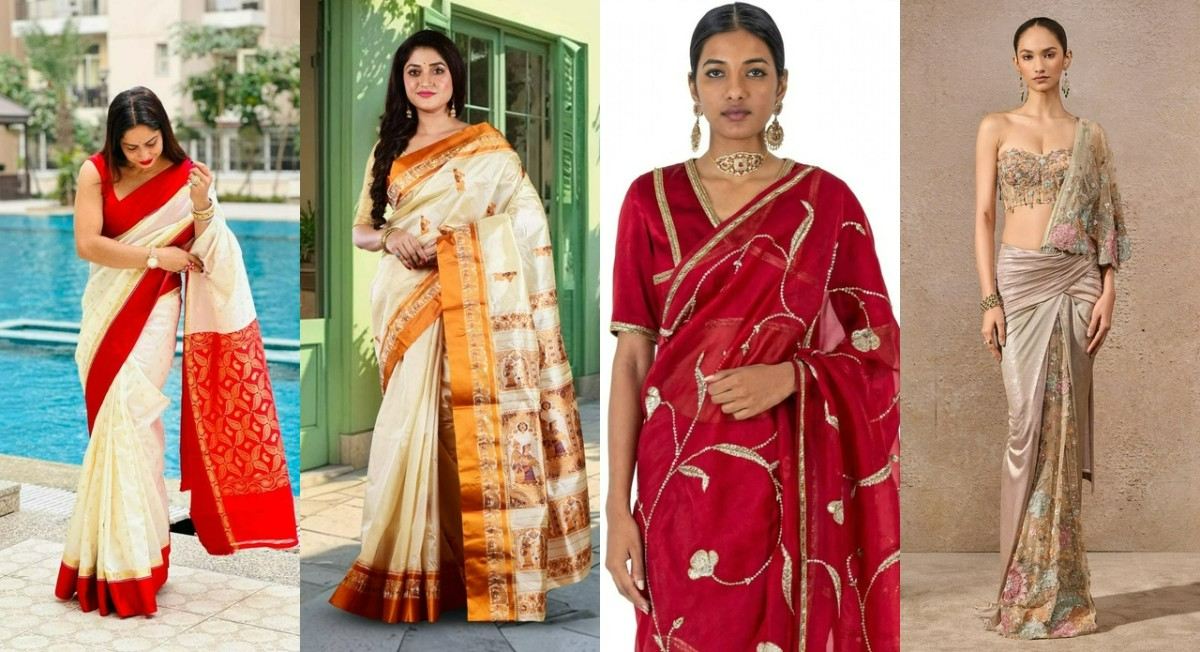


Flowers have been having a particularly visible moment in Indian fashion this year but their presence is hardly confined to a passing seasonal trend. In March, Nita Ambani and Sreeleela brought floral surface work into the spotlight through their fashion choices, while Payal Pratap transformed Lakmé Fashion Week x FDCI into a botanical world with her collection ‘Memories Pressed in Time’, placing a denim tree at the centre of the runway and weaving nature into its design language.
By May, Ridhi Mehra’s ‘Modern Royals’ drew on palace gardens and vintage textiles, bringing floral imagery into contemporary occasion wear. The motif returned to the global fashion conversation at the Met Gala, where Indian craftsmanship drew on nature-linked imagery, and again in July at India Couture Week, where designers including Tarun Tahiliani and Rahul Mishra brought floral and botanical elements into their collections.
Nature Finds New Expression
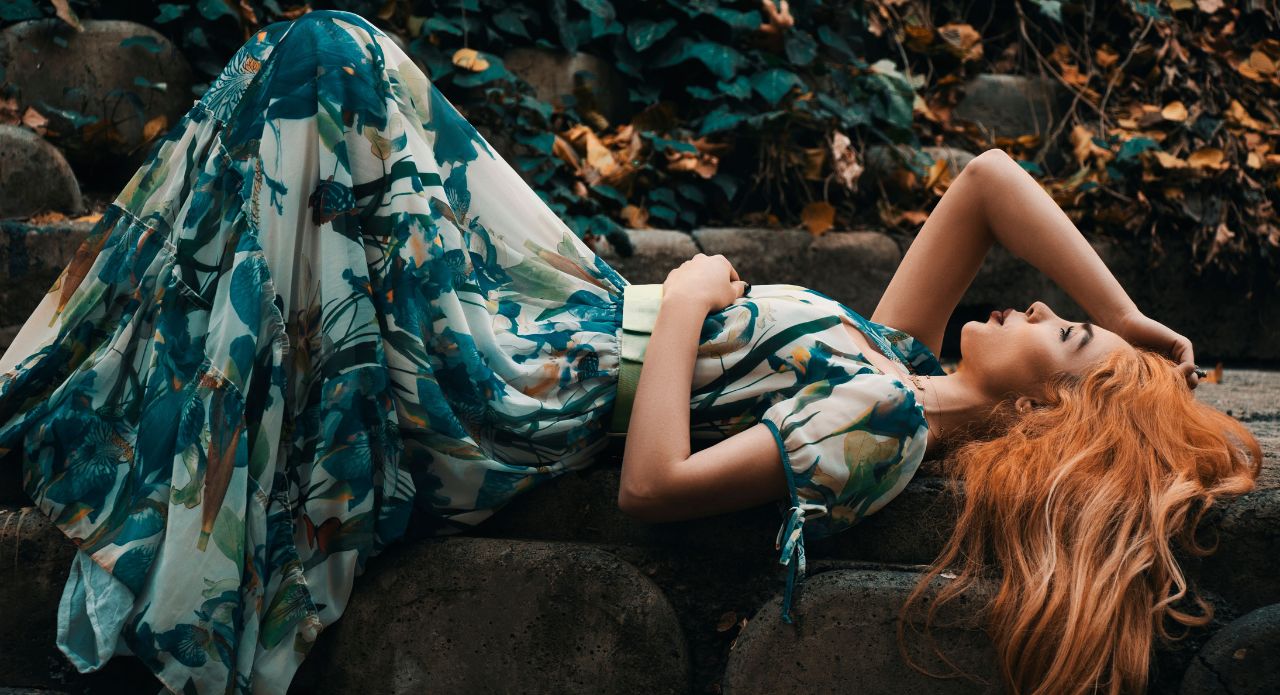
The staying power of botanical prints lies in their remarkable ability to change character. A flower can be romantic on one garment, graphic on another and almost sculptural on a third. In 2026, designers are moving away from predictable clusters of delicate blooms towards oversized petals, intricate embroidery, painterly compositions and three-dimensional interpretations. Botanical imagery is increasingly being treated as a design vocabulary rather than a conventional print, giving garments depth, movement and a sense of artistry.
Also Read: How Modern Indian Textiles Are Shaping Contemporary Fashion
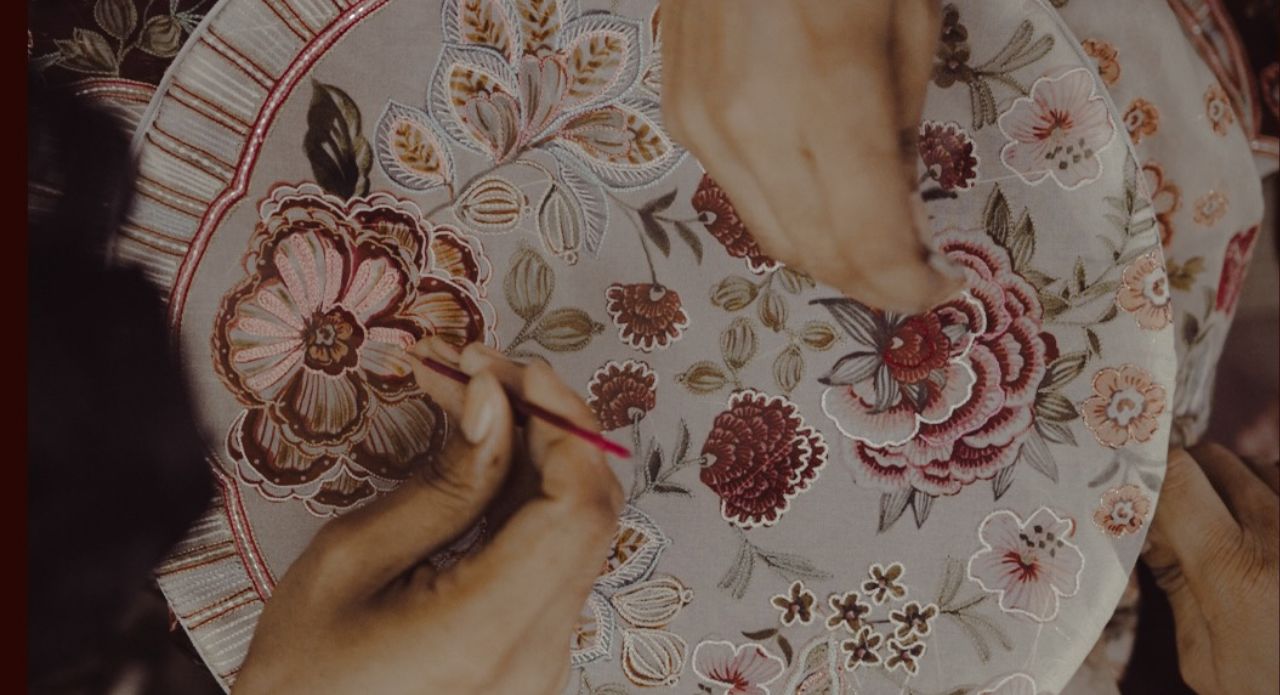
Indian fashion brings an especially rich vocabulary to this evolution. Botanical imagery naturally lends itself to embroidery, hand painting, appliqué and traditional textile techniques, allowing designers to connect contemporary silhouettes with older visual traditions.
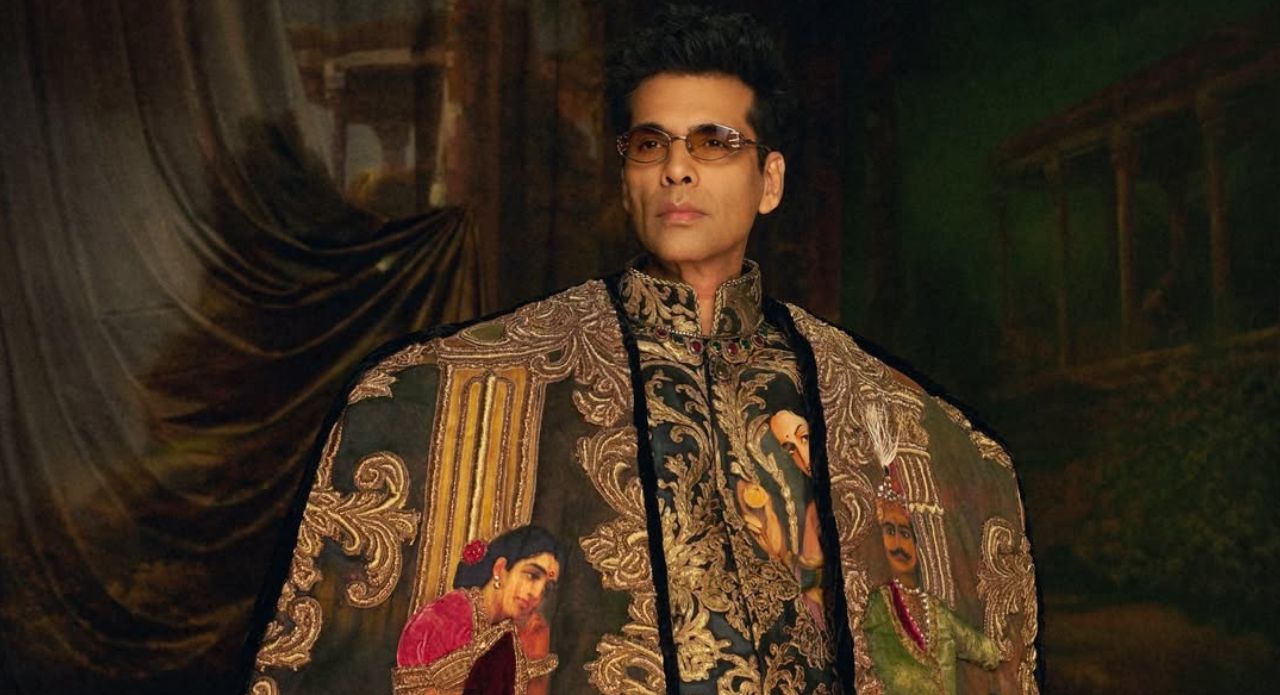
At the Met Gala, Karan Johar’s Manish Malhotra ensemble drew inspiration from Raja Ravi Varma’s paintings, while Mayyur Girotra’s creation for Diya Mehta Jatia incorporated the Shola craft tradition. These looks demonstrated how nature-inspired references can carry cultural meaning while retaining the visual impact expected of couture.
Flowers Take the Spotlight
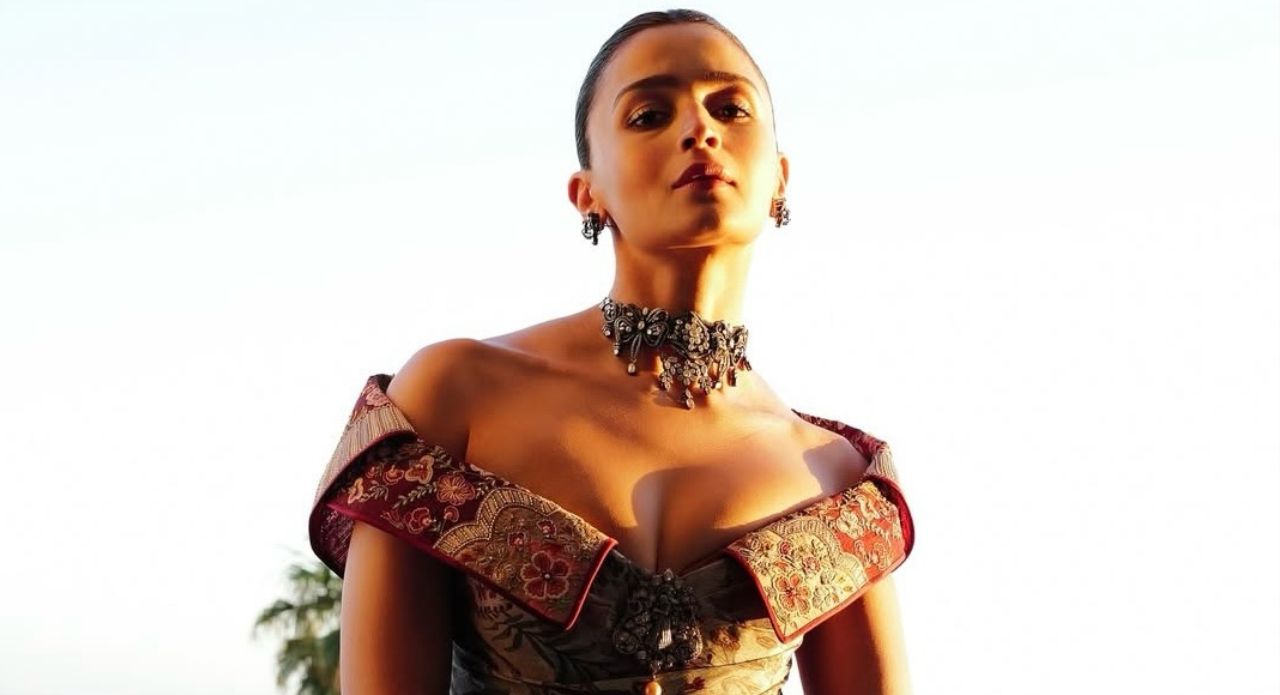
The red carpet has further amplified the appeal of luxury floral fashion. At Cannes in May, Alia Bhatt wore a Tarun Tahiliani couture sari inspired by archival chintz florals, combining corsetry, draping, sculptural construction and embroidery. The look demonstrated how a recognisable botanical reference can be reworked into something distinctly modern without losing its connection to textile history.
At India Couture Week, botanical elements have similarly appeared through embroidery, surface detailing and nature-led narratives, reinforcing the motif’s place within contemporary Indian couture.
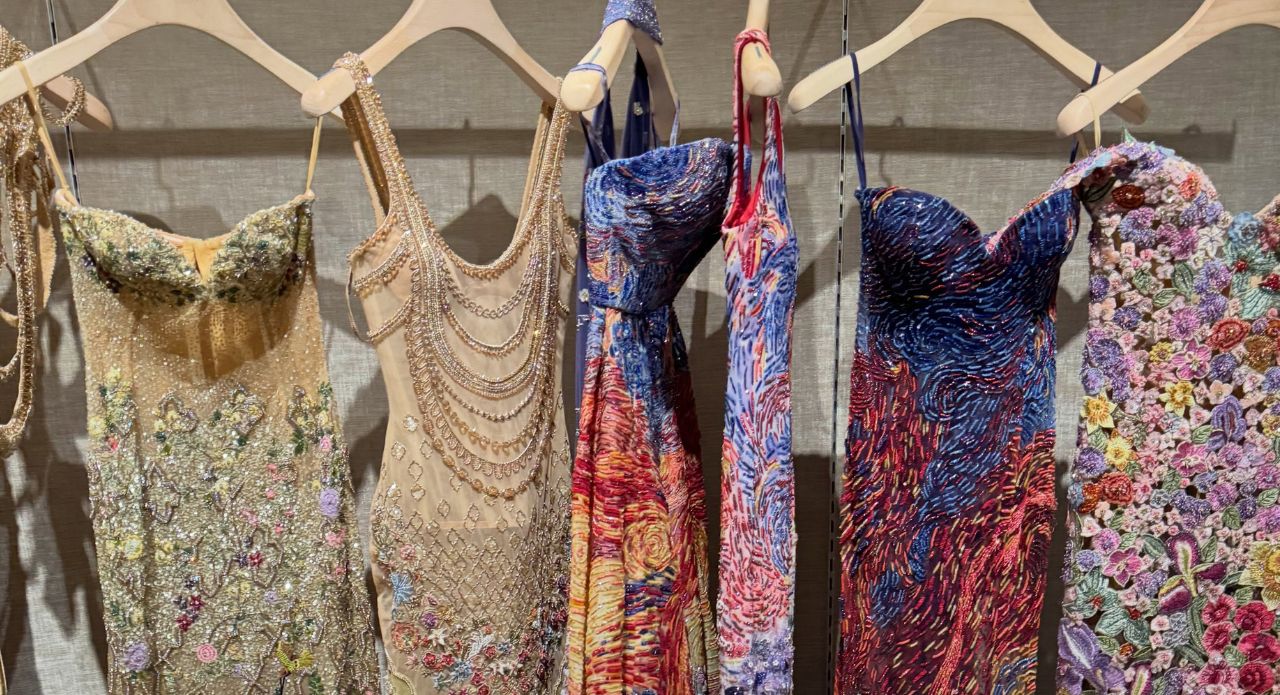
Rahul Mishra’s work, in particular, has long explored the relationship between flora, fauna and intricate hand embroidery, while Tarun Tahiliani’s fluid couture language allows floral detailing to work alongside sculptural drapes and structured silhouettes.
Also Read: India Couture Week 2026: Aisha Rao’s ‘Priyasi’ and Rahul Mishra’s ‘Devi’ Close the Season in Style
That balance explains why floral couture continues to hold its place. Botanical prints can soften a structured silhouette, give movement to a sari or transform an evening gown into a canvas for craftsmanship. They also allow luxury houses to tell stories about gardens, heritage, memory and the natural world without relying on overt branding.
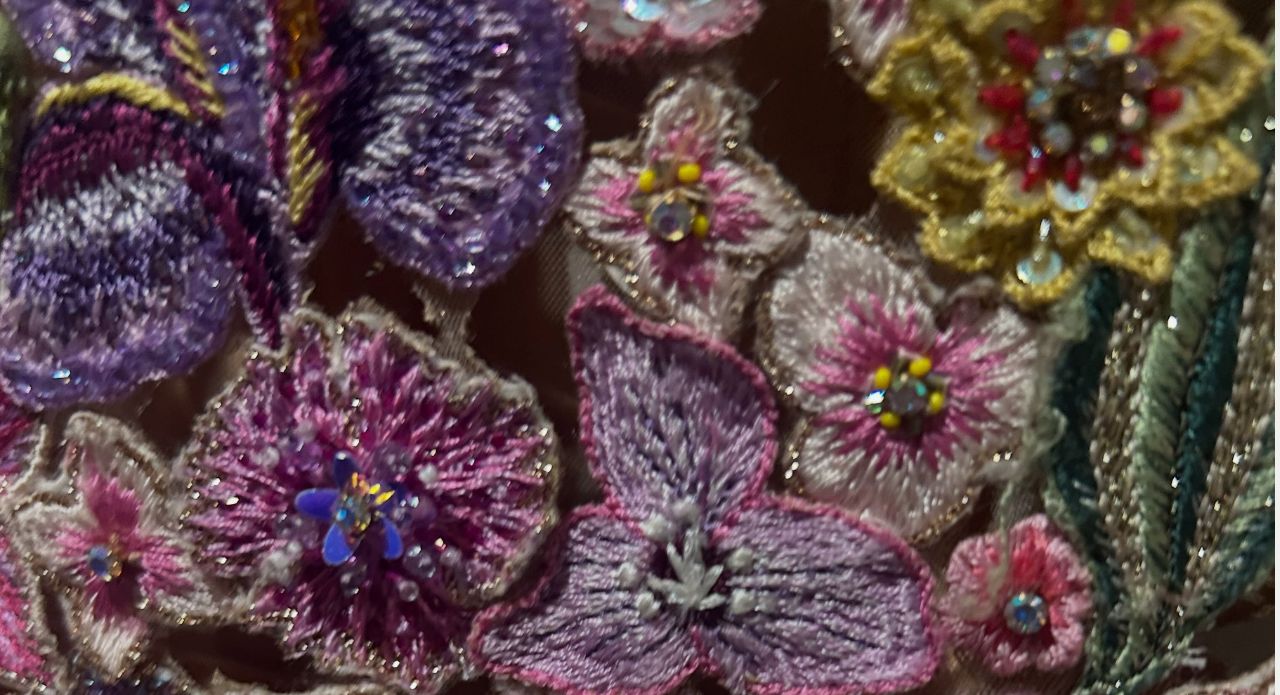
The current fascination, therefore, is less about simply wearing flowers and more about how fashion interprets nature. Leaves become embroidery, gardens become prints and individual blooms become sculptural statements. In an industry constantly searching for newness, the botanical motif offers an unusual advantage: an image that is instantly familiar, yet endlessly open to reinvention.