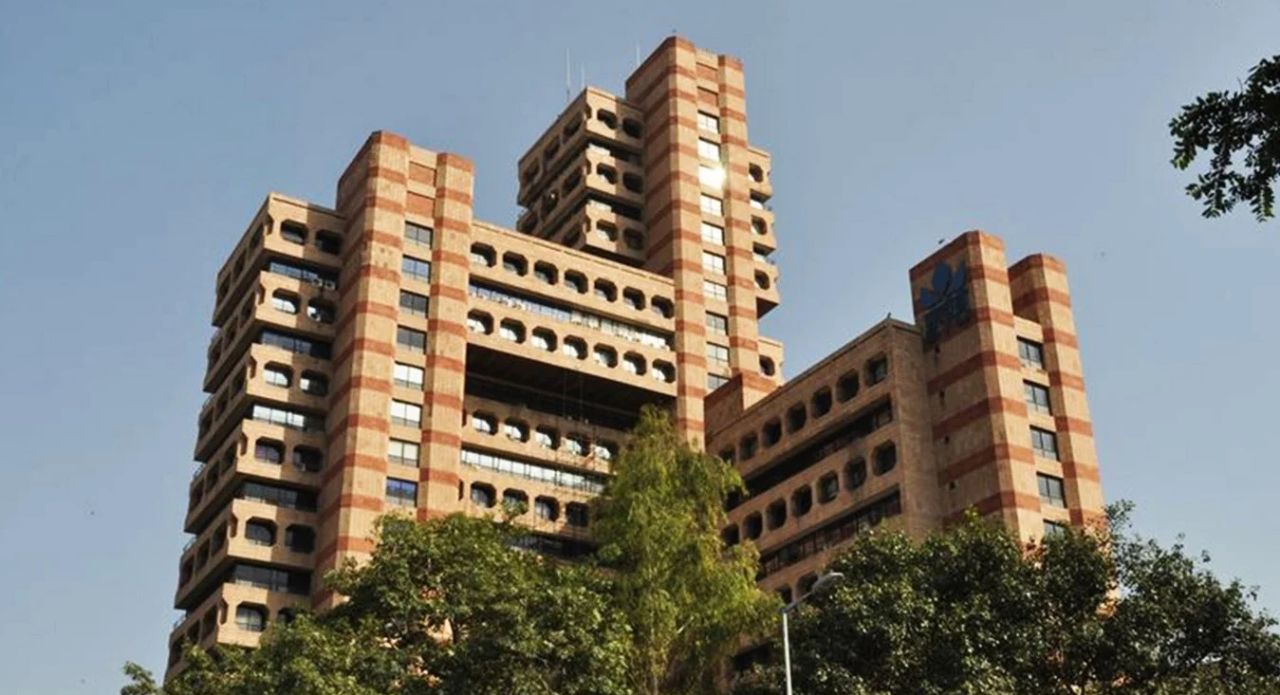


Indian architecture has never belonged to a single style or a single moment in time. It is layered complex, and endlessly evolving. Shaped by climate, craft, spirituality, and rapid urban change all at once. From ancient stepwells to modern campuses, India has always understood that buildings must respond to how people actually live rather than how trends suggest they should. Modern Indian architects inherited this complexity and turned it into a strength creating design languages that feel contemporary while remaining deeply connected to place. The following five architects helped define what modern Indian architecture could become both within the country and on the global stage.
Balkrishna Doshi
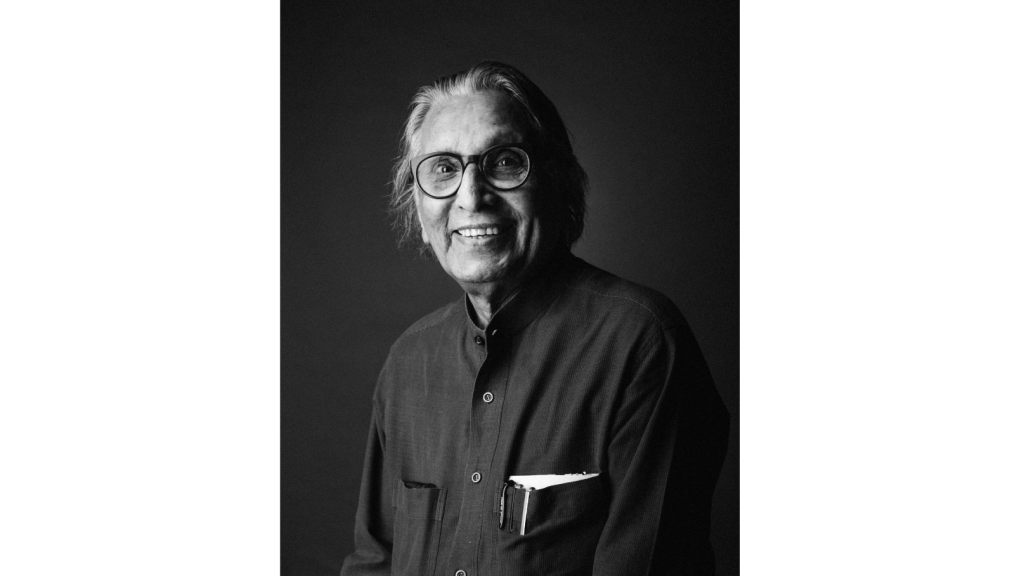
Doshi believed architecture should serve people first and everything else second. Influenced by modernist principles yet rooted in Indian life his work focused on climate social interaction and affordability. Projects such as Aranya Housing demonstrated how thoughtful design could create dignity and community at scale. Doshi’s contribution lies in proving that modern architecture in India could be humane inclusive and deeply contextual. Institute of Indology, Ahmedabad, IIM, Bangalore, CEPT University (Centre for Environment and Planning Technology), Ahmedabad are some of the famous building created by Doshi.
Charles Correa
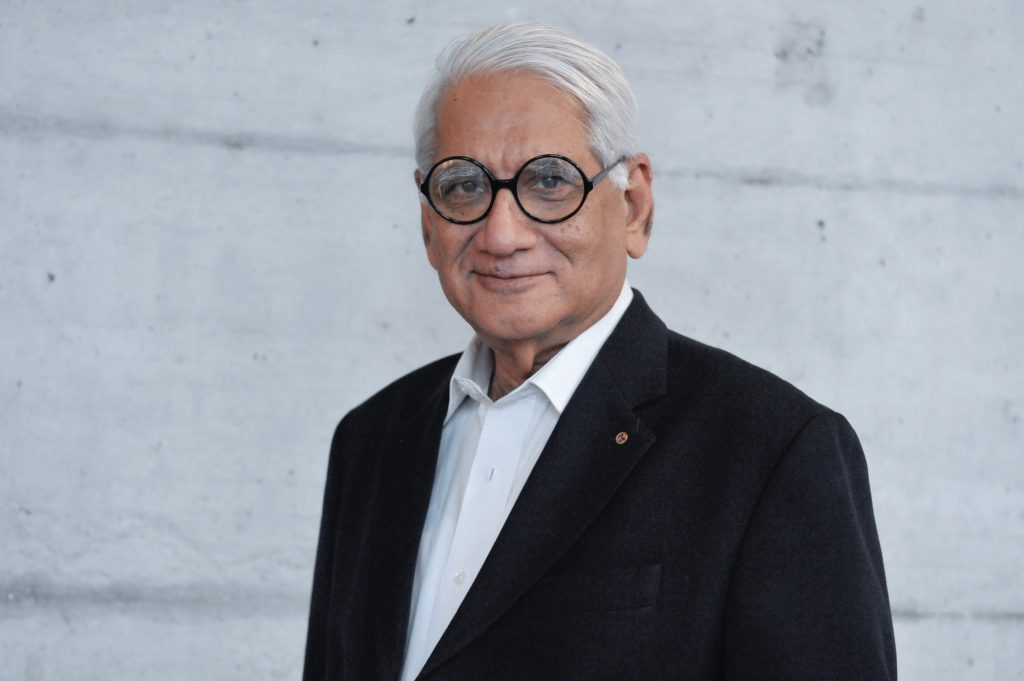
Correa shaped modern Indian architecture through a profound understanding of climate and urban life. He rejected imported ideas that ignored local conditions and instead developed spaces centred around courtyards terraces and natural ventilation. His work including cultural institutions housing and city planning projects showed how architecture could balance tradition with progress. Correa’s influence extends beyond buildings into the very way Indian cities imagine growth. Gandhi Memorial Museum, Ahmedabad, Bharat Bhavan, Bhopal, Jawahar Kala Kendra, Jaipur are some of the creations by Correa.
Also Read: Top Mexican Architects Preserving Culture Through Design
Laurie Baker
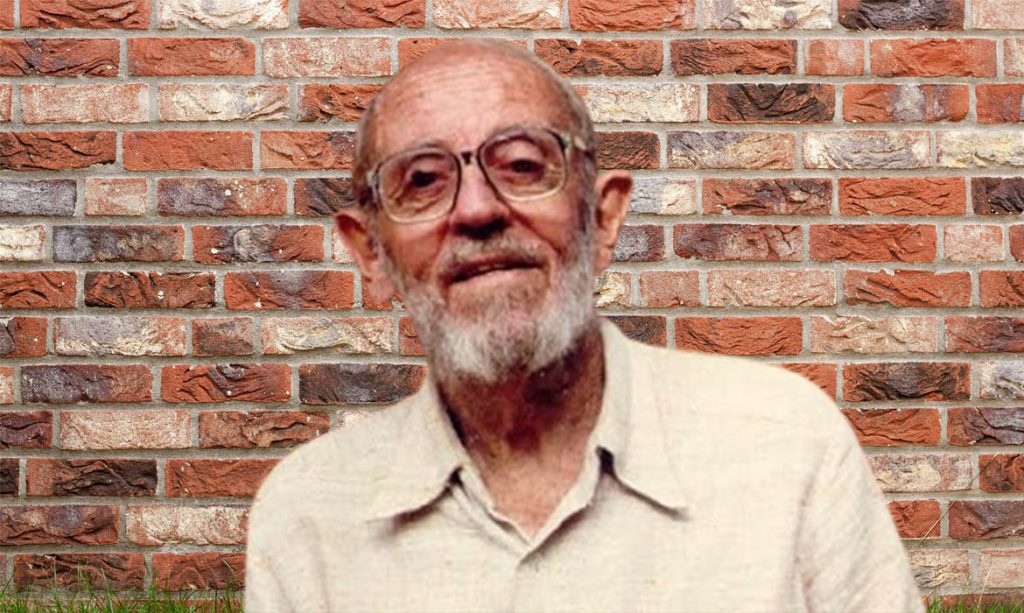
Baker embraced low cost construction local materials and energy efficiency long before sustainability became fashionable. Working primarily in Kerala he demonstrated how architecture could be affordable beautiful and environmentally responsible. His use of exposed brick passive cooling and inventive detailing created buildings that felt both humble and intelligent. Baker’s legacy continues to inspire architects focused on sustainable design across India. Baker was a architect renowned for sustainable, low-cost, and energy-efficient designs in Kerala, India. His most famous works include the iconic Indian Coffee House (Trivandrum), his residence The Hamlet, and the Centre for Development Studies.
Hafeez Contractor
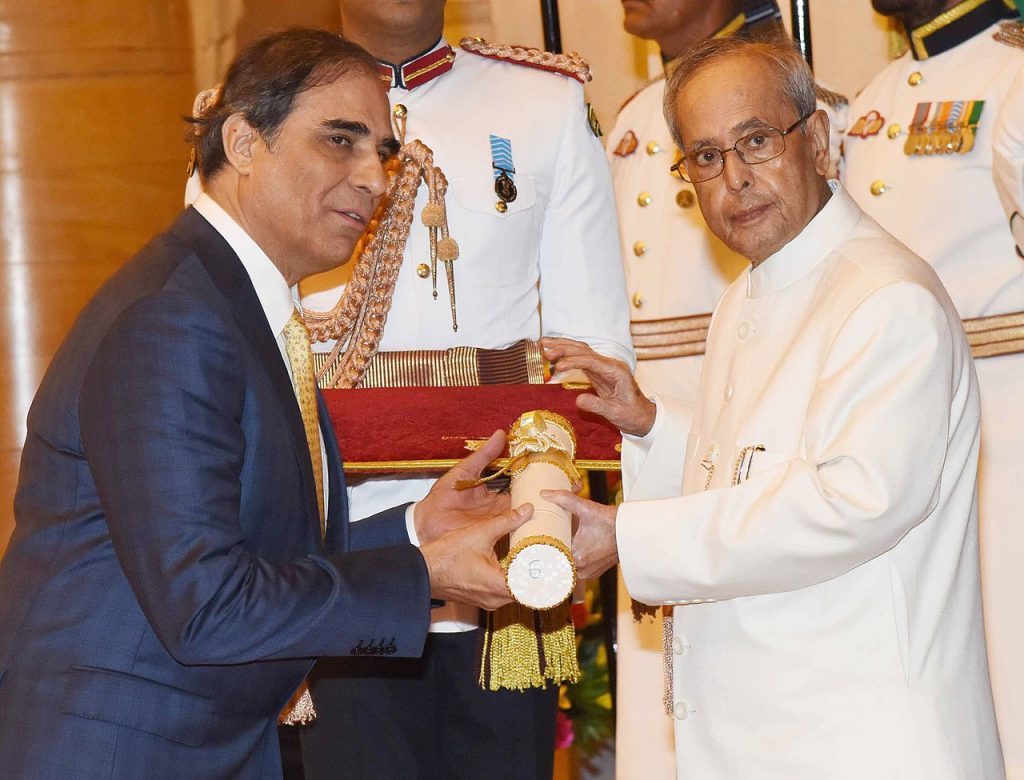
Contractor helped shape the contemporary face of India’s rapidly expanding cities. Known for large scale residential and commercial developments his work reflects the energy and ambition of urban India. While often associated with scale and modernity his contribution lies in bringing global design language into the Indian context during a period of extraordinary economic growth. Hafeez Contractor is a renowned Indian architect known for shaping modern Indian city skylines with prominent residential and commercial skyscrapers. His most famous projects include The Imperial Towers (Mumbai), The 42 (Kolkata), Hiranandani Gardens (Powai), the DY Patil Stadium, Navi Mumbai, Birla Institute of Technology and Sciences, Pilani.
Brinda Somaya
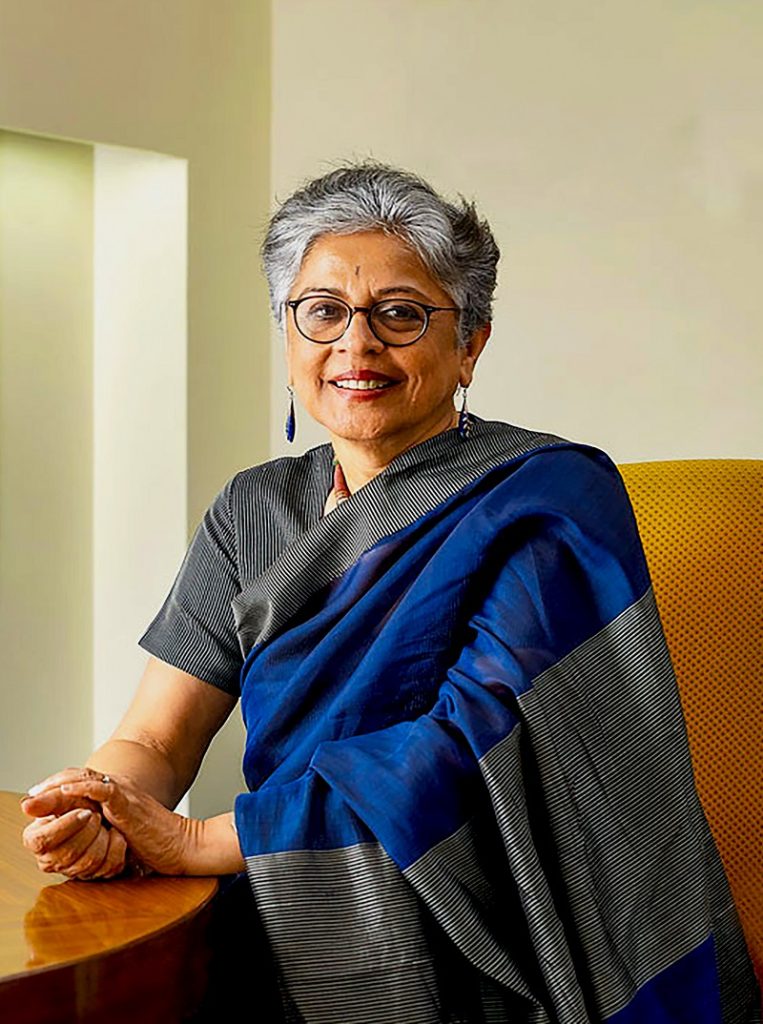
Somaya’s work demonstrates how modern architecture can coexist with preservation and social responsibility. She has led significant restoration projects while creating new buildings that respect cultural and historical context. Her contribution lies in bridging past and present proving that development does not need to erase memory to move forward. Somaya’s famous works include Nalanda International School, Vadodara, Goa Institute of Management, Goa, , Zensar Technology Limited, Pune, TCS House, Mumbai.
A Legacy of Diverse Voices
Together these architects reveal the diversity and richness of modern Indian architecture. Doshi brought humanism Correa brought climatic intelligence Baker brought sustainability Contractor brought urban ambition and Somaya brought heritage sensitivity. Their work reflects a country constantly changing yet deeply connected to its roots and that balance continues to define Indian architecture today.