

Most architects spend their lives designing boxes. Glass boxes, concrete boxes, luxury boxes for people with suspiciously good lawyers. They call it minimalism, charge an alarming amount of money, and everyone nods politely while pretending a square room changed their spiritual life. Then there is Eugene Tssui, a man who looked at conventional architecture and thought, quite correctly, that it was all terribly boring. Tssui does not design buildings so much as he invents life forms. His work looks less like architecture and more like something discovered at the bottom of the ocean or on a distant planet where gravity has different opinions. His structures curve, twist, stretch, and breathe with an organic intensity that makes ordinary buildings look like filing cabinets. He is not simply an architect. He is what happens when architecture refuses to behave.
Architecture Inspired By Nature, Not Geometry
Born in the United States and trained at institutions like University of Oregon and Columbia University, Tssui approached design with a question most architects politely avoid: why should buildings ignore biology? Nature, after all, has been solving design problems for millions of years. Bones are stronger than steel for their weight. Shells distribute force better than concrete walls. Wings understand airflow better than most skyscrapers. So instead of copying rectangles from office towers, Tssui looked at sharks, skeletons, muscles, and bird wings. The result was architecture based on biomimicry long before it became a fashionable conference word. His buildings are often aerodynamic, earthquake-resistant, energy-efficient, and deeply sculptural—not because they are trying to be artistic, but because nature already figured out the best solutions and humans were too busy building square apartments to notice.
The Fish House And Other Beautiful Madness
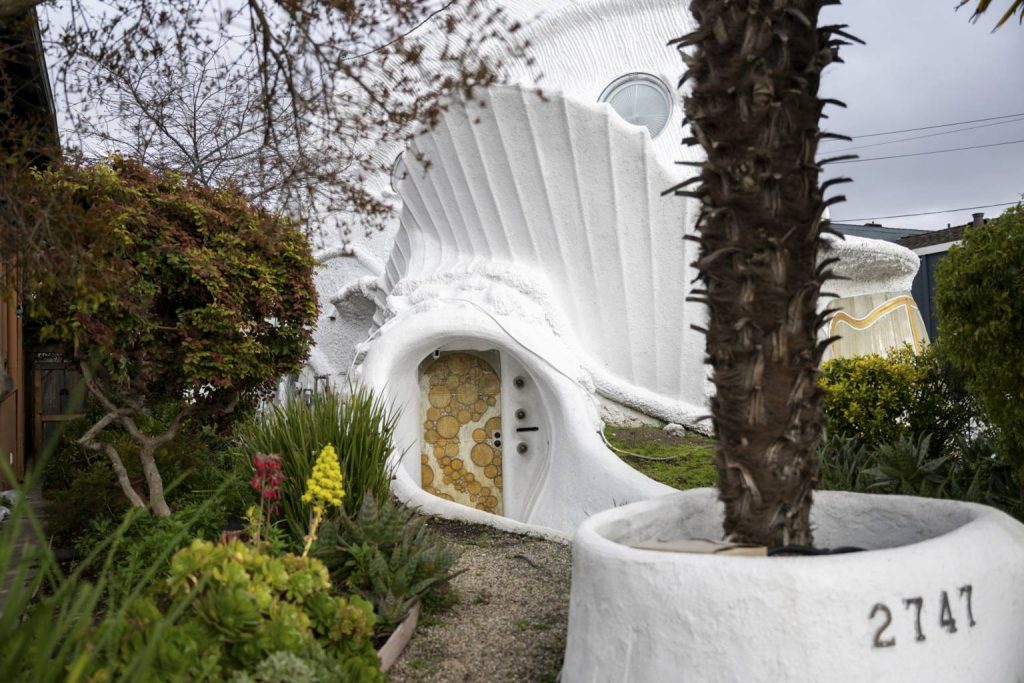
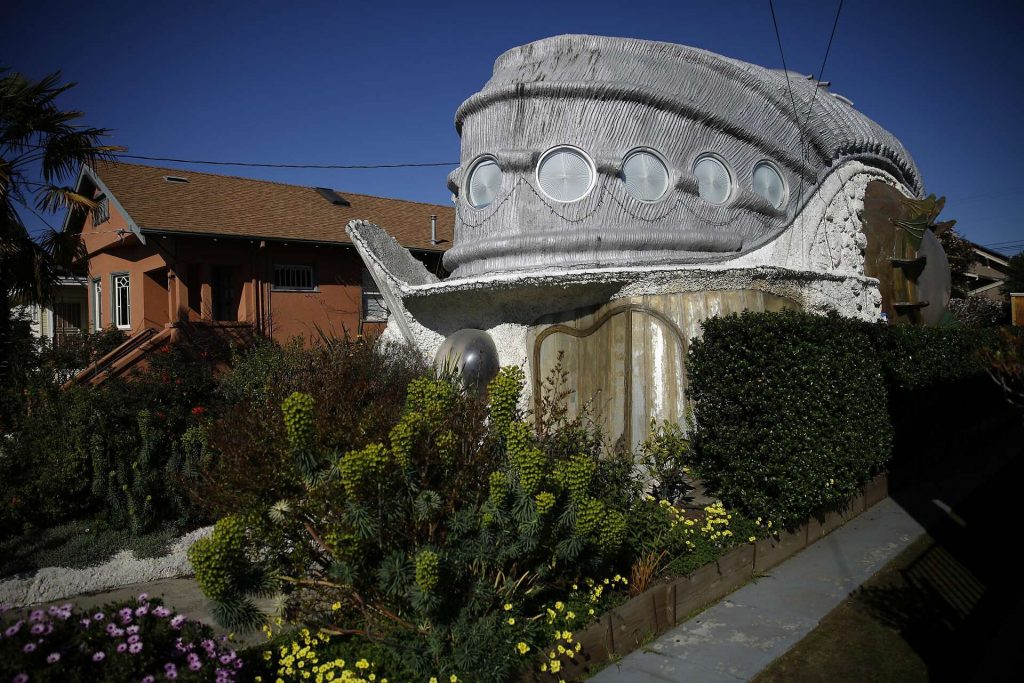
Perhaps his most famous work is Ojo del Sol, often nicknamed the Fish House, a structure in California that looks exactly like what would happen if a whale decided to become real estate. With sweeping curves, skeletal framing, and an almost animal-like posture, it appears alive. It does not sit on the land so much as it seems to have landed there from somewhere else. And that is the point. Tssui believes buildings should interact with the environment rather than dominate it. They should respond to wind, light, temperature, and human movement like living systems, not static monuments to ego. In a profession where people still celebrate another beige tower with floor-to-ceiling windows, this is refreshingly unhinged. And brilliant.
Beyond Buildings: Sculptures, Fashion, And Wearable Ideas
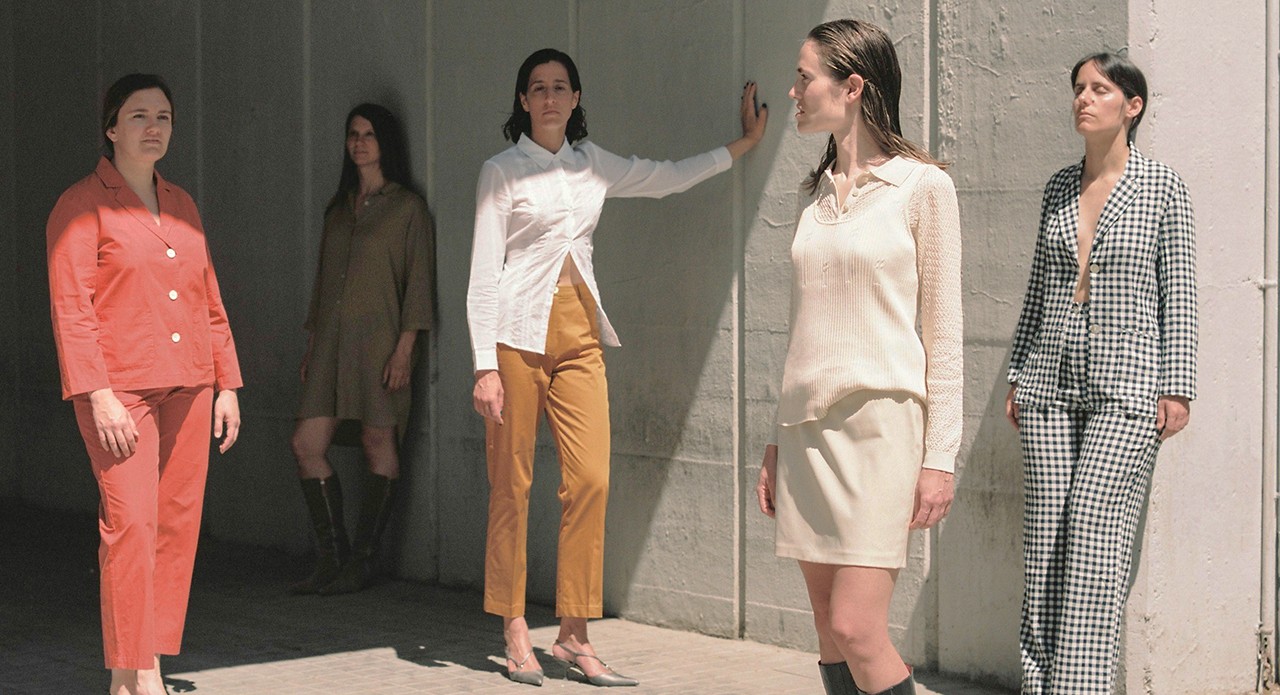
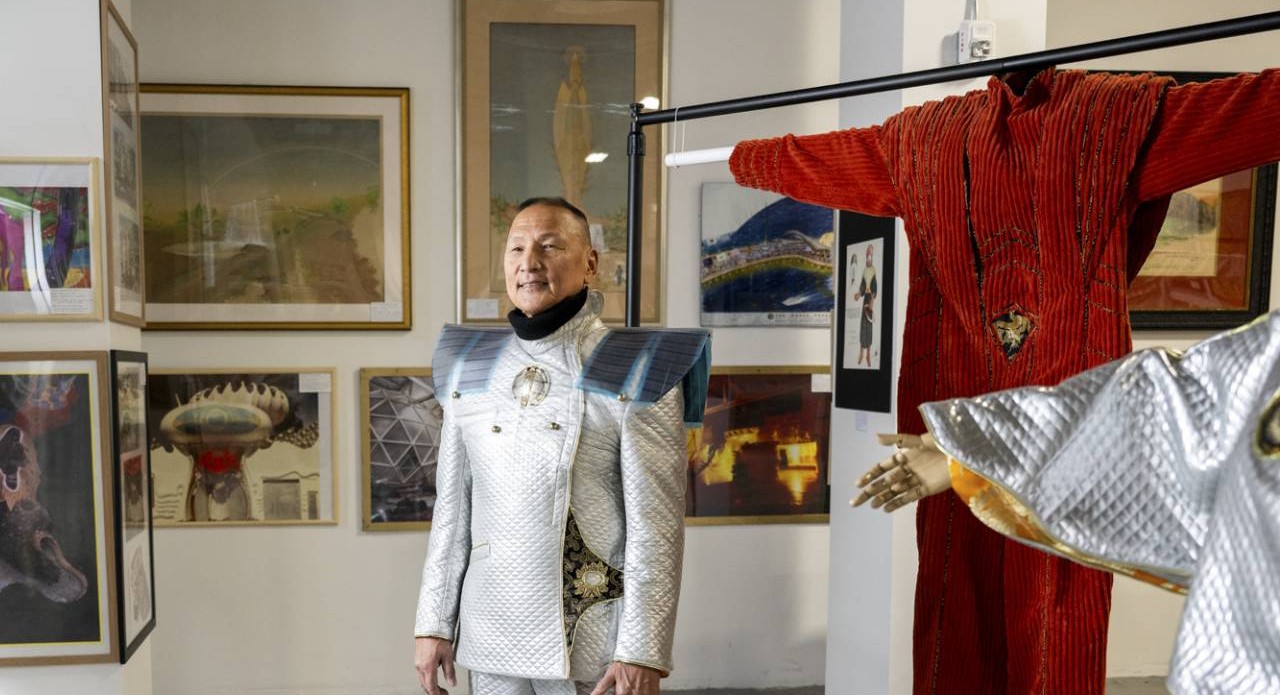
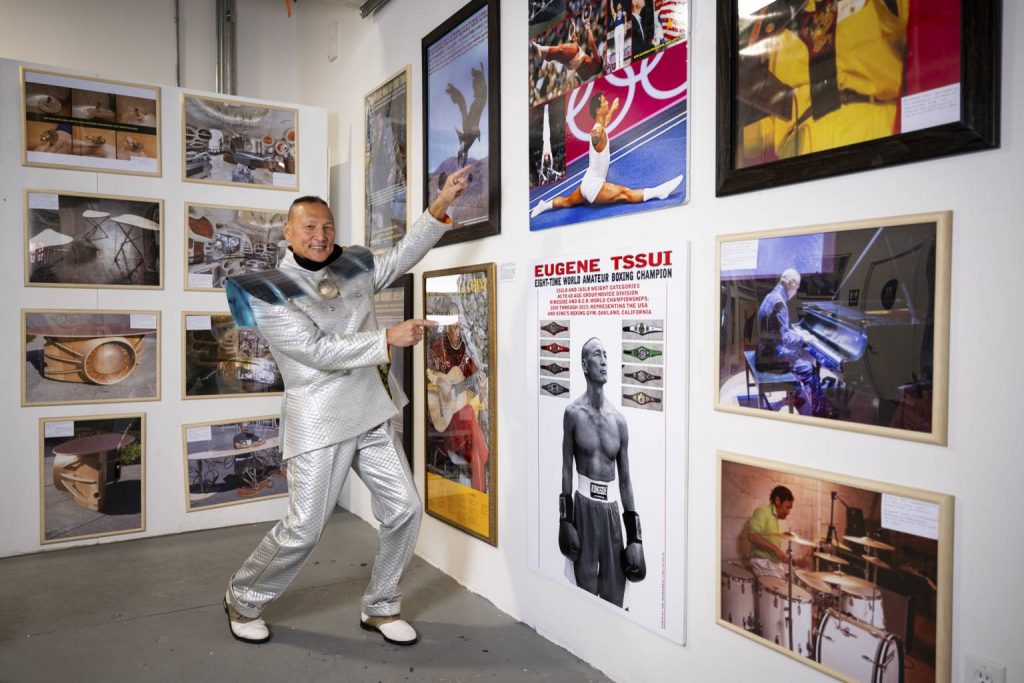
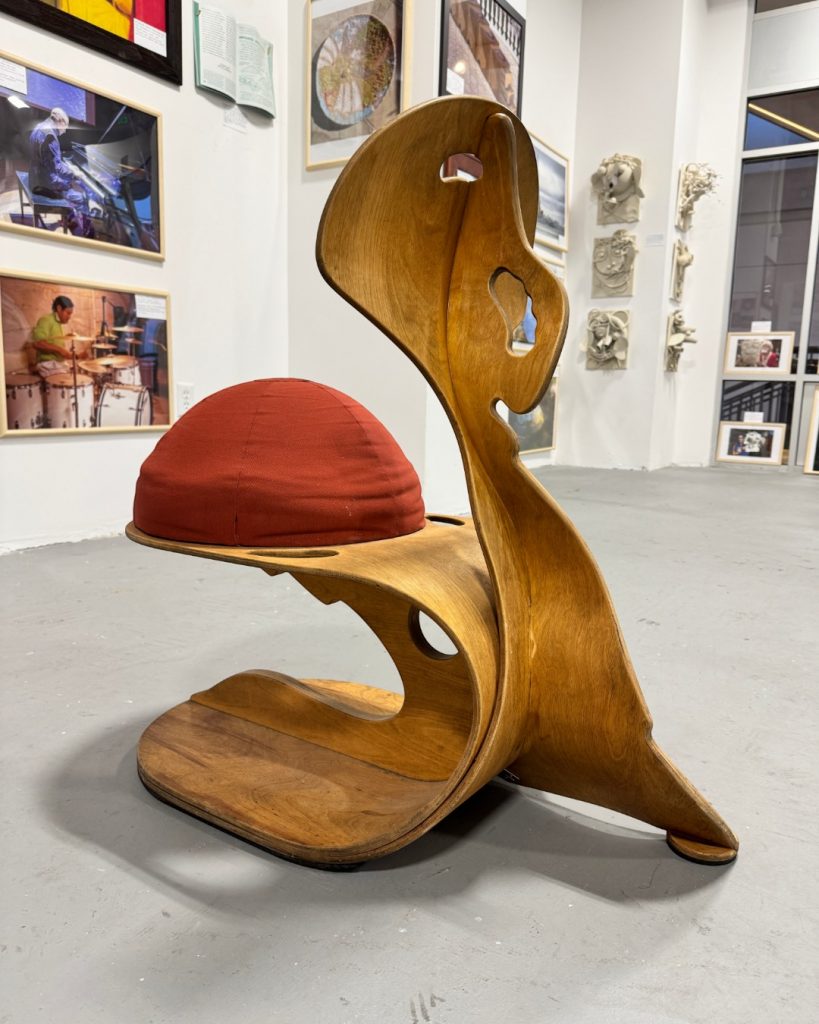
Because apparently architecture was not enough, Tssui also stepped into sculpture and fashion design, proving that conventional career paths are for people who enjoy meetings. His sculptural works carry the same philosophy as his buildings—organic forms, anatomical references, and futuristic silhouettes that feel somewhere between art and survival equipment. His fashion designs are equally radical. These are not clothes for brunch. They are wearable architecture, often inspired by protection, movement, and the human body’s natural structure. Imagine if a racing suit and a sculpture had a very intelligent child. He approaches fashion not as decoration, but as functional design—something that should protect, empower, and evolve with the wearer. Which, frankly, sounds far more useful than another overpriced logo sweatshirt.
Also Read: How Roberto Conte Captures The Power Of Brutalism Through Light, Mass, And Atmosphere
Why His Work Still Feels Ahead Of Its Time
The extraordinary thing about Eugene Tssui is not that he was unusual. It is that he was early. Today, the design world loves words like sustainability, regenerative design, adaptive structures, and biomorphic architecture. Entire conferences are built around concepts Tssui was sketching decades ago while everyone else was busy debating curtain wall finishes. Climate-conscious architecture now demands what he always believed: buildings should work with nature, not against it. Suddenly, the strange man drawing shark-inspired houses does not seem strange at all. He seems inevitable.
The Legacy Of A Design Rebel
Eugene Tssui represents something increasingly rare in modern design: genuine risk. He did not build for trends. He did not soften his ideas for market approval. He did not ask whether people were ready. He simply designed what he believed the future should look like. And often, that future had claws. His work reminds us that architecture is not supposed to be safe. It is supposed to challenge, provoke, and occasionally make you wonder whether the building might blink if you stare too long. Because the best design does not just shelter us. It changes how we imagine living. And Eugene Tssui, gloriously, decided imagination deserved far better than another square room.