

There are photographers who take pictures of buildings, and then there is Roberto Conte, who seems to stalk architecture like a man hunting weather. Because what he captures is not merely concrete, steel, or geometry. He captures mood. Weight. Silence. The peculiar sensation that a building might either inspire civilisation or crush it entirely beneath its own gravity.And nowhere is this more evident than in his work documenting Brutalism.
Now, Brutalism is not universally loved. Some people look at a Brutalist structure and see sculptural honesty, monumental beauty, and fearless architectural ambition. Others see a Soviet car park having an existential crisis. Both opinions, frankly, are understandable. But Conte sees something else entirely, he sees light.
The Architecture Of Weight
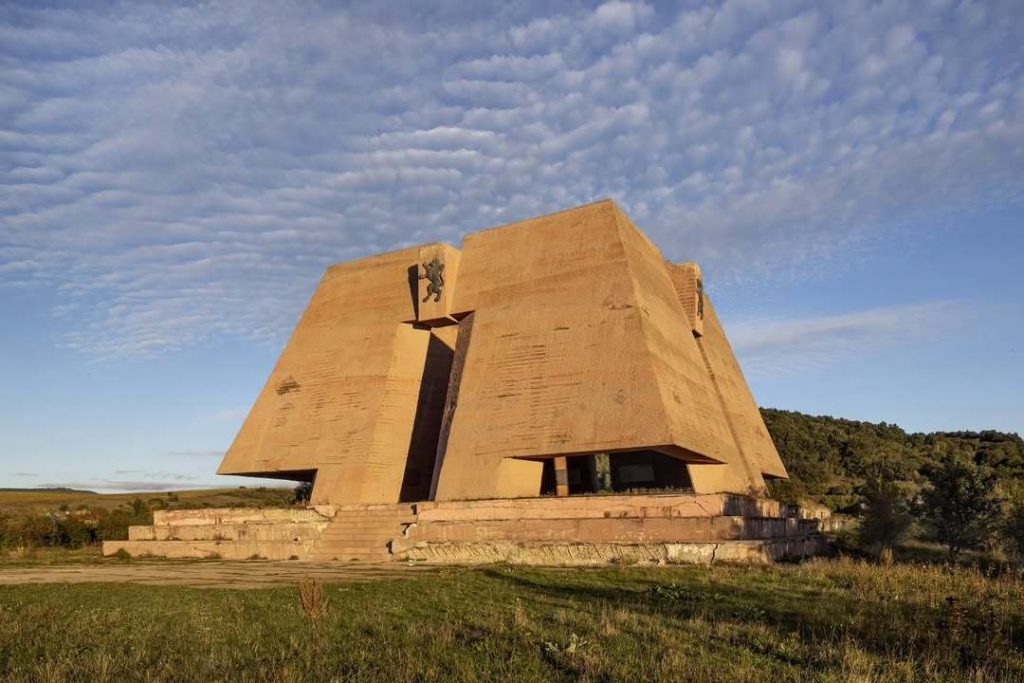
Brutalism emerged in the post-war decades as architecture stripped to its essentials. Raw concrete. Monumental forms. Repetition. Function over decoration. Buildings designed not to charm, but to endure. Architects like Le Corbusier, Paul Rudolph, and Marcel Breuer created structures that felt almost geological, as though they had erupted from the earth rather than been constructed upon it.
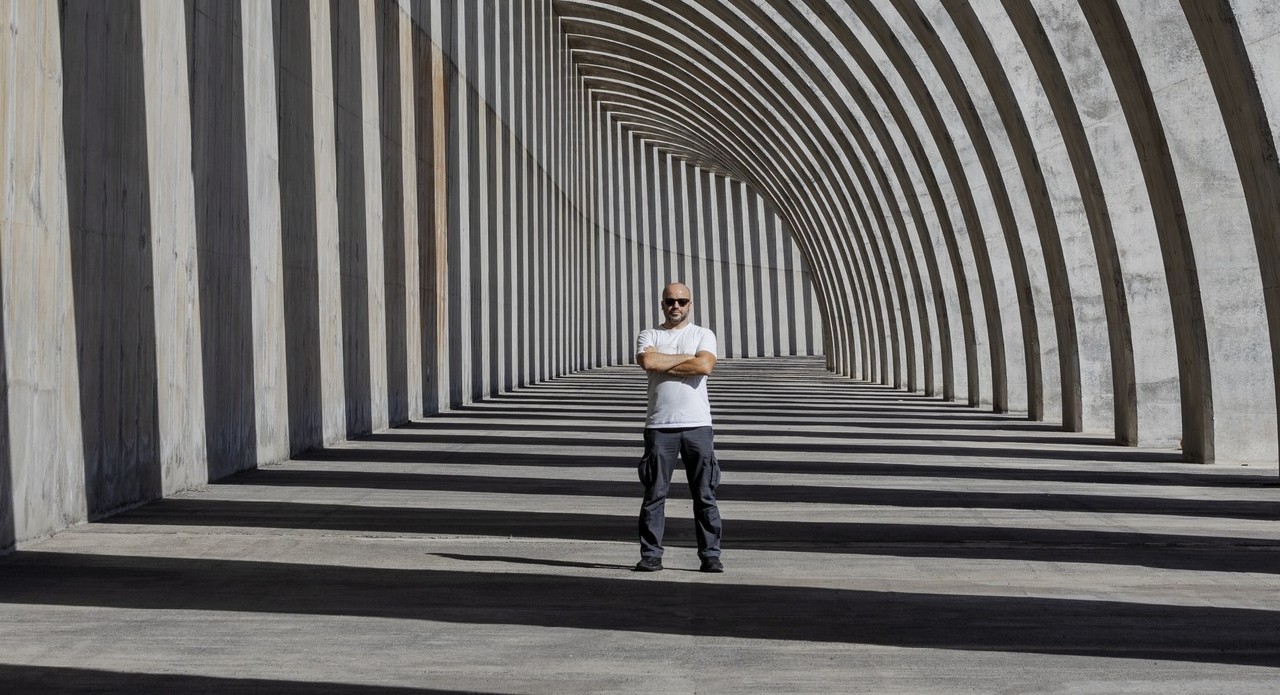
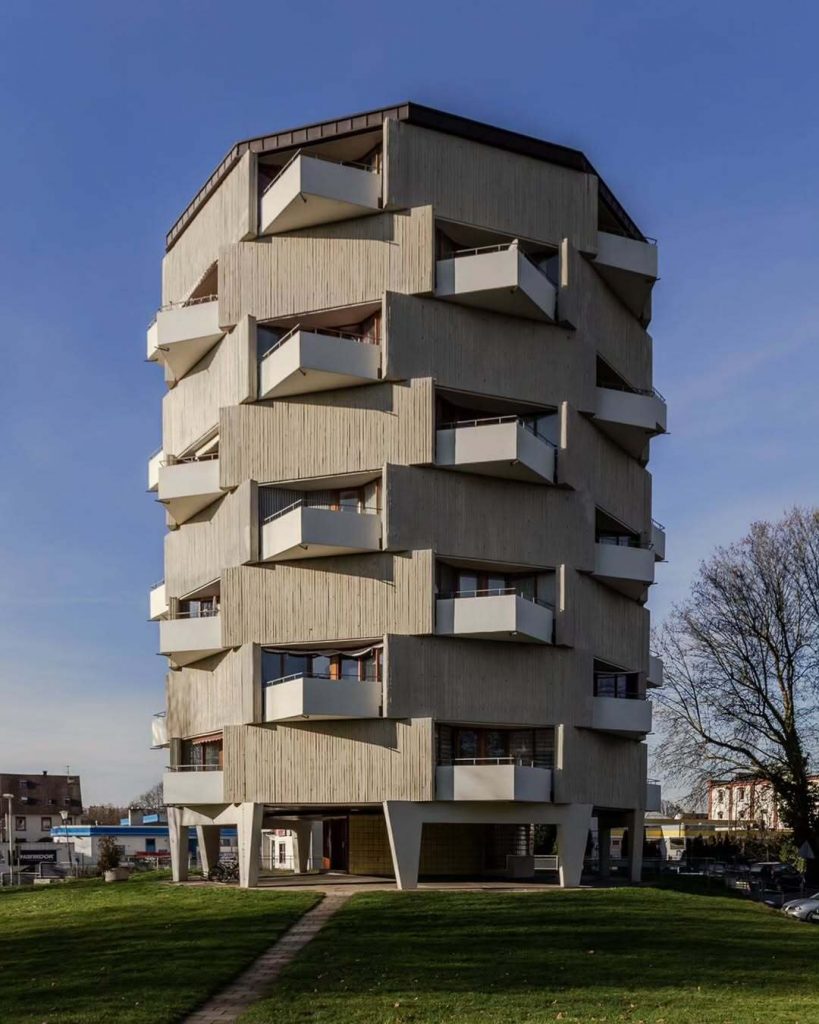
Conte understands this instinctively. His photographs rarely treat Brutalist buildings as static objects. Instead, they appear like enormous living masses occupying space with intimidating authority. A staircase becomes a canyon. A façade resembles a cliff face. A corridor feels less like circulation and more like entering a science fiction cathedral designed by engineers. He photographs buildings the way filmmakers shoot landscapes. With reverence.
Also Read: Inside Lina Bo Bardi’s Casa de Vidro: Brazil’s Iconic Glass House Masterpiece
Light As Architecture
What separates Conte’s work from ordinary architectural photography is his obsession with atmosphere. Most photographers document structure. Conte documents what light does to structure. Early morning sun sliding across exposed concrete suddenly reveals softness inside hardness. Deep shadows carve geometry into abstraction. Fog transforms buildings into hovering monoliths disconnected from time entirely. In his imagery, light becomes an architectural material equal to concrete itself.
A Brutalist building photographed at noon can feel oppressive. The same building photographed at dawn becomes contemplative. By dusk, it can feel haunting. Conte understands that architecture is never fixed. It changes with weather, season, silence, and shadow. And that is where his work becomes almost emotional.
Silence, Stillness, And Cinematic Tension
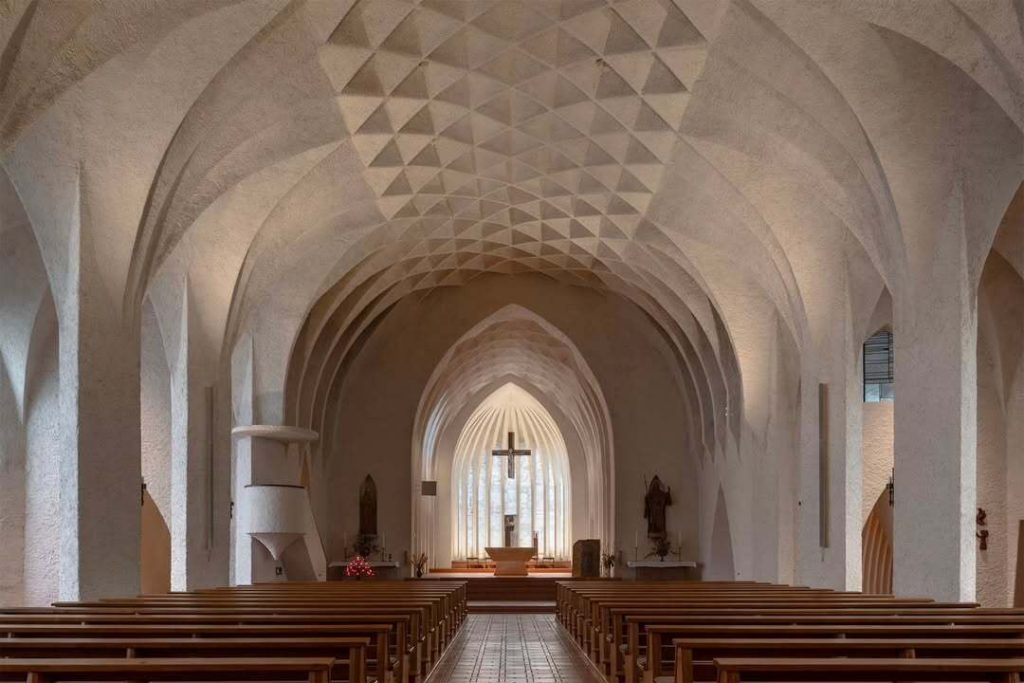
There is something eerily cinematic about Conte’s work. Many of his photographs feel frozen between moments, as though the building is waiting for something to happen. Empty plazas stretch into silence. Corridors disappear into darkness. Vast interiors stand motionless beneath cold shafts of light.
It recalls the visual tension of directors like Andrei Tarkovsky or Stanley Kubrick, where architecture becomes psychological space rather than simple backdrop. Conte photographs Brutalism not as nostalgia, but as atmosphere. And in an era obsessed with polished minimalism and algorithm-friendly interiors, his work feels refreshingly uncompromising. Because Brutalism itself was uncompromising.
Beyond Documentation
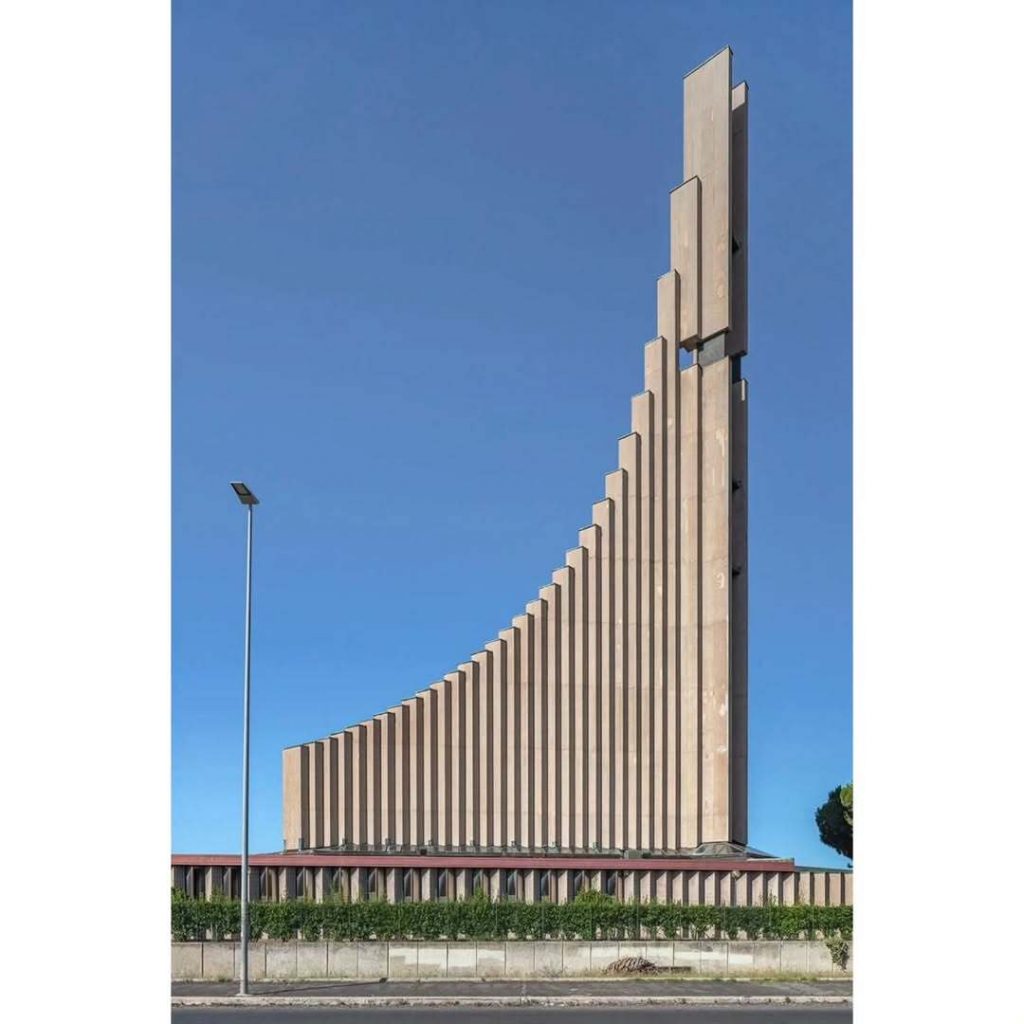
Ultimately, Roberto Conte does not photograph architecture merely to preserve it. He photographs it to reinterpret it. His work reminds us that buildings are not static objects. They are emotional experiences shaped by light, weather, silence, and time. Brutalism, in his hands, becomes less about concrete and more about atmosphere.
And perhaps that is why his photographs resonate so deeply. Because beneath all that monumental mass and geometry, Conte reveals something unexpected: Sensitivity, which is not something most people expect from several thousand tonnes of exposed concrete.