

It is where Lina Bo Bardi redefined architecture through light, landscape, and the simple brilliance of letting nature become part of the design. More than a residence, it remains one of Brazil’s most iconic examples of modernist beauty with a soul. There are houses, and then there are houses that look like they were designed by someone who simply refused to accept that walls should behave like walls. Lina Bo Bardi’s Casa de Vidro, or Glass House, is exactly that sort of rebellion. Built in 1951 in São Paulo, it is not merely a home, it is an argument. A beautifully suspended, glass-wrapped argument about how architecture should breathe, live, and occasionally make everyone else look terribly unimaginative.
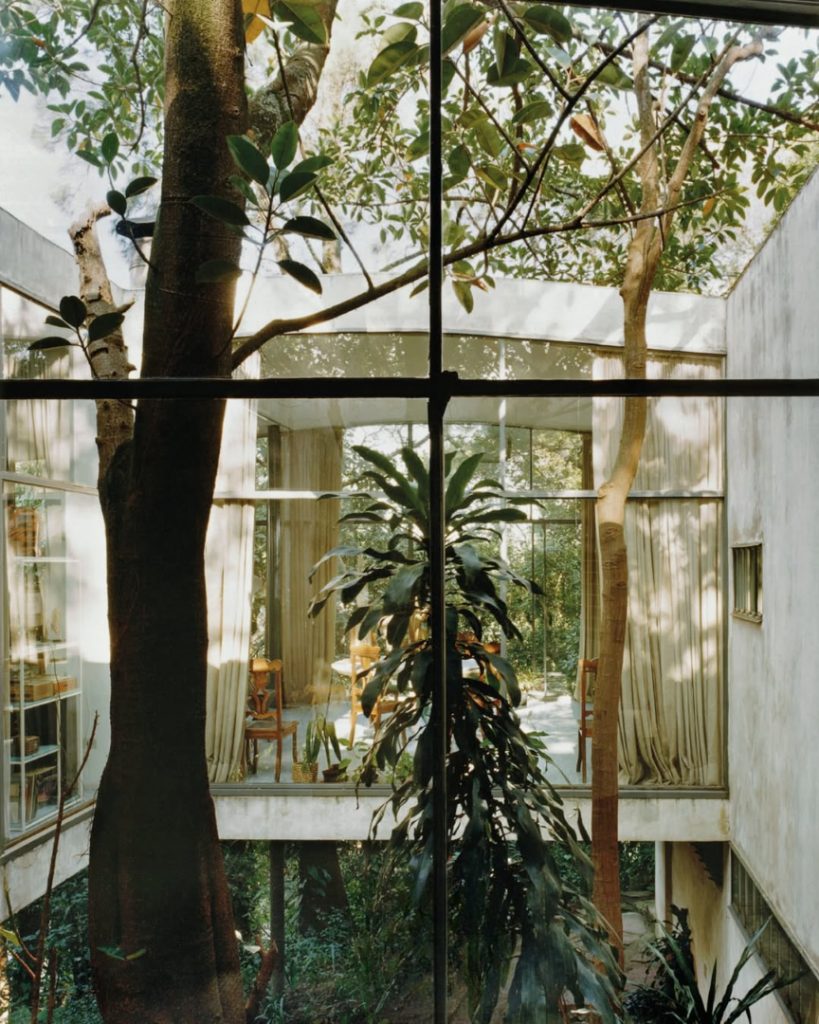
Designed by Lina Bo Bardi as her own residence, Casa de Vidro became the place where she lived for decades with her husband, Pietro Maria Bardi. And if you are going to design your own home, you may as well make it unforgettable. So she placed it on a steep wooded slope in the Morumbi district of São Paulo, deep within the dense vegetation of the Atlantic forest, and decided the best approach was not to fight nature, but to hover above it. Quite literally.
The house is lifted off the ground, suspended delicately on pilotis so that it appears to float among the trees rather than sit on the land. It feels less like construction and more like a very confident piece of landscape. This was a defining moment for Bo Bardi after moving from Italy to Brazil, and you can see the shift immediately. This is not cold European modernism with polished detachment. This is modernism that has learned how to sweat, how to breathe humid air, and how to respect a tropical hillside.
Also Read: Meet Terunobu Fujimori: Japan’s Fairytale Architect Behind Surreal Tea Houses
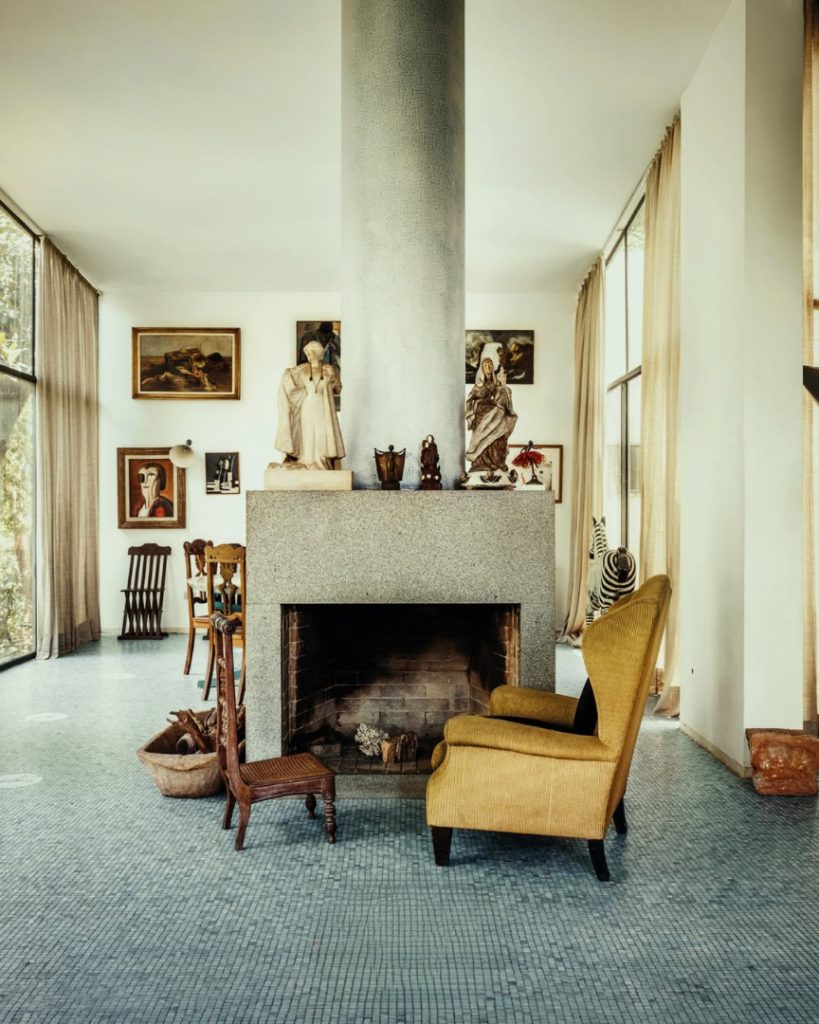
From the outside, the great sheets of glass make the house feel almost invisible, as though the forest has simply allowed it temporary permission to exist. But step inside, and something rather wonderful happens. Instead of sterile minimalism, there is warmth. Wooden floors, rich timber furniture, books, objects, art, and the quiet evidence of real life create a deeply tactile interior. It is intimate, layered, and wonderfully human.
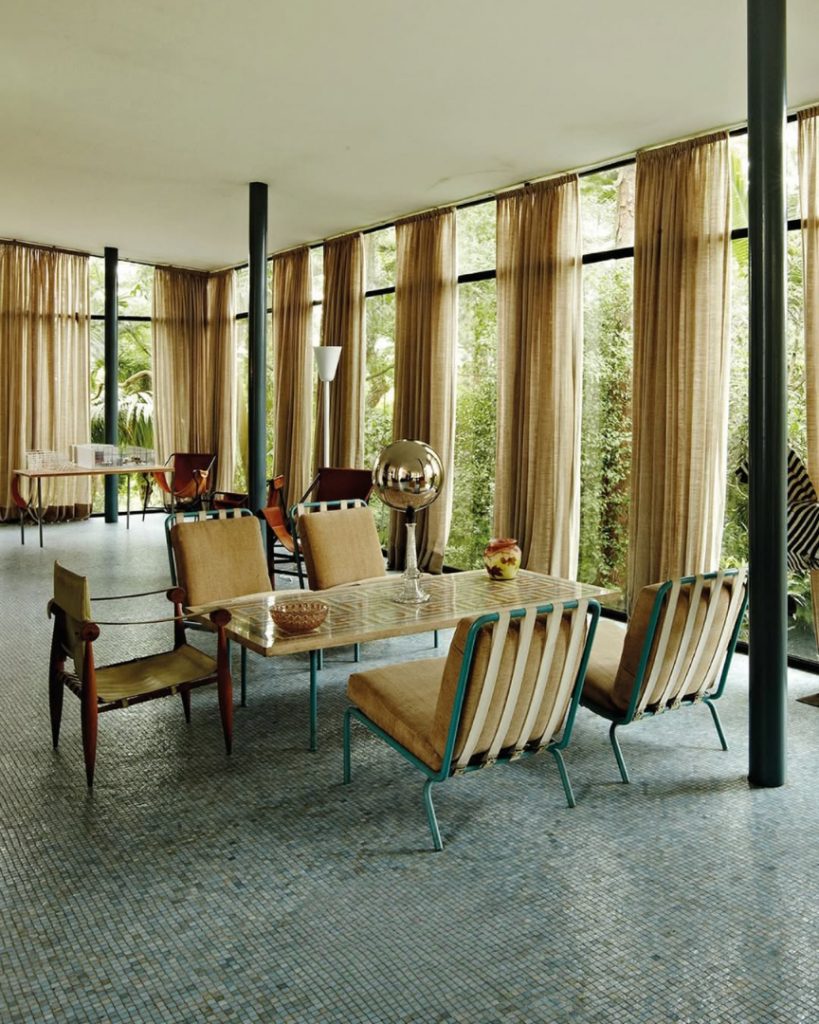
The transparency of the glass envelope means light is constantly moving through the house like an uninvited but very welcome guest. Morning, afternoon, evening—nothing looks the same twice. Reflections shift, shadows stretch, and the boundary between inside and outside becomes deliciously unclear. You are never entirely in the house, nor entirely in the garden. You exist somewhere beautifully in between. And then there is the tree.
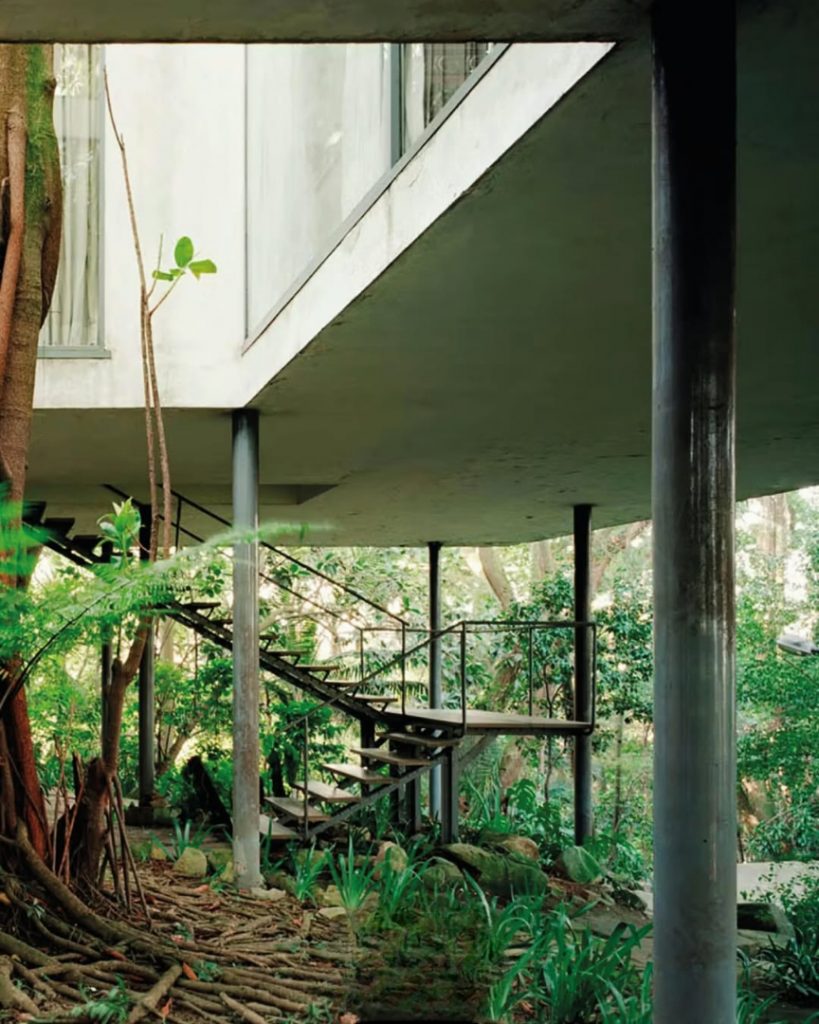
At the centre of the composition, a large native tree rises directly from the terrain, becoming both a structural anchor and something far more emotional. It is not decoration. It is presence. It reminds you that this house was never meant to dominate nature, only to live with it. That is perhaps Casa de Vidro’s greatest achievement. It is not architecture shouting for attention. It is architecture listening. It is a personal refuge, yes, but also a manifesto—one where openness, material warmth, and landscape are inseparable. A house made of glass, certainly, but also of ideas. And unlike most modernist icons, this one still feels alive.