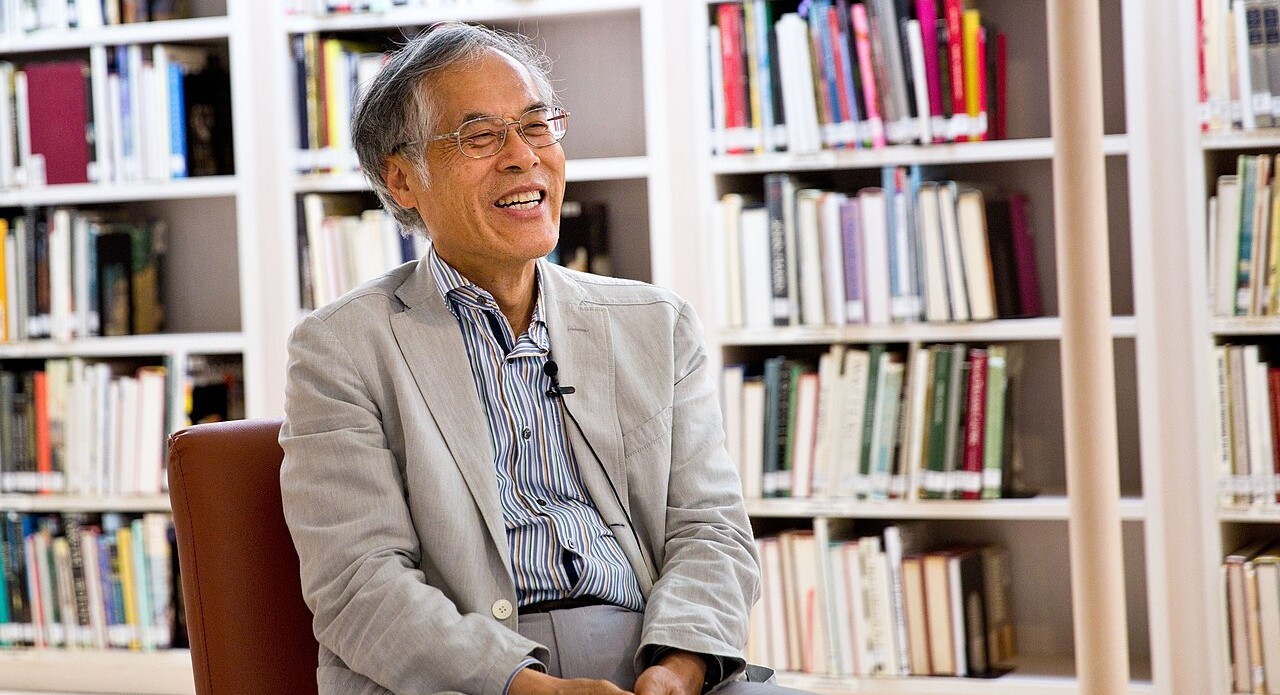


Most architects design buildings that obey rules, proportions, and occasionally common sense. Terunobu Fujimori, on the other hand, builds tea houses that look like they were imagined by a poet after too much sake and a very good dream. His work is part architecture, part folklore, and entirely impossible to forget. There are architects who design glass towers so polished they look like expensive office printers, and then there is Terunobu Fujimori, a man who seems to have wandered out of a Japanese folktale carrying charcoal, timber, and a very strong opinion about modern architecture. While the rest of the world was busy building rectangles with Wi-Fi, Fujimori decided that perhaps what humanity really needed was a tea house balanced on stilts, covered in grass, and accessible by ladder. Sensible? Not remotely. Brilliant? Absolutely.
Born in 1946 in Nagano, Japan, Fujimori did not begin his architectural career in the conventional sense. In fact, for much of his early life, he was better known as an architectural historian than as a practicing architect. He spent decades studying the built environment, writing extensively on Japanese architecture, and developing an eye for how buildings shape emotion rather than merely shelter people from rain. Then, rather wonderfully, he decided to start building his own. And he did so with the confidence of a man who had clearly spent years watching everyone else do it wrong.
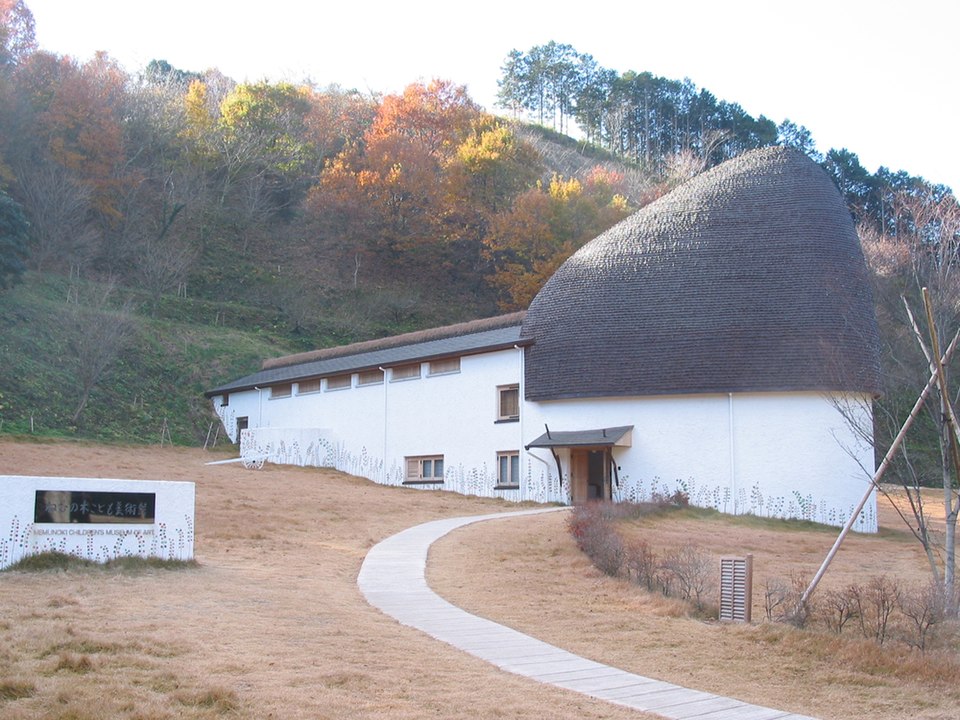
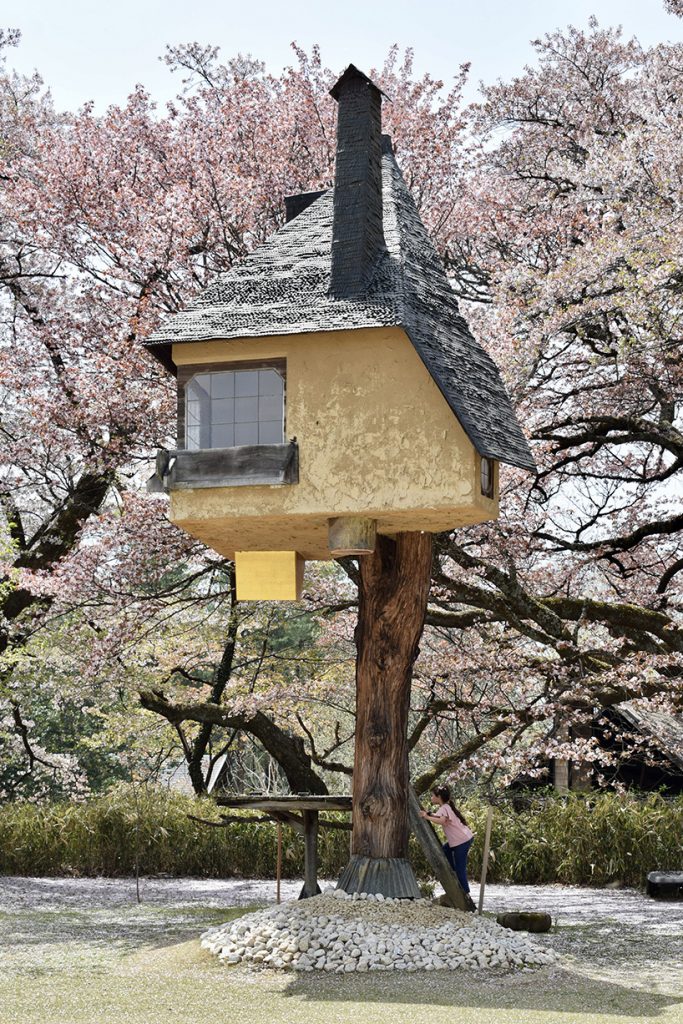
His architecture looks as though it should belong in a Studio Ghibli film rather than on an academic journal cover. Tea houses perch high above the ground like watchful birds. Walls are coated in mud and charcoal. Roofs bloom with living grass. Timber beams look hand-touched rather than machine-approved. There are structures that seem to lean just enough to make you nervous, yet somehow remain perfectly balanced. It is architecture that smiles at you. One of his most famous creations is the Takasugi-an, which translates rather magnificently to “The Tea House Built Too High.” And yes, that is exactly what it is. Suspended atop two chestnut tree trunks in Chino, Nagano, the tiny tea room looks like a child described their ideal treehouse to an architect who took the assignment far too seriously. You climb a ladder to enter. Inside, there is almost nothing. A simple tea room, suspended in silence, surrounded by sky. It is absurd. It is magical. It is perfect.
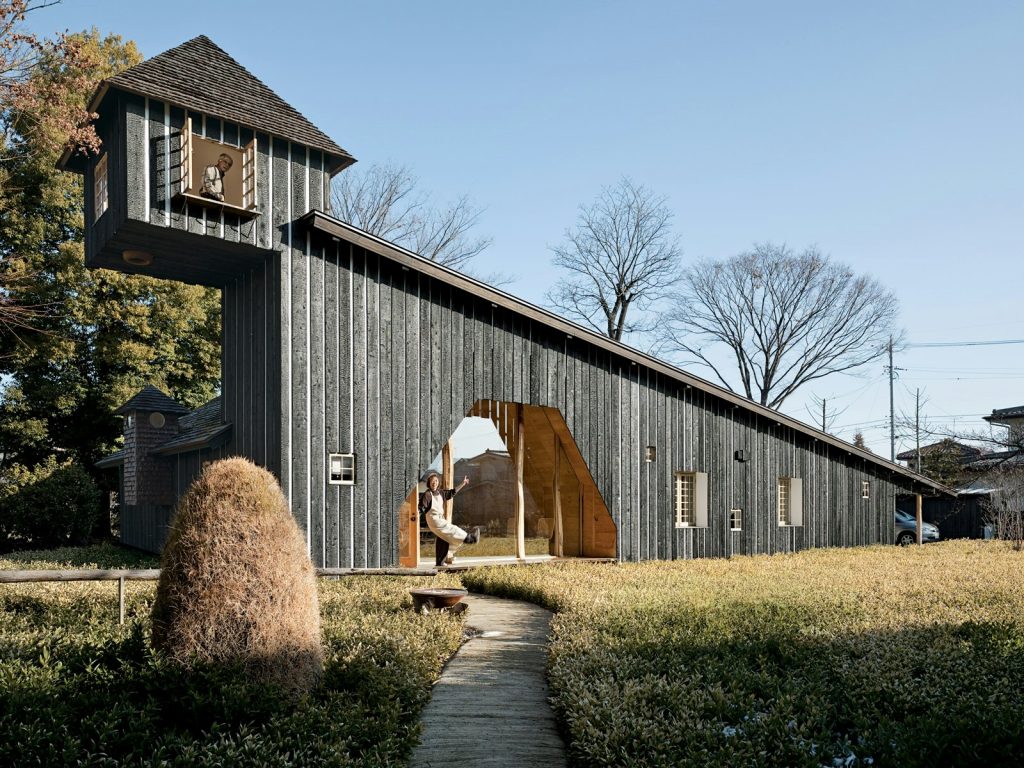
Then there is the Flying Mud Boat, another tea house that appears to hover above the ground like a tiny UFO made by monks. Supported by cables and poles, it feels less constructed than summoned. Fujimori’s buildings do not simply occupy space, they challenge your idea of what space should feel like. And that is perhaps the point. In a world obsessed with efficiency, Fujimori is gloriously inefficient. His buildings are not trying to maximise square footage or increase shareholder confidence. They exist to create emotion. Wonder, surprise, delight, and sometimes the slight fear that perhaps the roof is held together by hope and moss.
Also Read: Nigel Dunnett’s Naturalistic Planting Design Is Transforming Sustainable Landscapes
His use of natural materials is equally deliberate. Burnt cedar, plaster, earth, stone, bamboo, and untreated wood dominate his work. These are not nostalgic choices but philosophical ones. Fujimori believes architecture should age, breathe, and belong to the landscape rather than dominate it like an invading spaceship made of glass.
There is also humour in everything he does, which is deeply refreshing in a profession often populated by people who describe concrete walls as “a meditation on absence.” Fujimori’s work feels human. It invites curiosity rather than intimidation. It reminds you that beauty does not have to be sterile. And perhaps that is why his buildings resonate so strongly. They feel ancient and futuristic at once. Like relics from a civilisation that somehow made better decisions than we did. He proves that architecture does not need to be louder, taller, or shinier to matter. Sometimes it just needs to be strange enough to make you stop walking and ask, “Who on earth thought this was a good idea?” The answer, quite often, is Terunobu Fujimori. And thank heavens for that.