

There was a time when the height of garden sophistication involved a perfectly obedient lawn, trimmed hedges so precise they looked frightened, and enough imported flowers to suggest you were attempting to annex half of continental Europe. It was all very tidy, very expensive, and about as ecologically useful as a marble driveway. Then along came Nigel Dunnett, looked at this botanical theatre of nonsense, and politely suggested that perhaps nature might know what it is doing.
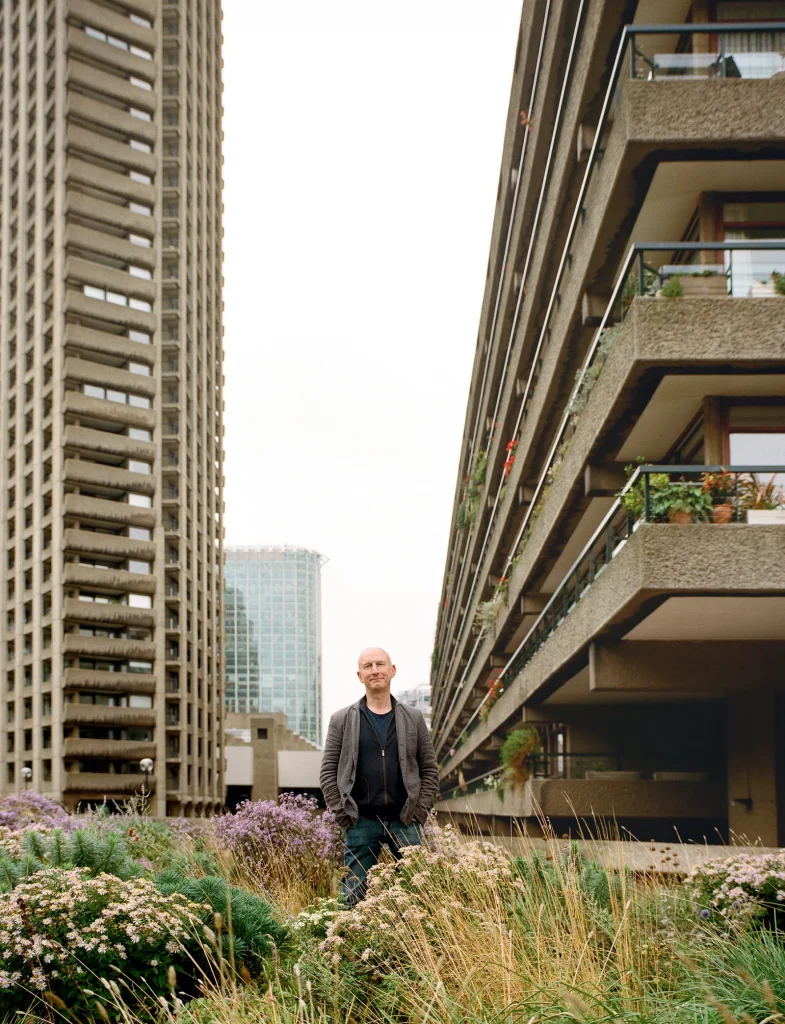
Dunnett, one of Britain’s most influential planting designers and landscape architects, has become a leading voice in what is now called naturalistic planting design. Which sounds suspiciously like leaving things alone, but is in fact far more intelligent than that. It is not wild gardening in the lazy sense. It is carefully composed planting that mimics the resilience, rhythm, and biodiversity of natural ecosystems while still looking like someone with excellent taste is in charge.
His philosophy is beautifully simple. Instead of fighting nature with endless mowing, watering, chemical persuasion, and the occasional emotional breakdown over roses, work with it. Choose plants that belong, species that can handle local climate conditions, survive dry spells, support pollinators, and generally behave like sensible citizens rather than needy aristocrats. The result is a landscape that is sustainable, resilient, and, crucially, still visually spectacular. Because nobody wants to save the planet while staring at something depressing.
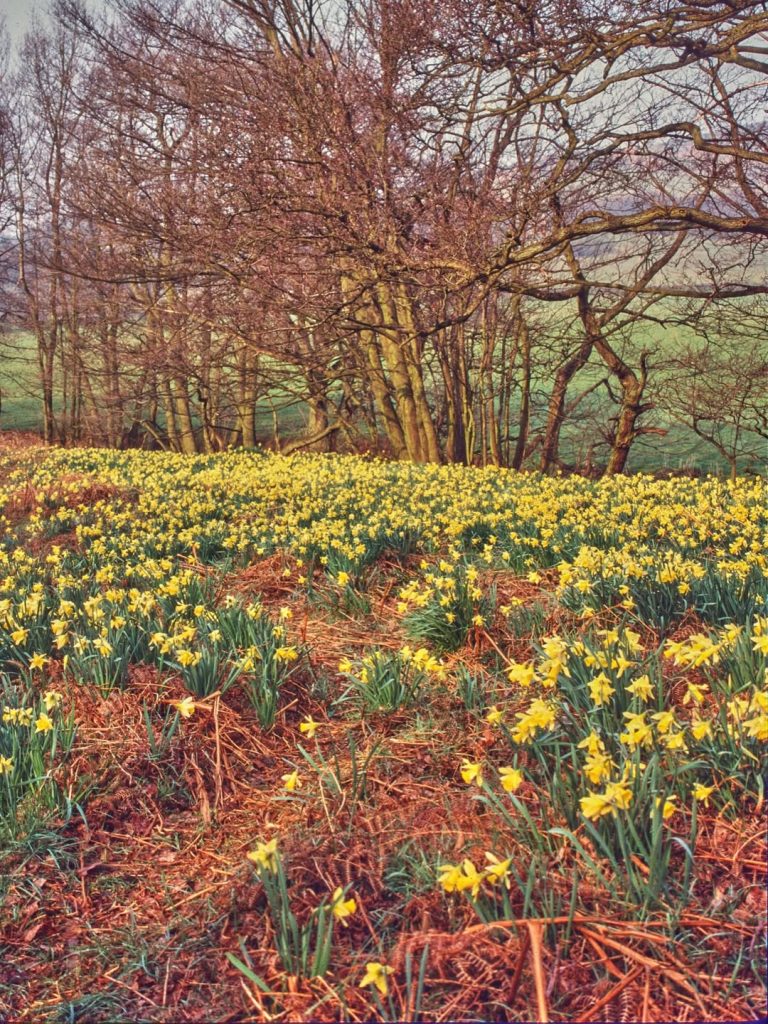
One of Dunnett’s greatest achievements has been proving that ecological responsibility does not require aesthetic sacrifice. In fact, quite the opposite. His planting schemes are full of movement, texture, and seasonal drama. Meadows of perennials and grasses shift with the light, changing through the year rather than remaining frozen in one static idea of beauty. It feels alive because it is alive. Imagine that.
His work on urban landscapes has been particularly transformative. Cities, after all, are not famous for their generosity toward nature. They are hot, hard, impatient places filled with concrete, traffic, and people who think a cactus is high maintenance. Dunnett’s approach introduces biodiversity into these hostile environments by designing green spaces that do more than decorate. They cool streets, absorb rainwater, reduce heat, improve air quality, and create habitats for insects and birds. In short, they work. Which is a surprisingly radical concept in modern design.
Projects like the planting for the London 2012 Olympic Park helped bring this thinking into public consciousness. Rather than sterile landscaping with apologetic shrubs, the park embraced dynamic perennial planting that looked generous, alive, and distinctly modern. It was not trying to imitate a country estate. It was building a new language for urban beauty, one where sustainability was not hidden in the background but celebrated as part of the design itself.
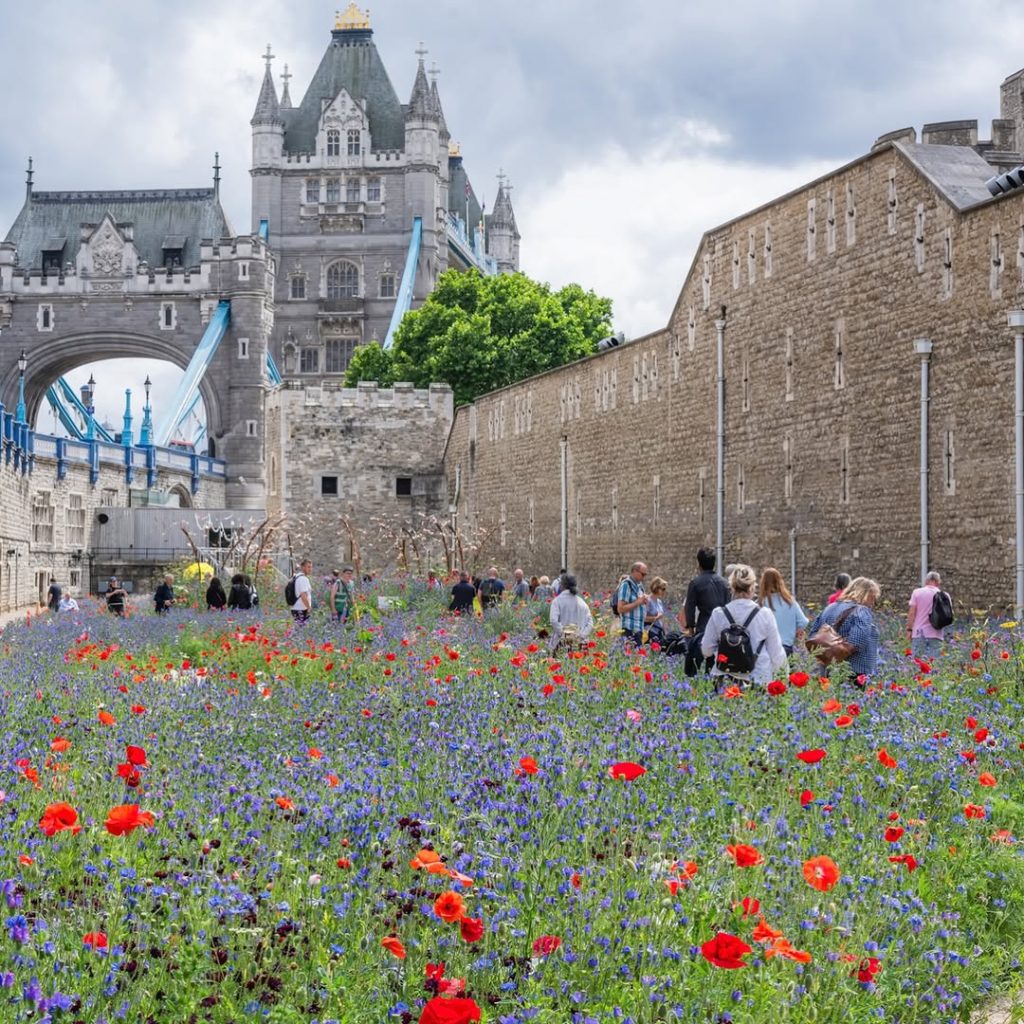
There is also a certain honesty to Dunnett’s work that feels refreshing. He does not promise impossible perfection. Plants will change. Seasons will interfere. Weather will have opinions. Good landscapes are not static trophies; they are evolving relationships between people, place, and ecology. That mindset feels particularly urgent now, when climate change has made traditional landscape design look increasingly absurd. Maintaining a thirsty green lawn in the middle of a heatwave is rather like insisting on wearing a tuxedo to the beach. Admirable commitment, terrible judgement.
What makes Nigel Dunnett so important is not simply that he designs beautiful landscapes. Plenty of people can do that if you give them enough budget and imported hydrangeas. His real contribution is proving that beauty and environmental intelligence are not opposing ideas. They are, in fact, the same conversation. In a world where sustainability is too often treated like a guilty compromise, Dunnett offers something far better: landscapes that are generous, dramatic, and ecologically smart. Places that feed bees, cool cities, survive climate extremes, and still make people stop and say, rather wonderfully, “That looks incredible.” Which, frankly, is how saving the world should work.