

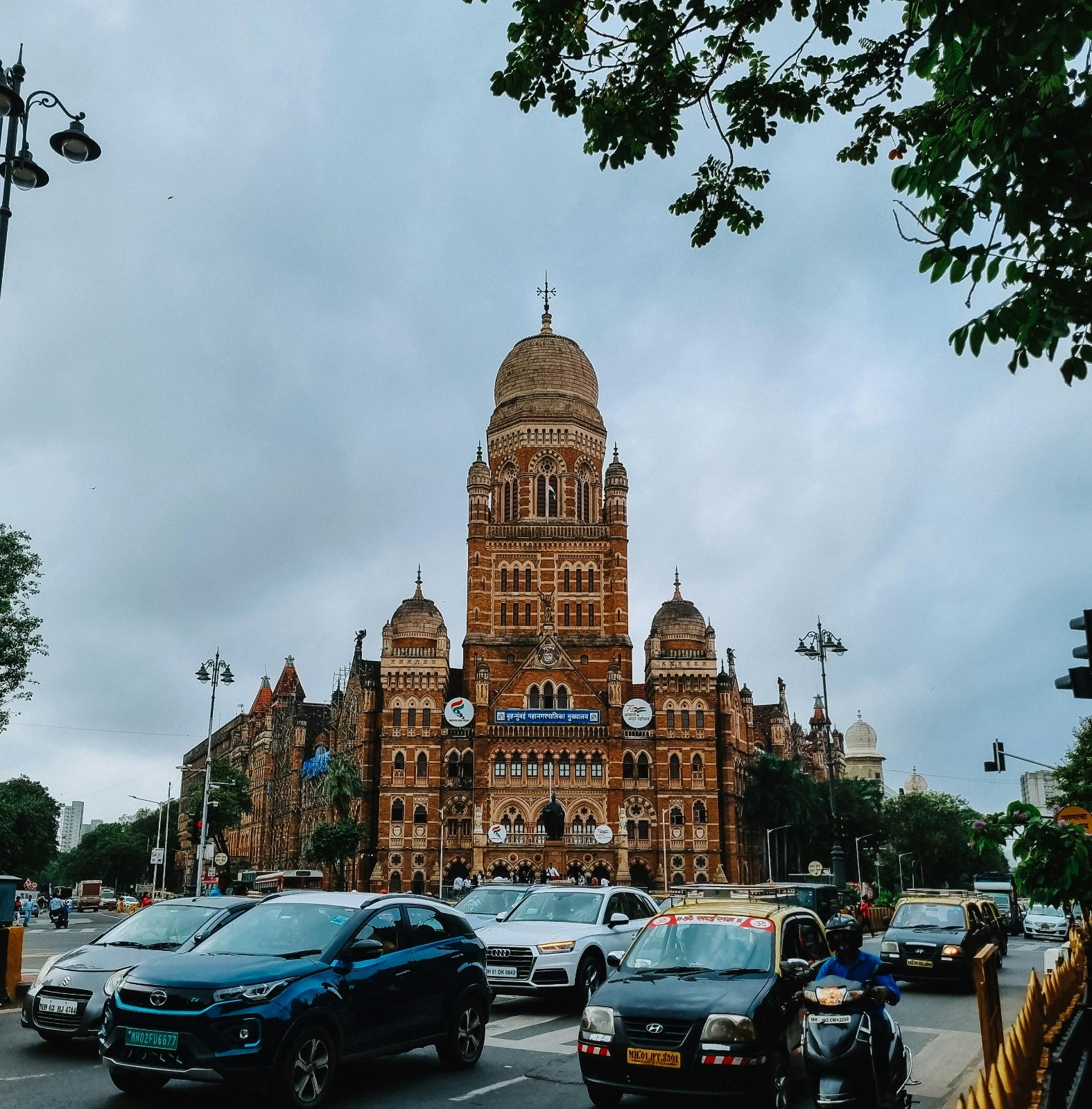
In cities like Mumbai, where land is scarce but history is abundant, demolishing structures to build new ones not only risks diminishing a city’s unique historical character but also raises environmental concerns. Strategically repurposing existing spaces, therefore, becomes an essential design solution that the future of design is increasingly embracing to create modern, luxurious spaces. Designers are now championing reuse, blending historical charm with contemporary opulence and functionality.
What Is Adaptive Reuse?
This sustainable shift surpasses the mere use of eco-friendly materials; it involves working with existing structural elements as design parameters, drawing inspiration from them, and shortening project timelines while reducing environmental impact. By harnessing the character of old buildings and seamlessly integrating modern elements, designers reimagine the building’s identity while delivering spaces equipped with the latest amenities and technology. This holistic new design approach addresses the need to respect the existing, optimise resource utilisation, and foster a sense of community. The economic advantages of such initiatives are also substantial. Adaptive reuse projects often prove more cost-effective than new construction as they significantly reduce waste and carbon footprints, contributing to a healthier environment.
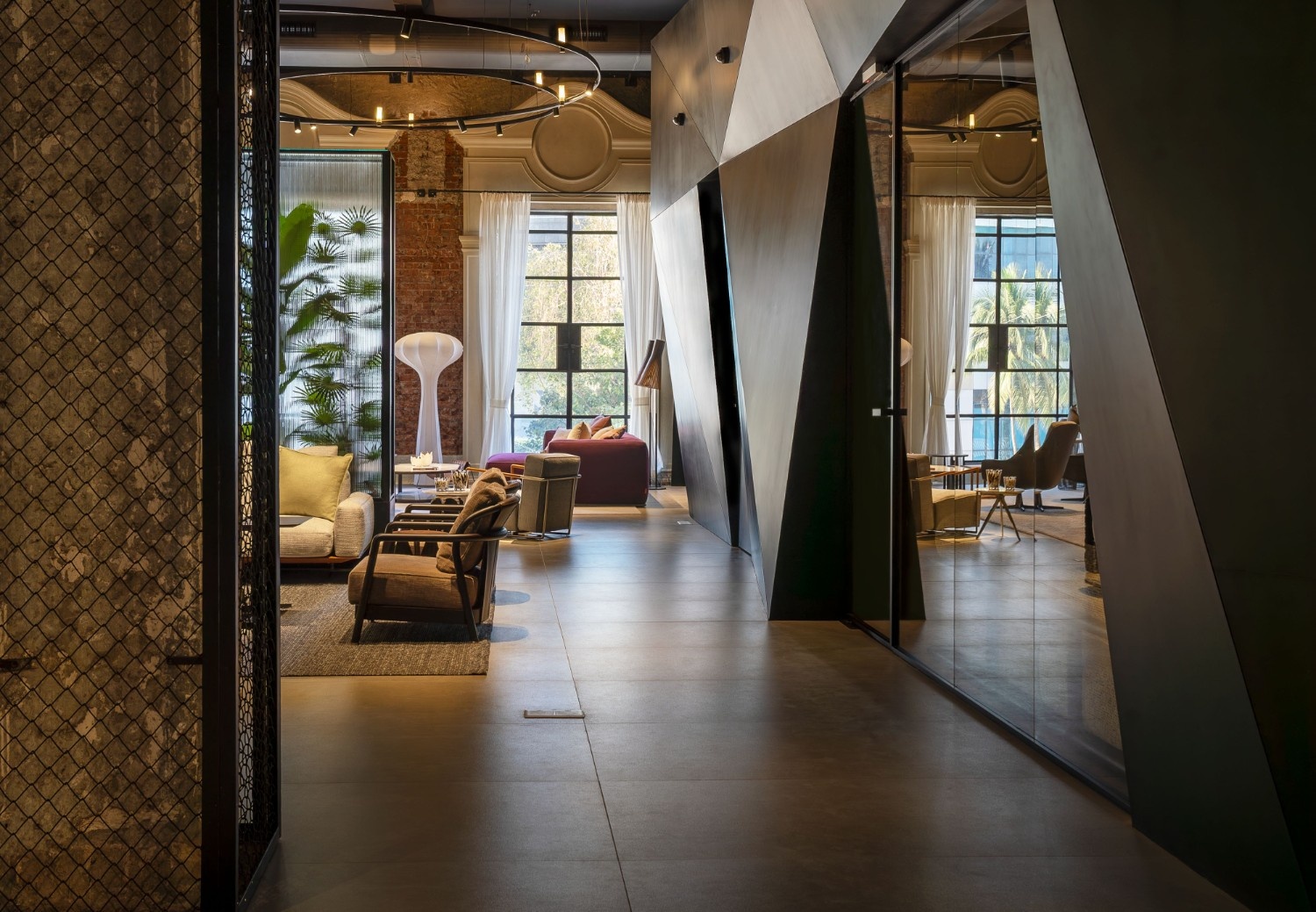
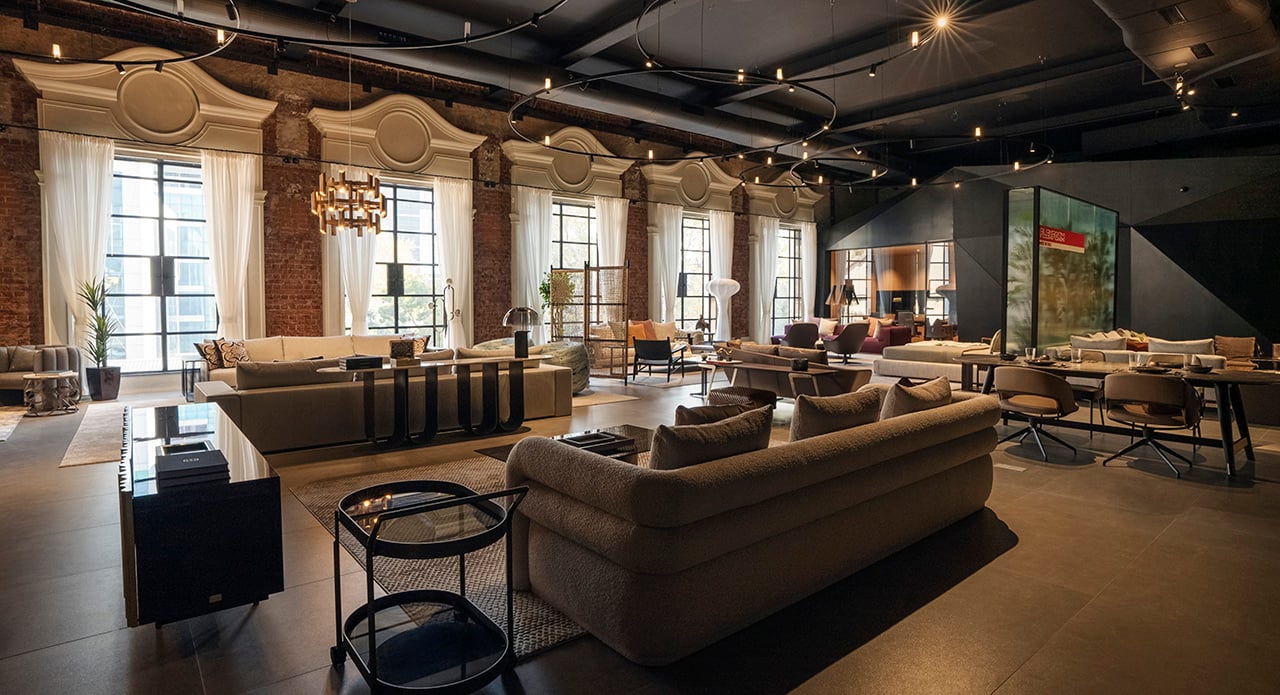
For instance, former industrial estates in Mumbai are undergoing a significant shift into vibrant shopping and brand hubs. Here lies an opportunity to breathe new life into worn-down structures and embrace their raw beauty. The designer then becomes responsible for introducing interventions that infuse warmth and richness into the ambience without erasing its authenticity.
Also Read: What Is Baroque Architecture? Key Features, Famous Buildings, and the Masters Behind the Style
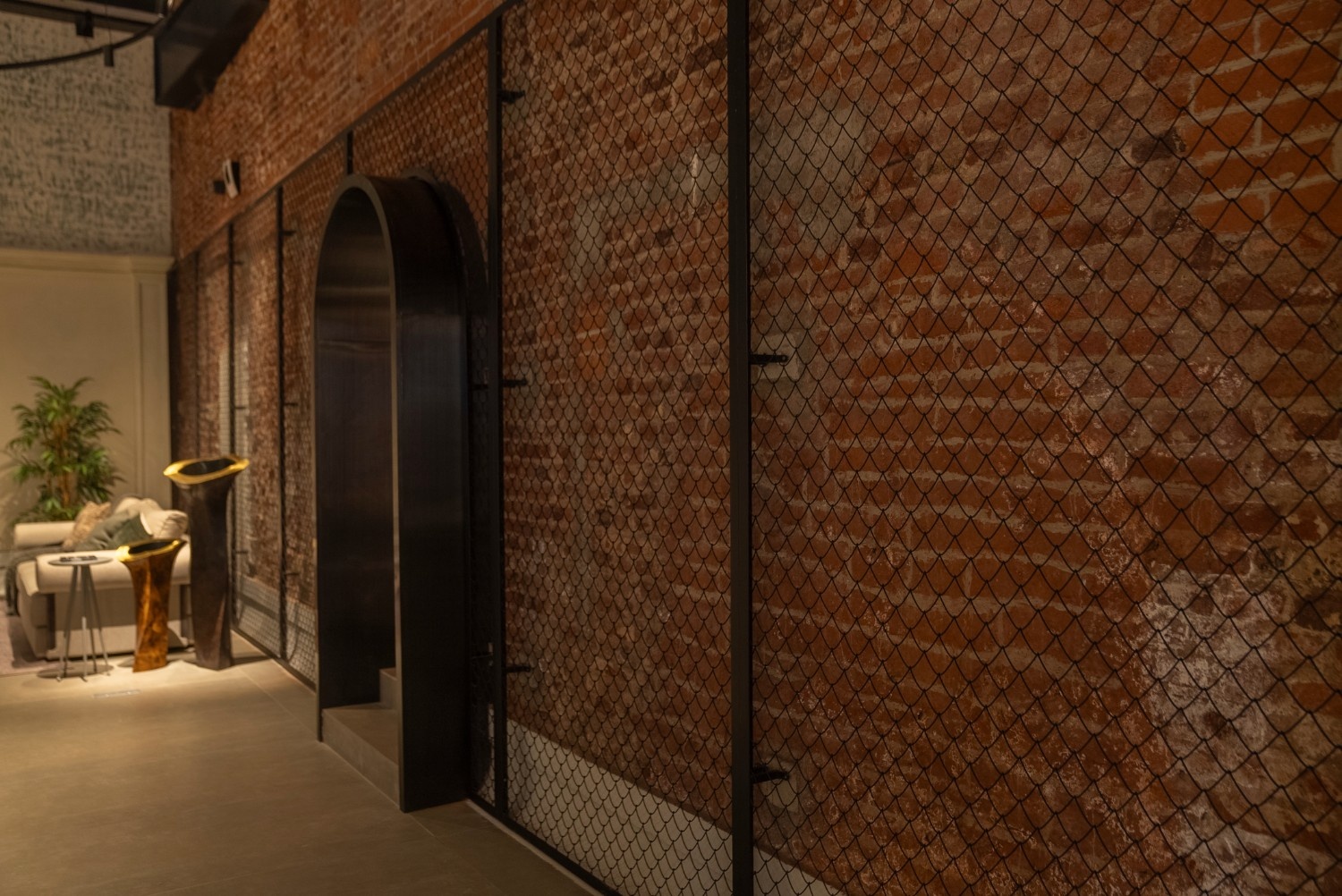
As designers explore adaptive reuse to create contemporary spaces from existing structures, several creative interventions can transform these buildings into vibrant hubs.
The Art Of Adaptive Reuse: How To Incorporate It
Embracing the inherent character of existing elements such as walls, columns, slabs, and fenestrations is fundamental. Through strategic enhancements, these elements can be transformed into focal points that blend historical charm with contemporary functionality.
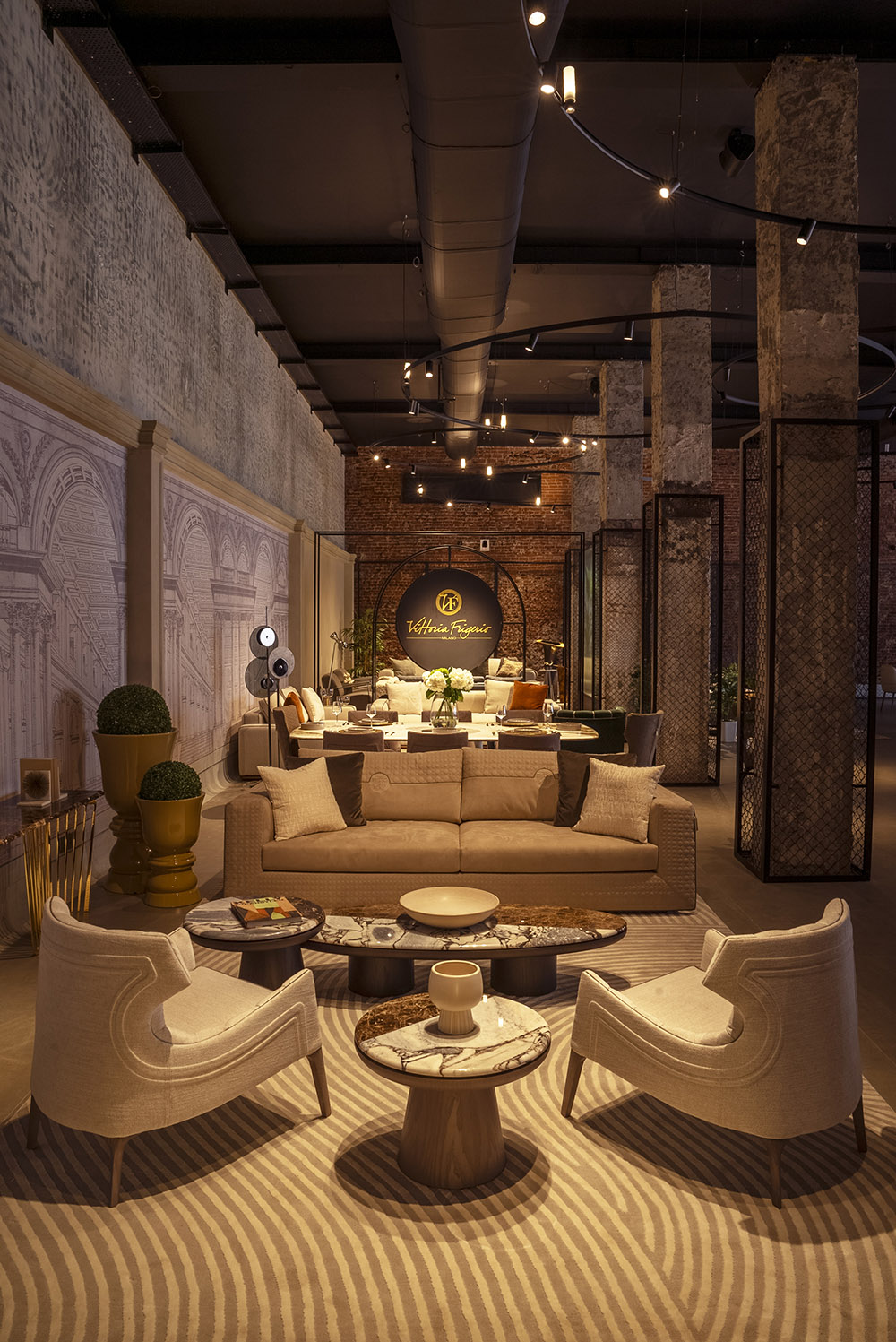
Drawing inspiration from successful adaptive reuse projects globally, one can integrate innovative design approaches that elevate original architectural features. This approach celebrates the authenticity of buildings while incorporating modern amenities and technologies.
Bold, contemporary geometric forms and carefully curated colour tones can be introduced to redefine spatial dynamics. These elements not only captivate the eye but also help diverge expansive areas into intimate, functional zones.
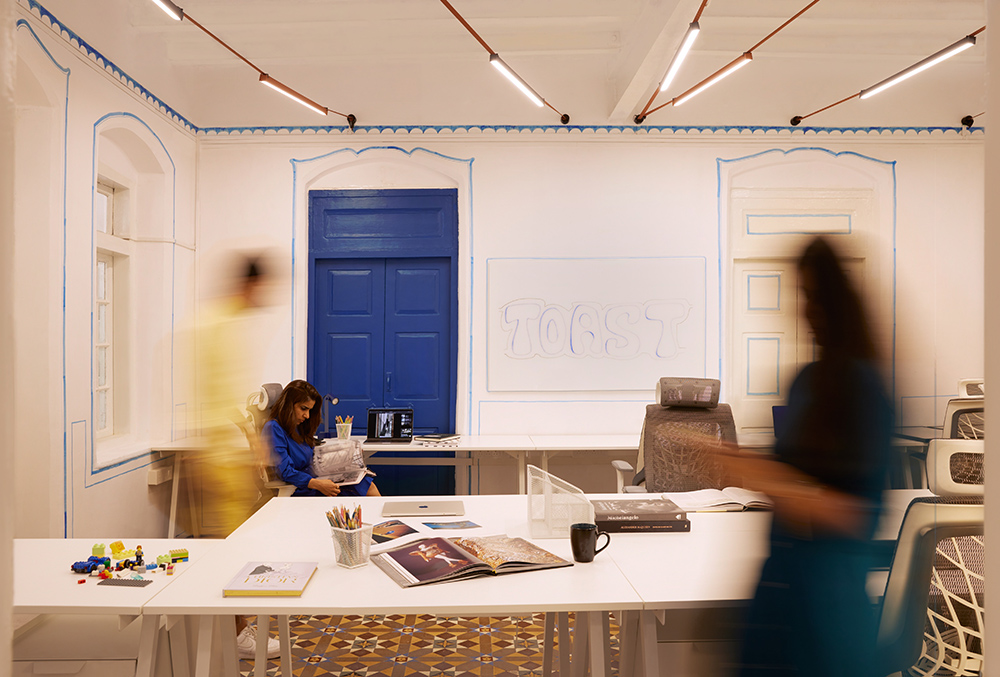
In certain instances where the heritage structure is intact, a simple yet powerful design approach is to rethink spaces through subtle interventions. This approach stems from being mindful and sensitive, honouring the existing structure, striving to minimise damage to the existing elements, and allowing the intrinsic beauty of the original architecture to shine.
Ensuring no intrusive interventions are used can lay the foundation for many distinctive and creative concepts by designers.
How To Give Old Buildings New Life
For instance, a crucial design aspect would involve seamlessly integrating the spaces both visually and aesthetically, creating a holistic perception. This can be achieved by weaving the entire space with a tapestry of illumination, using hanging lights as both functional elements and aesthetic features. The suspended lights help serve as visual connectors, harmonising different zones within the interior spaces. The chosen lighting systems should traverse spaces without requiring conduits or drilling, optimising plug-and-play functionality while preserving the building’s structural integrity.
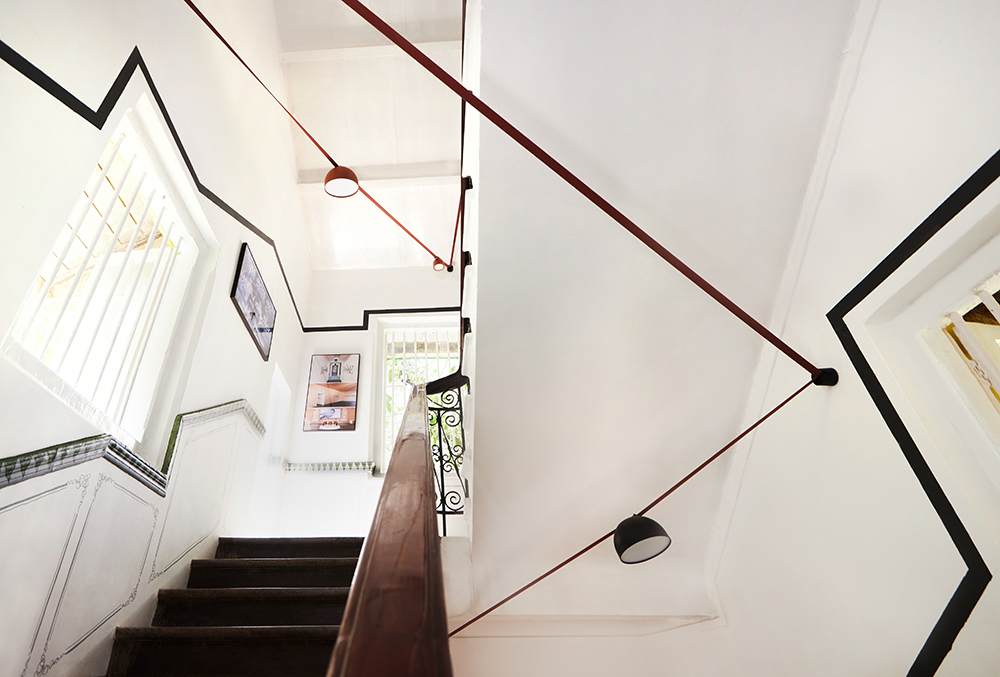
Enhancing existing timeless elements with a modern flair is another creative design intervention. Delicately juxtaposing old and new geometries can accentuate fenestrations and edges, followed by highlighting various architectural elements within the space through varying contemporary pop-up pastel colours. Highlighting elemental details brings to the forefront and celebrates intricate, historical details while giving a modern touch to the spaces. Subtle additions, such as ornamental paintings or patterns, in transitional corridors add a sense of character to the space, reminiscent of the heritage, while remaining strictly modern in design approach.
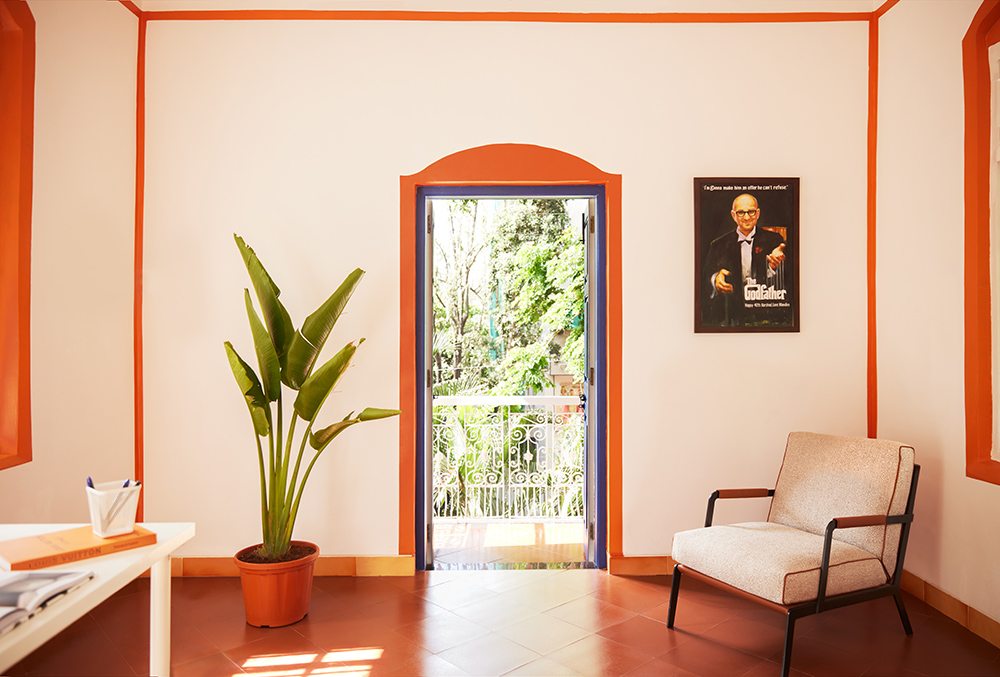
In fast-paced metropolises, this design approach can help save significant time and money, as the plan of action can be exceptionally concise and practically achievable, preventing cumulative delays. In certain instances, projects can even be completed within a month, reducing demolition costs, property, materials, rental, labour, and resources, while also reducing environmental impact.
Reusing our existing built environment to create contemporary, luxurious spaces that celebrate heritage is currently one of the most sustainable design approaches with immense scope. As designers become increasingly conscious of the environmental impact of the AEC industry and the climate emergency, along with rapid technological advancements, this approach is set to become the most popular among designers in the near future.
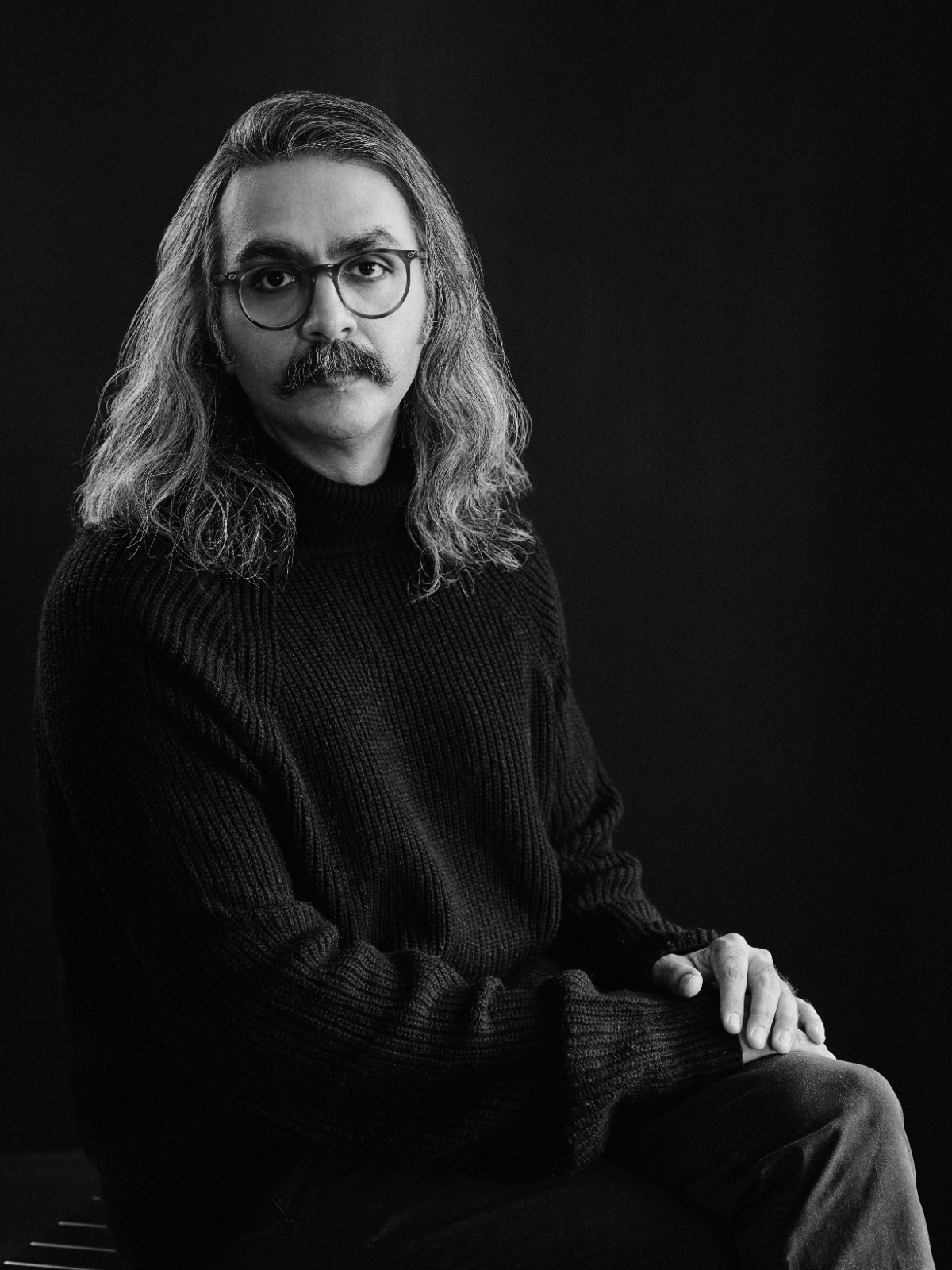
Rahul Mistri is the visionary behind Open Atelier Mumbai, an internationally acclaimed design studio known for its bold, vehement and sophisticated approach to design.